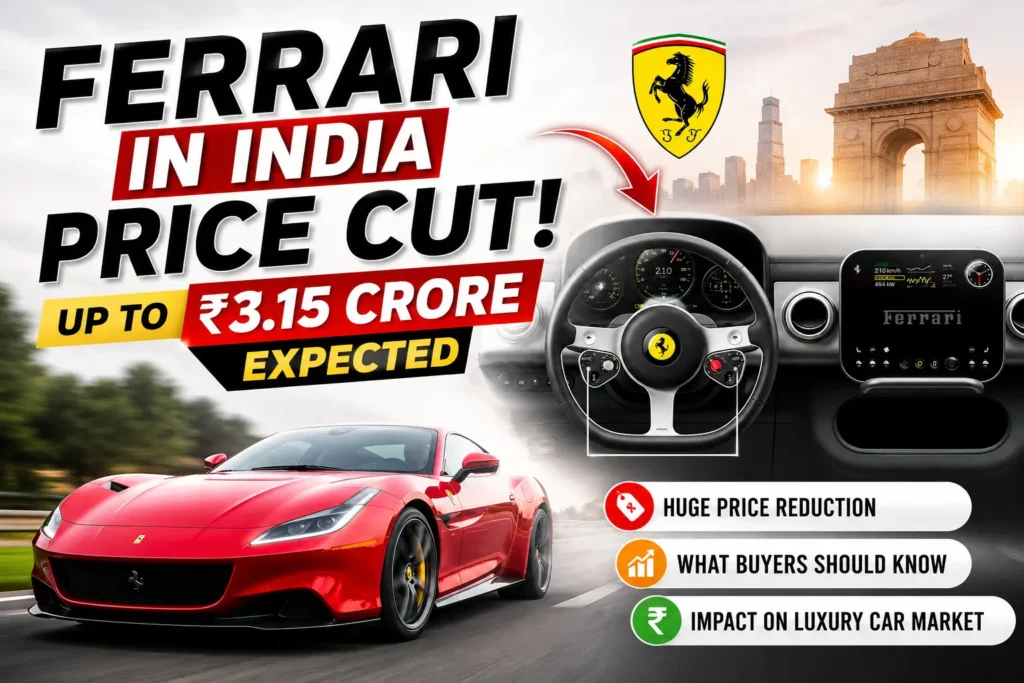
Ferrari buyers rarely expect prices to fall. With ultra-premium brands, the assumption usually works in the opposite direction: ownership becomes more expensive over time, not less. That is exactly why reports suggesting potential Ferrari price reductions of up to ₹3.15 crore in India are attracting unusual attention.
The figure sounds enormous on its own, but the bigger story may not be the number. Instead, the discussion increasingly revolves around what such a shift could mean for luxury car pricing, buyer behaviour and premium automotive positioning in one of the world’s fastest-evolving markets.
That raises a larger question: Could expected Ferrari price changes alter how some buyers think about timing their next ultra-premium purchase?
Why This Matters
- Ferrari price reductions in India could reportedly reach up to ₹3.15 crore on select models.
- The expected change may influence conversations around luxury car value and ownership timing.
- Premium automotive pricing discussions could extend beyond one brand if market dynamics shift.
Also Read:- Honda’s New ZR-V Hybrid SUV Could Be Worth Waiting For – India Launch Teased
Why Ferrari’s Expected Price Shift Is Attracting Attention
Luxury performance cars rarely compete on affordability. Buyers entering this segment typically prioritize exclusivity, engineering and brand identity over conventional ownership concerns. That explains why significant expected reductions immediately attract headlines.
Even if ownership remains limited to a relatively small group of consumers, major pricing adjustments often signal broader shifts involving taxation structures, import costs or market positioning. For observers following the premium automotive space, this story is not only about Ferrari becoming cheaper. It is also about understanding what changes of this scale may eventually mean across luxury segments.
While final figures may vary depending on implementation and affected models, current expectations point toward substantial reductions.
| Area | Expected Change | Why Buyers Should Care | Potential Impact |
|---|---|---|---|
| Price Reduction | Up to ₹3.15 crore | Significant shift in ultra-premium pricing | Improved value perception |
| Buyer Impact | Lower ownership entry point | Increased luxury vehicle interest | Stronger curiosity |
| Segment Effect | Pressure on premium positioning | Possible competitive response | Wider market attention |
| Industry Discussion | Luxury pricing conversations | Influence beyond one brand | Broader automotive impact |
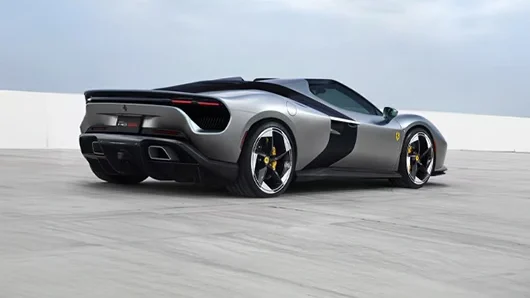
Numbers alone rarely explain the complete picture because ownership decisions in premium segments often involve taxation, import duties, exclusivity and long-term value retention. The largest reduction does not automatically create the largest long-term market impact.
Why The Bigger Story May Not Be The Discount Itself
Luxury brands operate differently from mainstream manufacturers. A major expected reduction attracts headlines because the amount sounds extraordinary, but relative positioning inside ultra-premium categories matters equally.
For many buyers, exclusivity remains part of the attraction. That creates an unusual balance where lower pricing may improve accessibility while brands simultaneously attempt to preserve premium perception. The discussion therefore becomes larger than one expected discount because it also raises questions around how luxury positioning evolves over time.
Ferrari Price Cuts vs Traditional Luxury Thinking
Luxury automotive ownership traditionally follows one assumption: premium brands become more expensive over time, not less. Potential reductions challenge that expectation.
Even if the changes affect only specific models or circumstances, they may influence how some buyers evaluate timing around ultra-premium purchases. That shift could shape future buying decisions more than expected, especially among consumers already considering luxury performance vehicles.
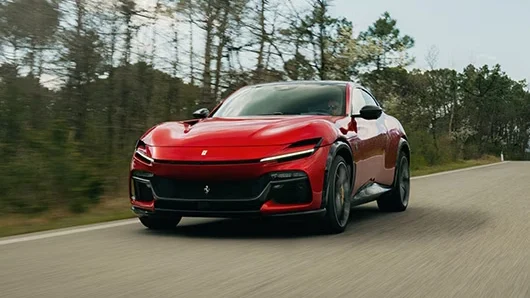
Also Read:- New Skoda Epiq EV Breaks Cover With Futuristic Design & 440 KM Range
Large expected reductions rarely affect one purchase alone. They often reshape conversations around ownership timing, perceived value and long-term positioning.
If pricing shifts occur at this scale, buyers may start paying closer attention to how taxation structures, import strategies and premium positioning influence future purchases. The broader impact may extend beyond immediate ownership decisions.
What This Could Mean For Buyers
Consumers already considering premium performance cars may begin evaluating whether purchasing earlier or waiting longer creates stronger value. Changes of this scale also tend to attract attention beyond immediate buyers because market adjustments often influence expectations across luxury categories.
Stronger competition and evolving pricing discussions usually force brands to reconsider how value is presented. Over time, that can gradually reshape ownership conversations in premium segments.
The Bigger Question Buyers May Eventually Ask
Consumers planning luxury vehicle purchases today could later wonder whether waiting might have changed the ownership equation more than expected. That does not automatically mean buyers should delay decisions.
However, premium segments sometimes shift quickly when regulations, taxation structures or positioning changes enter the picture. Timing therefore becomes an important part of the ownership discussion rather than focusing only on the badge itself.
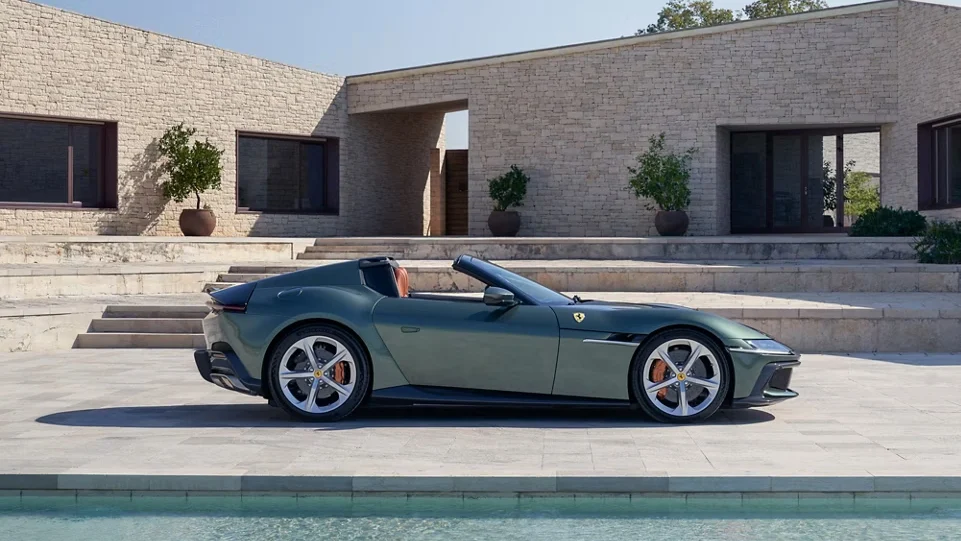
Buy Or Wait Verdict
Buyers actively considering Ferrari ownership may watch upcoming developments closely because expected reductions of this scale naturally attract attention. Consumers outside ultra-premium segments may simply see another headline, but the broader takeaway could matter more.
If Ferrari pricing in India changes meaningfully, the story may not end with one brand becoming cheaper. The larger impact may revolve around how future luxury automotive pricing evolves in a market becoming increasingly important.
In premium segments, timing sometimes matters almost as much as the badge itself.