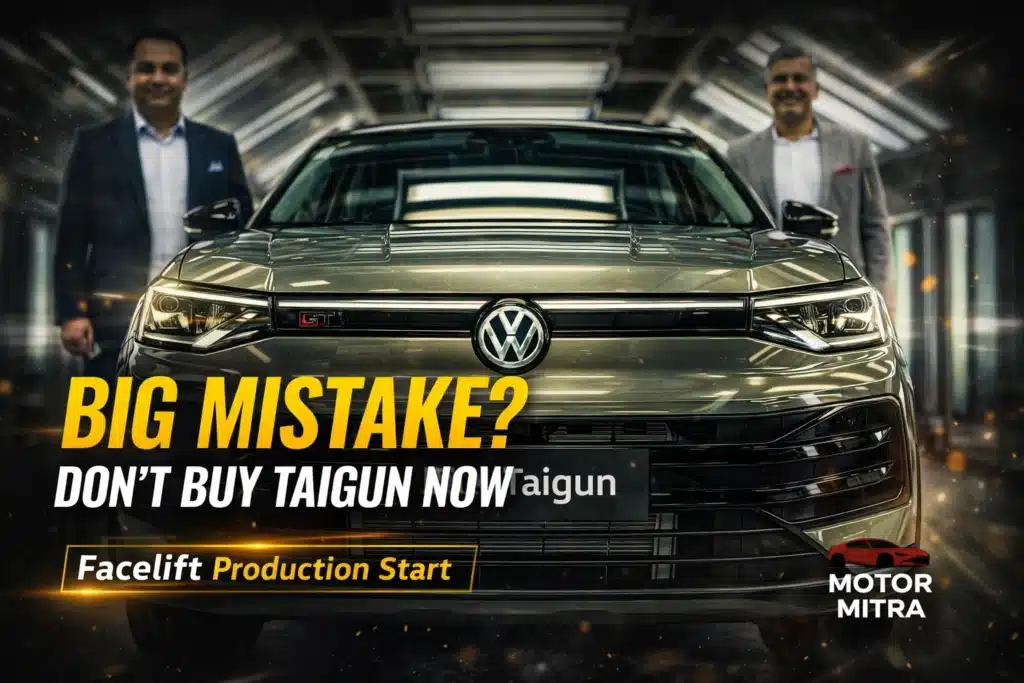
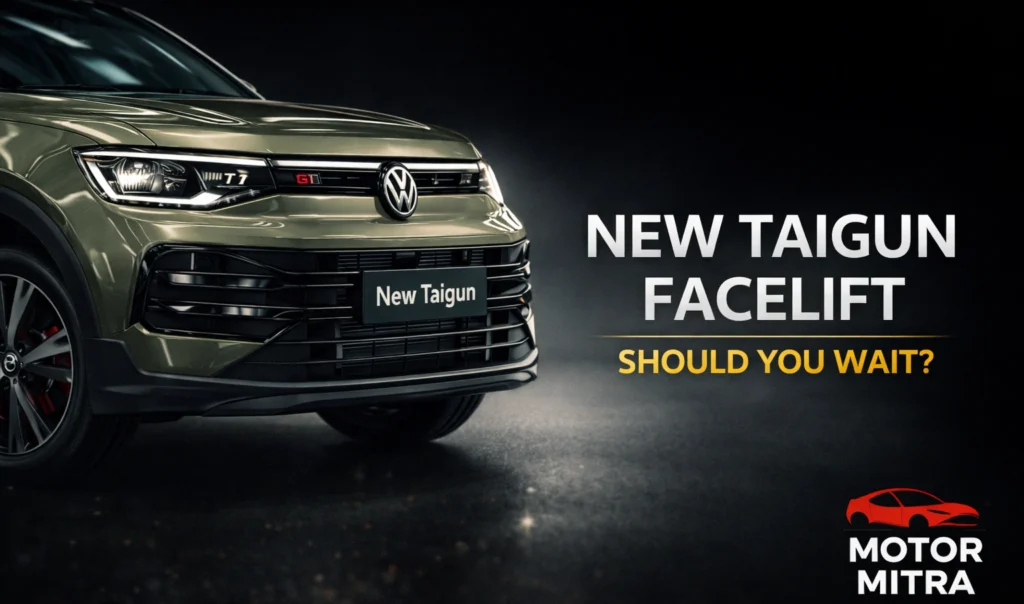
You’re about to spend ₹12–18 lakh on a Volkswagen Taigun, but what if this decision turns into regret within weeks? Because here’s the truth most buyers still don’t know: Volkswagen Taigun Facelift production has already started ahead of launch. That means the version you’re planning to buy today is already on its way to becoming outdated, and this is exactly where smart buyers pause while others walk straight into a mistake they later regret.
Why This Matters
- Volkswagen Taigun Facelift production already started, which means the launch is much closer than buyers expect
- New version is likely to fix missing features, making the current Taigun feel incomplete
- Buying now could leave you stuck with an outdated SUV just weeks after purchase
This One Timing Mistake Can Cost You
The current Volkswagen Taigun is not a bad SUV. It delivers strong German build quality, punchy turbo engines, and a driving experience that still stands out in the segment. But the reality in 2026 is different. Buyers don’t just want performance anymore, they expect features, tech, and a premium cabin experience.
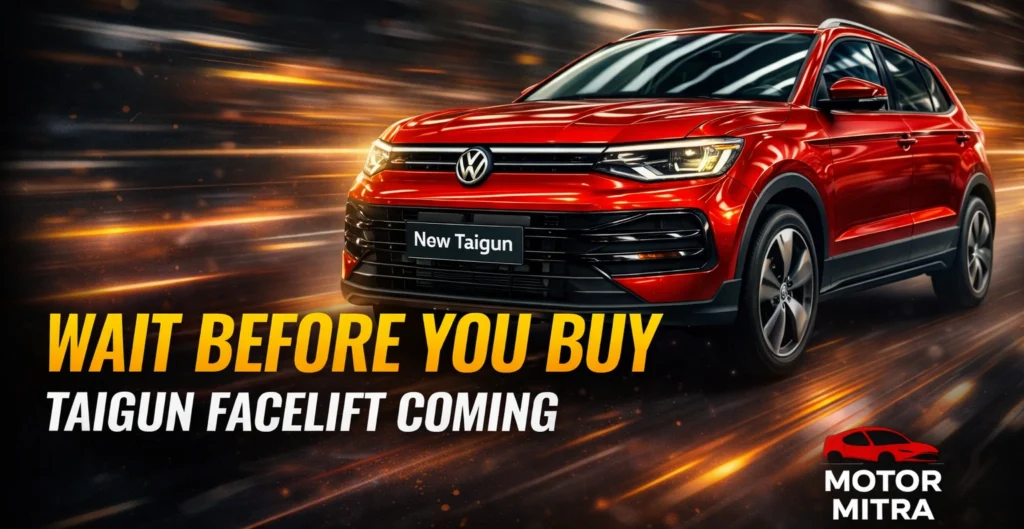
Also Read:- Spied Undisguised! 2026 Volkswagen Taigun Facelift Reveals Panoramic Sunroof & Connected LED Lights
And this is exactly where Taigun starts losing ground against rivals like Hyundai Creta and Kia Seltos. No ventilated seats, no ADAS, and an interior that feels functional instead of premium becomes hard to ignore once you compare it at the same price point.
Now pause for a second and ask yourself, would you still go ahead with the purchase knowing a better version is already being built?
But here’s the catch. When a facelift enters production, it’s no longer speculation. It’s happening, and it’s closer than most buyers think. This is exactly where most people make the wrong call.
What Volkswagen Is About To Fix
This facelift is not just about cosmetic tweaks like new headlights or alloys. Volkswagen clearly understands where Taigun is falling behind, and this update is expected to target those exact weaknesses to make the SUV more competitive.
| Area | Current Taigun | Facelift Upgrade (Expected) |
|---|---|---|
| Features | Missing key premium features | Ventilated seats, ADAS likely |
| Infotainment | Slightly basic UI | Faster, more modern system |
| Interior | Functional quality | More premium materials |
| Exterior | Clean design | Sharper, sportier updates |
| Value | Strong engine, weak features | Balanced package |
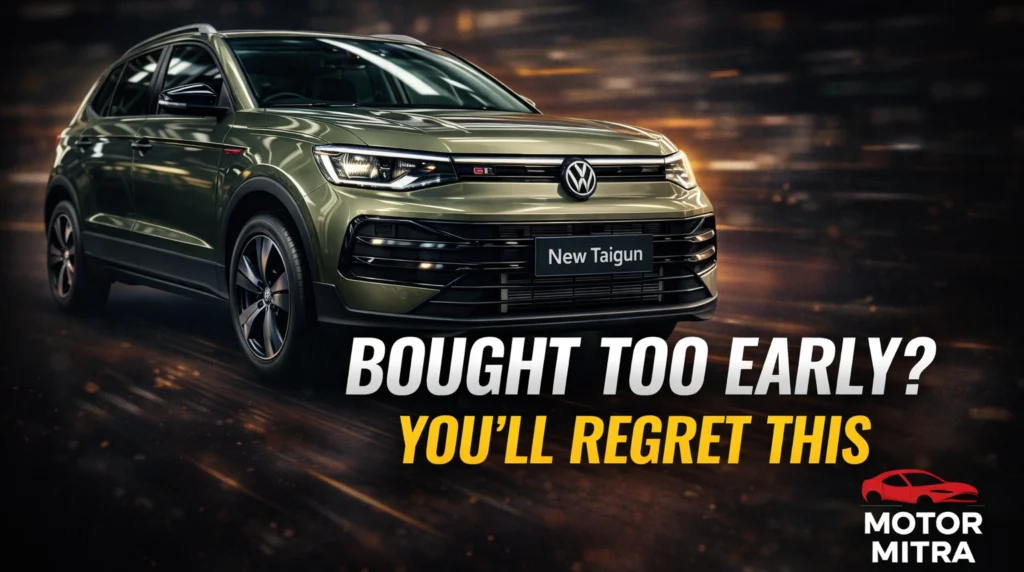
This is Volkswagen trying to fix Taigun’s biggest weakness, the feature gap when compared to rivals. And this is where things start to matter more than most buyers realise, because in this segment, features directly impact resale value, ownership satisfaction, and long-term value.
Creta vs Seltos vs Taigun – The Real Pressure
Let’s be brutally honest here. Hyundai Creta dominates with features and mass appeal, Kia Seltos delivers a premium and tech-loaded experience, while Volkswagen Taigun wins on driving dynamics but falls short on features.
That’s why many buyers enjoy the Taigun during a test drive but hesitate when it comes to final booking. If you’re comparing options, we’ve already broken down Creta vs Taigun and Seltos vs Taigun in detail to help you understand the real differences.
Now imagine a facelift that adds missing features, improves the interior experience, and still keeps the same driving performance. That completely shifts the balance.
And this is where most buyers underestimate the impact. Because this is not about whether Taigun is good or bad, it’s about whether this is the right time to buy it.
Also Read:- Volkswagen Tayron R-Line 7-Seater SUV Launched at ₹46.99 Lakh
Buy Now vs Wait – The Smarter Call
| Choice | Short-Term Benefit | Long-Term Regret |
|---|---|---|
| Buy Now | Discounts, immediate delivery | Outdated model, lower resale |
| Wait for Facelift | Better features, stronger value | Slight price increase |
At this price range, compromise hurts more than waiting, especially when the upgrade is already in motion.
This Is Where Regret Hits Hard
We’ve seen this pattern again and again. A buyer rushes to grab a deal, and within weeks, a new version launches that looks better, feels more premium, and offers the features they actually wanted.
That’s when regret starts building. The old model suddenly feels outdated, resale expectations drop, and the comparison never really stops. Most buyers don’t see this coming because they focus on short-term discounts instead of long-term timing.
Who Should Still Buy Taigun Now
There are still situations where buying the current Taigun makes sense. If you’re getting a heavy discount, need a car urgently, or prioritize driving performance over features, the current model can still be a satisfying choice.
Who Should Definitely Wait
For most buyers, waiting is the smarter decision. If you want the latest features, care about long-term value, want to avoid post-purchase regret, and expect full value for your ₹15 lakh investment, the facelift is worth waiting for.
Because once it arrives, the difference won’t just be visible, it will be impossible to ignore.
The Bigger Impact No One Talks About
This facelift is not just an update, it’s Volkswagen trying to reposition Taigun in a segment dominated by feature-loaded rivals. If executed well, it can increase demand, improve resale value, and finally make Taigun a more complete package.
And that’s exactly why skipping it right now can feel like a mistake later.
Final Verdict – Buy or Wait
You’re not just buying a car, you’re locking your decision for the next 5 to 7 years. If you rush, you might still buy the current Taigun, but if you think smartly, the answer is clear.
Wait.
Because the Volkswagen Taigun Facelift is already in production, and once it launches, the current version will instantly feel outdated. Most buyers will ignore this update today and regret it later.
Choose wrong now, and you’ll be reminded of it every single day you drive.