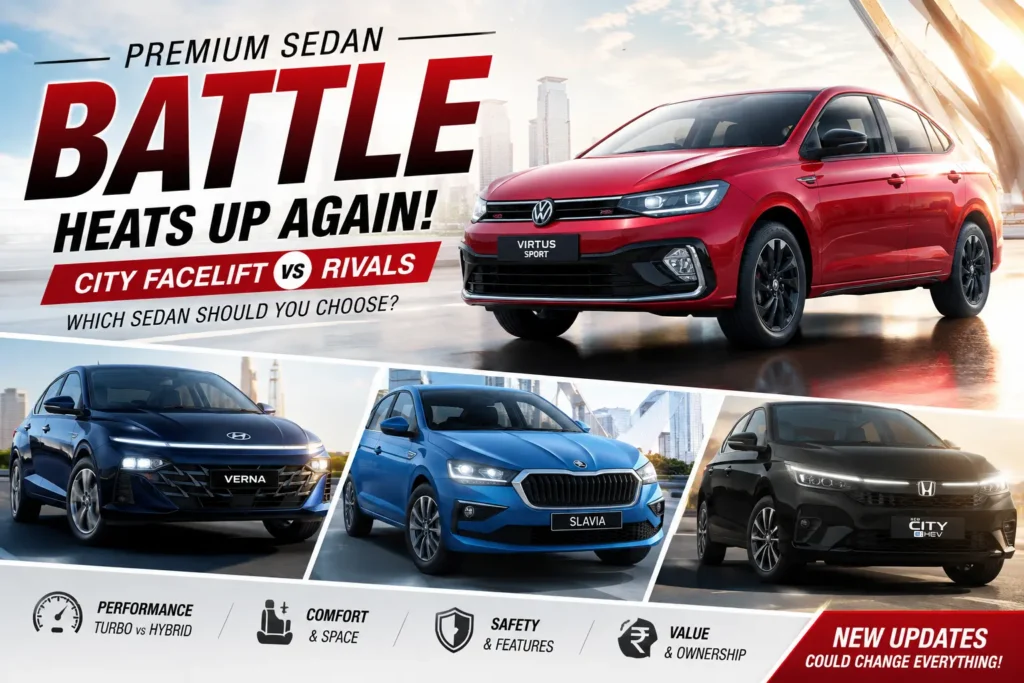
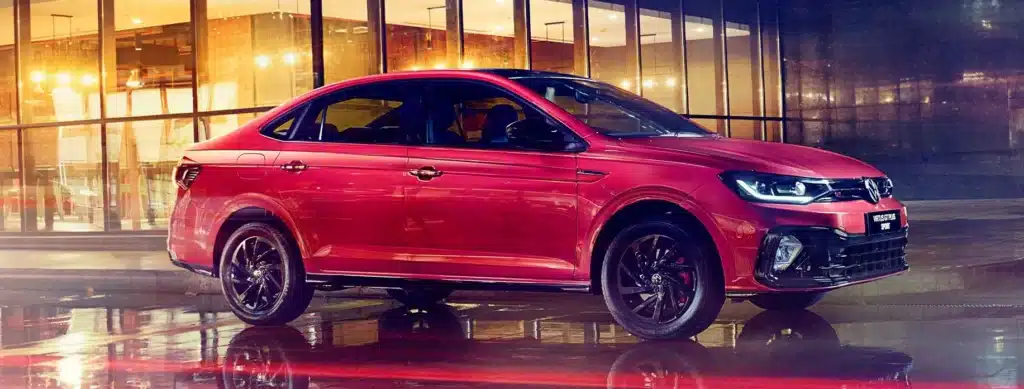
SUVs dominate headlines, but premium sedans have quietly refused to disappear. Buyers who still prioritise highway comfort, refined driving experience, rear-seat practicality and mature styling continue returning to the same shortlist: Honda City facelift, Hyundai Verna, Skoda Slavia and Volkswagen Virtus.
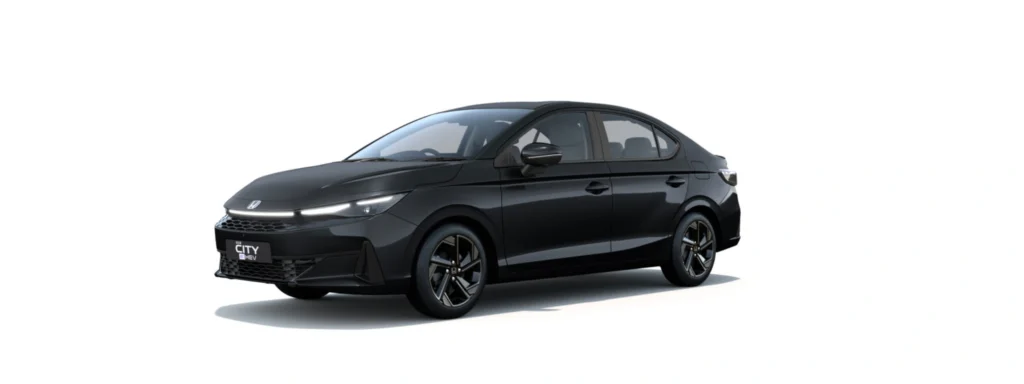
That is exactly why growing attention around the Honda City matters more than it may initially appear. Because this is not simply about refreshed styling or another mid-cycle update. The larger question is whether Honda can strengthen enough areas to make buyers rethink comparisons in a segment where rivals have already raised expectations aggressively.
For someone preparing to spend ₹15–20 lakh on a sedan, even small changes in safety, technology or ownership appeal can influence the final decision. And in premium segments, buyers rarely purchase only a car. More often, they purchase a long-term ownership experience.
Why This Matters
- The Honda City could intensify pressure in a segment already crowded with strong rivals.
- Buyers increasingly compare technology, comfort, safety and ownership value rather than focusing only on price.
- Meaningful updates from Honda could reopen competition among premium sedans at a time many assumed SUVs had already reduced their relevance.
Also Read:- Skoda Kushaq vs Volkswagen Taigun Facelift 2026: Major Differences Explained After The Latest Update
The Premium Sedan Segment Is Quietly Becoming More Competitive Again
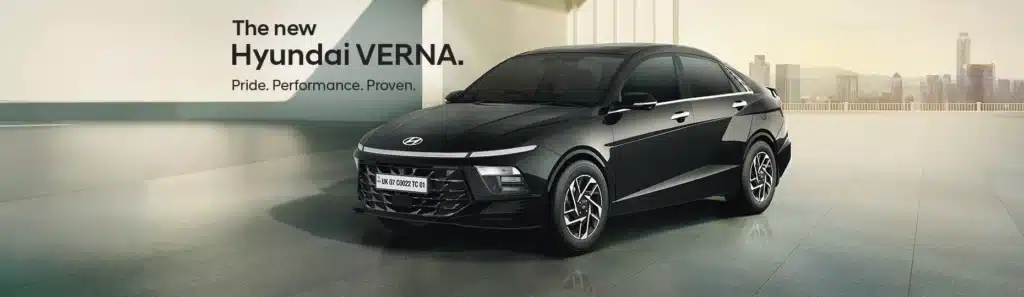
Premium sedans survived because manufacturers adapted. Hyundai Verna leaned heavily into technology and features, while Skoda Slavia and Volkswagen Virtus strengthened performance-oriented appeal. Those strategies helped maintain relevance despite rising SUV demand.
Honda City traditionally attracted buyers looking for refinement, comfort and long-term reliability. That formula worked for years. But today’s market expects more. Buyers increasingly want larger infotainment systems, connected features, advanced safety technology and stronger visual appeal alongside dependable ownership.
That changes expectations from the Honda City because a simple cosmetic update may no longer feel sufficient when competitors continue adding stronger value propositions. The challenge for Honda therefore becomes difficult but clear: improve enough areas to attract new buyers without weakening the comfort and ownership confidence existing City customers already value.
Honda City Facelift vs Rivals: One Comparison Explains Why Expectations Are Rising
| Factor | Honda City Facelift (Expected) | Hyundai Verna | Skoda Slavia | Volkswagen Virtus | Why Buyers Could Care |
|---|---|---|---|---|---|
| Core Identity | Comfort + refinement | Feature-heavy package | Driver-focused appeal | Performance-focused appeal | Defines buyer preference |
| Technology | Expected improvement | Segment-leading | Competitive | Competitive | Younger buyers compare heavily |
| Comfort & Rear Seat | Very strong | Strong | Good | Good | Family users prioritise this |
| Performance Appeal | Balanced | Strong | Enthusiast-focused | Enthusiast-focused | Enthusiasts often lean European |
| Ownership Confidence | Historically high | High | Improving | Improving | Long-term value matters |
| Potential Weakness | May need stronger updates | Styling preference varies | Ownership perception | Ownership perception | Impacts final decision |
| Buyer Type | Balanced users | Feature seekers | Driving enthusiasts | Performance enthusiasts | Segment split remains strong |
The table highlights something important: there is no universally perfect premium sedan anymore. Each option increasingly wins for a different reason, which explains why even moderate improvements in the Honda City Facelift could shift buyer comparisons.
Also Read:- BYD Confirms Hybrid Entry In India: Sealion 6 And Leopard 8 Could Change The Premium SUV Market
This segment is no longer decided only by engine specifications or feature lists. It is increasingly shaped by which manufacturer delivers the most balanced ownership experience.
The Bigger Pressure May Come From Verna, While Slavia And Virtus Continue Pulling Enthusiasts
Among existing rivals, Hyundai Verna arguably creates the strongest pressure because of its feature-rich positioning and technology-heavy appeal. Buyers comparing specifications often notice equipment advantages immediately, especially in segments where perceived value matters heavily.
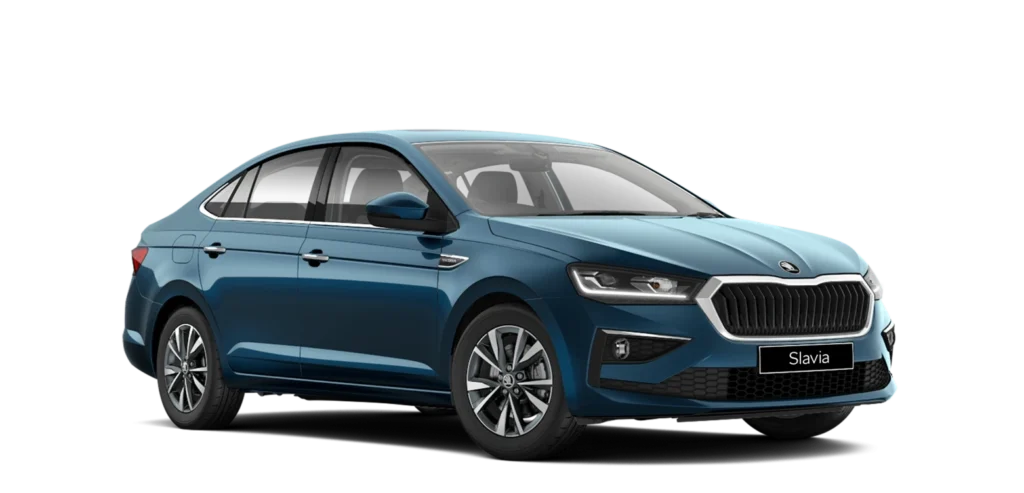
At the same time, Skoda Slavia and Volkswagen Virtus continue attracting customers prioritising driving engagement and performance characteristics. That means Honda is competing against multiple expectations simultaneously rather than challenging one clear rival.
The facelift therefore becomes important because Honda may attempt to narrow gaps in technology while preserving traditional strengths such as comfort, refinement and long-term ownership trust. Achieving all those goals together is difficult, which also explains why curiosity around updates remains unusually high.
Should Buyers Wait Before Finalising A Premium Sedan Purchase?
For buyers needing a sedan immediately, existing options already offer compelling packages across different priorities. Waiting only makes sense if expected updates align closely with personal preferences around technology, safety or styling.
However, consumers already considering the Honda City may benefit from monitoring developments more carefully before making final decisions. Segment updates sometimes appear small initially before gradually changing buyer comparisons over time. That possibility matters because stronger competition rarely benefits manufacturers alone. It usually benefits buyers first.
Buy Or Wait Verdict
The expected Honda City Facelift may not transform the premium sedan market overnight. But if Honda introduces meaningful improvements while preserving comfort and ownership strengths, rivals such as Verna, Slavia and Virtus could face renewed pressure.
The bigger story is not whether one sedan defeats another, but whether premium sedan buyers may soon receive stronger choices in a segment many assumed had already peaked. Because when competition becomes more serious, buyers often gain the most before spending hard-earned money.