
2027 Kia Sonet and the next-generation Hyundai Creta have just triggered a massive technological earthquake across the Indian automotive sector following their first-ever public testing sightings. If you were currently on the verge of finalizing a deal for an aging mid-size crossover or a sub-compact urban commuter, this sudden development demands a total halt on your plans. The real news isn’t about minor cosmetic paint changes or celebratory limited edition variant updates; it is a fundamental structural and mechanical overhaul that both South Korean giants are fast-tracking to dominate the future enthusiast landscape.
For months, the industry was speculating about the production lifecycles of these segment-leading models until heavily camouflaged prototypes were recently identified during high-altitude thermal validation. The mystery surrounding these future machines officially cleared up as verified spy footage confirmed that the 2027 Kia Sonet and Hyundai Creta are being re-engineered on completely fresh, rigid modular platforms simultaneously. This massive commercial realignment ensures that buyers can soon access globally compliant safety architectures and advanced software-defined vehicle ecosystems that make every single current showroom model look obsolete.
Why This Dual-Model Evolution Rewrites The Segment Rules
- The Shared K-Platform Migration: Both manufacturers are abandoning legacy frameworks to adopt the high-tensile K-platform series for vastly superior structural crash-test shielding.
- The Software-Defined Digital Cockpit: This generation introduces the radical Pleos digital architecture, enabling high-speed over-the-air (OTA) tuning for both performance and cabin electronics.
- The Strong-Hybrid Performance Push: Moving beyond basic fuel economy, both models are actively testing a brand-new turbo-petrol hybrid core to maximize real-world highway range.
Also Read:- Upcoming EVs in India 2026–2027: Top Electric Cars and SUVs Launching Soon
The Visual Transformation: Bolder Stance And Expanded Dimensions
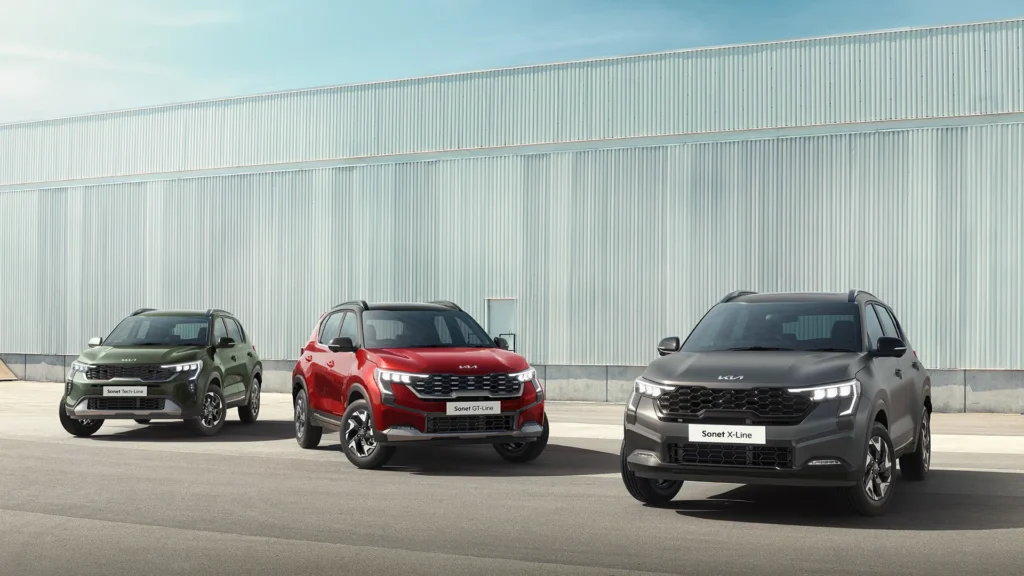
Most car manufacturers follow a predictable path during mid-life updates, adding small chrome garnishes or slightly tweaking bumper lines to create an artificial sense of freshness. The upcoming 2027 Kia Sonet fundamentally breaks this lazy design cycle by adopting an ultra-wide, squared-off front fascia that draws direct inspiration from its larger global siblings. Prototype analysis reveals a massive rectangular intake layout that completely replaces the current tiger-nose setup, bordered beautifully by vertically oriented split-LED projector headlamps and prominent geometric lower bumper elements for a tougher look.
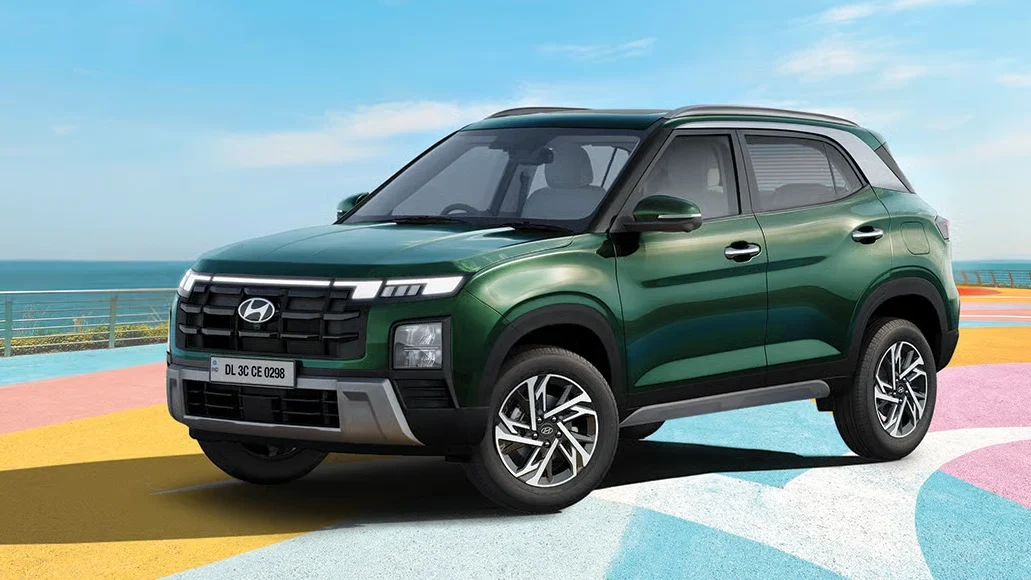
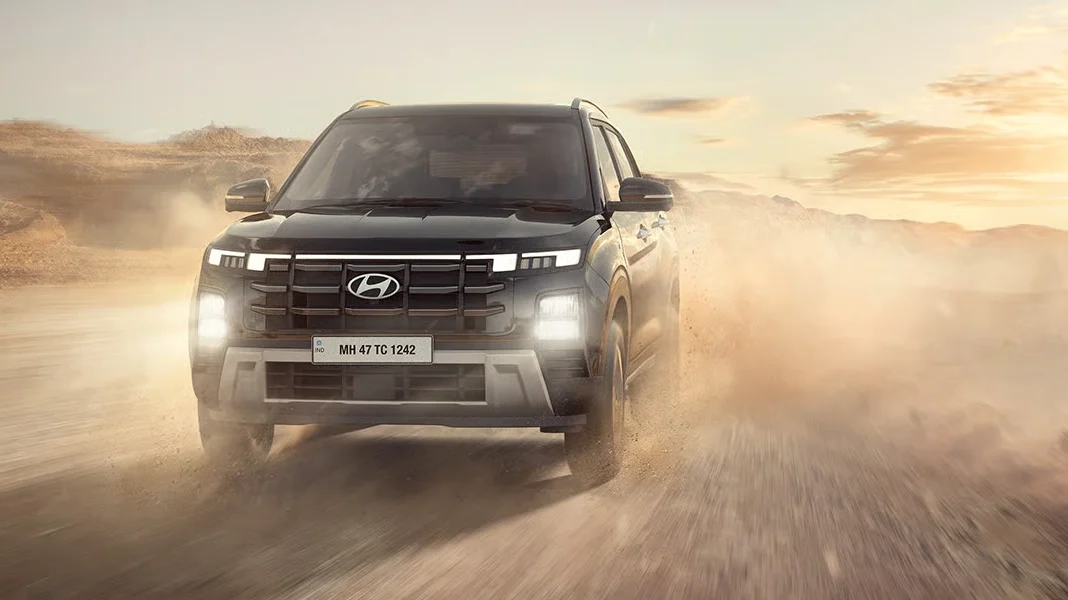
The changes are even more dramatic for the next-generation Hyundai Creta, which has been spotted testing with a significantly longer wheelbase compared to the active second-generation model. The physical blueprint highlights a massive increase in total length, pushing the mid-size platform toward a commanding 4,500 mm profile to maximize rear legroom and cargo flexibility. Up front, it takes direct styling cues from modern flagship designs, deploying eye-brow shaped LED daytime running light bands positioned smoothly above a wide matrix grille and massive new geometric alloy wheel designs.
The Mechanical Dominance Under The Camouflaged Metal
The real engineering shockwave is hiding beneath the heavily camouflaged structural frames, where both brands are prioritizing 5-star safety performance over simple aesthetic gains. By migrating the sub-compact package to the newer, more rigid K-platform, Kia is targeting a definitive high score in the latest Bharat NCAP protocols to match its rivals. Similarly, the larger crossover’s transition to a more advanced modular framework brings a sophisticated multi-link independent rear suspension tracking system, replacing the traditional torsion-beam setup to deliver unprecedented cornering stability and highway poise.
While the existing reliable engine configurations—including the 115 hp naturally aspirated petrol and the 116 hp turbodiesel—will likely continue to serve as accessible entry-level options, the true headline is the incoming electrification strategy. Both manufacturers are field-testing an all-new 1.2-litre turbocharged petrol-hybrid powertrain setup designed to thrive in congested urban environments. This advanced dual-motor platform is specifically calibrated to handle stop-and-go metro commutes on pure electric reserves, dropping monthly fuel expenses to a fraction of what current petrol or diesel owners pay.
Core Technical Blueprint: Next-Gen South Korean SUV Upgrades
| Feature Attribute | Next-Generation 2027 Kia Sonet | Next-Generation Hyundai Creta | Current-Gen Segment Default |
| Platform Underpinning | Advanced High-Tensile K-Platform | Next-Gen K3 Modular Framework | Legacy K2 / Older Frameworks |
| Infotainment Ecosystem | Freestanding Pleos Digital Console | Integrated Pleos Connect Interface | Standard 10.25-inch Wired Setups |
| Suspension Configuration | Telescopic Forks with Gas Shocks | Independent Multi-Link Rear Array | Standard Rear Torsion Beam Setup |
| Electronic Assistant | Upgraded Level-2 Camera ADAS | Advanced Level-2 Radar ADAS Suite | Basic Level-1 or Zero Autonomous Kits |
| New Drivetrain Addition | 1.2L Turbo-Petrol Strong-Hybrid | 1.5L Petrol-Hybrid Integration | Standard Pure ICE Configurations |
| Expected Market Debut | Early 2027 Production Window | Mid-2027 Commercial Launch | Active Showroom Stock (Aging) |
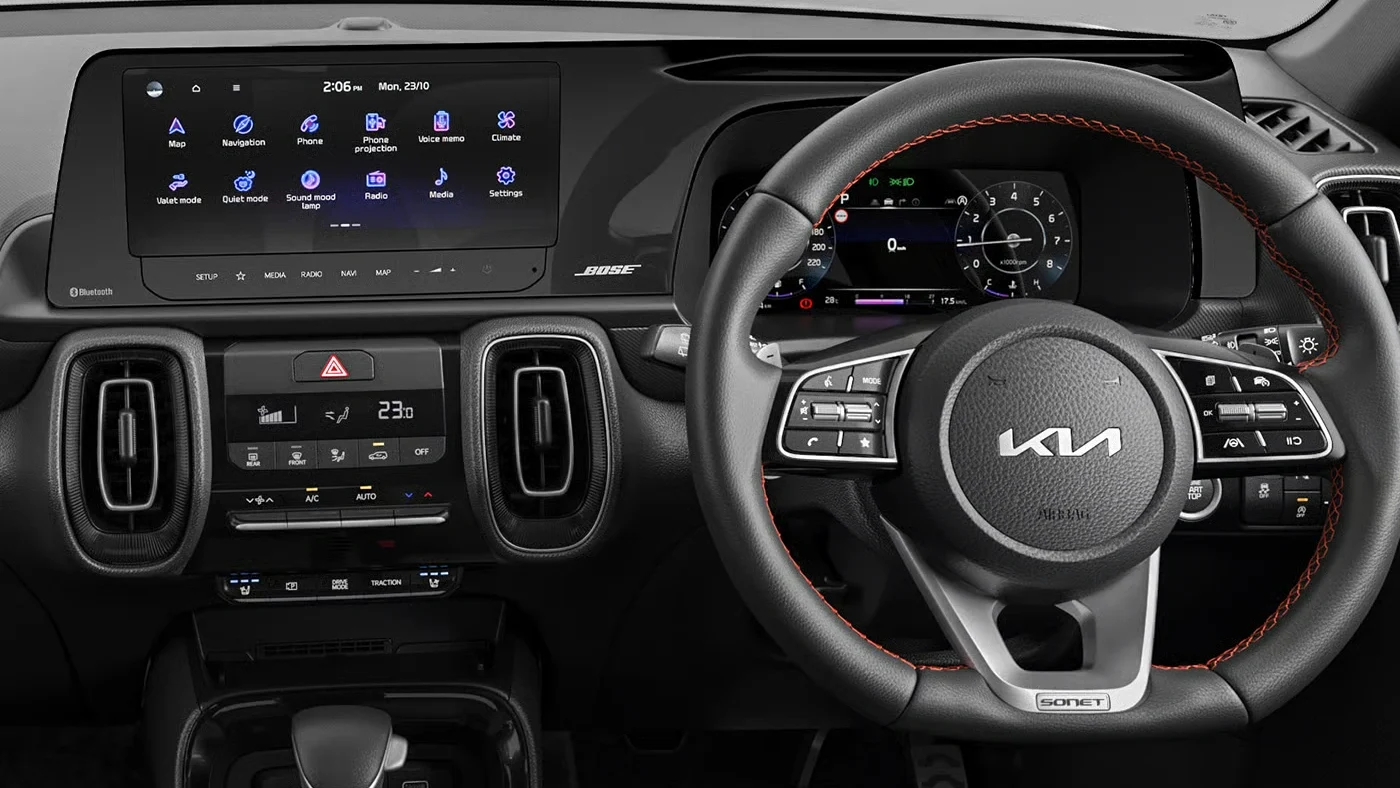
Step inside the cabin space of the new prototypes, and you are instantly greeted by an ultra-clean, minimalist dashboard layout that places vehicle control into an advanced digital ecosystem. The centerpiece is the Android-based Pleos Connect infotainment display, featuring a built-in AI voice assistant designed to manage complex cabin climate and vehicle health commands natively. The driver instrument binnacle has been flattened into a super-slim screen array, complemented beautifully by a stalk-mounted shift-by-wire drive selector that clears up precious storage real estate along the central tunnel.
Also Read:- Don’t Ignore This XUV7XO Yet: Mahindra’s Most Affordable Variant Is Finally Reaching Buyers
Real-World Strategic Shift
This synchronized testing push is going to cause immense friction for dealership groups currently holding massive inventories of the existing pre-facelift models. To maintain consistent footfalls before the formal production rollout, manufacturers have already started rolling out attractive retail benefits and cash discounts on current stock. However, smart automotive buyers are quickly recognizing that spending full premium capital on a platform using older structural crash structures is a bad long-term investment.
The sudden appearance of these enlarged platform dimensions creates an immediate holding pattern across the entire mid-size market. When a buyer realizes that waiting unlocks a significantly longer wheelbase, zero-gravity seating technology, and built-in wireless smartphone connectivity without needing extra hardware, the urge to purchase current models disappears. This forces competing brands to prematurely adjust their feature pricing lists or face a rapid migration of tech-focused consumers who refuse to compromise on software longevity.
Buy Or Wait?
The definitive verdict is to absolutely freeze your compact and mid-size SUV plans and wait for these platforms to mature. Rushing into a showroom right now to pick up an aging architecture simply means trapping yourself with higher fuel expenses, inferior crash-test shielding, and an older generation of connected-car software that lacks deep OTA update capabilities. Holding your hard-earned capital safely in your bank account for the next few quarters will ensure you transition into a future-proof, software-defined machine that protects its resale evaluation for years to come.
Who Should Wait:
- Tech-focused consumers who demand cutting-edge software interfaces like the Pleos Connect system, built-in AI assistants, and true wireless screen integration.
- Safety-conscious family buyers who want to secure the absolute highest structural crash protection scores validated by the latest national testing protocols.
- Long-distance daily commuters looking to completely slash monthly fuel bills by capturing the highly anticipated strong-hybrid petrol powertrains.
Who Can Bypass:
- Immediate-need commuters who require a dependable personal vehicle on their driveway this week and cannot afford to wait out long development timelines.
- Value-driven fleet operators who are actively seeking to capitalize on the massive liquidation discounts currently being offered on outgoing showroom models.
The real story starts here: both manufacturers are no longer content running basic cosmetic updates to keep their sales leads intact. They are completely weaponizing their manufacturing lines to bring premium multi-link handling, automated AI convenience, and next-generation hybrid efficiency down into the mainstream market space. If you value monumental structural rigidity, long-term software support, and cutting-edge engine versatility on a realistic budget, stop looking at current inventory lists. Keep your checkbook firmly closed—this double-barreled automotive upgrade promises to be well worth the wait.