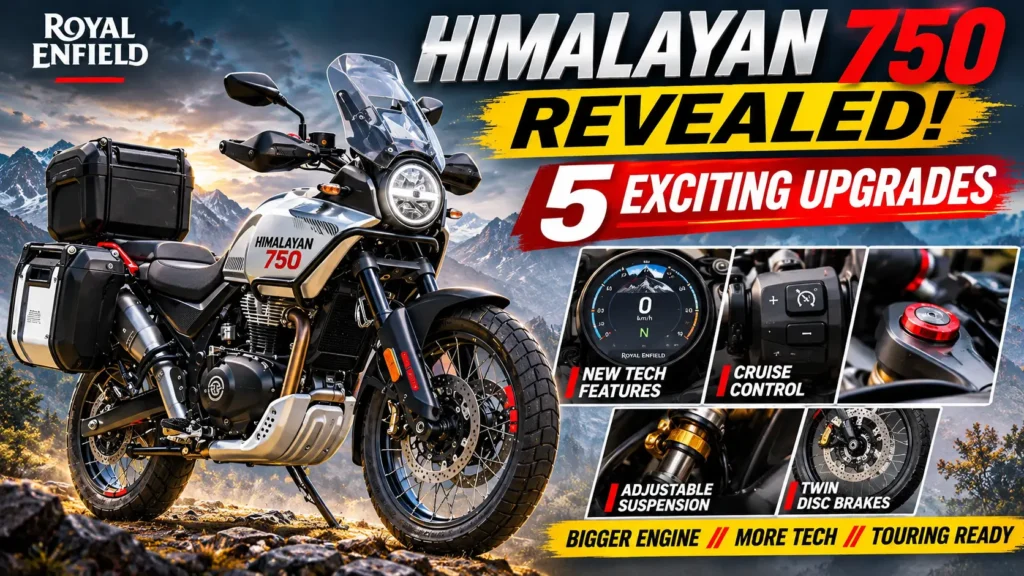
For years, the Himalayan has been the motorcycle riders turned to when the plan involved getting away from crowded roads and exploring somewhere different. The Himalayan 450 took that idea further with a more capable engine and modern equipment. Now, Royal Enfield is preparing to take things up another level with the Himalayan 750.
Revealed ahead of its global appearance at EICMA 2026 in Milan, the new motorcycle brings a larger engine platform, additional electronic features and a noticeably different hardware setup. It will sit above the Himalayan 450, giving riders another option if they want more performance for long highway journeys without stepping into a much more expensive premium adventure motorcycle category.
What makes the Himalayan 750 interesting is not just the bigger engine. Royal Enfield seems to have paid attention to the things that matter when a motorcycle is used for actual touring: comfortable highway cruising, useful rider assistance, stronger braking hardware and practical wheel options. Here are five changes that could make this motorcycle a particularly interesting addition to the Himalayan family.
1. A New 750cc Parallel-Twin Engine Changes the Game
The biggest change is under the fuel tank. For the first time, the Himalayan name is moving to a 750cc-class engine, leaving behind the single-cylinder layout used by the Himalayan 411 and Himalayan 450. The new motorcycle is expected to use a parallel-twin configuration, making it a significant development for Royal Enfield’s adventure range.
Royal Enfield has confirmed the new 750cc engine category, but its exact displacement and final performance figures have not yet been officially disclosed in the latest available reports. Earlier estimates suggest that the motor could produce approximately 55–60 bhp and around 65 Nm of torque. These figures remain unconfirmed and should not be treated as final production specifications.
Also Read:- Updated KTM 200 Duke Launched in India at Rs. 2.07 Lakh: Features and Specs
For someone who regularly rides on highways, the appeal is fairly straightforward. More engine capacity should give the Himalayan 750 greater performance potential when overtaking trucks, climbing long inclines or travelling with a passenger and luggage. It could also make sustained highway cruising feel less demanding than it might on a smaller single-cylinder motorcycle.
A six-speed gearbox has also been reported, although its final transmission specifications need confirmation. More importantly, riders will want to know how smoothly the engine delivers its power at everyday speeds. A bigger engine looks good on paper, but refinement, usable torque and fuel efficiency will ultimately decide how enjoyable it is to live with.
2. Cruise Control, Traction Control and TPMS Make Touring Easier
Long-distance riding is not always about finding the fastest route or reaching the destination quickly. Sometimes, it is the small things that make a journey easier. This is where the Himalayan 750’s technology package could make a noticeable difference.
The motorcycle has been showcased with cruise control, traction control and a tyre pressure monitoring system (TPMS). Cruise control, in particular, should appeal to riders who regularly spend hours on open highways. Being able to maintain a selected speed without constantly holding the throttle can make longer stretches more comfortable.
Traction control is another useful addition, especially when road conditions change unexpectedly. Loose gravel, wet patches and slippery surfaces can catch even experienced riders off guard. The system is designed to help manage rear-wheel slip when traction becomes limited, although it does not replace careful throttle control.
TPMS is perhaps one of the more practical features for touring. Tyre pressure can change with temperature, load and riding conditions, and checking it becomes particularly important before a long trip. Having a monitoring system on the motorcycle makes it easier to keep an eye on tyre pressure instead of discovering a problem midway through a journey.
These features give the Himalayan 750 a more modern touring character. The final variant-wise equipment distribution will be important, though, as Royal Enfield is yet to clarify which features will be available across the entire range.
3. Adjustable Suspension and Twin Front Discs Bring Useful Hardware Changes
Look beyond the engine and the Himalayan 750 starts to reveal another important difference. Its hardware suggests that Royal Enfield wants this motorcycle to be more comfortable on highways while retaining the versatility expected from an adventure tourer.
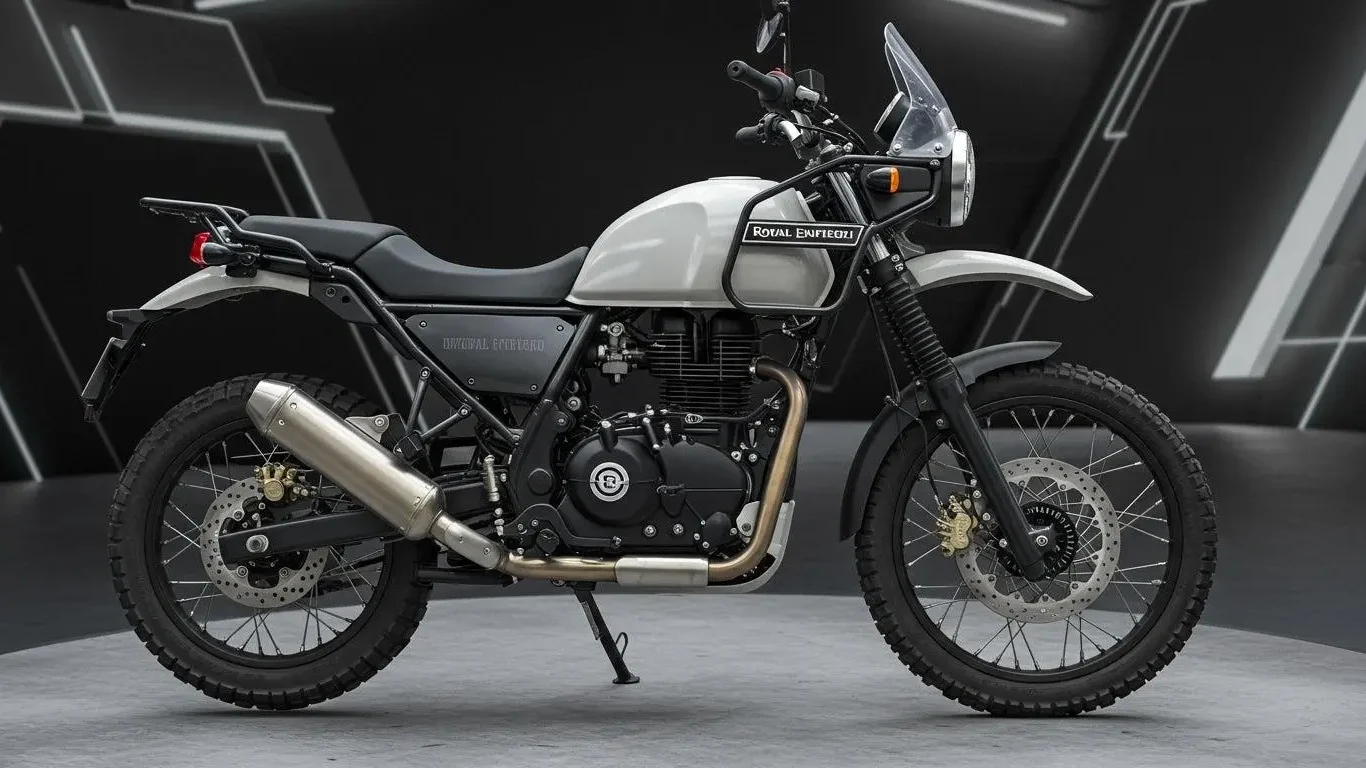
The motorcycle has been showcased with upside-down front forks and a rear monoshock. Adjustable suspension is also part of the reported equipment package, which could be useful when the motorcycle is carrying different loads. A solo weekend ride and a fully loaded touring trip put very different demands on suspension, so adjustability can be a worthwhile advantage.
The braking setup has also moved up a level, with twin front disc brakes replacing the single front disc arrangement seen on the Himalayan 450. This should provide a more substantial braking package for a larger motorcycle, although its actual performance will depend on the final components and calibration.
For riders who regularly travel with luggage or a pillion, these hardware changes could make the motorcycle more suitable for varied riding conditions. However, the final suspension tuning and real-world braking performance will matter more than the specification sheet alone.
4. A New 19-Inch Front Wheel Setup Gives It a Different Riding Character
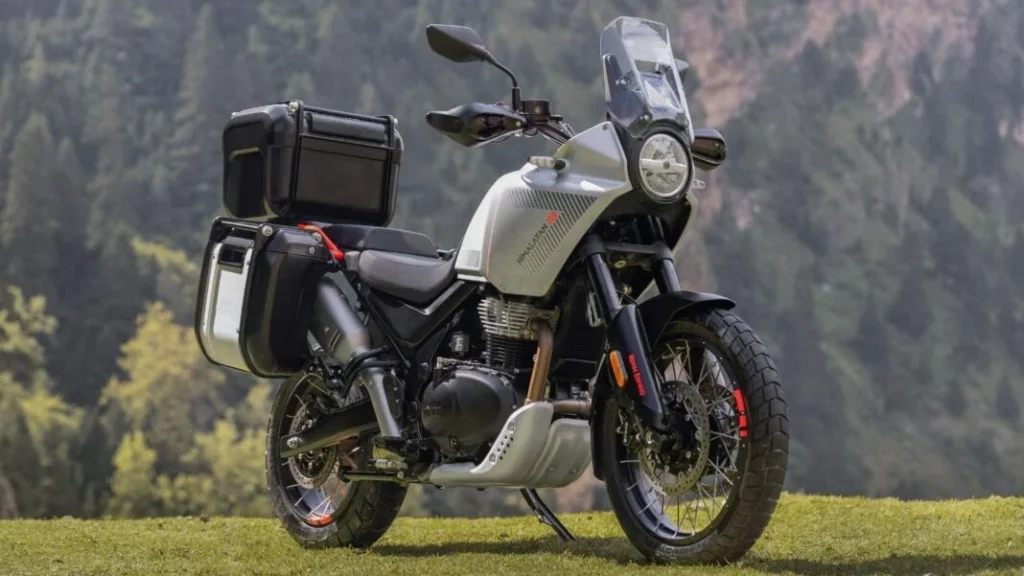
One of the more interesting changes is the Himalayan 750’s wheel configuration. The motorcycle has been shown with a 19-inch front and 17-inch rear combination, compared with the Himalayan 450’s 21-inch front wheel.
This suggests that Royal Enfield is moving towards a more road-focused adventure-touring setup. A smaller front wheel can contribute to more responsive steering on tarmac, although the actual handling will depend on the motorcycle’s geometry, tyres, suspension and overall weight.
The good news for buyers is that Royal Enfield has showcased two wheel options. Some versions feature alloy wheels, while others get tubeless-compatible cross-spoke wheels. This gives the motorcycle a different appeal depending on how its owner intends to use it.
Riders who spend most of their time on highways may prefer the alloy-wheel versions, while those who want the traditional adventure-bike appearance may be more interested in the cross-spoke setup. Neither option automatically makes the motorcycle better for every surface; tyre choice and the overall chassis setup will play an equally important role.
The 19/17-inch combination also makes the Himalayan 750 different from the more off-road-oriented character associated with the Himalayan 450. Buyers who frequently tackle technical trails should consider this distinction before choosing between the two.
Also Read:- Benelli TRK 552 & TRK 552X Launched in India – Prices, Features, Specifications & Key Differences
5. Five Colours and Touring Accessories Give It More Personality
The Himalayan 750 does not abandon the familiar adventure-bike styling that made the original motorcycle recognisable. It still has the upright stance, tall windscreen and purposeful bodywork, but the larger engine and revised proportions give it a more substantial appearance.
The fuel tank and front section look more muscular, while the side profile makes the twin-cylinder engine an important part of the design. It is a motorcycle that appears to have been developed for covering serious distances rather than simply looking adventurous in a showroom.
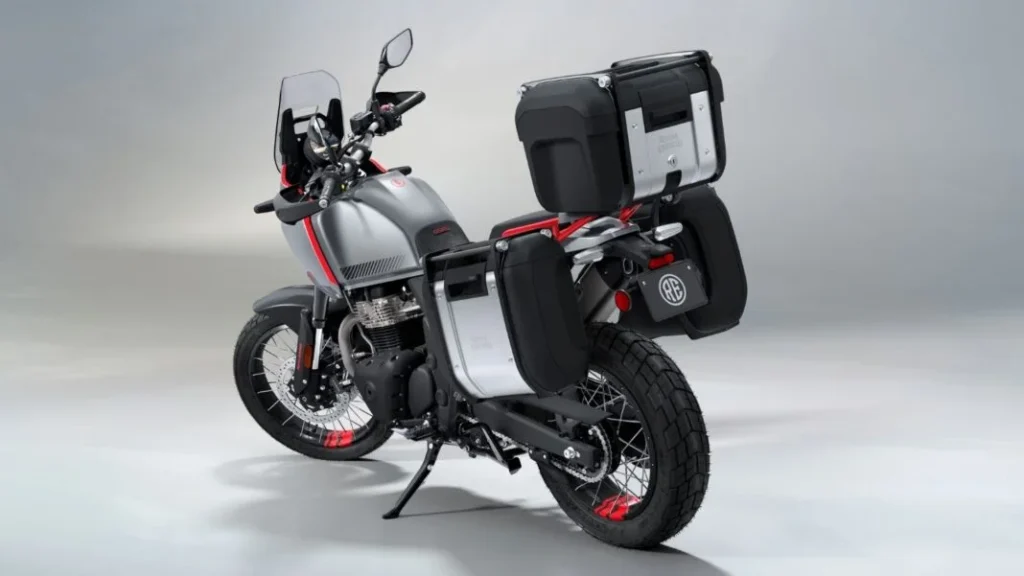
Royal Enfield has showcased five colours: Antarctic Silver, Siberia White, Viking Bronze, Tectonic Black and Aztec Green. There is a decent mix here, with lighter shades offering a more understated appearance and the darker options giving the motorcycle a tougher personality.
The wheel choices also differ across the showcased colours. Antarctic Silver, Siberia White and Viking Bronze feature tubeless-compatible cross-spoke wheels, while Tectonic Black and Aztec Green are shown with alloy wheels. The Antarctic Silver version has also been displayed with additional touring accessories.
These details matter because buyers in this category often have different priorities. Some prefer the traditional adventure-bike appearance of spoke wheels, while others would rather have alloy wheels for their everyday highway use. The final variant details will reveal how Royal Enfield plans to offer these combinations.
India Launch and Expected Price: What Buyers Should Know
Pricing could make or break the Himalayan 750’s appeal. Current industry estimates place its expected ex-showroom price somewhere around ₹4.50 lakh to ₹5 lakh. Royal Enfield has not officially announced the final price, so this figure should be treated as an estimate rather than a confirmed amount.
The motorcycle is making its global appearance around EICMA 2026 in Milan, with further technical details expected to emerge during the event. Its India launch is anticipated towards the end of November at Royal Enfield’s Motoverse event in Goa, although the final launch date and customer delivery schedule are still awaited.
If Royal Enfield manages to keep the price within the expected range, the Himalayan 750 could attract riders looking to move beyond the smaller adventure motorcycle segment. However, buyers should also consider the motorcycle’s final equipment, running costs and maintenance requirements before making a decision.
Should You Wait for the Royal Enfield Himalayan 750?
The Himalayan 750 has several reasons to attract attention, particularly if you have always wanted more performance from the Himalayan platform. A larger parallel-twin engine, cruise control, traction control, TPMS and revised wheel hardware give it a different identity from the Himalayan 450.
But specifications alone will not decide whether it is a genuinely good motorcycle. Its weight, engine refinement, fuel efficiency and comfort over several hours in the saddle will matter far more once independent road tests begin.
For existing Himalayan owners who regularly travel long distances, the new model could be an interesting upgrade. Riders who mainly explore technical off-road trails or prefer a lighter motorcycle may find the Himalayan 450 more suitable.
Royal Enfield has created plenty of interest with this new motorcycle. The real test will begin when it reaches Indian roads and riders get the chance to see how much of its promise translates into everyday riding.