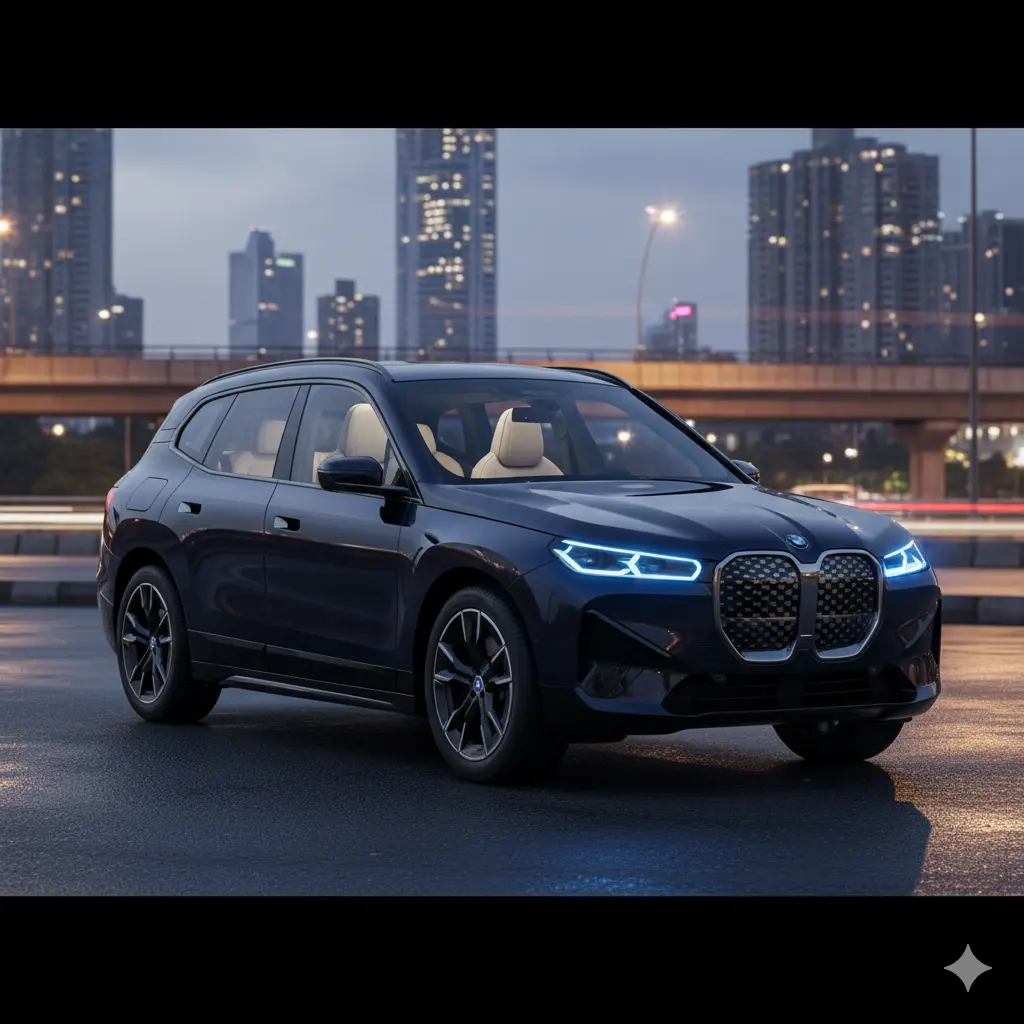
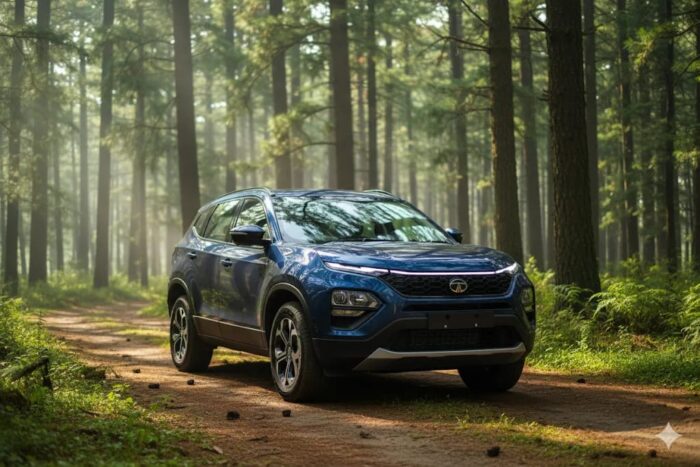
Upcoming EVs in India 2026-27 : are about to bring a massive change once again in the automobile industry. The Automobile industry has taken another turn driving us into the new gen EVs again. India’s electric vehicle market is entering a new phase of growth. After the success of affordable EVs like the Tata Nexon EV, MG Windsor EV, and Mahindra’s born-electric lineup, automakers are now preparing a wave of premium electric SUVs and crossovers aimed at mainstream buyers as well as enthusiasts.
From the iconic Tata Sierra EV to Maruti Suzuki‘s first mass-market electric SUV, the next two years could reshape India’s automotive landscape. Here’s a detailed look at five of the most anticipated electric vehicles expected to launch in India during 2026–2027.
1. Tata Sierra EV
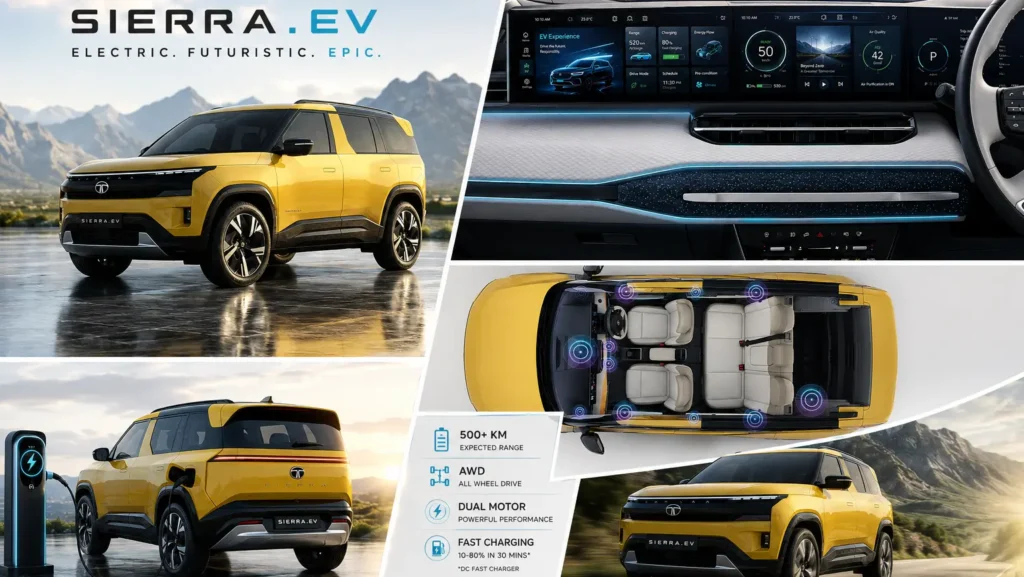
For Indian SUV enthusiasts, the “Sierra” nameplate carries immense nostalgic weight. First introduced in the early 1990s as a bold three-door lifestyle garage icon, Tata Motors is officially resurrecting the moniker as a premium lifestyle electric SUV. Slotting cleanly between the Curvv EV and the flagship Harrier EV, the production-spec Sierra EV maintains a remarkably faithful stance to the concept cars that stole the show at recent auto expos.
The Breakdown
Expected Launch: Official unveil on June 30, 2026, with sales starting shortly after.
Expected Price: ₹20–25 lakh (ex-showroom).
Under the Skin: It utilizes Tata’s dedicated acti.ev architecture, which is heavily optimized for cabin space and high-floor battery packaging.
Design & Tech Highlights
The exterior design is a brilliant exercise in modern retro-styling. It retains the signature silhouette of the original Sierra, complete with a distinctive upright stance and a reimagined, wrap-around Alpine-style rear glass effect.
Inside, it steps firmly into the premium tier. The cabin is highlighted by a triple-screen layout across the dash, including a massive 12.3-inch central touchscreen and a separate front-passenger display.
Performance & Range
Battery Pack: Expected sizes between 55 kWh and 65 kWh.
Claimed Range: Up to 550 km on a single charge.
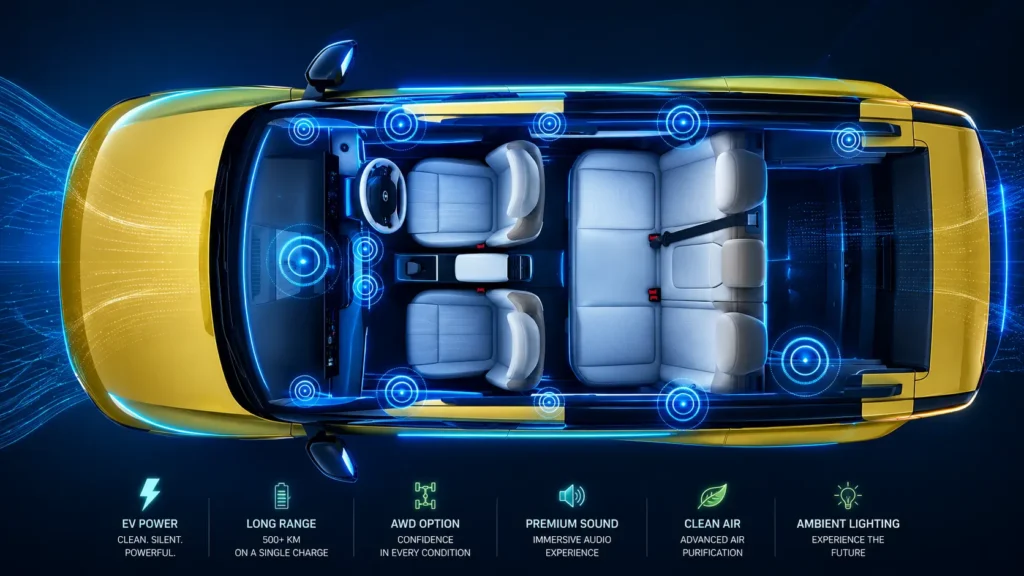
Drivetrain Flexibility: Both standard Rear-Wheel Drive (RWD) and high-spec All-Wheel Drive (AWD) dual-motor configurations are planned.
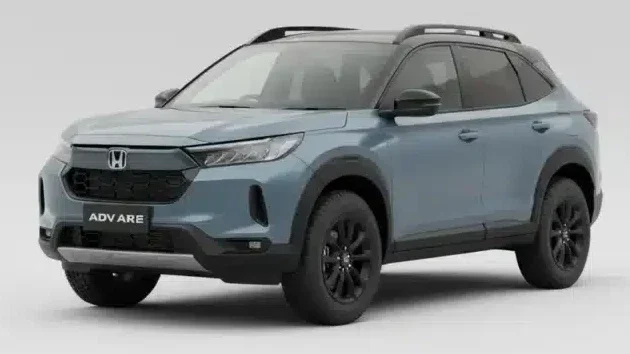
Honda is entering the mid-size electric SUV space by developing an all-electric version of its highly practical Elevate SUV. This project forms a core element of Honda’s emerging market strategy, aiming to provide a seamless, reliable transition for buyers switching over from traditional gasoline-powered cars.
The Breakdown
Expected Launch: Late 2026 to early 2027.
Expected Price: ₹20–28 lakh (ex-showroom).
Under the Skin: An adapted, heavily modified version of Honda’s global small car platform, re-engineered to house a floor-mounted battery pack without sacrificing interior cabin space.
Design & Tech Highlights
True to Honda’s design philosophy, the Elevate EV retains a classic, upright, and boxy SUV stance that translates into exceptional headroom and class-leading visibility. The interior will feature a clean, user-friendly dashboard layout utilizing physical controls for vital functions alongside a crisp infotainment system. It will also debut the latest generation of the Honda Sensing ADAS safety suite.
Performance & Range
Battery Pack: Expected to carry a capacity around 50–60 kWh.
Claimed Range: Targeting a realistic 450 km to 500 km on a single charge.
Focus: Smooth power delivery, comfortable low-speed ride quality, and maximum regenerative braking efficiency.
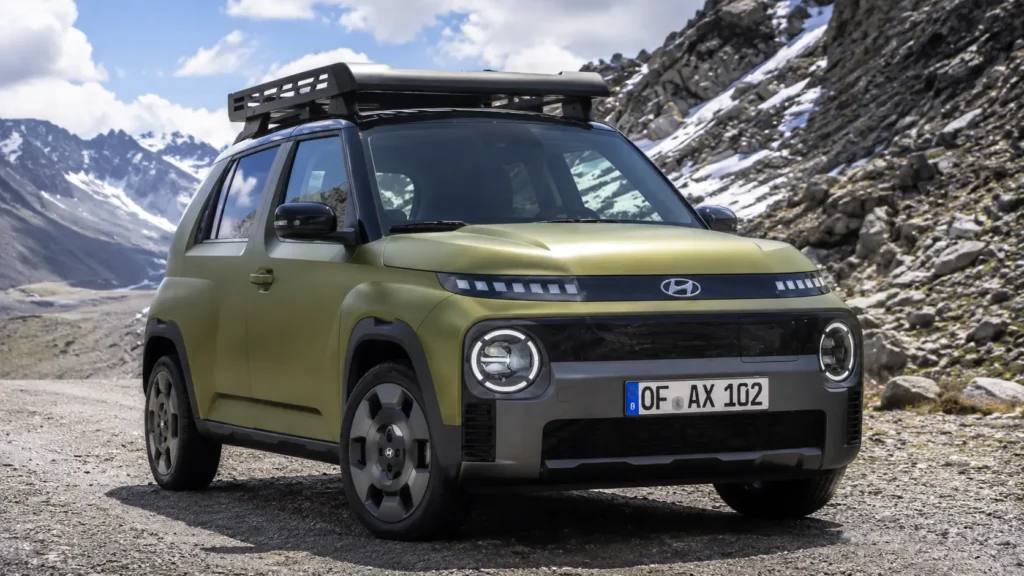
3. Hyundai Inster EV: The Premium Tech-Loaded Micro-SUV
The mass-market EV segment in India has a new battleground: the micro-SUV class. With the Punch EV commanding a massive chunk of this pie, Hyundai is stepping into the ring with the Inster EV. Moving far away from standard, budget-grade conversions, the Inster is an unapologetic tall-boy design packed to the brim with styling cues pulled straight from the premium Ioniq 5.
The Breakdown
Expected Launch: Late 2026.
Expected Price: ₹12–15 lakh (ex-showroom).
Under the Skin: A heavily localized and reinforced adaptation of Hyundai’s global small-car platform, optimized explicitly for urban handling.
Design & Tech Highlights
The Inster stands out immediately with its chunky, boxy wheel arches, retro-futuristic pixel-inspired LED lighting signatures, and functional roof rails that give it genuine SUV character.
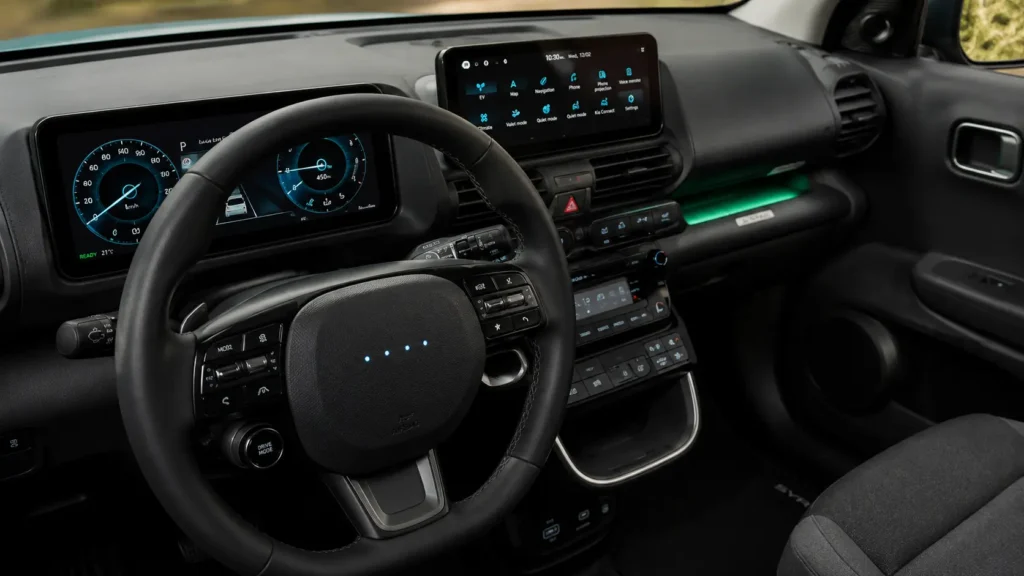
Inside, Hyundai has thrown the entire kitchen sink at the feature list. It features a completely digitized front cockpit running dual 10.25-inch screens — one for driver instrumentation and one for infotainment. It also breaks the budget-segment mold by packaging high-end amenities like a 360-degree camera with a blind-spot monitor, a single-pane sunroof, and a level-2 Advanced Driver Assistance Systems (ADAS) package including adaptive cruise control and auto emergency braking.
Performance & Range
Hyundai offers two distinct battery setups to match varying commuter demands:
42 kWh Standard Range: Pushes out 97 PS of power and a WLTP-rated range of just over 300 km.
49 kWh Long Range: Ups the power output to 115 PS while bumping the driving range to a claimed 355 km on a single charge.
Charging: Both configurations support 120 kW DC fast charging, capable of juicing the battery from 10% to 80% in approximately 30 minutes.
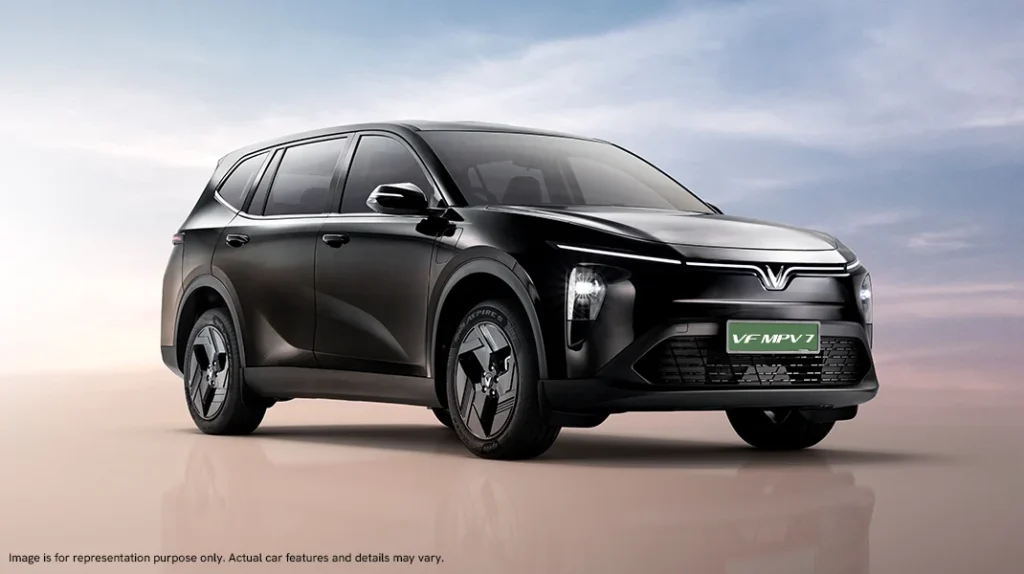
4. VinFast VF MPV 7: The Disruptive Three-Row Family Cruiser
While everyone else is rushing to launch 5-seater SUVs, Vietnamese EV specialist VinFast has targeted a major white space in the Indian market: the practical, multi-generational family cruiser. The newly launched VF MPV 7 is a premium, three-row all-electric vehicle assembled locally at VinFast’s industrial facility in Thoothukudi, Tamil Nadu. It offers large Indian families a spacious, refined, zero-emission alternative to conventional, fossil-fuel-powered MPVs.
The Breakdown
Launch Status: Officially launched, with bookings active across India.
Price Structure: Starts at ₹24.49 lakh (ex-showroom).
Under the Skin: Built on a long-wheelbase platform configured specifically to solve the biggest issue in family haulers: third-row legroom.
Design & Tech Highlights
The VF MPV 7 blends the aerodynamic nose of a crossover with the high-roof profile of a traditional van. It boasts a substantial 2,840 mm wheelbase, allowing for a theatre-style seating layout that ensures even adults can travel in the third row comfortably. Fold the rear rows flat, and cargo volume expands up to a class-leading 1,240 liters.
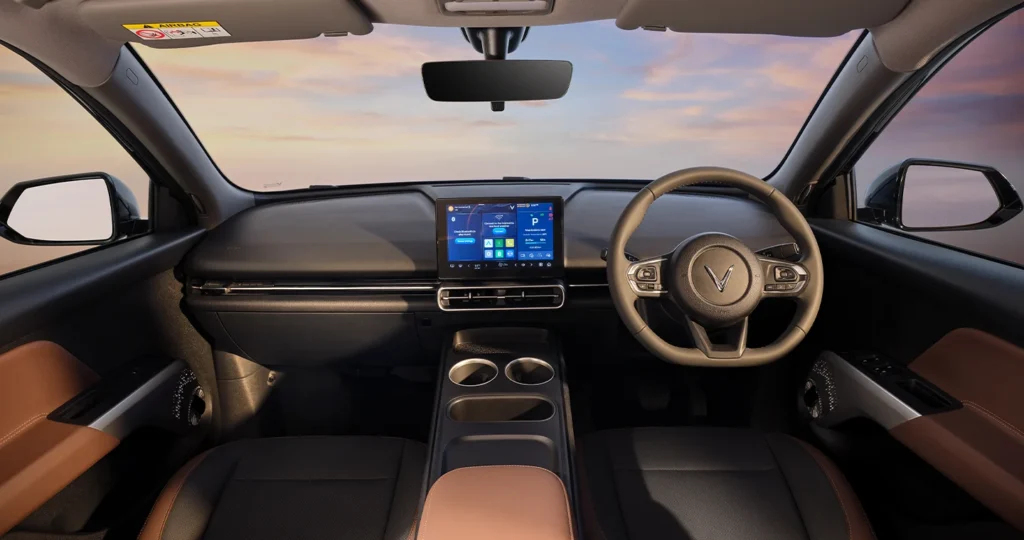
The tech space is clean and minimalistic, anchored by a free-standing 10.1-inch central touchscreen running custom connected-car technology and a unique “Camp Mode” that keeps the HVAC and infotainment active without draining the auxiliary battery. Comfort features include dedicated third-row AC vents with independent controls and an electronic parking brake with Auto Hold.
Performance & Range Blueprint
Battery Pack: Houses a highly robust 60.13 kWh Lithium-Iron-Phosphate (LFP) battery core. A certified ARAI range of 517 km on a single charge.
Powertrain: A single, front-mounted electric motor putting down 201 bhp (150 kW) and 280 Nm of torque, pushing this large family vehicle from 0 to 100 km/h in less than 9 seconds.
Drive Modes & Regen: Features four distinct variable regenerative braking levels (Off, Low, Medium, High) alongside Eco, Normal, and Sport driving profiles.
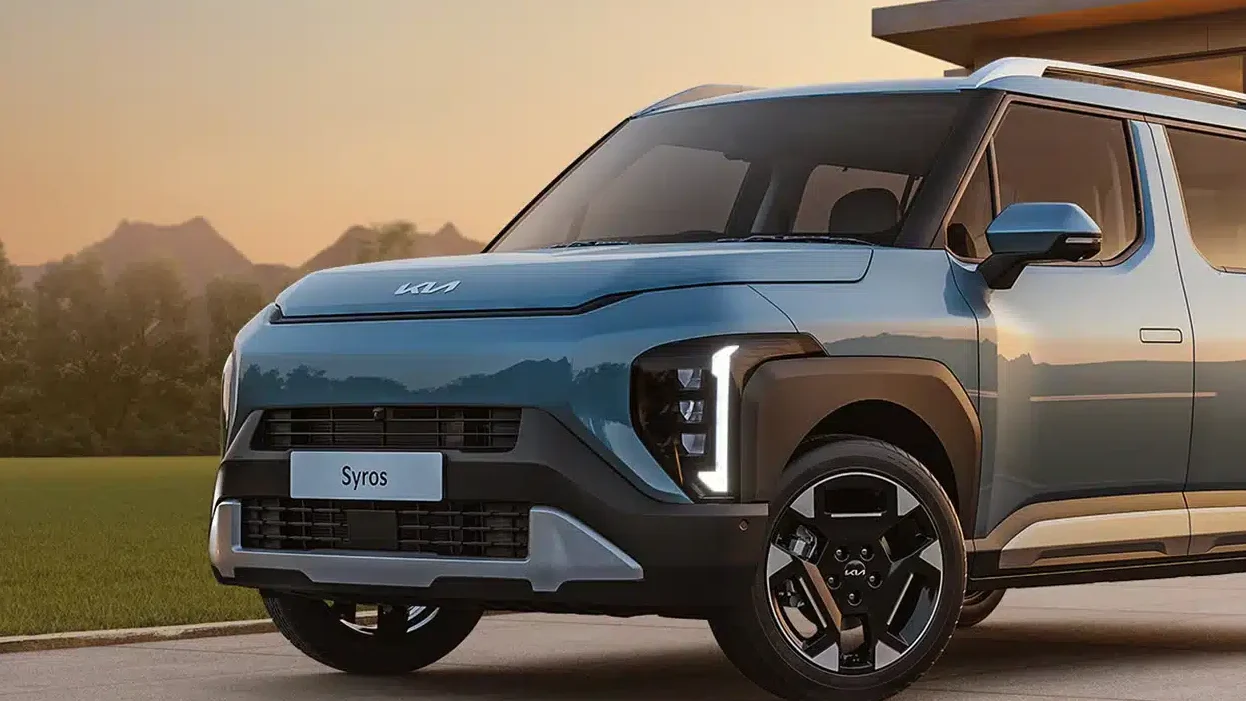
Kia is bringing premium global EV architecture into the mass-market sub-4-meter segment. Placed right between the Sonet and Seltos, the Syros EV is a direct challenge to the segment-leading Tata Nexon EV.
The Background
Timeline: Global debut in July 2026, with an official market launch in August 2026.
Expected Price: ₹14–20 lakh (ex-showroom).
Platform: Built on a highly localized adaptation of the Inster-derived K1 front-wheel-drive platform.
Design & Tech Highlights
The Syros EV preserves the distinct, upright tall-boy look of its ICE counterpart while boosting efficiency through EV-centric design changes. It receives a completely blanked-off front face with integrated Star Map LED DRLs, a fender-mounted charging door, aero-optimized 17-inch alloy wheels, and revised front and rear bumpers.
The cabin jumps straight into luxury territory with a massive 30-inch panoramic dashboard module combining twin 12.3-inch displays. Unlike its fuel-powered sibling, which recently saw feature cuts to adjust prices, the EV version loaded up on premium technology:
Amenities: Front and rear ventilated seats, a massive panoramic sunroof, and full Vehicle-to-Load (V2L) / Vehicle-to-Vehicle (V2V) bidirectional charging.
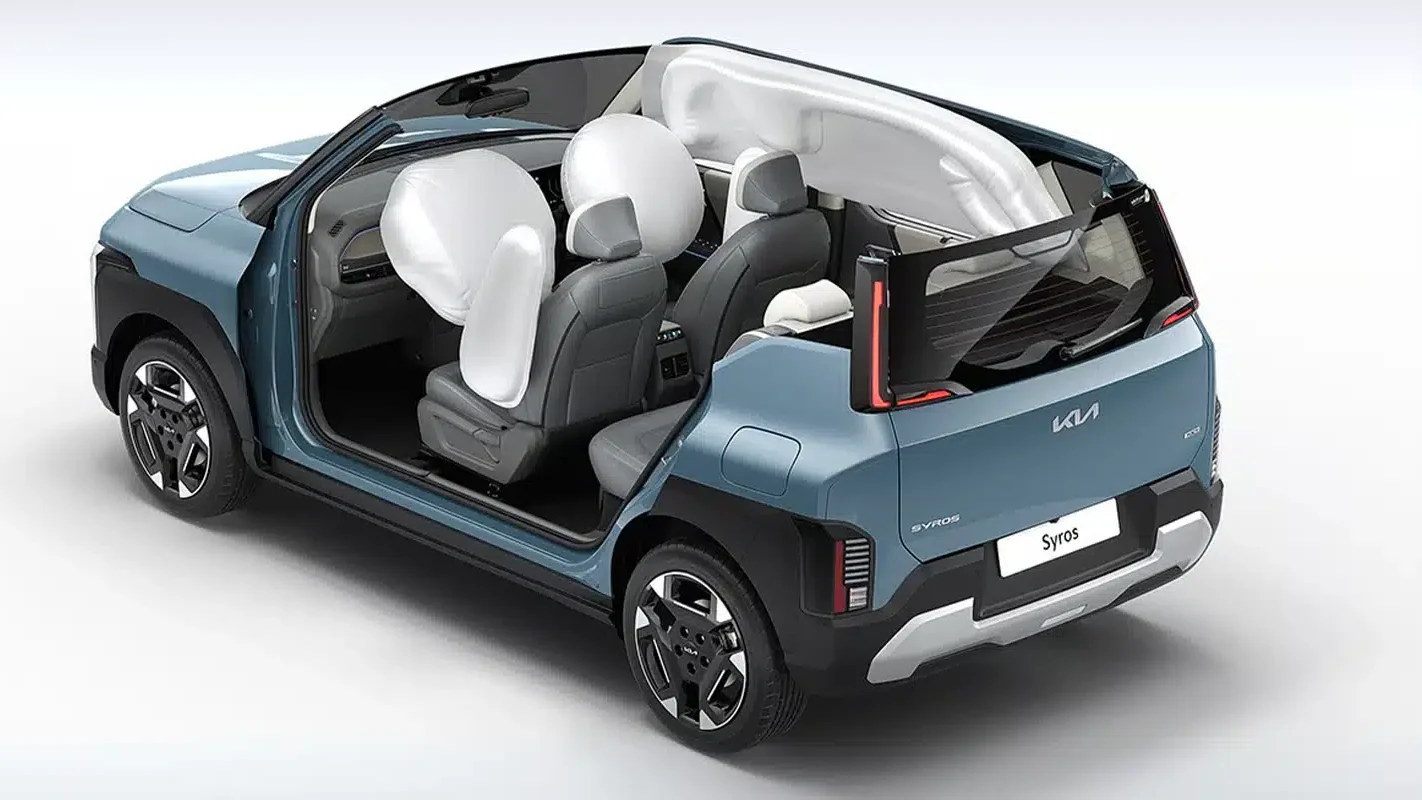
Safety: Six standard airbags, a 360-degree camera system, and a full Level-2 ADAS package.
Performance & Range
The setup offers two robust Lithium-Iron-Phosphate (LFP) battery configurations engineered for quick charging:
42 kWh Battery: Built for standard daily city commutes, delivering roughly 300 km of real-world range.
49 kWh Battery: Focused on inter-city highway driving, targeting an estimated 380 km to 400 km range.
The period between 2026 and 2027 could become one of the most transformative phases in India’s automotive history. The arrival of the Tata Sierra EV, Harrier EV AWD, Maruti e Vitara, Toyota Urban Cruiser EV, and Honda Elevate EV will significantly expand consumer choice and accelerate EV adoption across the country.
The Indian EV market is on the verge of its biggest transformation yet. While the first phase of electrification focused largely on affordable city cars and compact SUVs, the next wave will bring a broader range of products catering to premium buyers, technology enthusiasts, and long-distance travelers. Automakers are now investing heavily in dedicated EV platforms, larger battery packs, advanced driver assistance systems, fast-charging capabilities, and all-wheel-drive configurations that were once reserved for luxury vehicles.
The upcoming launches of the Tata Sierra EV, Tata Harrier EV, Maruti Suzuki e Vitara, Toyota Urban Cruiser EV, and Honda Elevate EV will significantly expand consumer choice across multiple price segments. These models are expected to offer longer driving ranges, improved performance, enhanced safety features, and better charging convenience, addressing many of the concerns that have traditionally held back EV adoption in India.
For buyers planning their next vehicle purchase, waiting for this upcoming generation of electric SUVs may prove worthwhile, especially as manufacturers push for longer ranges, better charging infrastructure, and more advanced technology than ever before.
As charging infrastructure continues to improve and government support for electric mobility remains strong, 2026–2027 could emerge as a defining period for India’s automotive industry. For buyers planning a new vehicle purchase over the next few years, these upcoming electric SUVs represent some of the most exciting options on the horizon. Whether you prioritize range, technology, performance, or practicality, the next generation of EVs promises to deliver something for every type of Indian car buyer.
For more such updates on latest cars, bikes and EVs stay connected to MotorMitra. #gaadiyonkismartguide