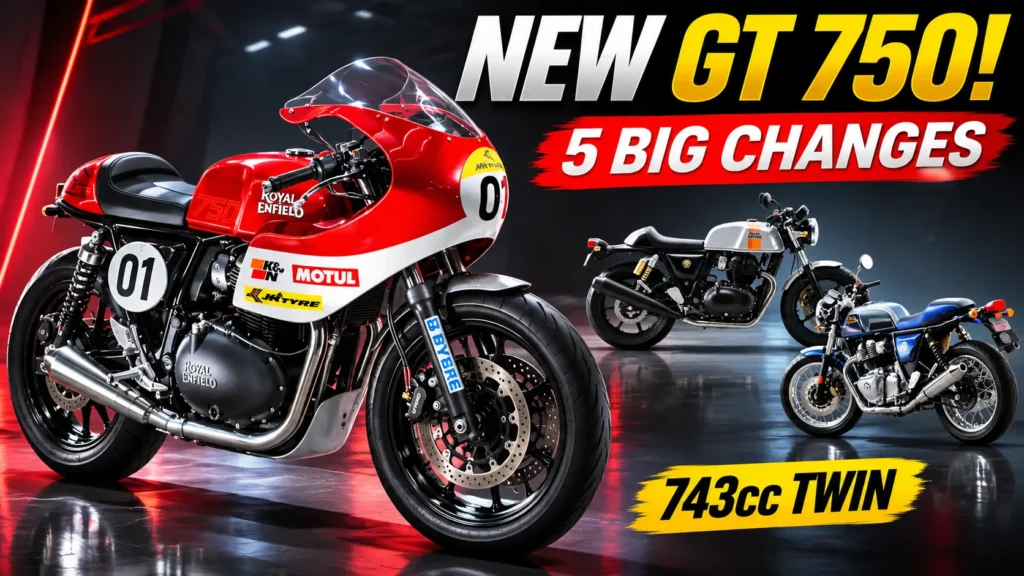
Royal Enfield has taken its popular Continental GT formula into a bigger performance category with the unveiling of the new Continental GT 750 at EICMA 2026. The motorcycle retains the unmistakable café racer identity of the GT 650 but introduces a larger engine, updated hardware and two distinct styling options.
The biggest talking point is its new 743cc parallel-twin engine, an uprated version of the motor developed for the Himalayan 750. Royal Enfield says the GT 750 will become its highest-performance production motorcycle to date, although its final power and torque figures are yet to be announced.
There is more to the new motorcycle than additional engine capacity. A faired version with a lower handlebar position, a redesigned hybrid instrument cluster and changes to the braking and suspension hardware make this a significant development for the Continental GT family.
Here are five major changes that put the new Royal Enfield GT 750 in the spotlight.
1. New 743cc Parallel-Twin Engine Brings More Performance Potential
The most important upgrade is the new 743cc parallel-twin engine. The existing Continental GT 650 uses a 648cc parallel-twin motor, while the new GT 750 moves to a larger-capacity engine with a different performance focus.
Royal Enfield has confirmed that the Continental GT 750 gets an uprated version of the 743cc twin used in the Himalayan 750. The new café racer also features a cable-operated throttle and twin exhaust pipes, giving it a different configuration from the adventure motorcycle.
For reference, the Himalayan 750 produces 55hp and 63Nm of torque. However, these figures should not be treated as the confirmed output of the Continental GT 750. Royal Enfield has not yet released the GT’s final power and torque specifications, and its engine tuning may be different.
The larger displacement should give the motorcycle greater performance potential, particularly for riders who want stronger acceleration and more relaxed highway cruising. Its actual character will depend on the final engine tune, gearing and throttle response.
Also Read:- Royal Enfield Himalayan 750: 5 Exciting Upgrades That Could Make It a Game-Changer
For existing GT 650 owners, this is likely to be the biggest reason to consider the new model. The question now is how much extra performance Royal Enfield can deliver while retaining the smooth and engaging character expected from its parallel-twin motorcycles.
2. Faired and Unfaired Versions Offer Two Different Riding Experiences
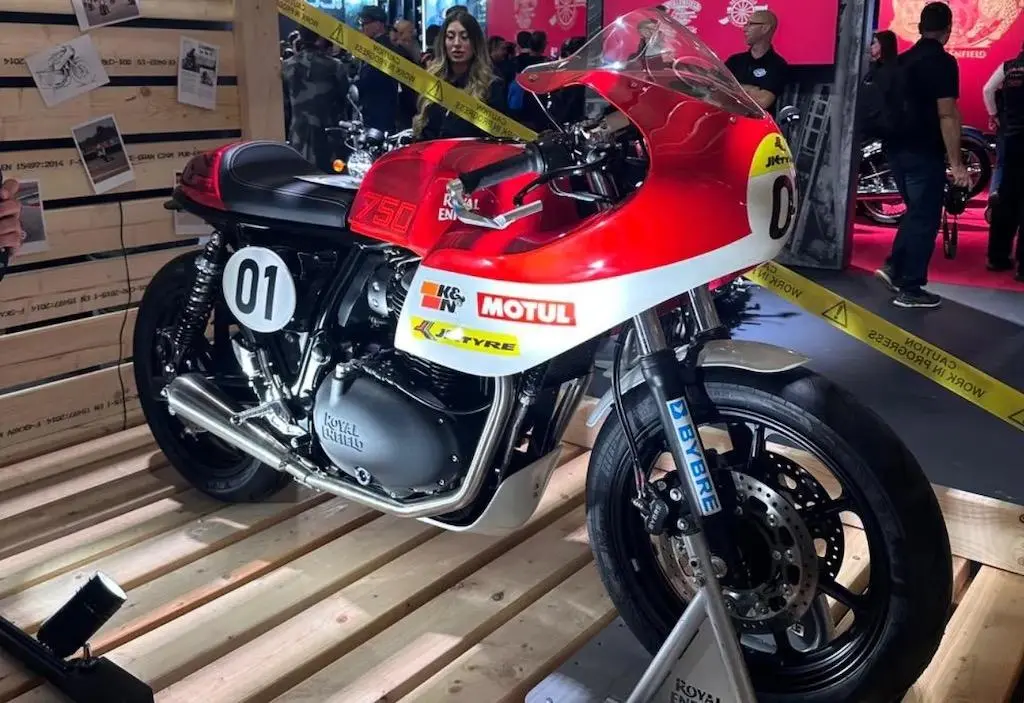
One of the most interesting changes is the introduction of two distinct versions of the Continental GT 750. Royal Enfield has confirmed both faired and unfaired variants, giving the motorcycle a wider appeal within the café racer segment.
The unfaired version stays close to the traditional Continental GT design. It retains a cleaner front profile and the familiar café racer silhouette, making it the natural choice for riders who prefer classic styling over additional bodywork.
The faired version takes a sportier direction. It gets a compact front fairing and a lower handlebar position, creating a more focused riding posture. The extra bodywork also gives it a stronger retro-racing appearance, which sets it apart from the existing GT 650.
The difference is not limited to appearance. A lower handlebar position changes the way the rider sits and leans over the motorcycle, potentially making the faired version feel more committed during spirited riding.
This two-version approach is a smart move by Royal Enfield. Instead of offering only one interpretation of its café racer, the company is giving enthusiasts a choice between a traditional design and a more aggressive racing-inspired setup.
3. Twin Front Disc Brakes Could Improve Braking Capability
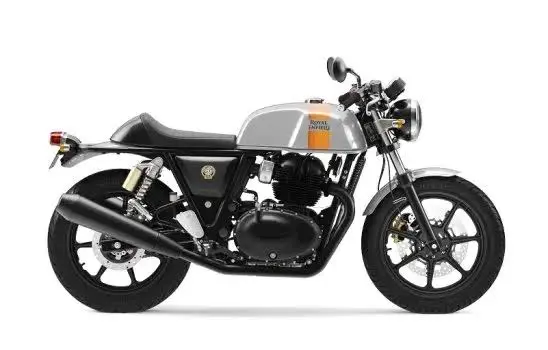
The braking setup is another noticeable difference between the GT 650 and the new GT 750. The existing Continental GT 650 uses a single front disc, while images of the new motorcycle show twin front disc brakes.
This is a substantial hardware change for a motorcycle moving into a higher-performance category. A twin-disc arrangement can offer greater braking capacity and improved heat management, although the actual performance will depend on the disc dimensions, calipers, pads and overall brake calibration.
Autocar India has also noted that the visible front brake units appear to be carried over from the Himalayan 750. However, Royal Enfield has not released a complete official brake specification sheet for the Continental GT 750, so the final component details remain to be confirmed.
For riders, the important point is that the new motorcycle appears to receive a more substantial front braking arrangement than the GT 650. It could be a useful addition when dealing with higher speeds, particularly during highway riding.
The real difference will become clear once the production motorcycle is tested. Until then, it is best to view the twin-disc setup as a promising hardware upgrade rather than assume a specific improvement in stopping distance.
4. Revised Suspension Setup Focuses on a Different Riding Character
The GT 750 also appears to receive changes to its suspension hardware. While the GT 650 uses a familiar café racer setup, the new motorcycle has been showcased with conventional telescopic front forks and twin rear shock absorbers.
According to the initial technical observations reported by Autocar India, both ends appear to offer preload adjustment. The new motorcycle also appears to use conventional linear-rate suspension components instead of the progressive front and gas-charged rear spring arrangement seen on the GT 650.
These changes could influence how the motorcycle responds to road imperfections, braking inputs and cornering forces. However, suspension performance cannot be judged by component appearance alone. Spring rates, damping settings, travel and overall chassis balance are equally important.
Royal Enfield has not yet published the complete suspension specifications for the Continental GT 750. Therefore, the final ride quality and handling improvements will need to be evaluated after production-specification details and road tests become available.
For now, the revised hardware suggests that Royal Enfield has worked on more than just the engine. The company appears to be developing a complete package suited to the extra performance of its new 750cc café racer.
Also Read:- Bajaj Just Changed the Pulsar N250SS Forever! Here’s What’s New
5. Hybrid Twin-Pod Display and New Wheel Options Add More Character
The instrument cluster is another area where the GT 750 moves forward without completely abandoning its retro identity. The motorcycle gets a hybrid twin-pod arrangement that combines traditional analogue-style dials with a small TFT display.
Rather than replacing the familiar twin-pod design with a large digital screen, Royal Enfield has retained the classic appearance associated with the Continental GT. The TFT element adds a modern touch while keeping the cockpit visually consistent with the motorcycle’s café racer character.
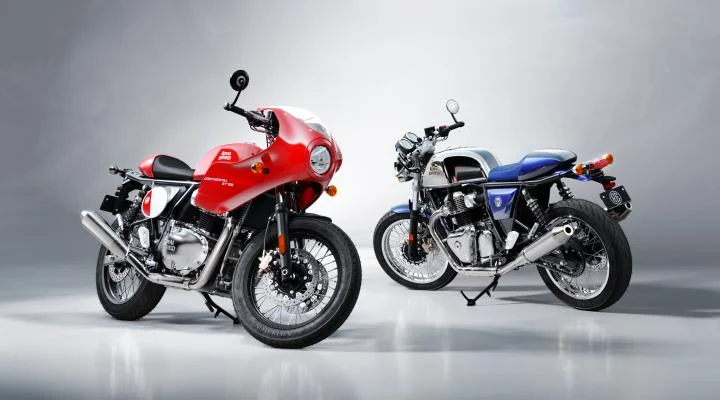
The three versions showcased at EICMA also offer different visual and equipment combinations. Red Line and TT Blue feature a small front fairing, while Master Clean retains the unfaired appearance with a chrome-finished look.
There is a practical difference between the wheel setups, too. The TT Blue version uses cast-alloy wheels with tubeless tyres, while Red Line and Master Clean are displayed with wire-spoke wheels and tubed tyres. All three versions use 18-inch wheels at both ends.
This gives buyers a choice between the convenience of tubeless tyres and the traditional appearance of wire-spoke wheels. The final equipment combinations and market-specific availability will be worth checking when Royal Enfield announces the production specifications.
Royal Enfield Continental GT 750 India Launch and Expected Price
Royal Enfield has unveiled the Continental GT 750 at EICMA 2026, but the company has not announced its official Indian launch date or price.
An India launch is expected in 2027, although the exact timing remains unconfirmed. The new motorcycle is likely to sit above the existing Continental GT 650 in the company’s lineup, creating a more premium option for buyers looking for additional performance.
Pricing will be particularly important. The GT 650 already has an established position among middleweight café racers, so Royal Enfield will need to balance the larger engine and upgraded hardware with a competitive price.
Until the company releases official details, any expected price should be treated as speculation rather than a confirmed figure.
Should You Wait for the New Royal Enfield GT 750?
The Continental GT 750 looks like a meaningful evolution of Royal Enfield’s café racer range. Its uprated 743cc parallel-twin engine, faired and unfaired versions, revised hardware and hybrid instrument cluster give it a noticeably different identity from the GT 650.
For existing owners, the larger engine alone could make the new motorcycle worth considering. The additional styling choice and updated component package add further reasons to follow its development.
However, the final verdict will depend on the details that are still missing. Power and torque figures, kerb weight, suspension specifications, riding comfort and Indian pricing will determine whether the GT 750 delivers a convincing upgrade.
One thing is already clear: Royal Enfield is taking the Continental GT into a more serious performance category without losing the café racer character that made the GT 650 popular. Now, enthusiasts will be waiting for the production specifications and the first real-world riding impressions.