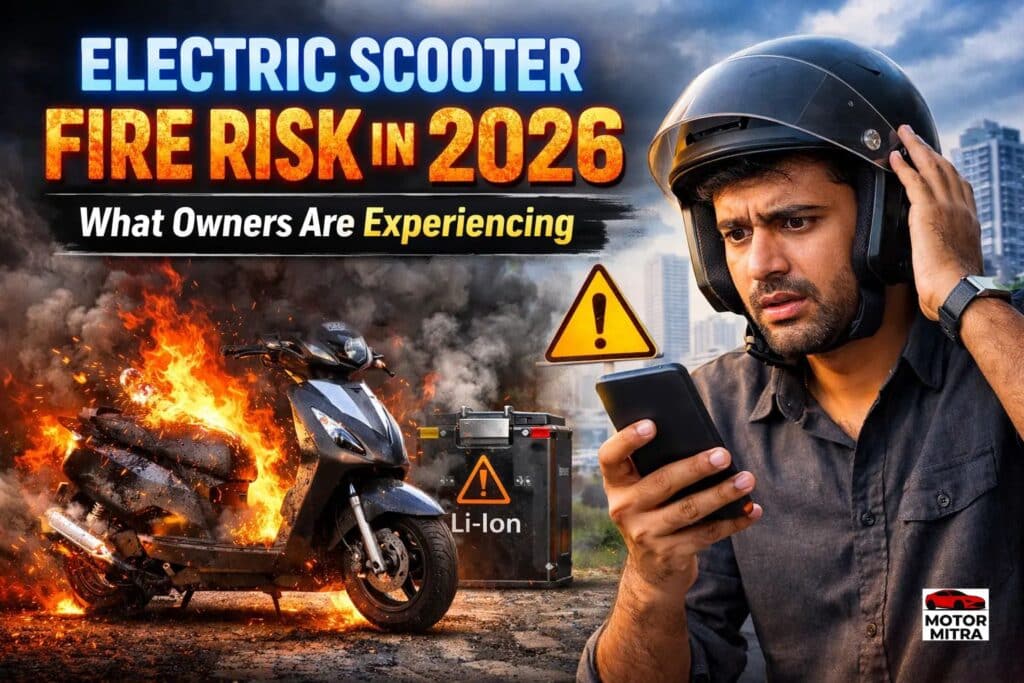
Electric scooters are no longer a niche product in India’s urban mobility ecosystem. From daily office commuters to delivery fleets, adoption has accelerated sharply over the last few years. Yet alongside this growth, concerns around battery-related fire incidents continue to surface periodically. In 2026, the key question remains: are electric scooters still a safety risk, or has the industry moved past its early troubles?
During the initial EV expansion phase, several high-profile fire incidents triggered widespread concern. Most investigations traced the causes to thermal runaway inside lithium-ion battery cells, poor battery pack assembly, inadequate cooling systems, or the use of uncertified charging equipment. Extreme summer temperatures in many Indian cities also exposed weaknesses in early-generation battery designs. However, industry data and service network feedback suggest that the frequency of such incidents has declined compared to the earlier wave of cases.
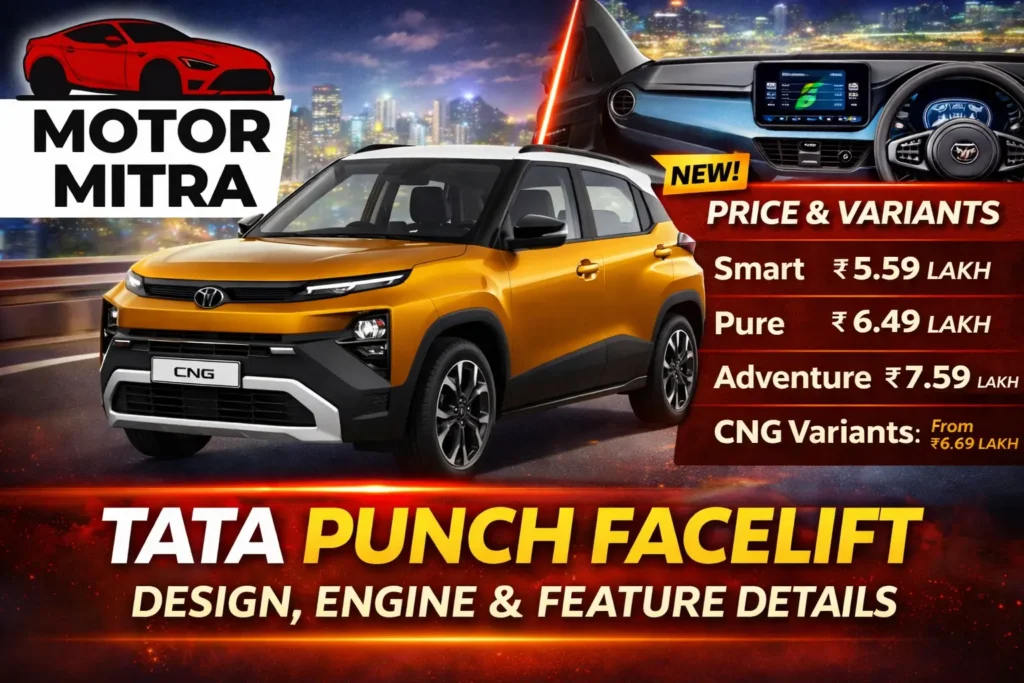
Also Read: Tata Punch Facelift 2026 – Design, Engine & Feature Details
It is important to understand that not every overheating episode translates into a battery fire. In multiple reported situations, smoke originated from wiring harnesses, charging connectors, or controller units rather than the battery cells themselves. As electric scooters became more sophisticated, manufacturers began incorporating layered thermal management systems designed to detect abnormal heat buildup before it escalates into a critical event.
To understand the current ground reality, feedback from urban owners in cities such as Delhi, Bengaluru, Pune, and Hyderabad provides valuable insight. Most riders using their scooters for daily commutes of 20 to 40 kilometres report stable performance. A Bengaluru-based commuter noted that during an extended uphill ride, the dashboard displayed a temperature alert and temporarily limited performance output. Once the system cooled, normal operation resumed. This indicates that modern scooters are programmed to intervene early rather than allow uncontrolled overheating.
Similarly, owners in North India have observed mild battery heating during peak summer charging cycles, particularly when fast chargers are used. However, these instances typically trigger warning notifications rather than mechanical failure. Several users report range degradation after 18 to 24 months of usage, especially following consecutive summer seasons. While reduced battery efficiency is a known characteristic of lithium-ion chemistry over time, it has not necessarily translated into safety failures when the battery pack remains intact and properly maintained.
A consistent theme among reported incidents is the involvement of aftermarket components. Service professionals highlight that non-OEM battery replacements or uncertified chargers significantly increase risk exposure. These accessories often bypass built-in safety protocols embedded within the original Battery Management System. When voltage regulation or cell balancing is compromised, heat buildup can become unpredictable. In contrast, scooters maintained strictly within manufacturer guidelines show a much lower rate of severe safety events.
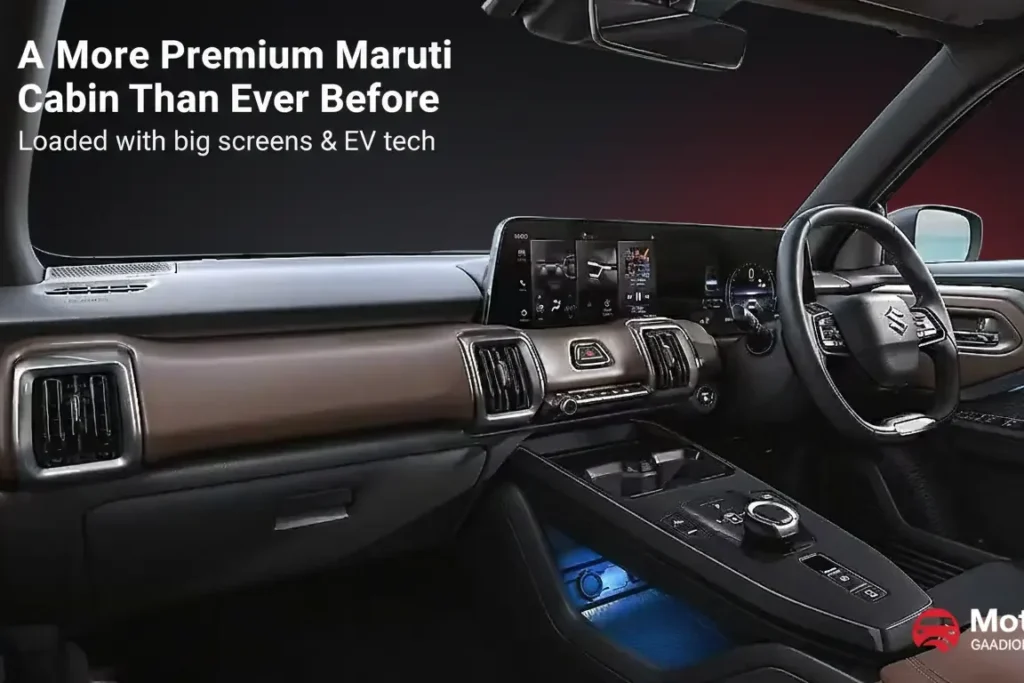
Also Read: Maruti Suzuki e Vitara Starts From Rs. 15.99 To Rs. 20.01 Lakh
Regulatory oversight has also tightened considerably. Battery packs in 2026 must comply with more stringent automotive-grade testing procedures, including thermal propagation assessments, vibration endurance tests, short-circuit simulations, and water ingress protection checks. Many manufacturers now conduct multi-stage quality inspections before a scooter reaches the showroom floor. Some have transitioned to alternative battery chemistries such as lithium iron phosphate in select models, known for better thermal stability under stress conditions.
Extended battery warranties offered by several established brands further reflect growing confidence in long-term durability. Industry insiders indicate that manufacturers are investing heavily in in-house battery development and improved cell sourcing to reduce dependency on inconsistent third-party suppliers. Active temperature monitoring and automatic charging cut-off mechanisms are becoming standard across mid to premium segments.
Despite these advancements, experts caution that no high-density energy storage system is entirely risk-free. Electric scooters, like any vehicle powered by stored energy, require responsible usage. Charging practices remain critical. Using the supplied charger, ensuring adequate ventilation during charging, and avoiding physical damage to the battery casing are essential precautions. Neglecting these basics increases vulnerability regardless of brand reputation.
So, should buyers in 2026 still worry about electric scooter fires? The data suggests that widespread panic is unwarranted, provided consumers choose established brands with certified battery systems and follow proper maintenance protocols. The majority of urban owners report stable, predictable performance rather than catastrophic failure. Heat warnings and gradual range reduction are more common than combustion incidents.
The electric two-wheeler market has matured significantly compared to its early adoption phase. Safety architecture is more robust, regulatory standards are stricter, and manufacturers have learned from past failures. While isolated cases may continue to appear, they no longer represent systemic instability across the sector.
For prospective buyers, the decision should rest on informed evaluation rather than outdated fear. Brand credibility, warranty coverage, authorized service access, and disciplined charging habits are the true determinants of safety in 2026. Electric scooters are not immune to risk, but they are demonstrably safer than before.
For more such updates and latest news on cars and bikes stay connected to motormitra.in
Thank you ..