You don’t realise how important reliability is… until your scooter stops working when you need it the most.
And that’s exactly where most Electric Scooters buyers make their biggest mistake.
Because on day one, everything feels perfect. Smooth ride, silent motor, cool features. But a few months later, when small issues start showing up, that excitement disappears fast, and regret starts taking its place.
Right now, the biggest EV problem isn’t range. It’s trust.
Why This Matters
- Electric Scooters breakdowns and service delays are still a real issue
- Not every scooter is built for long-term reliability
- One wrong choice can turn daily riding into frustration
Also Read:- Bajaj Chetak C25: India’s Rs 91K EV Scooter Slayer with 113km Punch?
Most people realise this too late.
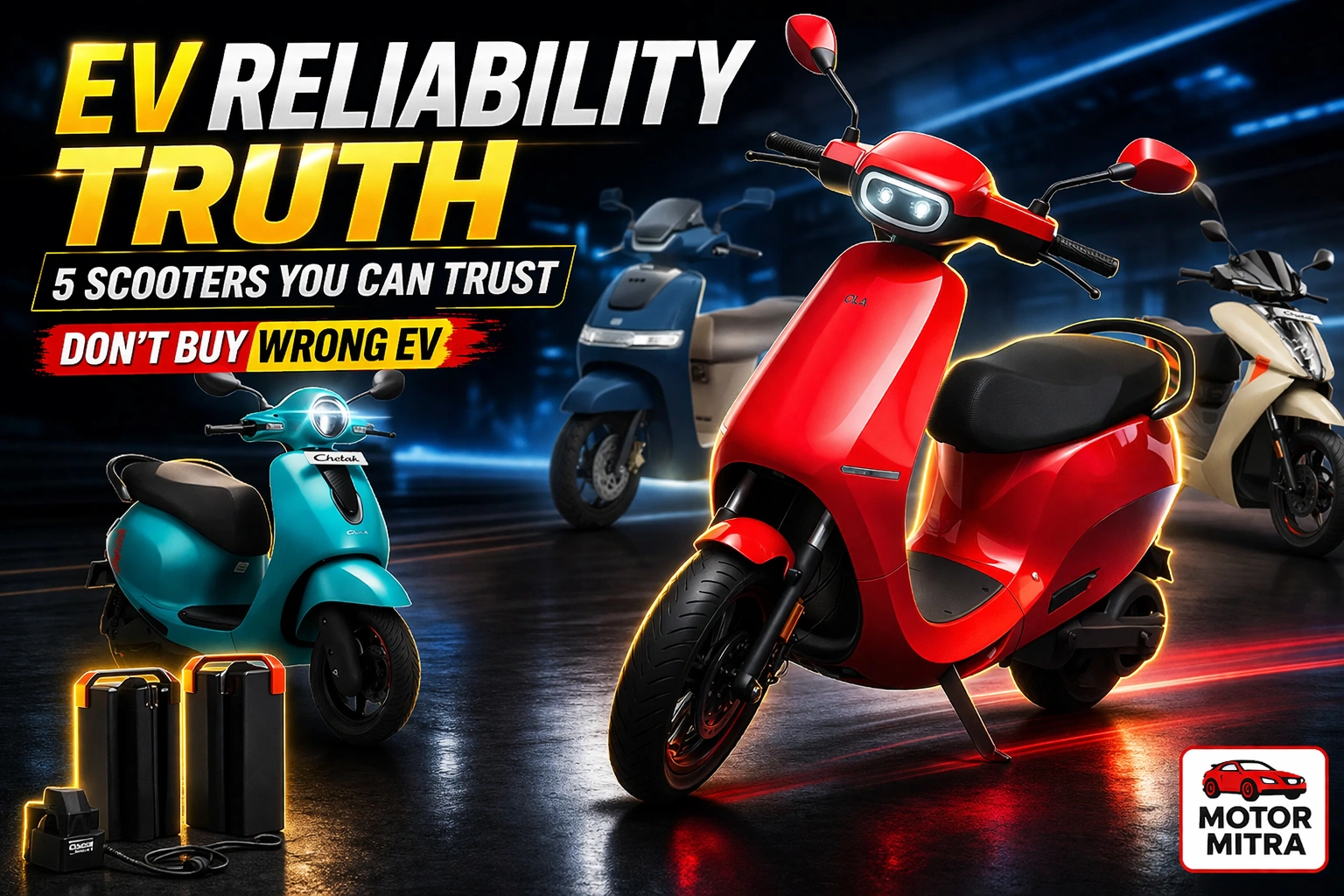
So instead of chasing hype, here are 5 electric scooters that have actually proven themselves in real-world usage, not just on paper.
This Scooter Just Works — And That’s Rare
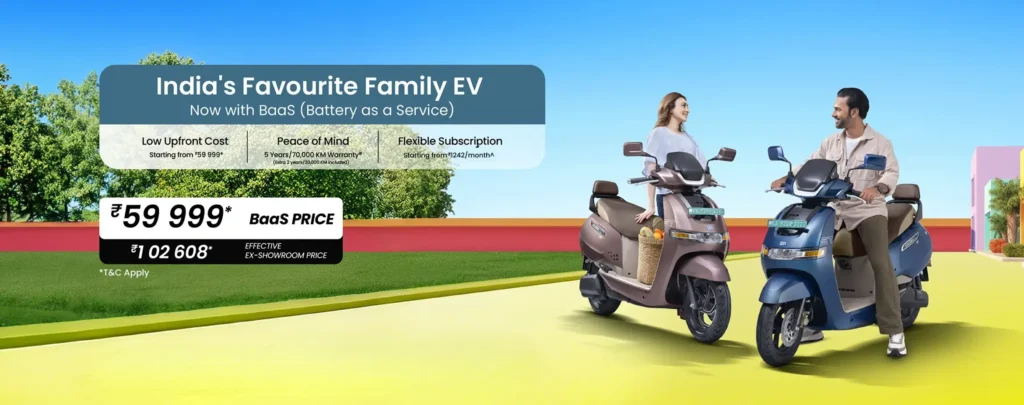
TVS iQube is not flashy, and that’s exactly why it works. It focuses on consistency over gimmicks, which means fewer surprises later. If your priority is peace of mind, this is one of the safest EV choices right now.
Because sometimes, the best feature is simply not having problems.
Performance Without Problems — Almost Impossible, But Here It Is
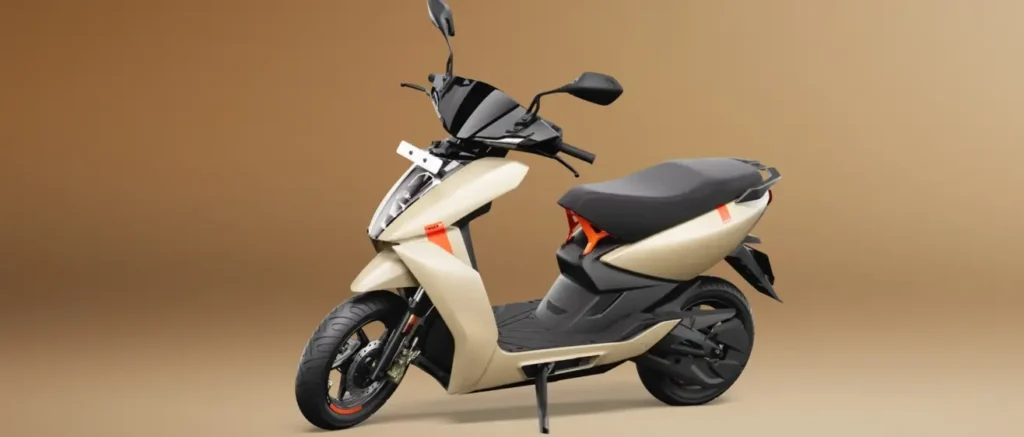
Ather 450X manages to do what most EVs struggle with. It delivers performance without compromising reliability. The software feels stable, updates are consistent, and the overall experience stays predictable over time.
That’s something most buyers underestimate, until it’s too late.

Built To Last, Not Just Impress
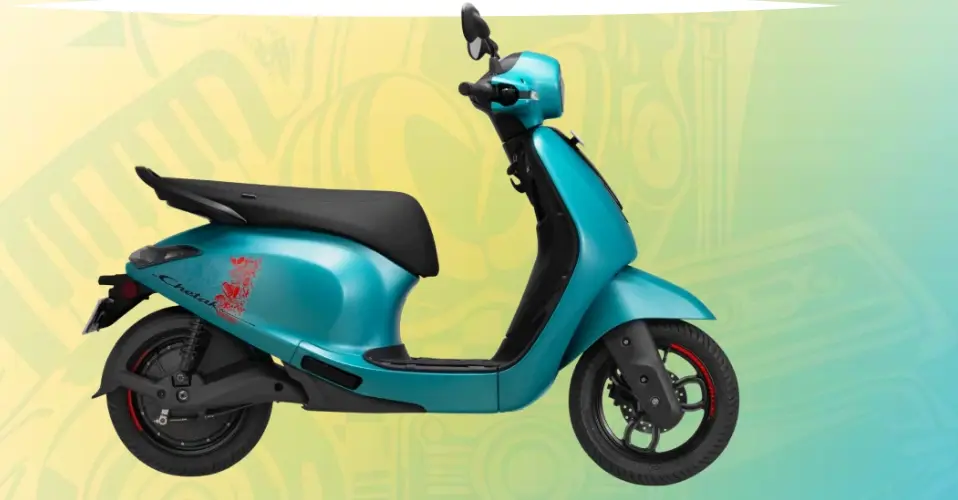
Bajaj Chetak doesn’t try too hard to impress on paper, but in real life, it stands out for one reason — durability. The metal body and simple engineering approach reduce long-term issues, making it a strong choice for buyers who plan to keep their scooter for years.
This is where long-term ownership actually makes sense.
Looks Great, Runs Fast — But Think Before You Choose
Ola S1 Pro (Gen 2) has improved, no doubt. But it still isn’t the safest pick if reliability is your top concern. It offers features and performance, but comes with a level of uncertainty that not every buyer is comfortable with.
And this is exactly where many buyers take a risk they don’t fully understand.
Service Matters More Than You Think
Hero Vida V1 may not be the most talked-about EV, but its biggest strength is something most buyers ignore — service support. With Hero’s network behind it, ownership becomes much easier, especially when issues need quick resolution.
Also Read:- EV Scooter War Explodes! Yamaha, Ather & Bajaj Prepare Game-Changing Launches In 2026
Because even a reliable scooter can become a problem if service isn’t.
Which One Should You Trust? (Full Comparison)
| Scooter | Reliability Level | Service Network | Build Quality | Software Stability | Best For |
|---|---|---|---|---|---|
| TVS iQube | Very High | Strong | Good | Stable | Stress-free daily use |
| Ather 450X | High | Growing | Premium | Excellent | Performance + reliability |
| Bajaj Chetak | Very High | Strong | Excellent | Simple & stable | Long-term durability |
| Ola S1 Pro Gen 2 | Medium | Expanding | Good | Improved | Features + speed |
| Hero Vida V1 | High | Very Strong | Good | Decent | Easy ownership |
This is where the real difference becomes clear.
This Is Where Most Buyers Regret Their Decision
Most people buy based on range, looks, and features, and ignore reliability completely. But after a few months, none of those things matter if the scooter starts giving problems.
And that’s when the regret hits.
Because by then, it’s too late to go back.
Who Should Buy What (Clear Decision)
- Want zero headache → TVS iQube
- Want performance + stability → Ather 450X
- Want long-term durability → Bajaj Chetak
- Want features + speed → Ola S1 Pro (Gen 2)
- Want easy service → Hero Vida V1
Don’t Learn This The Hard Way
The EV market is growing fast, but reliability is still inconsistent across brands. Choosing the right scooter is not just about features, it’s about avoiding problems you don’t want to deal with later. Because in EVs, the real cost is not what you pay today.
It’s what you deal with every day after buying.
And most buyers only understand that after it’s too late.