At the Tokyo Auto Salon 2026, Honda made a strong statement about its performance-driven future, unveiling a trio of striking concept vehicles that underline the brand’s renewed focus on customization, motorsport DNA, and enthusiast appeal. The highlights of it’s display were an ultra-sporty Civic Type R concept and a rugged, adventure-focused BR-V concept, supported by a third, more experimental model developed with inputs from **Honda Racing Corporation (HRC).
Thank you for reading this post, don't forget to subscribe!Together, these concepts showcased it’s intent to blur the lines between showroom cars, motorsport technology, and the global aftermarket ecosystem.
A Performance-Focused Showcase
Tokyo Auto Salon, known globally as Japan’s premier tuner and customization show, has traditionally been a platform for radical builds and aftermarket innovation. In 2026, Honda used the event not just to attract attention, but to outline a clear roadmap for how its production models could evolve with factory-backed performance and lifestyle accessories.
According to Honda, these concepts are not mere design exercises. Instead, they represent realistic, production-friendly ideas that could influence official accessories and performance parts across key global markets.
Civic Type R Concept: Track Intent, Factory Precision
Why FIA’s 2026 Engine Ruling Gives Mercedes & Red Bull an Early Edge
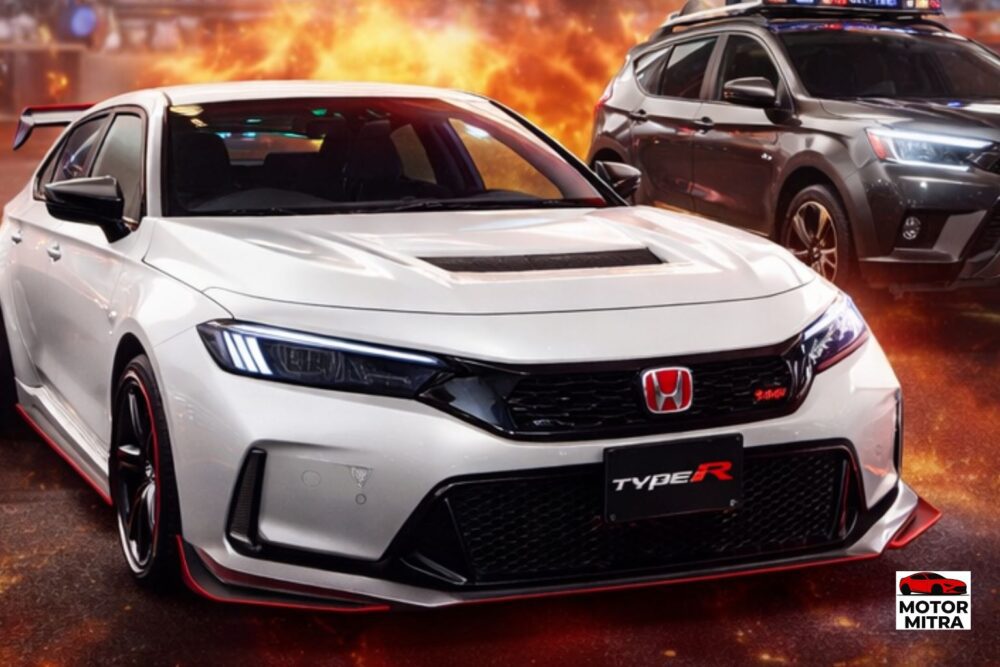
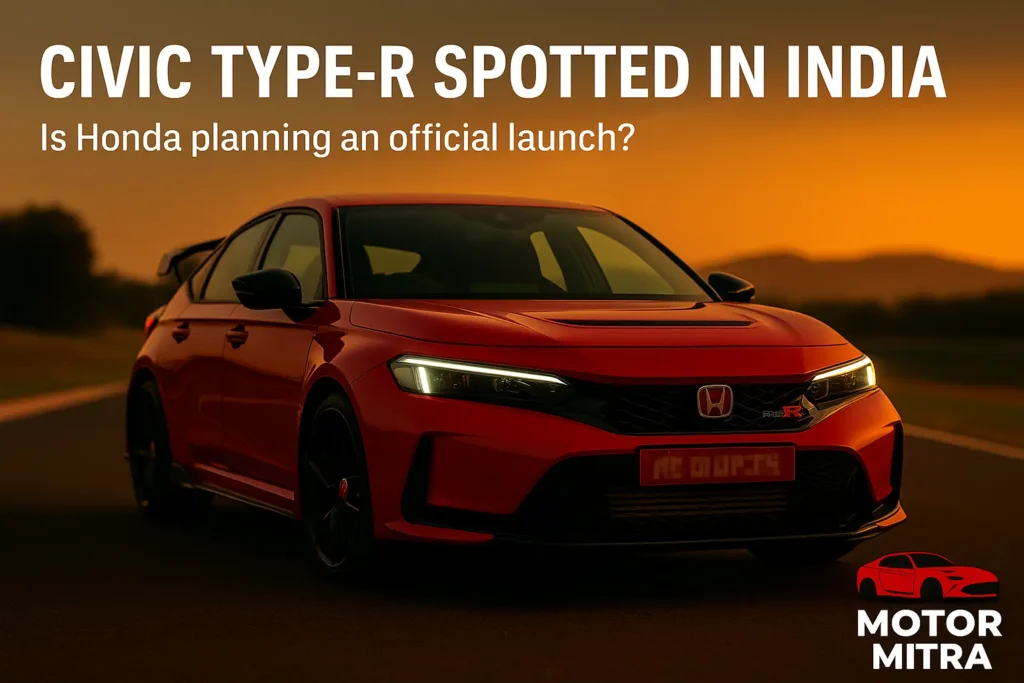
The Civic Type R concept, based on the FL5 generation, was the most aggressive expression of its performance philosophy at the show. Visually, the car featured a sharper aerodynamic package, including a larger rear wing, revised front splitter, extended side skirts, and bold red accents that reinforce the Type R identity.
Under the skin, Honda hinted at mechanical upgrades inspired by its racing programs. While the production Civic Type R already delivers around 330 hp from its 2.0-litre turbocharged VTEC engine, the concept previewed potential ECU tuning and exhaust enhancements that could push output beyond the 350 hp mark. Honda also showcased advanced shift-control displays and suspension tuning elements influenced by HRC’s circuit experience.
Company representatives suggested that select components from this concept could be offered as official accessories, aimed at customers who want track-ready performance without relying solely on third-party tuners.
BR-V Concept: A Rugged Twist on a Family SUV
In contrast to the track-focused Civic Type R, the BR-V concept demonstrated Honda’s approach to lifestyle and adventure customization. Popular in Southeast Asian markets, the BR-V was reimagined as a rugged crossover with clear off-road intent.
The concept featured a lifted suspension, all-terrain tyres, roof rails, skid plates, flared wheel arches, and matte-black exterior elements. Additional LED lighting and subtle HRC branding added a motorsport-inspired edge, while retaining the BR-V’s reputation for practicality and efficiency.
Powered by its familiar 1.5-litre i-VTEC engine, the concept did not focus on outright power gains. Instead, Honda highlighted improvements in traction, durability, and usability on rough terrain, suggesting that factory-backed rugged kits could become available for customers in emerging markets.
Electric Scooter War Heats Up: New Bajaj Chetak EV Teased, Launch on Jan 14
HRC Collaboration Hints at the Future
Completing its Tokyo Auto Salon lineup was a third concept developed in close collaboration with HRC. Although Honda stopped short of revealing full technical details, the model featured lightweight wheels, carbon-fibre elements, prototype badging, and a digital cockpit layout.
Industry observers believe this concept offers an early look at how Honda could integrate motorsport-derived technology into future hybrid performance cars, balancing electrification with driving engagement. It also aligns with Honda’s broader motorsport strategy across Super GT and global racing programs.
Strategic Implications for 2026 and Beyond
Its presence at Tokyo Auto Salon 2026 was about more than visual impact. The concepts collectively signal a strategy that places factory-backed customization at the centre of Honda’s product planning. By offering official performance and lifestyle upgrades, it aims to retain enthusiasts within its ecosystem rather than losing them to independent tuners.
The Civic Type R concept strengthens the model’s position as a global performance halo, while the BR-V concept highlights Honda’s ability to adapt its mainstream products for regional tastes. Meanwhile, the HRC collaboration reinforces the brand’s motorsport credibility at a time when electrification is reshaping the industry.
With its 2026 Tokyo Auto Salon showcase, it sent a clear message: performance, personalization, and motorsport heritage remain core to its identity. The Civic Type R and BR-V concepts demonstrate two very different, but equally strategic, interpretations of this philosophy. As these ideas transition from show floor to showroom, Honda appears well-positioned to energize both driving enthusiasts and lifestyle-focused buyers in the years ahead.
For more such updates and latest news on cars and bikes stay connected to motormitra.in
Thank you ..