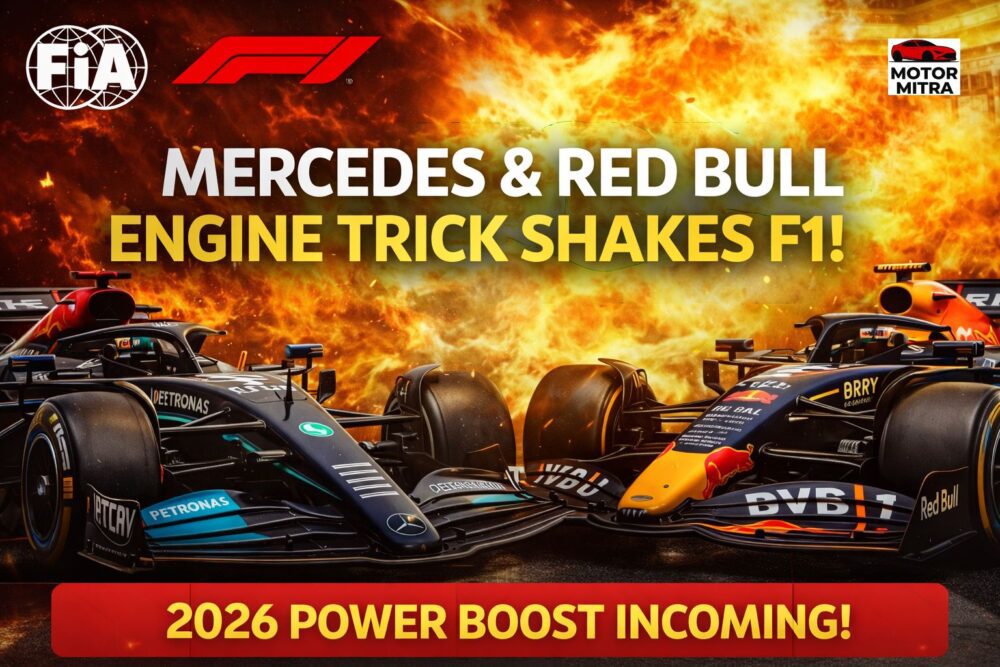
FIA Greenlights Mercedes & Red Bull’s Radical 2026 Engine Trick: Real-World Power Surge Incoming!
Formula 1’s 2026 engine era just got a turbocharged twist. The FIA has officially approved Mercedes and Red Bull Powertrains to exploit high world materials for extreme compression ratios, unleashing up to 13 horsepower gains without bending the rules. This smart loophole challenges Ferrari and Audi’s conservative approaches, promising fireworks in the hyper-competitive hybrid era. Buckle up as we dive deep into this game-changing development shaking F1’s power wars.
Thank you for reading this post, don't forget to subscribe!The Loophole That Rewrites F1 Rules
At the heart of the buzz is F1’s new regs mandating sustainable fuels and high-efficiency power units for 2026. Standard rules cap compression ratios to balance performance and reliability, but the FIA clarified teams can use “real-world” high-world materials – think advanced alloys mimicking street-car tech – to push boundaries. Mercedes and Red Bull seized this, homologating engines delivering 13hp more than rivals’ early designs.
This isn’t cheating; it’s clever engineering. FIA’s stamp confirms it complies fully, targeting gains in thermal efficiency without extra fuel burn. As Red Bull’s Christian Horner quipped, it’s about “outsmarting the regs while staying inside them.” Expect this to spark an arms race, with other teams scrambling to homologate similar setups before the freeze.
Mercedes: Silver Arrows Reloaded for Dominance
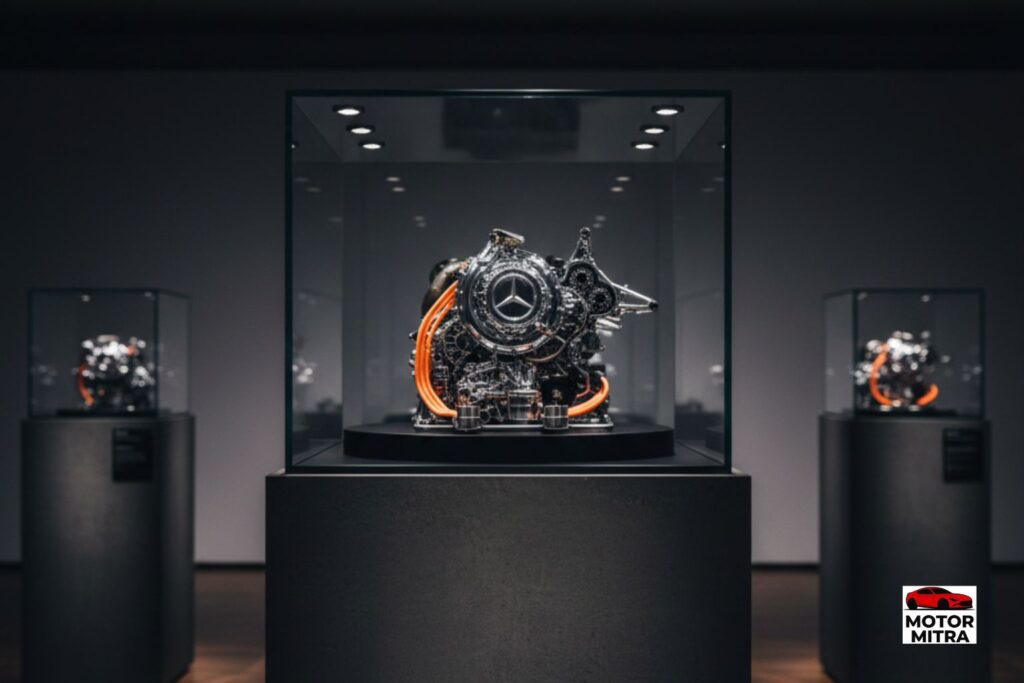
Mercedes, fresh off recent struggles, views this as a redemption arc. Their 2026 PU already boasts class-leading efficiency; the high-compression tweak adds punch without compromising drivability. Engineers tweaked pistons and combustion chambers using these materials, boosting output to ~650kW total (down from 2025’s 700kW but greener).
Post-approval, Toto Wolff hailed it as “vital evolution,” positioning Mercedes to challenge Ferrari’s V6 mastery. With George Russell and new signing Kimi Antonelli, this power edge could reclaim front-row locks. Simulations show lap-time gains of 0.2-0.3 seconds at Monaco-like tracks, crucial in tight qualifying battles.
Red Bull: Max’s Turbo Boost Against McLaren Threat
Red Bull Powertrains, in their sophomore year, leverages Honda ties for this masterstroke. High-compression yields better ERS deployment, suiting Max Verstappen’s aggressive style. Their engine, designed for the RB22 chassis, now rivals Mercedes’ output, closing the gap on early dyno tests.
Horner emphasized reliability: “13hp regulated gain means more overtakes, less DNFs.” Paired with Adrian Newey’s aero wizardry, Red Bull eyes a title defense amid McLaren’s rise. Internal data predicts 5-7% efficiency jump, translating to straighter-line speed at Spa or Suzuka.
Ferrari & Audi: Caught Flat-Footed or Playing Safe?
Ferrari, banking on internal combustion purity, stuck to conservative ratios, prioritizing bulletproof reliability. Lewis Hamilton’s arrival adds pressure – can Maranello react mid-development? Audi, entering via Sauber, faces a steeper curve as newcomers, with their V6 still in validation.
This FIA nod exposes strategy splits: aggressive vs. cautious. Ferrari insiders whisper of retrofits, but homologation deadlines loom. Audi’s Stefano Domenicali downplays it: “Power is one piece; integration wins races.” Still, 13hp is no joke in 2026’s parity-focused grid.
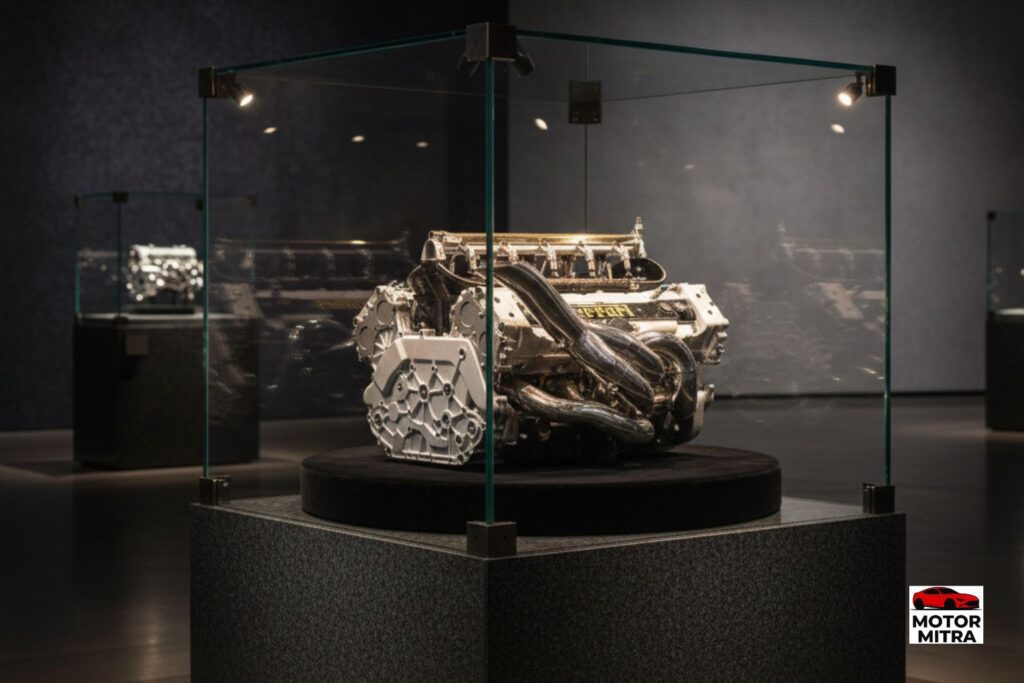
2026 Power Unit Deep Dive: What’s Changing?
F1’s 2026 engines slash V6 to 2.77L displacement, drop MGU-H, boost MGU-K to 350kW, and mandate 100% sustainable fuel. Total output ~750kW (1,000hp), with 50% from electric. High-compression via real-world materials optimizes burn, mimicking hypercar tech like Porsche 963.
Key gains:
- Thermal efficiency: 50%+ target
- ERS: Seamless 120kW recovery
- Weight: Lighter blocks for agile chassis
Mercedes/Red Bull’s edge? Optimized for overtaking via hotter ICE pull.
Performance Impact: Lap Times, Races, and Drama
Dyno math: 13hp equals ~0.15s per lap at Silverstone. Over 24 turns, that’s pole margins. Expect more DRS-free passes, reshaping strategy from Monaco to Monza. Hybrid parity rules level fields, but this tilt favors Mercedes-Red Bull axis.
Rivals cry foul? FIA’s approval quashes protests, but whispers of 2027 tweaks surface. Drivers like Verstappen thrive on power surges; Hamilton craves balance.
Comparison Table: 2026 Engine Standouts
Broader F1 2026 Shake-Up: Beyond Engines
Active aero, 30cm narrower cars, no DRS – 2026 redefines racing. These engines amplify chaos, rewarding bold strategies. Sustainable fuels cut emissions 100%, aligning F1 with net-zero goals. Manufacturers like GM (Cadillac) watch closely for 2028 entry.
Fan angle: More wheel-to-wheel action, louder V6 howls, greener creds. Social media explodes – #FIAEngineLoophole trends worldwide.
Who Wins the Power Wars?
Mercedes and Red Bull’s FIA-backed masterstroke catapults them ahead in 2026’s engine arms race. Ferrari and Audi must pivot fast or risk podium droughts. As homologations lock, the grid tilts – but F1’s magic lies in upsets. Will Max defend? Can Lewis conquer Maranello? Tune in for testing bombshells
For more such updates and latest news on cars and bikes stay connected to motormitra.in
Thank you ..