
Everyone thought the Pulsar vs Apache rivalry was already settled, with buyers choosing sides based on legacy and brand trust. For years, the Pulsar 180 remained the default upgrade for riders who wanted something bigger than a 150 but didn’t want to stretch to a 200 or 220.
But in 2026, that logic no longer works the way it used to. The segment has evolved, expectations have changed, and blindly choosing the Pulsar 180 just because of its legacy might actually be the biggest mistake buyers are making right now.
And that’s exactly where most buyers go wrong. Because this is no longer about brand loyalty, this is about what actually delivers on the road every single day.
Why This Matters
• 180cc buyers are now prioritizing performance and tech over legacy
• Apache RTR 180 has evolved beyond being just a competitor
• This directly impacts buyers confused between Pulsar 180 and Apache RTR 180
Also Read:- The King of Commuters Goes Gold! 2026 Bajaj Pulsar 150 Black Gold Edition Launched.
Power vs Reality: The Weight Factor Nobody Talks About
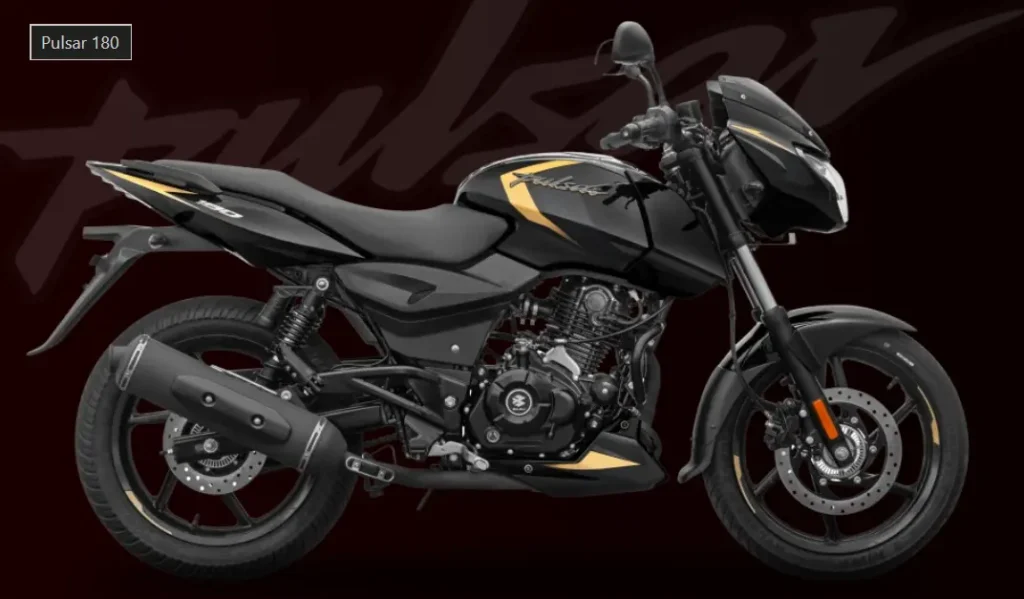
On paper, the Pulsar 180 still looks muscular and carries that classic “big bike” presence that has defined it for years. For many buyers, that visual dominance still creates the impression of superior power and performance.
But the real difference appears the moment you ride it. The Pulsar’s heavier weight affects agility in traffic and quick maneuvers, while the Apache RTR 180 feels lighter, sharper, and far more responsive in real-world conditions.
That difference directly impacts acceleration as well. The Apache, with its RT-Fi system, delivers a punchier 0–60 kmph sprint, making daily riding feel quicker and more engaging.
This is not a small difference. This changes daily riding.
Technology Gap: This Is Where Pulsar Falls Behind
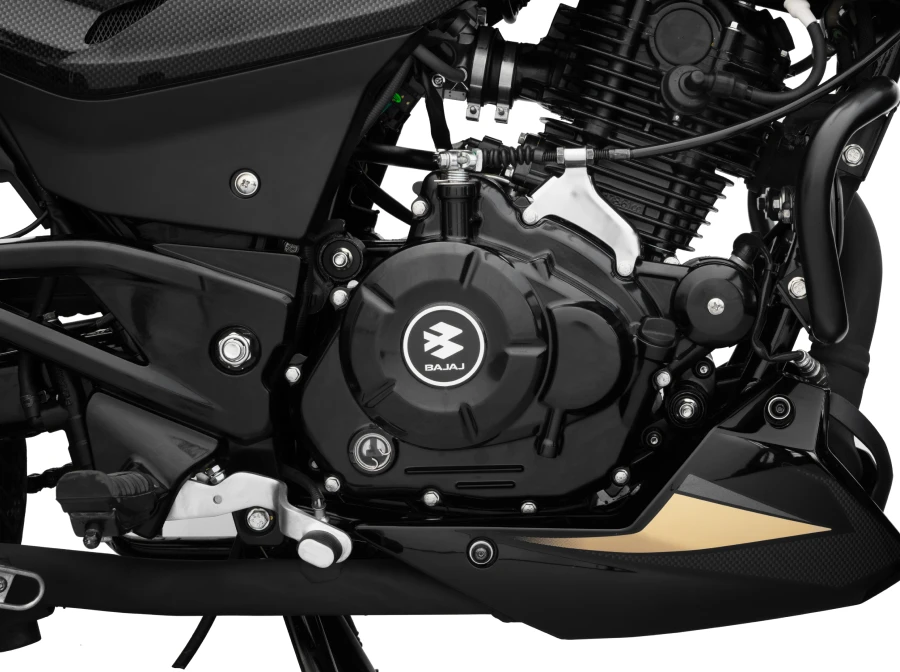
While the Pulsar 180 has received visual updates like the Black Gold theme, its core technology remains largely unchanged. It still delivers a functional experience, but nothing that feels modern or segment-leading.
The Apache RTR 180, on the other hand, feels like a generation ahead. With ride modes such as Urban, Rain, and Sport, it adapts to different conditions, something the Pulsar simply cannot offer.
SmartXonnect further pushes the gap with features like ride analytics, lean-angle data, and crash alerts. This is not just about features, it’s about a smarter and more connected riding experience.
Handling: Comfort vs Control
The Pulsar 180 focuses on comfort, offering a relaxed riding posture that works well for long commutes and everyday usability. It feels stable and predictable, which many riders still prefer.
The Apache RTR 180 takes a different approach with a sharper chassis and aggressive stance. It feels more alive while cornering and far more engaging when pushed harder.
With Glide Through Technology (GTT), it also performs better in slow-moving traffic, reducing rider fatigue. This is where it moves beyond being just a commuter.
Braking and Safety: Confidence Matters More Than Specs
Both motorcycles offer single-channel ABS, which may look similar on paper. However, the difference becomes clear when you actually ride them in real conditions.
The Apache’s Super-Moto ABS tuning allows for more controlled and confident braking, especially on unpredictable roads. It gives the rider better feedback and more control when braking aggressively.
The Pulsar, in comparison, feels stable but less engaging, focusing more on safety than performance-oriented braking feel.
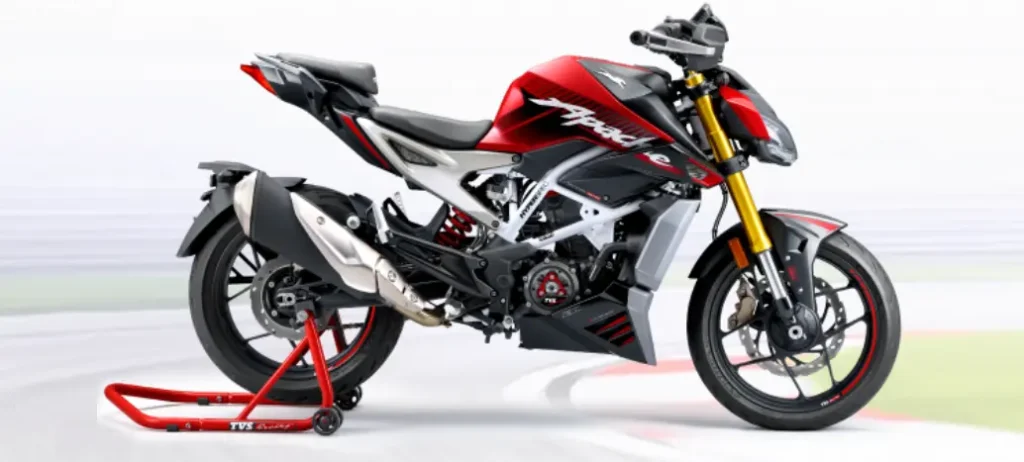
Also Read:- New Apache RTR 160 4V Launched At ₹1.25L With Bigger Upgrade Than Expected
Specs Comparison That Actually Matters
| Factor | Pulsar 180 | Apache RTR 180 | Real-World Advantage |
|---|---|---|---|
| Weight | Heavier | Lighter | Apache (better agility) |
| Acceleration | Linear | Punchy | Apache (faster 0–60) |
| Technology | Basic Digital | Ride Modes + SmartXonnect | Apache |
| Handling | Comfort-focused | Aggressive & sharp | Apache |
| Braking Feel | Stable | Sporty ABS tuning | Apache |
| Riding Style | Relaxed | Performance-oriented | Depends on rider |
Who Should Buy What (Clear Decision Zone)
If you prefer comfort, a relaxed riding posture, and the familiar Pulsar identity, the Pulsar 180 still makes sense. It suits riders who want an easy-going motorcycle with predictable performance for daily use.
It also appeals to buyers who value a “big bike feel” and a softer riding experience rather than aggressive dynamics.
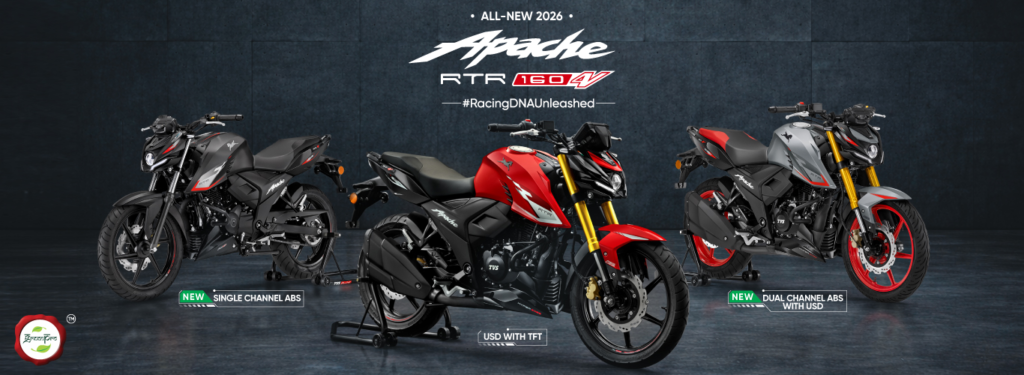
However, if your priority is performance, sharper handling, and modern features, the Apache RTR 180 clearly stands ahead. It delivers a more engaging ride along with technology that enhances everyday usability.
Don’t buy based on brand. Buy based on how you ride.
Final Verdict: Legacy vs Evolution
Choosing the Pulsar 180 in 2026 based purely on nostalgia is where most buyers make the wrong call. While it still holds its identity, it no longer defines the segment the way it once did.
The Apache RTR 180 has evolved into a machine that reflects what modern riders expect, combining performance, technology, and real-world usability.
This is no longer a close fight. This is a shift.
And once you ride both, you won’t debate… you’ll decide.