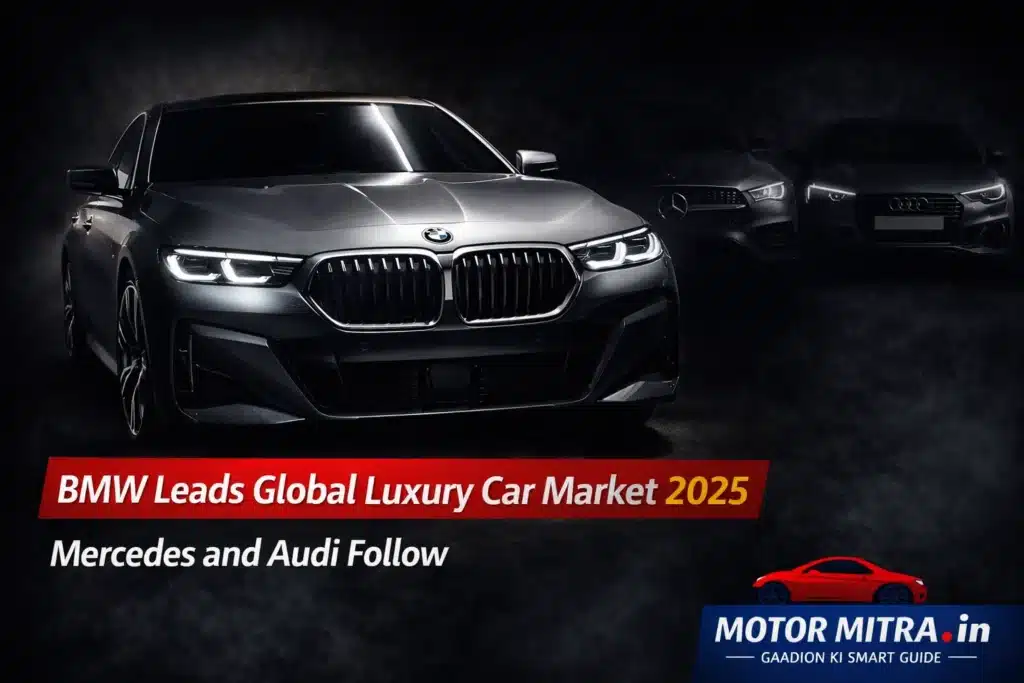
Global luxury car sales in 2025 continue to reflect a familiar pecking order at the very top. motormitra.in BMW remains the world’s best-selling luxury car brand, while Mercedes-Benz and Audi follow behind, keeping the long-running German rivalry very much alive. Even as electrification, software-defined vehicles and changing buyer behaviour reshape the premium space, brand depth and execution are still deciding leadership.
The luxury segment in 2025 is no longer driven by volume alone. Profitability, regional balance and a carefully paced EV transition matter just as much. Against this backdrop, BMW’s steady and flexible approach has once again helped it stay ahead of its closest competitors. times.motormitra.in
BMW Leads Global Luxury Car Sales in 2025
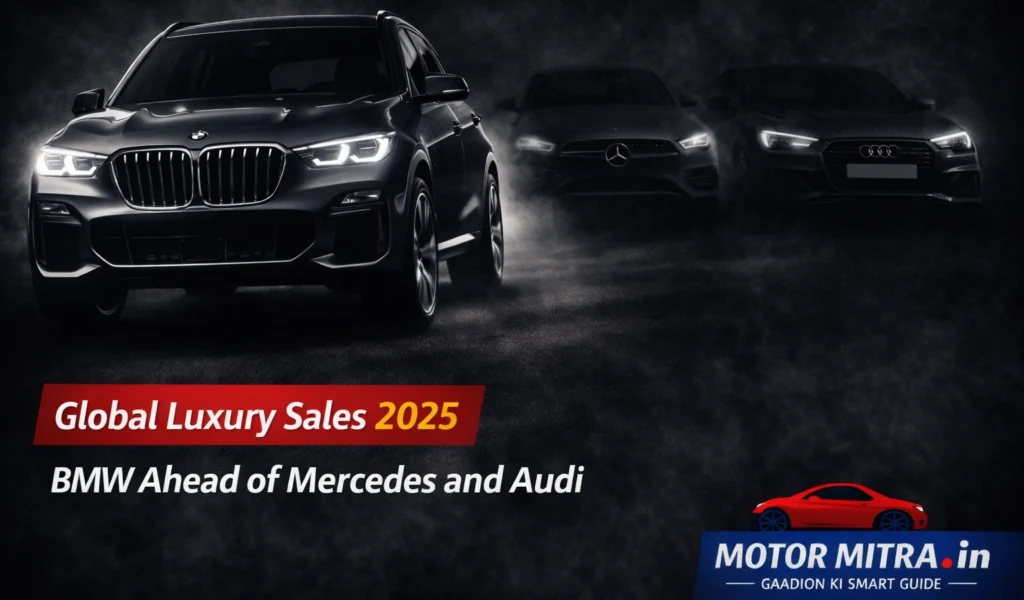
BMW’s leadership in 2025 is built on consistency rather than dramatic shifts. The brand has continued to perform strongly across sedans, SUVs and electric vehicles, without over-relying on any single market or product category. Auto.MotorMitra SUVs from the X family remain a major contributor globally, while models like the 3 Series and 5 Series continue to attract traditional luxury buyers.
A key advantage for BMW has been its balanced electrification strategy. Instead of pushing a rapid all-EV transition, BMW has expanded its electric lineup alongside petrol, diesel and hybrid models. Cars like the i4, iX and i7 have helped grow EV volumes, while conventional models continue to deliver scale. motormitra.in This has allowed BMW to protect overall sales even in markets where EV adoption is slower than expected.
Also Read:- Breaking: Alpina Breaks Free from BMW – Officially a Standalone Brand in Historic 2026 Split!
Geographical diversification has also worked in BMW’s favour. While China remains crucial, stable demand in Europe and the US has ensured that weakness in one region does not disproportionately impact global performance. times.motormitra.in Tight inventory control and disciplined discounting have further helped BMW maintain its premium positioning.
Official updates on BMW’s global performance and strategy are available on the company’s website:
https://www.bmwgroup.com
Mercedes-Benz Focuses on Premium Value Over Volume
Mercedes-Benz holds second place in global luxury car sales in 2025, but its approach differs noticeably from BMW’s. Over the last few years, Mercedes has openly prioritised value over volume, focusing on higher margins rather than chasing the top sales spot.
This strategy has resulted in lower overall volumes compared to BMW, but stronger average transaction prices. Flagship models such as the S-Class, G-Class, Maybach variants and AMG performance cars play a larger role in Mercedes’ sales mix than before. Auto.MotorMitra SUVs remain especially important in the US and Middle East, where demand for large, high-end vehicles continues to be strong.
Mercedes’ EV journey has been more uneven. While the EQS and EQE showcase advanced technology and luxury, customer response has varied significantly by market. times.motormitra.in As a result, Mercedes has slowed parts of its EV rollout and adjusted future product plans to better match demand.
China, historically a strong market for Mercedes, has become more competitive in 2025. Local premium EV brands and aggressive pricing have increased pressure, though Mercedes’ brand equity has helped it retain its second-place position globally.
Mercedes-Benz shares corporate and sales updates through its official portal:
https://group.mercedes-benz.com
Audi Remains Third as It Navigates Transition
Audi continues to rank third in global luxury car sales in 2025, following BMW and Mercedes-Benz. While Audi’s overall volumes remain substantial, the brand is clearly in a transitional phase, which has affected momentum in certain regions. Auto.MotorMitra
One challenge has been product timing. Several key models are either newly refreshed or approaching generational change, creating temporary gaps in some segments. At the same time, Audi has been refining its electric strategy, placing greater emphasis on premium EVs with clearer positioning.
Audi’s strengths remain its design language, interior quality and technology integration. The Q-series SUVs and A-series sedans still appeal strongly to buyers who prefer understated luxury and quattro all-wheel-drive capability, particularly in Europe. times.motormitra.in
China remains a critical but increasingly difficult market for Audi. Intense competition from domestic EV manufacturers has forced Audi to rethink local strategies, strengthen partnerships and accelerate China-specific products. motormitra.in
Audi regularly outlines its global transformation plans on its official website:
https://www.audi.com
Also Read:- BMW Drops an iX3 EV Bomb at CES 2026: New iX3 Gets Alexa+ AI, 805 Km Range
Regional Trends Shape Luxury Sales in 2025
Regional performance continues to define outcomes in the luxury segment. Europe has remained relatively stable, supported by company car demand and gradual electrification. The US market continues to favour large SUVs and performance models, benefiting BMW and Mercedes-Benz in particular. Auto.MotorMitra
China, once the primary growth engine for luxury brands, has become more unpredictable. Slower economic growth and fierce competition from local EV brands mean that badge value alone is no longer enough. Digital features, connectivity and pricing discipline now play a larger role in purchase decisions.
Other regions, including the Middle East and parts of Southeast Asia, have provided incremental growth. These markets still show strong demand for combustion-engine luxury SUVs, helping brands that maintain a broad powertrain mix. times.motormitra.in
Electrification Versus Profitability
A defining theme in 2025 is how luxury carmakers balance electrification with financial performance. BMW’s flexible platforms have reduced risk by allowing multiple powertrains on the same architecture. Mercedes’ premium-first strategy has protected margins but limited volume growth. Audi’s restructuring suggests short-term challenges as it prepares for a more focused future lineup.
What has become clear is that leadership in the luxury segment is not decided by EV launches alone. Timing, execution and alignment with regional demand are equally critical. Auto.MotorMitra
Overall Picture
BMW leading global luxury car sales in 2025, followed by Mercedes-Benz and Audi, highlights the importance of strategic balance. While all three brands are investing heavily in electric and digital technologies, those managing the transition without disrupting their core customer base are performing better in the near term. motormitra.in
As competition intensifies from both established rivals and new electric-focused luxury brands, the gap between first, second and third place may narrow. For now, however, BMW continues to set the pace in the global luxury car market in 2025.
For more such updates and latest news on cars and bikes stay connected to motormitra.in
Thank you ..
auto.motormitra
Latest Auto News and Trends
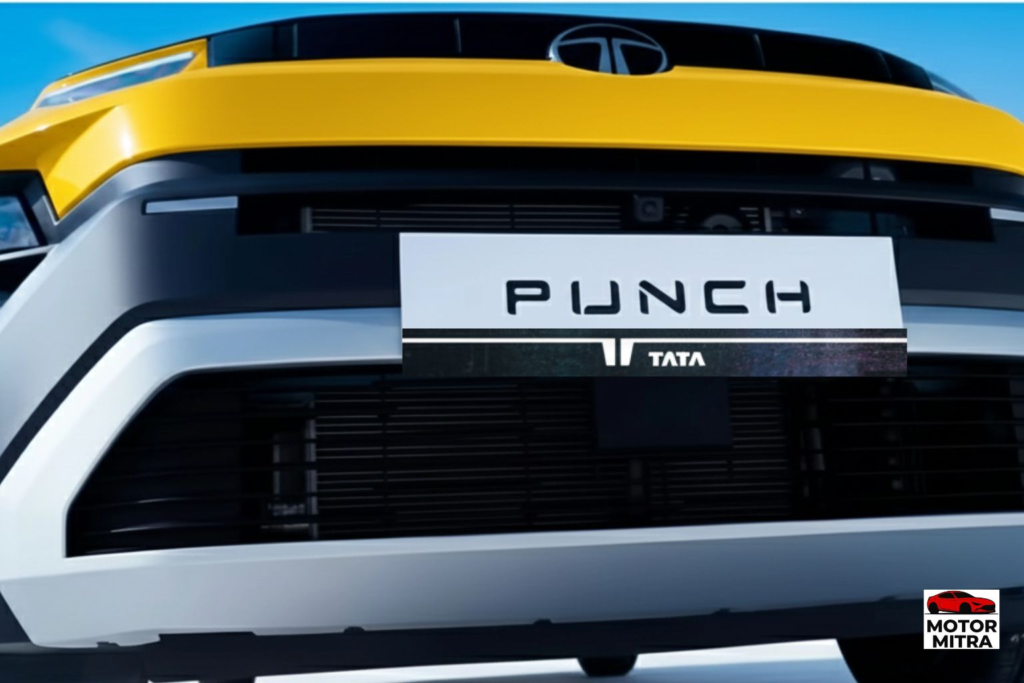
Also Read:- Tata Punch को मिलने वाला है नया अपडेट, जानिए क्या बदलने वाला है देश की सबसे पॉपुलर माइक्रो-SUV में
ऐसी ही और ताज़ा खबरों और अपडेट्स के लिए जुड़े रहें Auto.MotorMitra के साथ।
धन्यवाद!
Times Mitra
Latest bytes of news.

Also Read:- Indian Navy Set for Historic Expansion: 19 Warships to Join the Fleet in 2026
For more such updates and latest news on cars and bikes stay connected to times.motormitra.in
Thank you ..