Buying an EVs feels like a smart upgrade… low running cost, smooth driving, future-ready tech. But there’s one silent risk most buyers ignore until it’s too late. What if the battery fails — and suddenly you’re facing a ₹10 lakh expense? This isn’t just a rare scenario anymore. EVs battery warranty has quietly become the biggest financial safety factor, yet most people still focus only on range and price. And that’s exactly where the first mistake happens.
Thank you for reading this post, don't forget to subscribe!Why This Matters
- Battery replacement can cost ₹5–10 lakh
- Warranty defines your real ownership risk
- One wrong choice can turn savings into a huge loss
The EVs market is growing fast, but so is confusion. Every brand promises long warranty and peace of mind, but not every promise protects you the same way. On paper, everything looks safe… in reality, the difference shows when things go wrong.
Sounds safe? Not really.
The One Thing No One Clearly Explains
EVs batteries don’t usually fail overnight — they degrade slowly. Range drops, charging becomes inconsistent, and performance starts feeling weaker over time. This is normal, but here’s where the real problem begins.
Most warranties don’t consider gradual degradation as a full failure. So even if your battery drops significantly, you may still not qualify for a replacement. You’ll feel the loss every day, but technically, the company may still say it’s “within limits.” And this is where most buyers get trapped.
Also Read:- Stop Thinking About Buying an EVs in 2026 – This Truth Will Shock You
Why All 8-Year Warranties Are NOT Equal
Almost every EVs brand offers around 8 years or 1,60,000 km warranty. It sounds like full protection, and most buyers stop questioning after hearing this. But here’s the hidden reality. Some brands only cover manufacturing defects. Some define strict degradation thresholds. Others include conditions that are rarely explained clearly during purchase.
So two cars with the same “8-year warranty” can give you completely different levels of real-world protection. And this is where the game completely changes. Most EVs brands in India offer around 8 years or 1,60,000 km battery warranty, but real protection depends on terms and degradation limits.
EVs Battery Warranty Comparison (India)
| Brand | Warranty Period | Kilometers Limit | Key Highlight |
|---|---|---|---|
| Tata Motors | 8 Years | 1,60,000 km | Strong service network, trusted support |
| MG Motor | 8 Years | 1,50,000 km | Good coverage, premium positioning |
| Hyundai | 8 Years (approx) | Up to 1,60,000 km | Reliable brand, consistent performance |
| Mahindra | 8 Years | 1,60,000 km | Growing EV focus, improving ecosystem |
At first glance, everything looks similar… but the real difference is hidden in the fine print.
Which Brand Actually Protects You?
In India, most major EVs brands like Tata, MG, Hyundai, and Mahindra offer similar-looking warranty terms. But the real difference is not just in years — it’s in how the warranty actually works in real life. Tata has built strong trust due to its wider service network and easier accessibility. MG and Hyundai offer competitive warranty coverage, but ownership experience and service reach can influence how confident buyers feel in the long run.
Also Read:- Delhi Just Dropped a Bomb! Get Up To ₹1 Lakh to Scrap Your Old Car & Switch to EVs
So the real winner is not just the brand with the longest warranty… it’s the one that actually supports you when things go wrong.
But here’s the real twist…
A warranty is only useful if you fully understand what it covers — and what it doesn’t.
Who Should Buy — And Who Should Be Careful
If you’re planning to keep your EV for 5–8 years, battery warranty is not optional — it’s critical. Daily drivers, highway users, and those relying heavily on fast charging need stronger protection because battery stress is higher.
If your usage is moderate and you plan to upgrade within 2–3 years, the risk is lower, but resale value and battery health perception still matter. If you are ignoring warranty details completely, you’re taking the biggest risk. And honestly, that’s where most buyers go wrong.
This Decision Can Save You Lakhs
If you’re buying an EV, don’t just compare price, features, or range. Focus on battery warranty terms, understand the fine print, and choose a brand that gives you real confidence — not just marketing claims.
Because when the battery starts degrading, it’s not just about performance anymore… it’s about your money. Ignore this today, and you might regret it when it’s too late. In the EV world, the smartest decision is not the cheapest car — it’s the safest battery backup plan.
For more such updates and latest news on cars and bikes stay connected to motormitra.in
Thank you ..
auto.motormitra
Latest Auto News and Trends
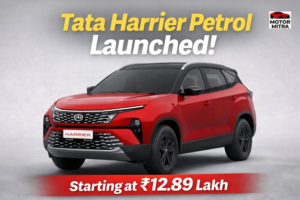
Also Read:- टाटा हैरियर पेट्रोल भारत में लॉन्च: कीमत, इंजन, फीचर्स और क्या है खास
ऐसी ही और ताज़ा खबरों और अपडेट्स के लिए जुड़े रहें Auto.MotorMitra के साथ।
धन्यवाद!
Times Mitra
Latest bytes of news.

Also Read:- A Historic Surge in Gold and Silver Prices: Reshaping Investment Dynamics in 2026
For more such updates and latest news on cars and bikes stay connected to times.motormitra.in
Thank you ..