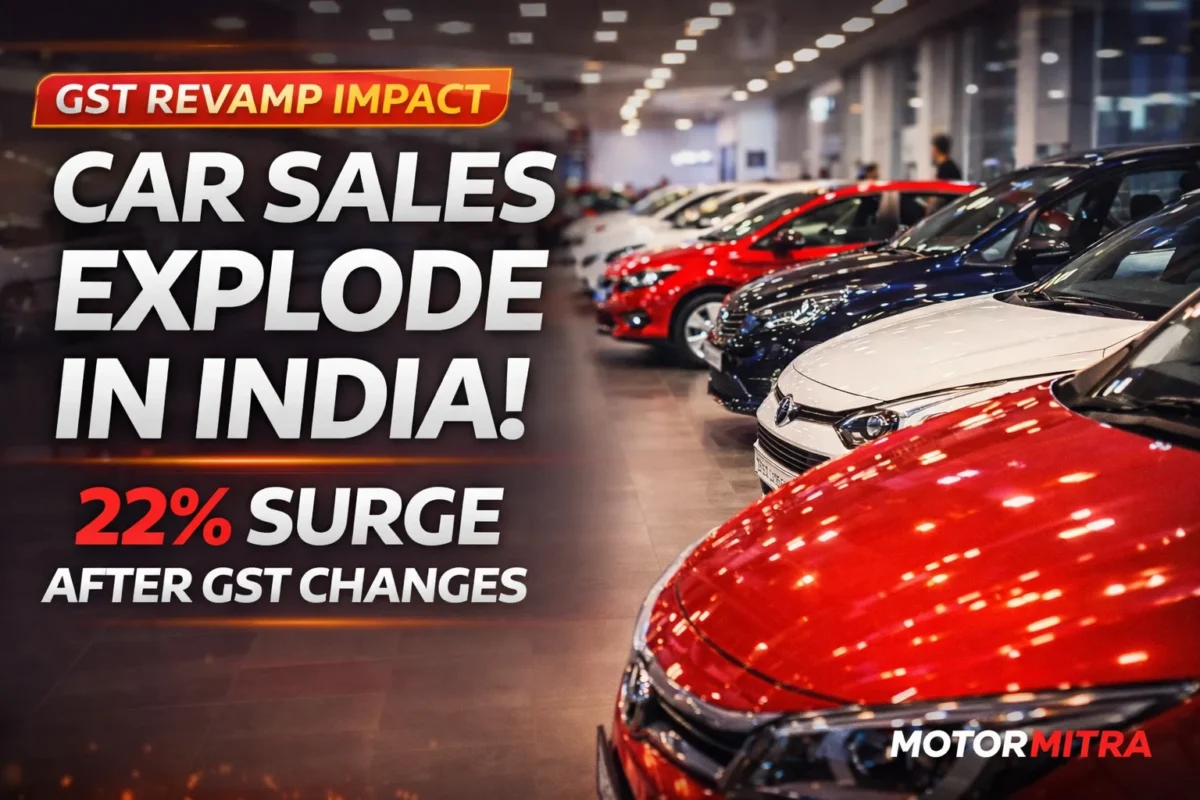
India’s auto market is back in high gear. Passenger vehicle (PV) sales recorded a significant 22% year-on-year rise in November 2025, driven by strong demand, improved affordability from GST reforms, and continued post-festive momentum, according to recent industry data.
Thank you for reading this post, don't forget to subscribe!Wholesale dispatches across OEMs also grew nearly 19%, underscoring strong production and dealer inventory movement.
What’s Driving the Sales Surge?
GST 2.0 Reforms Are Boosting Affordability
A major catalyst for the jump in vehicle sales is India’s GST 2.0 tax rationalisation, which came into effect in September 2025. Under the revised regime:
- Small passenger vehicles, especially sub-4-meter cars, moved into lower GST slabs
- Compensation cess was eliminated
- Tax simplification made vehicles cheaper across the board
This has translated into notable price reductions on entry-level and mid-range cars, prompting many buyers who were waiting for lower taxes to make their purchase decisions.
Also Read- 5 Best Automatic Cars Under ₹10 Lakh in 2026 – Budget-Friendly
Strong Retail Demand Alongside Production Growth
The sharp year-on-year increase is not just a statistical blip. Independent rating agency ICRA’s data shows that while retail growth climbed 22%, wholesale volumes increased 19%, meaning manufacturers ramped up production to meet demand.
Inventory levels also improved — a sign that dealers are moving stock at a healthy pace, narrowing the gap between supply and demand.
Factors Beyond GST That Are Helping Sales
Festive & Seasonal Demand
The post-festive period and the winter wedding season traditionally see elevated consumer spending on cars, which contributed to the uplift in November sales.
Entry-Level Car Revival
Smaller passenger cars — especially hatchbacks and budget sedans — are experiencing renewed interest as their ownership costs drop, making them more attractive to first-time buyers and budget-conscious families.
Industry Expansion & Launches
Several OEMs have recently introduced refreshed models and new variants that appeal to a broad buyer base, further stimulating retail interest.
Segment Insights: Who’s Buying What?
While GST reforms have broadly lifted sales, the entry-level and compact car segments are seeing particularly strong traction. Affordable petrol hatchbacks and small sedans are capturing buyer attention, especially among those upgrading from older vehicles or replacing two-wheelers with four-wheelers for enhanced comfort and safety.
Also Read- Tata Punch vs Citroën C3: Which One Should You Buy in 2026? The Ultimate Small Car Face-Off
Higher-end utility vehicles and premium cars are also benefitting indirectly, as improving economic conditions and easier financing options have boosted overall consumer confidence.
Expert Views on the Trend
Industry analysts believe the confluence of tax reform, model refreshes, festive demand, and improved customer sentiment has created a near-perfect environment for growth.
According to some market forecasts, total passenger car sales in India could exceed 4.5–4.6 million units for FY2026, underscoring sustained demand beyond short-term seasonal effects.
What It Means for Buyers
Lower Effective Prices
GST rationalisation has reduced the effective price of many cars. Buyers can now enjoy:
- Lower on-road prices on hatchbacks and compact sedans
- Reduced overall ownership cost
- Attractive deals on 2025 inventory
Better Negotiation Leverage
With sustained dealer inventory movement and competition among brands, buyers may have stronger negotiating power on pricing, finance offers, and exchange deals.
Stronger Resale & Market Confidence
Improved sales figures boost brand resale values and overall market confidence — important factors for anyone planning to refresh their car in the near term.
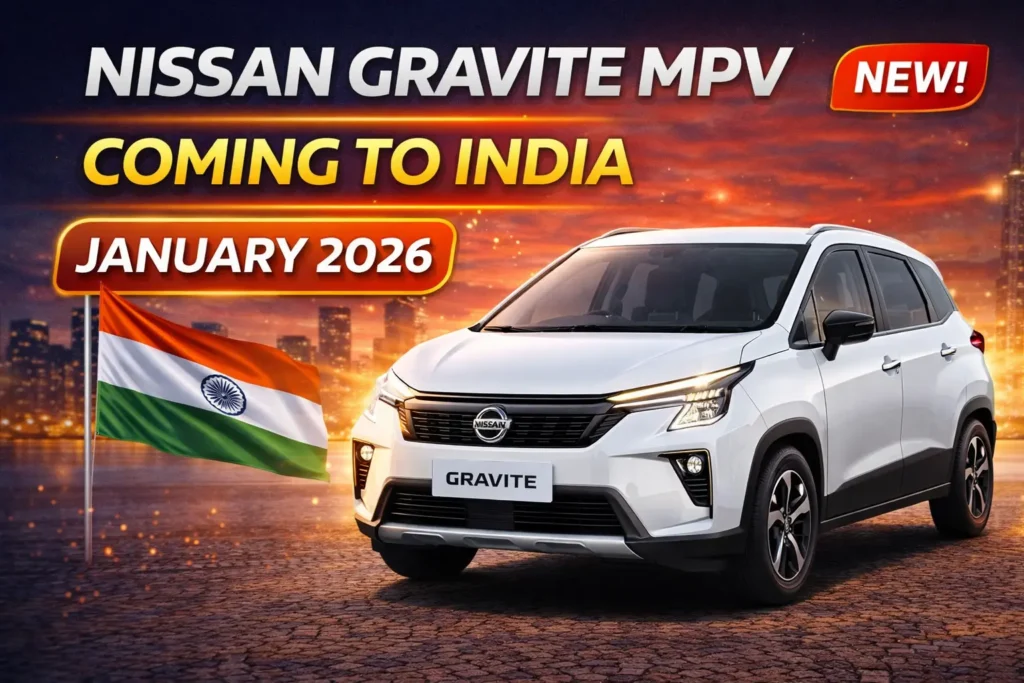
Also Read- Nissan Gravite MPV Set to Launch in India in January 2026
India’s passenger vehicle market is showing clear signs of revival and growth. The 22% year-on-year surge in sales reflects not just a seasonal bump, but a structural improvement driven by GST rationalisation, improved affordability, and strong retail demand.
For consumers, the improved sales environment means better prices, stronger deals, and more choices as auto makers compete for attention ahead of the new year.
For more such updates and latest news on cars and bikes stay connected to motormitra.in
Thank you ..