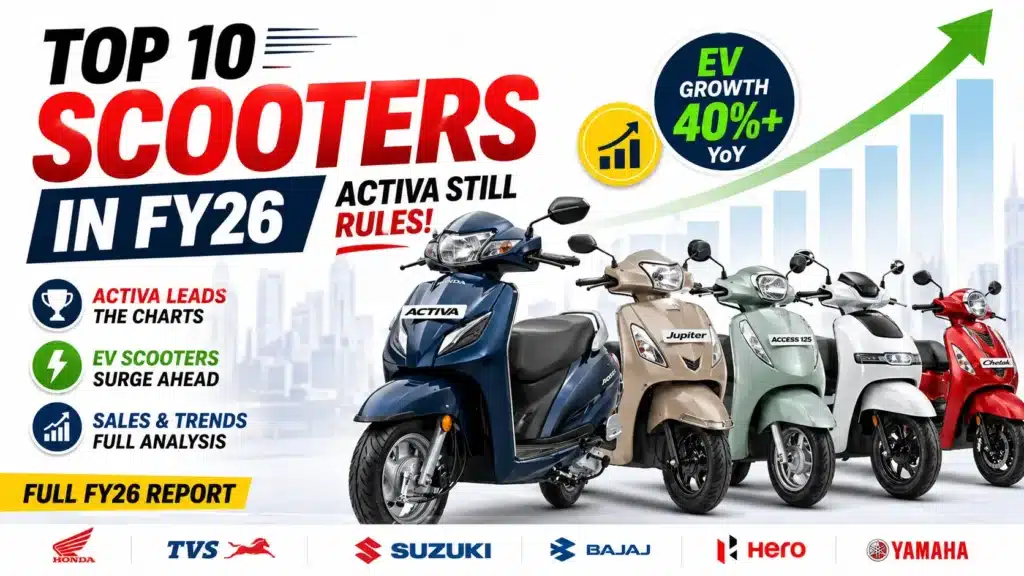
India’s two-wheeler landscape closed FY26 on a high note, with the scooter segment emerging as one of the strongest contributors to overall growth. What stands out this year is not just the scale of sales, but the shift in market dynamics. Legacy petrol scooters continue to dominate volumes, yet electric mobility is no longer on the fringes—it is steadily entering the mainstream.
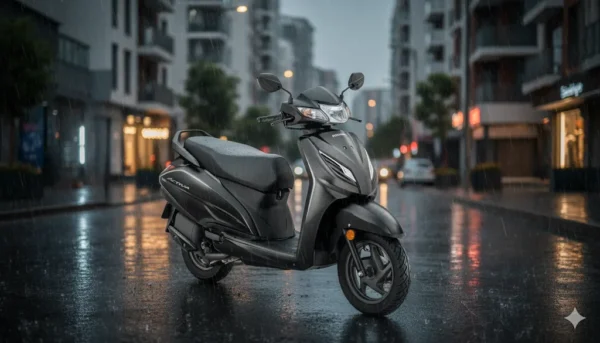
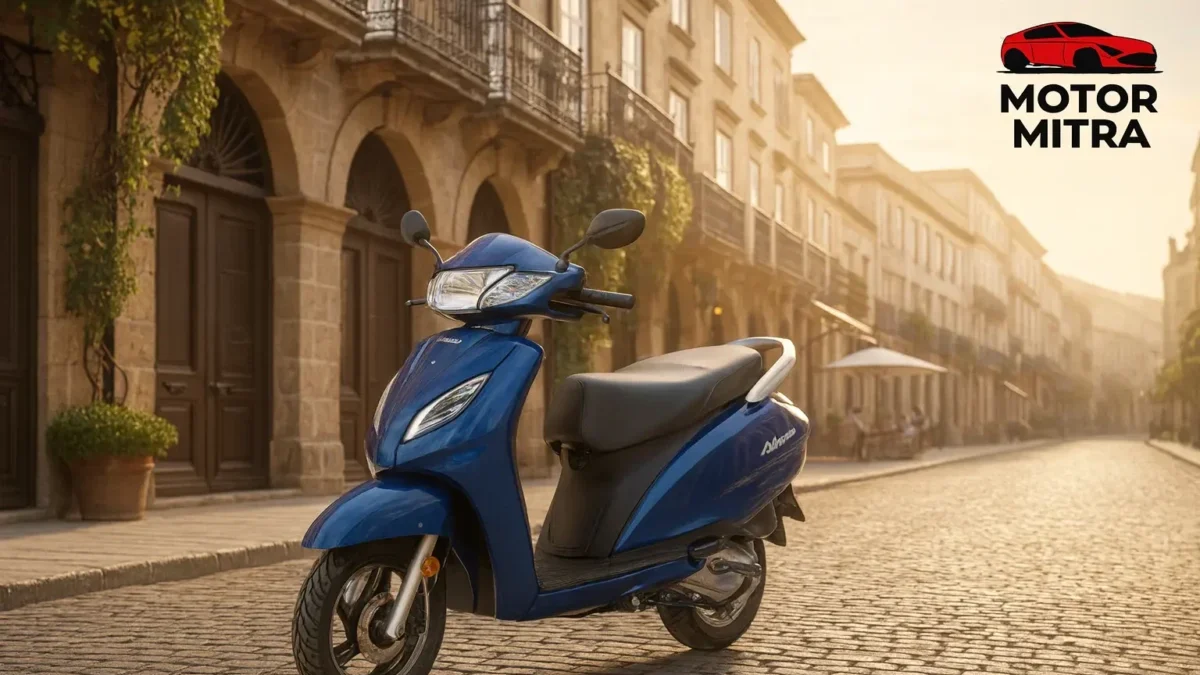
At the center of it all remains the Honda Activa, a name that has become almost synonymous with scooters in India. Its dominance in FY26 was once again overwhelming, with sales figures comfortably ahead of every rival. The Activa’s formula—reliability, affordability, and an unmatched service network—continues to resonate across both urban and rural markets. For many households, it is still the default, no-risk purchase.
Right behind it, the TVS Jupiter reinforced its position as the dependable alternative. With its comfort-oriented design and family-friendly appeal, Jupiter continues to draw buyers looking for practicality over flair. The Suzuki Access 125, meanwhile, maintained its stronghold in the third position, offering a refined engine and a well-balanced ride experience that appeals to daily commuters seeking a premium touch without stretching their budget too far.
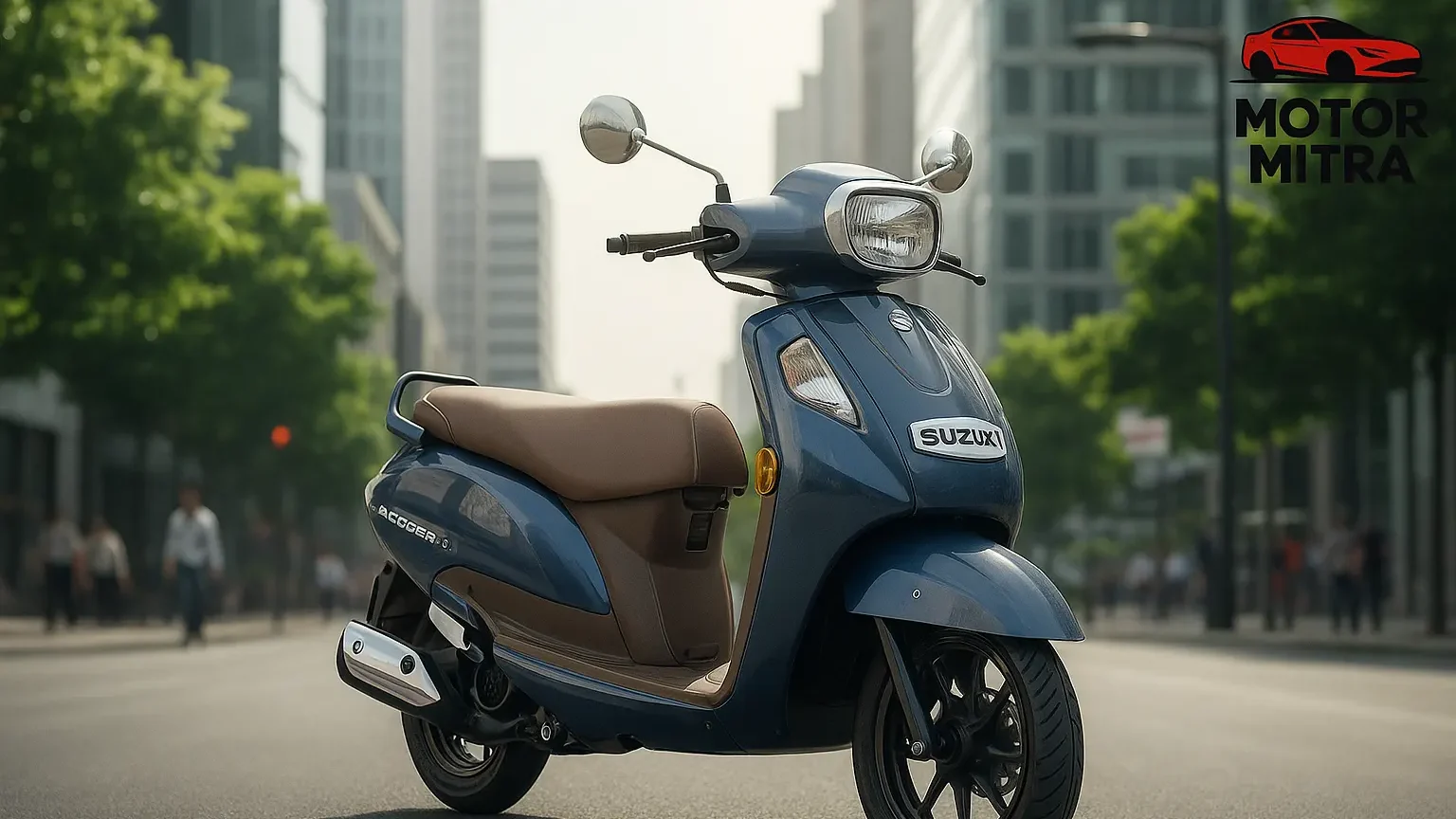
Sales Snapshot: India’s Top Scooters in FY26
| Rank | Model | Segment Insight |
|---|---|---|
| 1 | Honda Activa | Unchallenged leader, massive volume gap |
| 2 | TVS Jupiter | Strong family-oriented demand |
| 3 | Suzuki Access 125 | Refined and consistent performer |
| 4 | TVS iQube (EV) | Rapid growth in electric space |
| 5 | TVS Ntorq 125 | Youth-centric sporty scooter |
| 6 | Honda Dio | Entry-level style icon |
| 7 | Bajaj Chetak (EV) | Premium electric gaining traction |
| 8 | Suzuki Burgman Street | Maxi-scooter urban comfort |
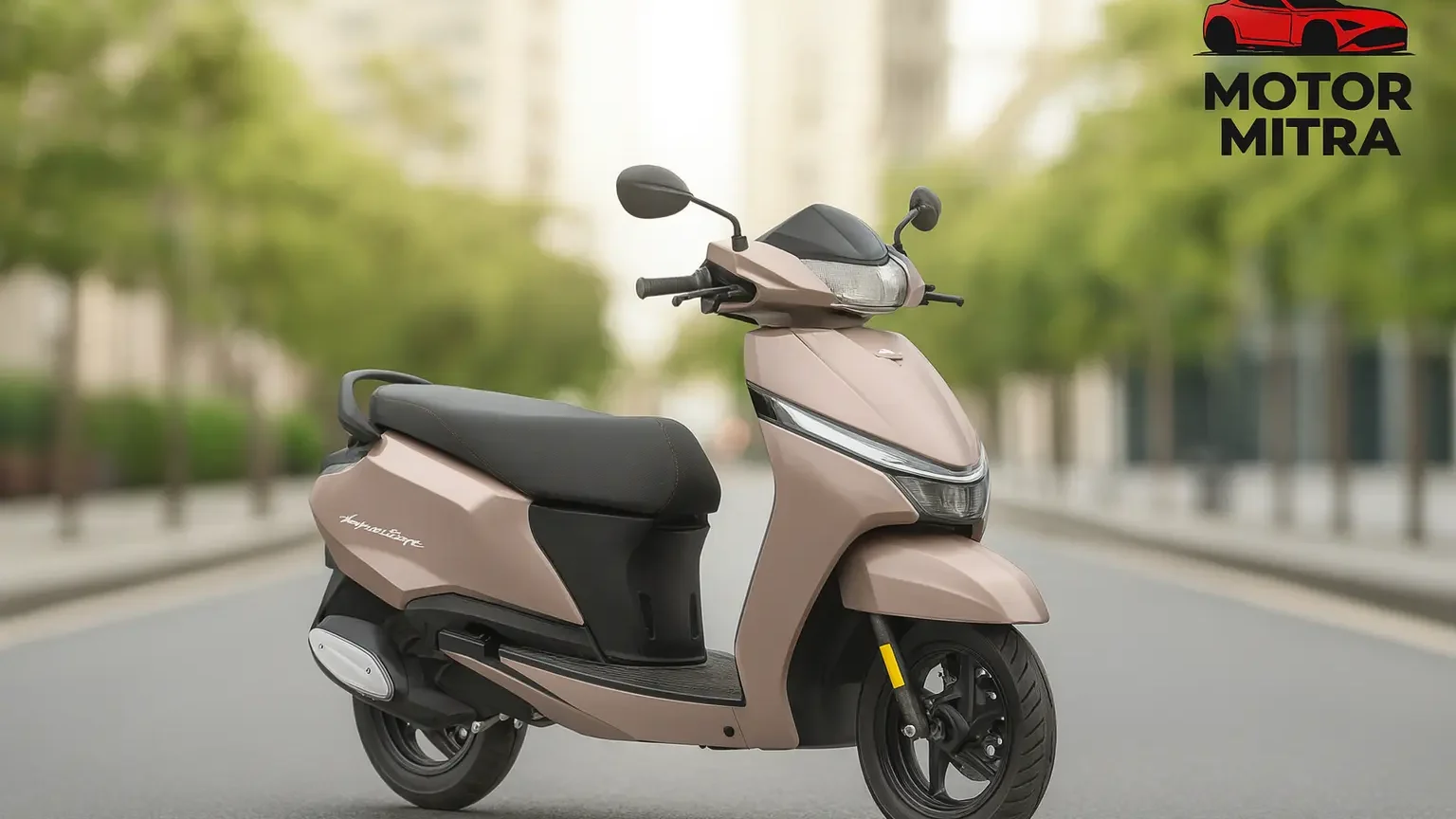
| 9 | Hero Destini 125 | Strong comeback with growth |
| 10 | Yamaha RayZR 125 | Lightweight and efficient |
While the top three positions remained largely unchanged, the real story of FY26 unfolded just below them. Electric scooters, once considered niche, have now secured meaningful positions in the top rankings. The TVS iQube, in particular, emerged as one of the fastest-growing models in the country, consistently climbing the charts month after month. Close behind, the Bajaj Chetak has carved out a premium identity, attracting buyers willing to pay more for design, brand recall, and a quieter, cleaner ride.
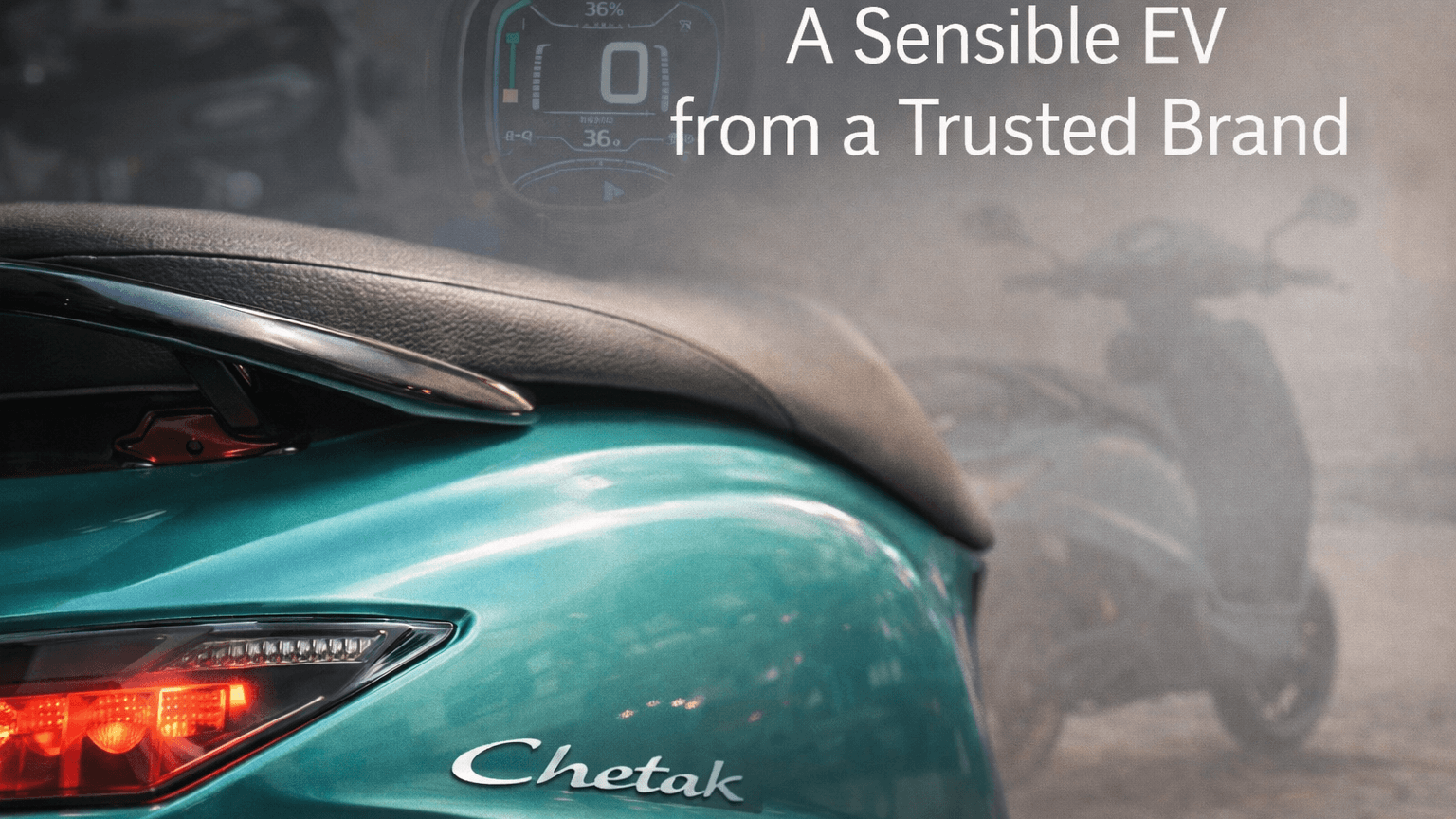
This growing acceptance of EVs is being driven by multiple factors. Rising fuel prices have made running costs a major consideration, and electric scooters offer a clear advantage here. At the same time, government incentives and gradual improvements in charging infrastructure have reduced the hesitation that once held buyers back. Urban consumers, especially, are beginning to view EVs not as experimental products, but as practical daily commuters.
Another defining trend of FY26 is the continued rise of the 125cc segment. Scooters like the Access 125, TVS Ntorq 125, and Hero Destini 125 have found a sweet spot between performance and efficiency. Buyers upgrading from entry-level 110cc models are increasingly drawn to the extra power and better highway capability, without sacrificing fuel economy. This shift indicates a maturing market where consumers are willing to spend slightly more for a noticeably improved riding experience.
Monthly sales patterns further underline the strength of the segment. Scooter volumes consistently stayed robust throughout the year, with several months recording significant year-on-year growth. Even as motorcycles remain dominant in rural areas, scooters are tightening their grip on urban mobility, where ease of use and convenience matter most.
What makes FY26 particularly interesting is the emergence of a dual-speed market. On one side are internal combustion engine (ICE) scooters—reliable, familiar, and still commanding the majority share. On the other side are electric scooters—fast-growing, technology-driven, and increasingly aspirational. Rather than replacing petrol scooters overnight, EVs are expanding the market by attracting a new set of buyers.
For manufacturers, this creates both an opportunity and a challenge. They must continue to innovate in traditional segments while simultaneously investing in electric mobility. For consumers, however, this translates into greater choice than ever before.
Looking ahead, the key question is not whether electric scooters will grow—they clearly will—but how quickly they can challenge the dominance of icons like the Activa. For now, the hierarchy remains intact. But the gap is slowly beginning to narrow.
FY26, therefore, may well be remembered as the year when India’s scooter market didn’t just grow—it evolved.
Stay tuned to MotorMitra for more exclusive deep dives into the world of Indian automotive excellence!