
You are about to spend ₹12–18 lakh on the new Volkswagen Taigun 2026. Right now, everything feels like the perfect decision. The showroom experience, the premium badge, and the confident sales pitch make it feel like you simply cannot go wrong.
But here is the uncomfortable truth. Many buyers realise within a few months that the car they were excited about does not feel as satisfying in daily life as they expected. And by the time that realisation hits, the decision is already locked in.
And if you get this decision wrong, you won’t just lose money—you will feel it every single day you drive.
What exactly are dealers not telling you before you book the Taigun 2026?
Why This Matters
- Real-world experience feels very different from what the brochure promises
- Feature gaps become obvious after a few weeks of ownership
- Choosing the wrong variant can cost you ₹1–2 lakh without real value
Also Read:- Volkswagen Taigun 2026 Launch Today – Biggest Mistake Buyers Are About to Make?
Taigun 2026: A Genuine Update or Just a Safe Refresh?
The Volkswagen Taigun 2026 is worth buying only if you prioritise driving performance and safety. If your focus is features, comfort, and overall value, there are clearly better options available right now.
At first glance, the 2026 update looks fresh and improved, but once you go deeper, the changes feel more evolutionary than revolutionary. The design tweaks are subtle, and while there are minor feature additions, the overall package remains largely familiar.
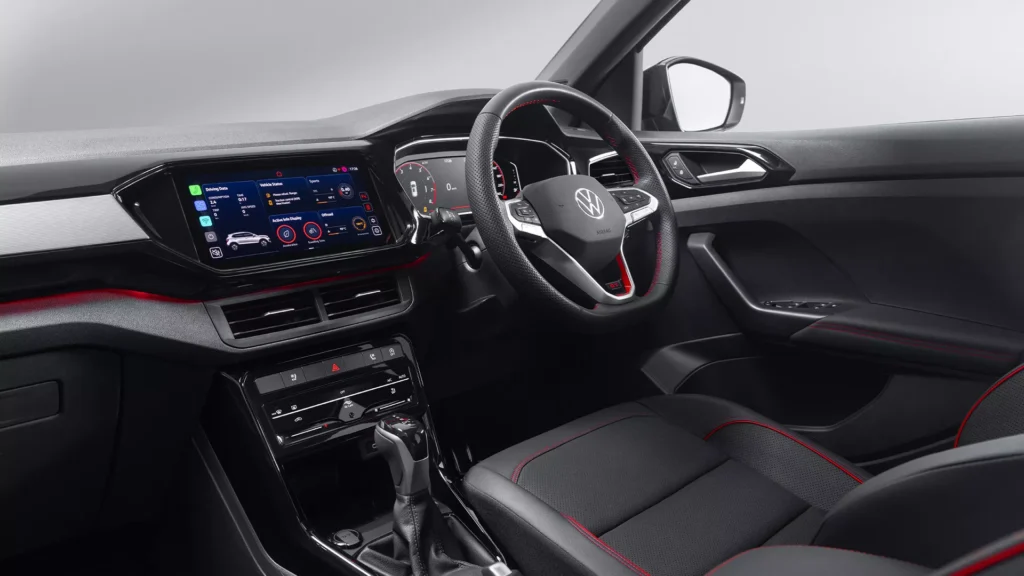
Inside the cabin, the build quality still feels solid and the layout is clean. However, when compared directly with rivals, it begins to feel slightly dated. This is not a bold upgrade—it is a safe refresh that avoids risk but also avoids real excitement.
And this is exactly where expectations start to misalign with reality.
Quick Specs Snapshot
| Feature | Details |
|---|---|
| Engine Options | 1.0L TSI / 1.5L TSI |
| Power | 115 PS / 150 PS |
| Gearbox | Manual / AT / DSG |
| Mileage (Claimed) | 18–20 km/l |
| Safety | 5-Star Rating |
| Price Range | ₹11.7L – ₹18.5L |
On paper, everything looks sorted. But real problems don’t show up on spec sheets.
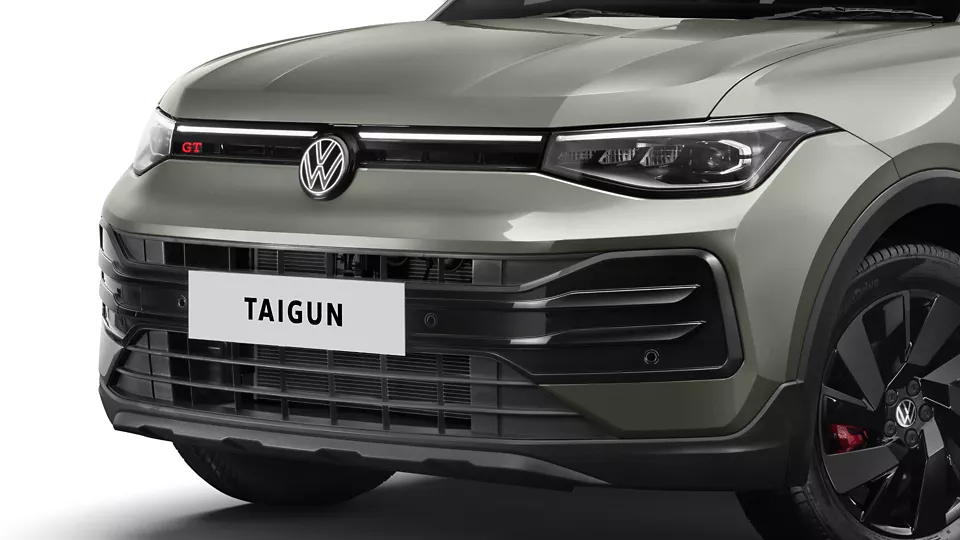
Driving Experience: Still the Strongest Reason to Buy
If driving matters to you, the Taigun continues to deliver in a way most rivals simply cannot. The steering feels precise, the suspension is well-balanced, and the 1.5 TSI engine offers a level of engagement that genuinely stands out.
On highways, the car feels planted and confident, giving you a sense of control that builds trust over time. Even in the city, the 1.0 TSI performs smoothly, although heavy traffic may expose slight lag at low speeds.
And this is exactly why so many buyers fall for it in the first place.
What Dealers Won’t Clearly Tell You
This is where the real story begins to unfold, and it is something most buyers only understand after ownership. The feature list, at this price point, is not as aggressive as the competition, and that becomes more noticeable with time.
There is no panoramic sunroof, limited advanced tech, and the cabin experience does not feel as modern as rivals like the Seltos or Creta. These are not deal-breakers on day one—but they slowly turn into questions.
Sounds small now, but this is exactly where regret begins.
Rear Seat and Daily Comfort: The Silent Compromise
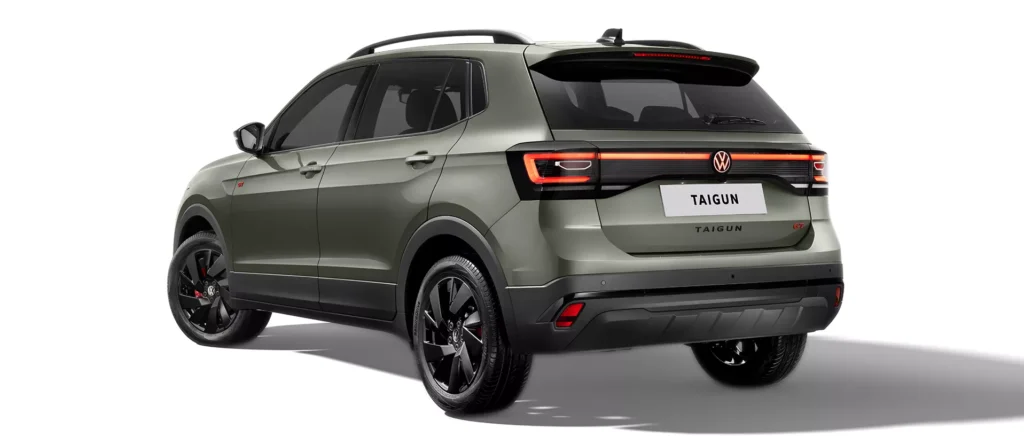
The rear seat space is decent, but not segment-leading, and this matters more than most buyers expect. For family usage, comfort and space are not optional—they define the daily experience.
Over time, especially on longer drives, you may begin to feel that the car prioritises the driver more than the passengers. That imbalance may not seem critical at first, but it gradually becomes noticeable.
And this is exactly where expectations start to fall apart.
Also Read:- New Renault Duster vs Creta, Seltos, Kushaq & Taigun — Who’s Under Real Pressure?
Reality Check: Where Rivals Stand Today
| SUV | Strength | Weakness |
|---|---|---|
| Taigun | Driving, safety | Features, rear comfort |
| Seltos | Features, tech | Safety concerns |
| Creta | Comfort, resale | Driving feel average |
| Kushaq | Similar DNA | Same limitations |
Who Should Buy the Taigun 2026?
If you are someone who genuinely enjoys driving, values solid build quality, and prioritises safety over features, the Taigun still makes strong sense. It is built for drivers who care about how a car feels on the road, not just how it looks on paper.
For such buyers, the emotional connection with the car can outweigh the missing features, and that is where the Taigun justifies its price.
Who Should Avoid It?
If your priority is a feature-loaded cabin, modern tech, and maximum comfort for family usage, the Taigun may not fully satisfy you. Over time, you may feel that you paid a premium without getting a complete package.
This is not an instant regret—it builds slowly, and that is what makes it more frustrating.
And this is exactly the mistake most buyers never see coming.
Buy or Wait: The Decision That Actually Matters
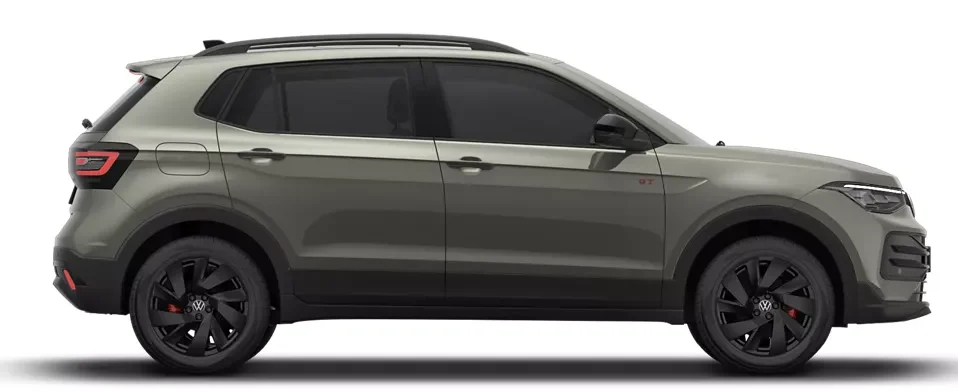
If you are getting a strong discount, the Taigun becomes a much more sensible buy because its fundamentals are still solid. However, at full price, it starts to feel less competitive against feature-rich rivals.
With the market evolving quickly and newer updates expected, waiting could actually give you a better deal or a more complete product.
And this is where a little patience can save you a lot of regret.
And this is exactly where rushing this decision can cost you the most.
Final Verdict: Smart Choice or Silent Regret?
The Volkswagen Taigun 2026 is a car that impresses you instantly but tests your expectations over time. It delivers strongly on driving and safety but asks you to compromise on features and rear comfort.
If you are clear about your priorities, it can be a rewarding choice. But if you are expecting a complete all-rounder, this decision can slowly turn into doubt.
Final decision is simple. Buy it for the drive, skip it for features, and wait if you are unsure. Because a wrong decision here won’t just cost you money—it will remind you of that mistake every single day.