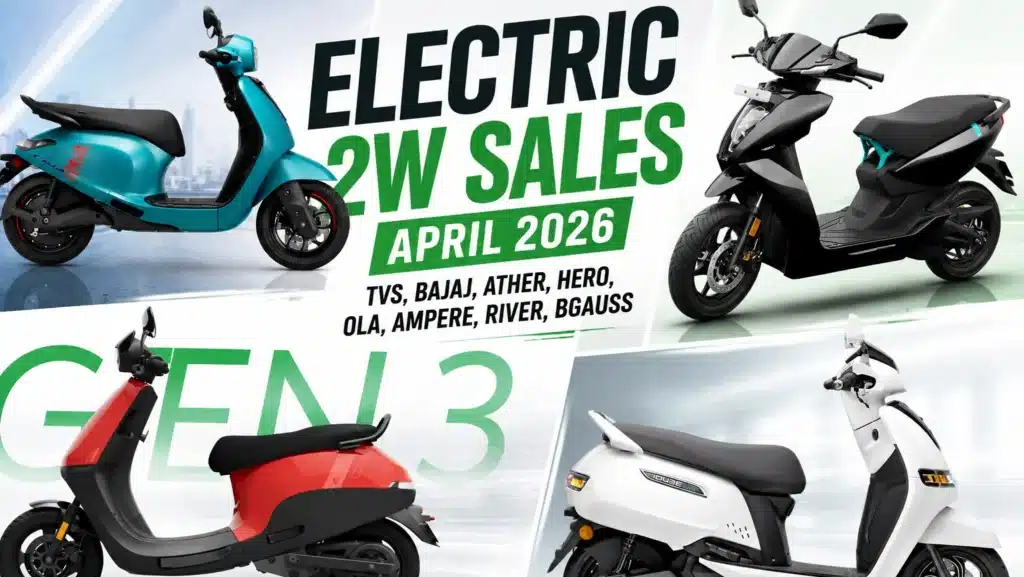
India’s EV scooter battle just became far more serious because TVS has now delivered a performance that is forcing the entire industry to react. At a time when brands like Ola Electric, Ather, Bajaj, Hero, Ampere, River, and BGauss are aggressively fighting for market share, the latest Electric 2W Sales April 2026 numbers have completely changed the conversation around India’s electric two-wheeler market.
For a long time, Ola Electric dominated headlines whenever India’s EV market was discussed. Ather continued building a premium performance-focused image, while Bajaj and Hero slowly expanded their electric strategy with stronger dealer reach and practical products. But now, TVS no longer looks like just another competitor inside the EV segment.
The biggest reason this matters so much is because Indian buyers are now choosing EV scooters very differently compared to previous years. Earlier, customers mainly focused on hype, futuristic styling, and aggressive pricing. Today, reliability, service network, battery confidence, practicality, resale value, and long-term ownership experience have become much more important.
Also read:- Bajaj Chetak C25: India’s Rs 91K EV Scooter Slayer with 113km Punch?
That shift is rapidly changing India’s electric scooter market.
Why This Matters
- Electric 2W Sales April 2026 numbers show TVS gaining major momentum
- Ola, Ather, Bajaj, Hero, and other rivals face stronger EV rivalry
- Buyer priorities are rapidly changing across India’s electric scooter market
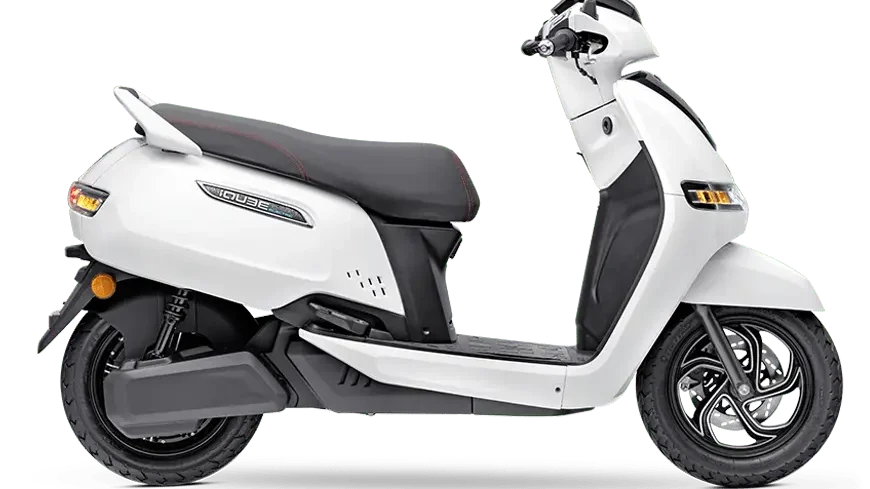
According to the latest Electric 2W Sales April 2026 data, TVS delivered one of the strongest performances inside the segment, creating serious market tension for rivals that were previously dominating the EV conversation. TVS now looks like one of the smartest players inside India’s EV market because its strategy is finally translating into real buyer momentum.
The company’s EV approach appears far more balanced now because it combines dealership strength, trusted after-sales support, practical scooter usability, and strong brand familiarity together. That combination is becoming extremely important as India’s EV market matures rapidly.
| Brand | April 2026 EV Market Position | Key Strength |
|---|---|---|
| TVS | Strong momentum | Dealer network + trust |
| Ola Electric | Aggressive EV player | Technology + pricing |
| Ather | Premium EV positioning | Performance + software |
| Bajaj | Expanding steadily | Reliability + brand trust |
| Hero | Growing EV presence | Large customer reach |
TVS Is Winning Where Buyers Actually Care
One of the biggest reasons behind TVS gaining stronger traction is that Indian EV buyers are becoming more practical now. Earlier, flashy launches and futuristic marketing were enough to attract attention. But after spending real time with electric scooters, customers are now prioritizing service quality, battery reliability, real-world range, spare support, and ownership peace of mind much more seriously.
That is exactly where TVS appears to be performing strongly because the company already carries massive trust in India’s two-wheeler market. Many buyers now feel more comfortable purchasing EV scooters from brands with proven long-term support instead of depending only on aggressive startup-style expansion. This changing market behavior is now creating a much tougher challenge for rivals because customers are no longer making decisions based only on launch excitement or social media hype.
Also read:- Ultraviolette Tesseract Revealed: The 261 Km Range Electric Scooter That Changes Everything!
Ownership experience itself is becoming one of the biggest deciding factors inside India’s EV market.
Ola, Ather And Bajaj Still Remain Dangerous Rivals
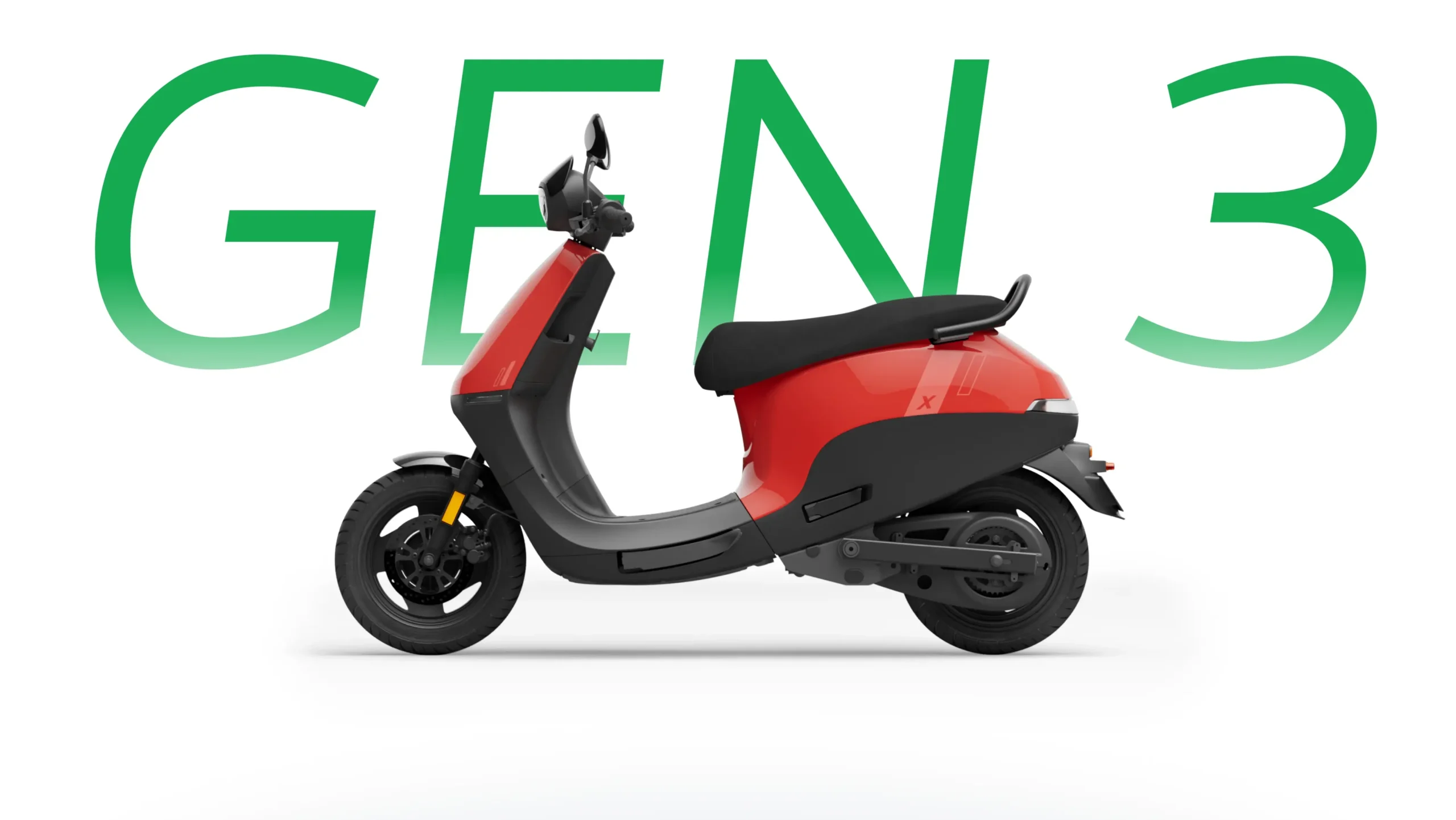
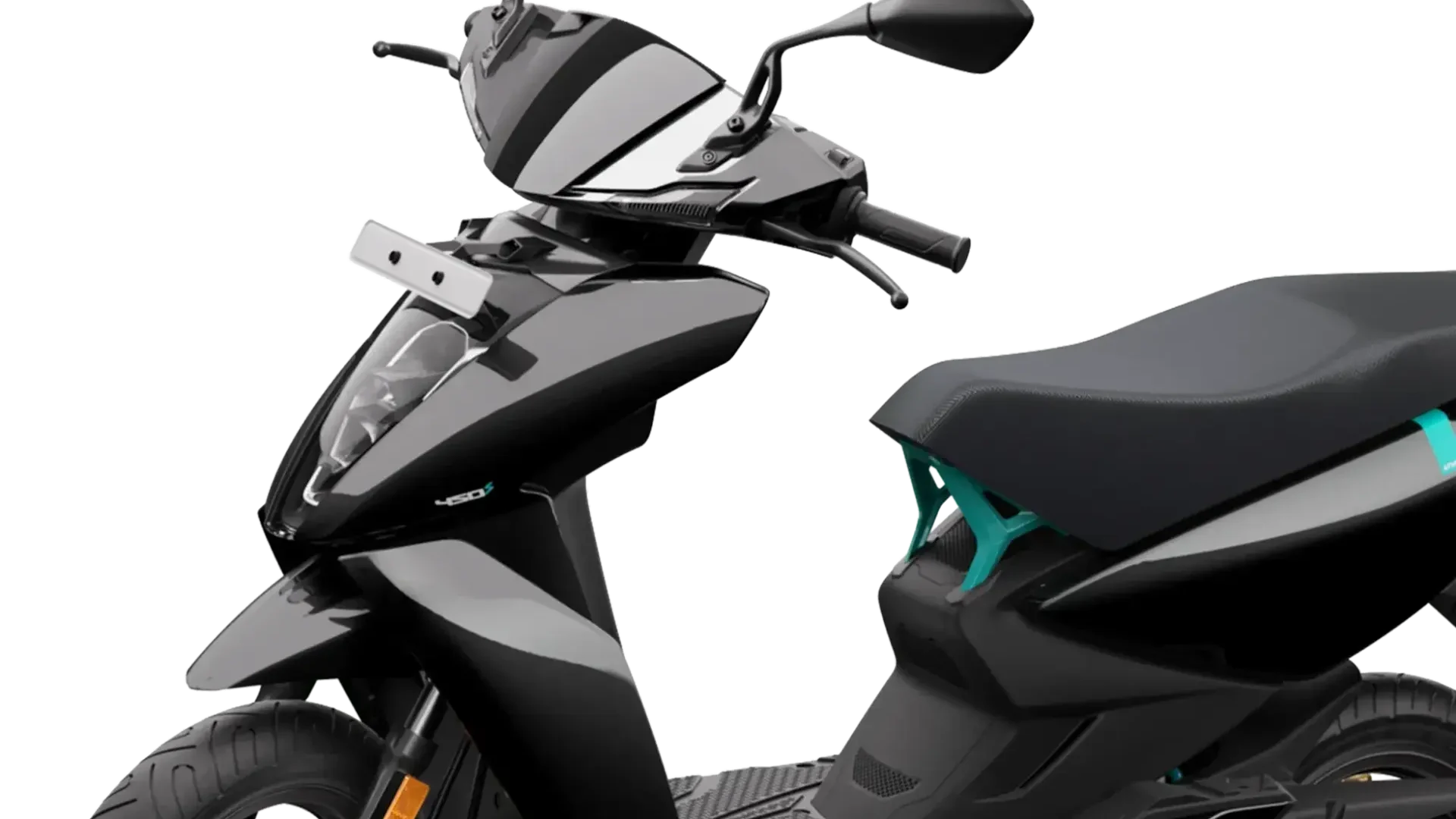
Even though TVS is currently gaining major momentum, the EV battle is still far from over. Ola Electric continues pushing aggressively with product expansion, software-focused features, and strong pricing strategy. Ather still maintains a premium and technology-heavy image among urban EV buyers, while Bajaj is steadily increasing its presence with a more mature and reliability-focused approach.
At the same time, Hero, Ampere, River, and BGauss are also trying to strengthen their position as India’s EV market becomes more crowded every month. That means rivalry is no longer limited to just one or two major players anymore because the entire electric scooter segment is now entering a much more serious growth phase.
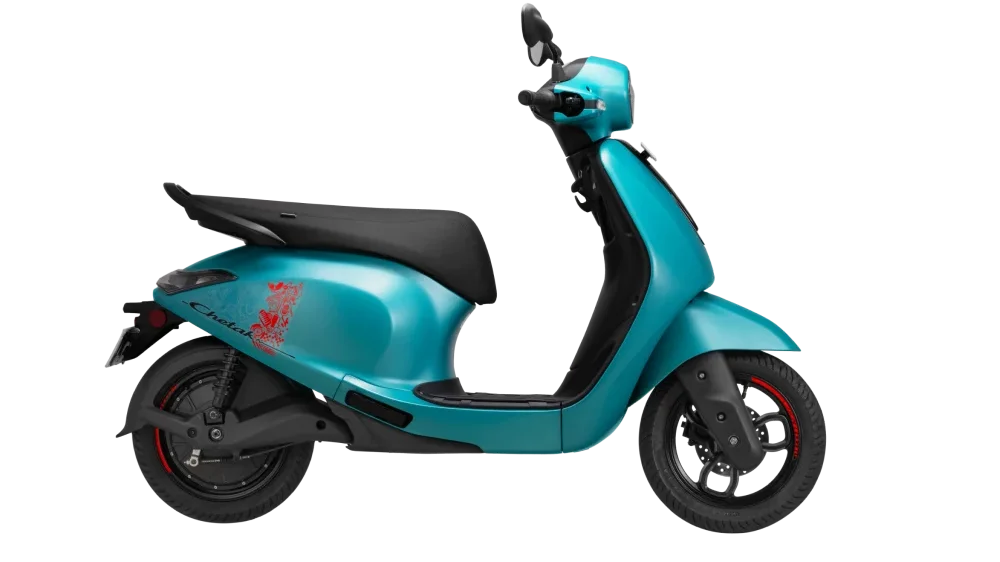
India’s EV Scooter Market Is Entering A New Phase
The biggest takeaway from the latest Electric 2W Sales April 2026 numbers is that India’s EV market is evolving much faster now. Buyers are becoming smarter, expectations are rising rapidly, and companies can no longer depend only on marketing excitement to dominate the segment.
Brands now need to deliver strong real-world ownership experience, dependable service support, practical range, software stability, charging convenience, and long-term confidence together. That is exactly why legacy manufacturers like TVS and Bajaj suddenly look much more dangerous inside the EV race.
After these latest Electric 2W Sales April 2026 figures, one thing already feels very clear — India’s electric scooter battle is becoming far more aggressive than before. And if TVS continues building this momentum while improving its EV lineup further, Ola Electric, Ather, Bajaj, and several other rivals could soon face a much tougher fight for dominance in India’s rapidly evolving EV scooter market.