
If you think the 7-seater market in India is only about premium SUVs and big-budget buyers, FY26 data tells a completely different story. Top 20 Best-Selling 7-Seater Cars real battle is not about luxury, it is about practicality, cost, and long-term value, and that is exactly what most families are choosing today.
The real surprise is the gap between perception and reality. While new SUVs and feature-loaded models are entering the market aggressively, one car continues to dominate with a margin so big that it reshapes how this entire segment behaves.
This is not just a sales list, this is what Indian families are actually choosing.
Why This Matters
• Shows real buyer preference across budget and premium segments
• Helps identify best value-for-money 7-seaters
• Directly impacts buying decisions in ₹7–25 lakh segment
Also Read:- Best Time to Buy a Car in India 2026 – Month Wise Guide & Tips
Top 10 Best-Selling 7-Seater Cars (FY26)
| Rank | 7-Seater Cars Model | Units Sold (FY26) | Growth (YoY) | What It Means |
|---|---|---|---|---|
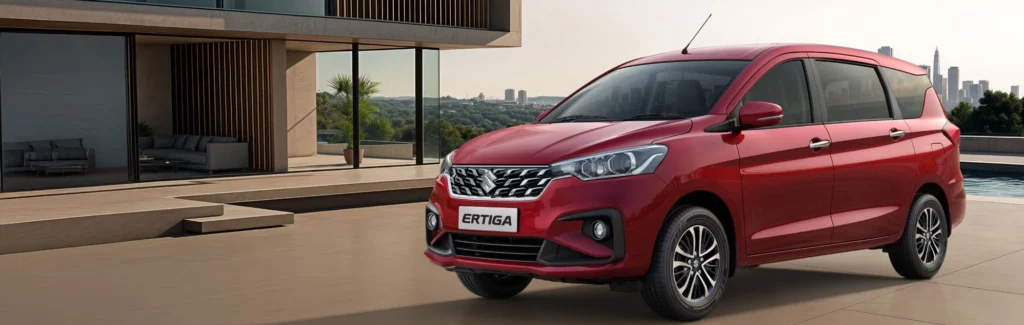
| 1 | Maruti Suzuki Ertiga | 1,98,876 | +4.1% | Segment king with unmatched demand |
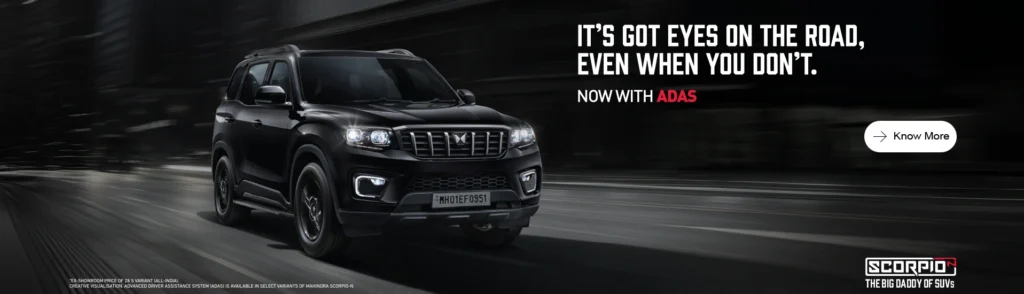
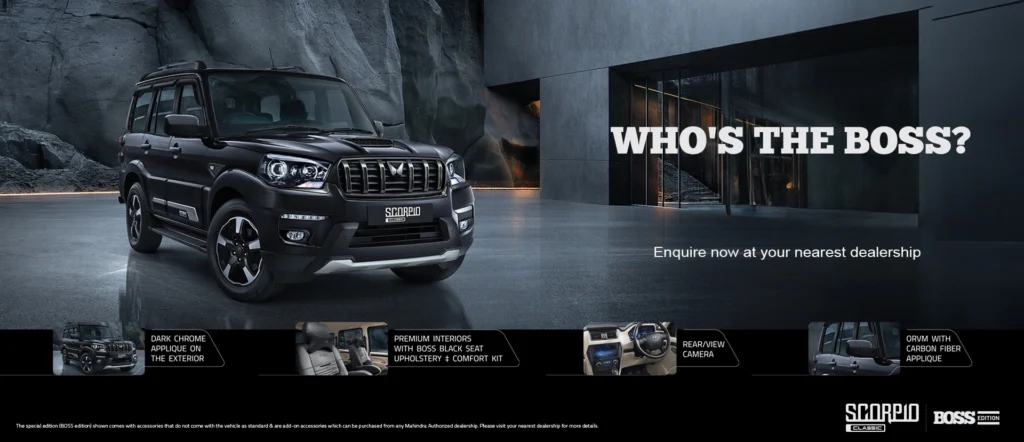
| 2 | Mahindra Scorpio (N + Classic) | 1,78,800 | +8.5% | Strong SUV dominance |
| 3 | Toyota Innova (Hycross + Crysta) | 1,12,188 | +4.6% | Premium MPV leader |
| 4 | Mahindra Bolero | 1,10,136 | +16.2% | Rural market powerhouse |
| 5 | Mahindra XUV 7XO + XUV700 | 87,412 | -6.1% | Tech-focused choice |
| 6 | Kia Carens + Clavis | 76,837 | +18.9% | Fast-growing segment player |
| 7 | Maruti Suzuki XL6 | 37,159 | +0.1% | Premium Ertiga alternative |
| 8 | Toyota Fortuner | 35,216 | +7.4% | Status-driven demand |
| 9 | Renault Triber | 25,174 | +26.5% | Best budget 7-seater |
| 10 | Toyota Rumion | 24,425 | +11.6% | Reliable and practical option |
Rank 11–20: The Hidden Layer of the Market
This is where the real market story unfolds. The lower half of the Top 20 Best-Selling 7-Seater Cars list reveals how the Indian market is evolving across price segments, from budget buyers to luxury and early EV adopters.
Models like Tata Safari and Hyundai Alcazar still maintain presence despite slowing demand, while new entries like Mahindra XEV 9S and Nissan Gravite highlight a shift toward electric mobility and global platforms.
At the same time, premium options like Toyota Vellfire and Skoda Kodiaq prove that demand exists even at the top end. This is not just a ranking, it is a complete snapshot of buyer behavior.
Full Market Snapshot (11–20)
| Rank | 7-Seater Cars Model | Units Sold | Growth | Segment Insight |
|---|---|---|---|---|
| 11 | Tata Safari | 19,508 | -2.6% | Premium but slowing |
| 12 | Hyundai Alcazar | 12,393 | -27.7% | Demand drop visible |
| 13 | Mahindra XEV 9S (EV) | 7,896 | New | EV disruption begins |
| 14 | Nissan Gravite | 2,375 | New | Entry-level challenger |
| 15 | Skoda Kodiaq | 1,793 | +7.9% | Luxury niche growth |
| 16 | Toyota Vellfire | 1,483 | +28.4% | Ultra-premium demand |
| 17 | Jeep Meridian | 1,201 | -5.2% | Struggling in segment |
| 18 | Kia Carnival | 874 | -35.8% | Premium MPV decline |
| 19 | Mahindra Marazzo | 381 | +129.5% | Comeback attempt |
| 20 | Volkswagen Tayron | 238 | New | New global entry |
Also Read:- Hyundai Creta vs Kia Seltos Comparison in 2026 – Which SUV Is Better?
Why No.1 Still Dominates Everything
It is not surprising that the Maruti Suzuki Ertiga sits at the top, but what truly stands out is the gap it maintains over every competitor. With a massive 21.3% market share, it is not just leading the segment, it is controlling it.
The biggest reason behind this dominance is its unmatched combination of practicality and fuel efficiency. The CNG variant, delivering up to 26.11 km/kg, makes it extremely attractive for both private buyers and fleet operators, strengthening its hold even further.
This is exactly where competitors fail to match the Ertiga, because while they focus on features and styling, the Ertiga delivers pure economics, and in the Indian market, economics consistently wins.
The Bigger Trend: What This List Actually Reveals
The strong presence of Mahindra models like Scorpio and Bolero clearly shows that rugged SUVs still have massive demand, especially in non-metro and semi-urban markets where durability matters more than features.
At the same time, the entry of electric models like the XEV 9S indicates that the market is slowly shifting toward EV adoption, even in the family segment where practicality is critical.
This shift highlights one key change. Buyers are no longer just choosing bigger cars, they are choosing smarter options based on long-term value.
Who Should Buy What (Decision Section)
If your priority is affordability, mileage, and low maintenance, the Ertiga continues to be the safest and most logical choice in this segment, especially for large families and fleet usage.
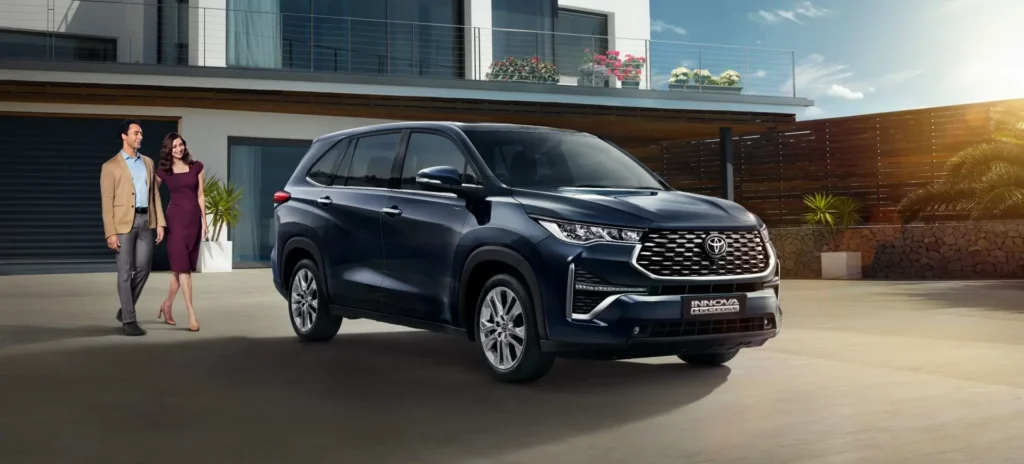
If you want strong road presence and SUV appeal, the Scorpio lineup offers a compelling alternative, while the Innova remains the go-to option for buyers looking for premium comfort and reliability.
For budget-focused buyers, the Triber stands out as the most accessible option, while EV-focused buyers may start considering new entrants as the segment evolves.
Final Verdict: Reality vs Perception
The FY26 data proves one simple fact. The Indian 7-seater market is not driven by hype, it is driven by value, and that is where most buyers make their final decision.
While new launches and premium SUVs may grab attention, it is still the practical, efficient, and reliable options that dominate real-world sales.
And until that changes, the top spot will remain difficult to challenge, because in this segment, the winner is not the most exciting car, it is the one that makes the most sense every single day.