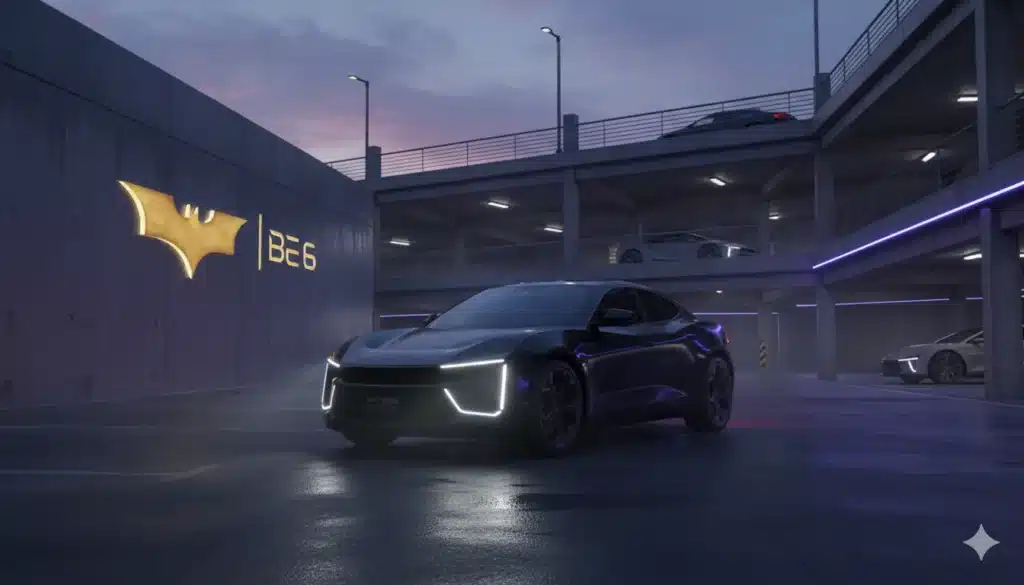

If you thought Tata’s Nexon EV was untouchable in India, this development changes the equation completely. Stellantis has officially patented the Leapmotor B10 electric SUV in India, and this is not just another EV entry—it signals a serious attack on the mass-market electric segment.
But here’s what makes this even more interesting. This isn’t a slow rollout or experimental launch. This is a calculated move backed by global EV technology, and if the specs hold true, the Leapmotor B10 could redefine what buyers expect at this price point.
And that’s where things get intense. Because this is no longer about competition, this is about disruption.
Why This Matters
• Stellantis officially patents Leapmotor B10 for India entry
• Claimed 600 km range directly challenges Nexon EV Long Range
• High-end tech like LiDAR & Snapdragon chip in mid-range SUV
Also Read:- Honda’s Shock Move! New Hybrid And EV Cars Set To Hit India Market
The Stellantis Strategy: Why This Move Is Bigger Than It Looks
Stellantis is not entering India blindly. Through its partnership with Leapmotor, it is combining global manufacturing strength with cutting-edge EV technology, allowing it to fast-track competitive products into emerging markets like India.
This patent filing confirms one thing very clearly. Stellantis is no longer aiming for a niche presence with brands like Jeep and Citroën, it is now targeting the core of India’s EV market where volume matters the most.
This patent filing confirms one thing very clearly. This is no longer aiming for a niche presence with brands like Jeep and Citroën, it is now targeting the core of India’s EV market where volume matters the most, making this not just expansion but a clear positioning shift.
Leapmotor B10: Specs That Change the Game
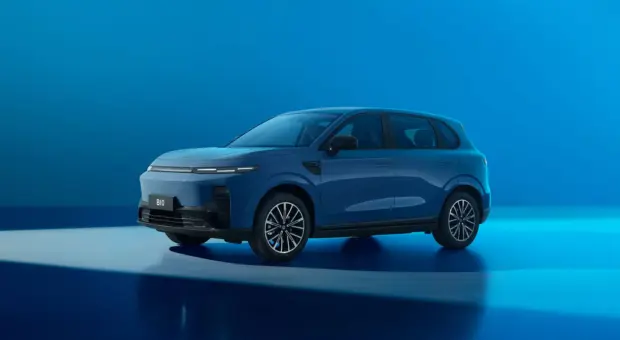
If global specifications are anything to go by, the Leapmotor B10 is not just competitive, it is ahead of the curve. The biggest highlight is the claimed range of up to 600 km, which immediately puts it above most current EV offerings in India.
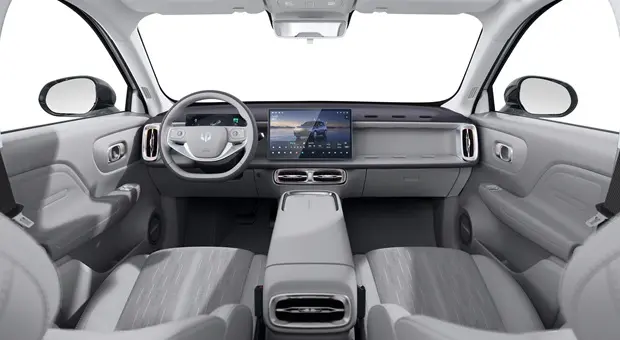
On top of that, the SUV is expected to feature a Snapdragon 8295 chipset powering a large 14.6-inch infotainment system, along with a roof-mounted LiDAR sensor enabling advanced driver assistance features rarely seen in this segment.
Performance is equally strong, with outputs going up to 228 bhp, making it not just efficient but also engaging to drive.
What Makes It a Real Nexon EV Killer
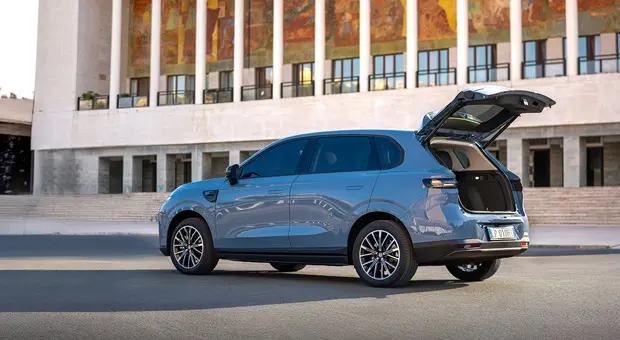
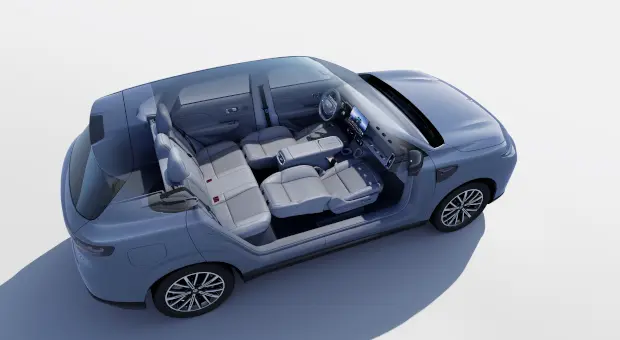
The Leapmotor B10 is not just about numbers, it is about how everything comes together. With a wheelbase of around 2,735 mm, it offers significantly more cabin space compared to the Nexon EV, making it more practical for family buyers.
Design also plays a major role. With features like flush door handles, sleek LED lighting, and a minimalist yet futuristic look, it positions itself as a premium offering without stepping into luxury pricing territory.
This is where the real pressure builds for competitors.
Specs Comparison: Nexon EV vs Leapmotor B10
| Factor | Leapmotor B10 | Nexon EV Long Range | Real Impact |
|---|---|---|---|
| Range | ~600 km (CLTC) | ~465 km (ARAI) | Massive range advantage |
| Power | Up to 228 bhp | ~143 bhp | Stronger performance |
| Tech | LiDAR + Snapdragon 8295 | Standard ADAS (limited) | Big tech gap |
| Infotainment | 14.6-inch | 12.3-inch | Premium experience |
| Wheelbase | ~2735 mm | 2498 mm | More space |
| Expected Price | ₹15–20 Lakh | ₹16–19 Lakh | Direct competition |
Also Read:- Planning to Buy an EV? These 6 Upcoming Electric Cars Might Be Worth Waiting For
Pricing: The Real Game-Changer
The most critical factor will be pricing. By leveraging its Ranjangaon manufacturing facility, Stellantis is expected to price the Leapmotor B10 between ₹15 lakh and ₹20 lakh.
If this happens, it places the B10 directly against the Nexon EV, but with significantly higher specs and features on paper.
This is where the competition becomes serious. Because now buyers are not just choosing a brand, they are choosing value.
Who Should Buy and Who Should Wait
If you are someone who values proven reliability, strong service network, and peace of mind, the Nexon EV still remains a safe and dependable choice in the current market.
However, if you are a tech-focused buyer who wants next-generation features, higher range, and a more premium overall experience, waiting for the Leapmotor B10 could be a smarter move.
This is not just a choice between two cars. This is a choice between present reliability and future technology.
Final Verdict: Real Threat or Just Hype?
The Leapmotor B10 is easily the most serious challenger Tata has faced in the EV space so far. Backed by Stellantis and loaded with high-end technology, it has the potential to disrupt the segment if executed correctly.
But like every new entrant, the real test will be execution—pricing, service network, and long-term reliability.
If Stellantis gets these right, this won’t just be another EV launch.
This will be the moment the Nexon EV finally gets a true rival.