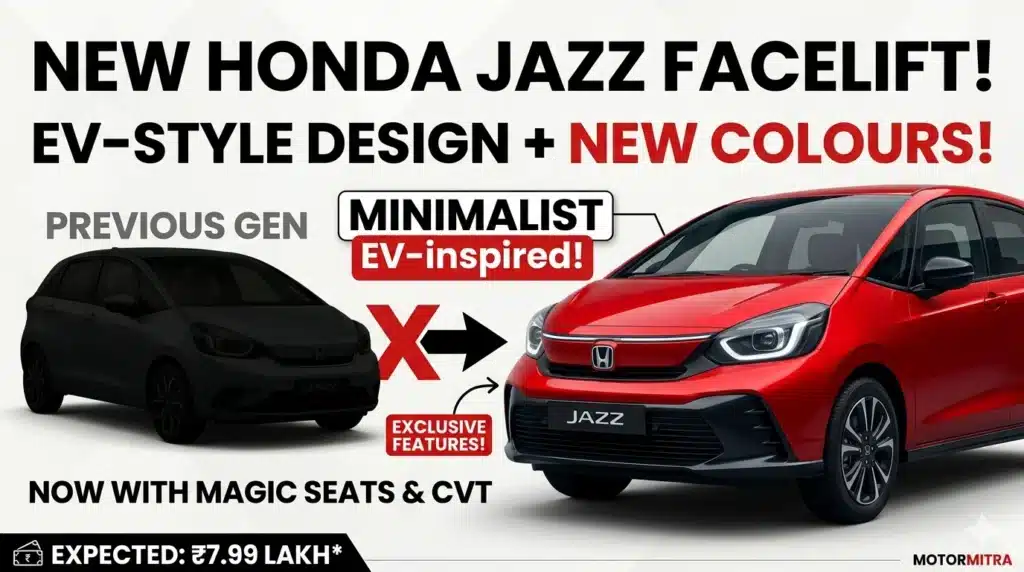
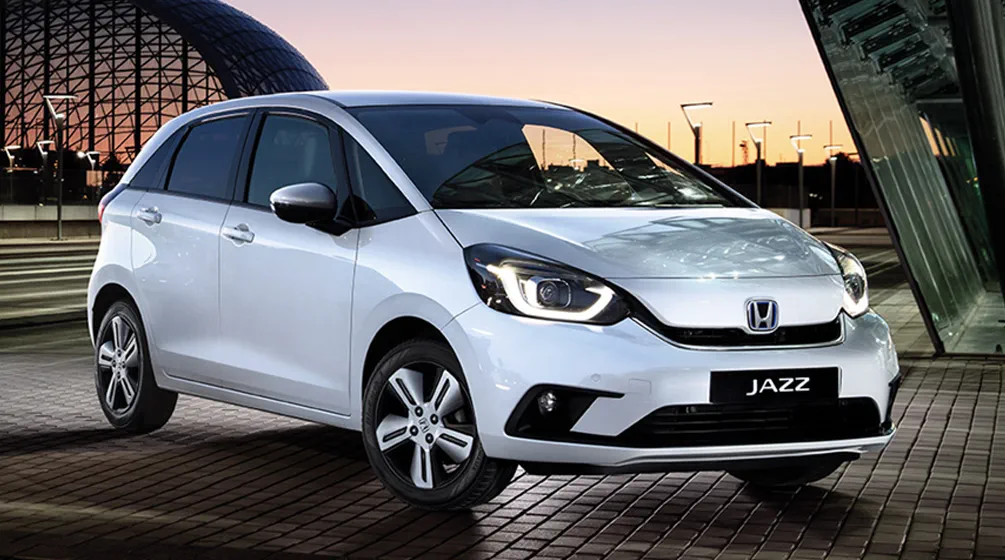
At first glance, the new Honda Jazz looks like a fully electric car. The clean front design, sharp LED lighting, and futuristic vibe instantly grab attention, making it feel like Honda has finally stepped into the EV era with a bold new direction.
But here’s the catch — it’s not an EV at all. That gap between what it looks like and what it actually is can completely change how you interpret this update, especially if you’re expecting something more than just a visual shift. And this is exactly where most buyers get confused, because the design suggests a bigger transformation than what is actually being delivered.
Why This Matters
- EV-inspired design without being electric
- New tech upgrades inside the cabin
- No major performance changes
Also Read:- Honda Motor Reveals a Bold New ‘H’ Logo 2026– Signalling a New Electric-First Era
This Update Is More About Looks Than Performance
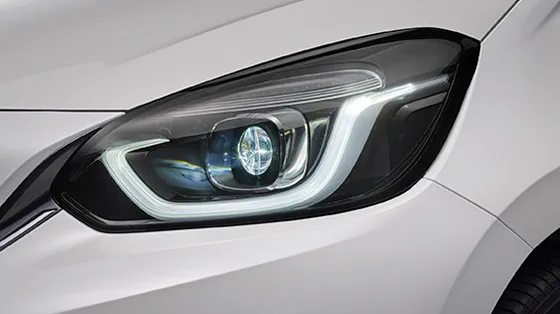
Honda has clearly focused on making the Jazz look more modern and future-ready. Honda Jazz front design is now cleaner, with a reduced grille and sharp split LED headlamps that create a more premium and EV-like identity on the road.
At the same time, the overall silhouette remains largely unchanged. This shows that Honda is trying to refresh the appeal without disturbing the core identity that existing Jazz buyers already trust and prefer, even though the visual changes might suggest something more dramatic.
Design Changes That Actually Stand Out
Honda Jazz biggest transformation is visible at the front, where the styling now feels more minimal and aerodynamic. The sharper lighting elements and updated bumper design together create a stronger and more modern road presence.
New colour options further enhance this refreshed appeal, especially for younger buyers who prefer a clean and contemporary design language. However, beyond these visual changes, the overall structure of the car remains familiar, which makes the update feel more surface-level than structural.
📊 What’s New vs What’s Not
| Category | What’s New | What Remains Same |
|---|---|---|
| Design | EV-inspired front, split LEDs | Overall body shape |
| Colours | New modern shades | Core styling |
| Infotainment | 10.1-inch touchscreen | Basic layout |
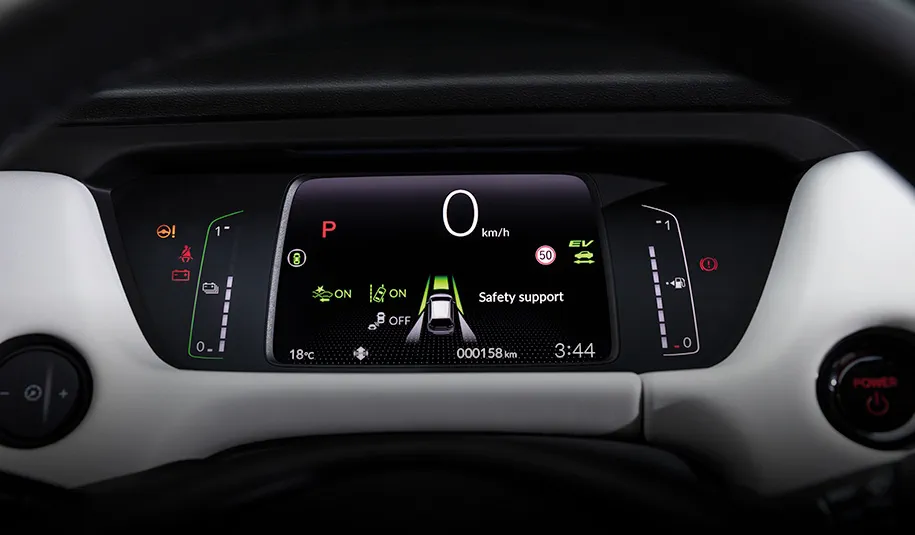
| Cluster | 7-inch digital display | Minimal upgrade |
| Engine | — | Same petrol setup |
| Performance | — | No major change |
This comparison makes it clear that the update is focused more on visual and tech improvements rather than mechanical upgrades. At a glance it may look like a big leap forward, but in reality the core experience remains largely unchanged.
Ignoring this difference can easily lead to unrealistic expectations, especially for buyers expecting a complete transformation.
Also Read:- Big Price Hike Alert: Honda Elevate to Get Expensive from January 2026
Cabin Feels More Modern, But Not Revolutionary
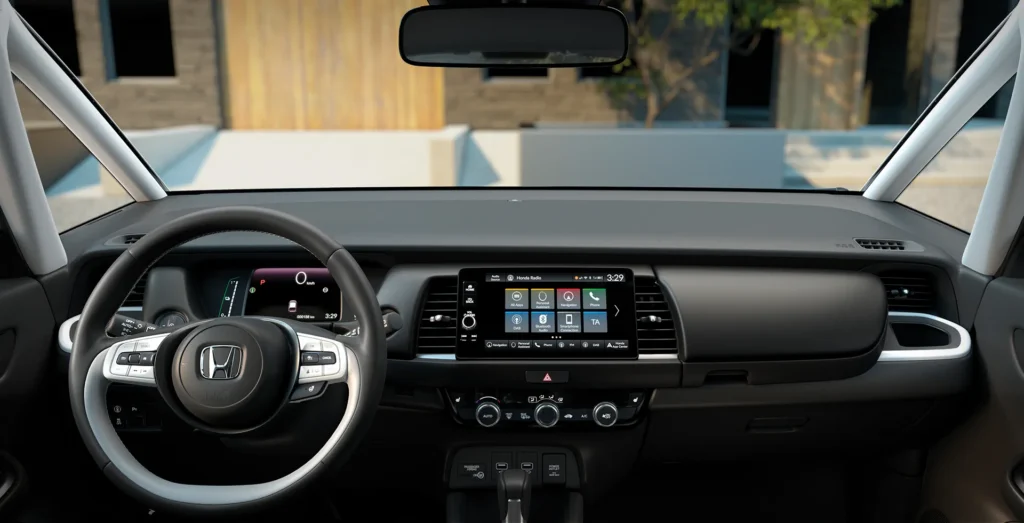
Inside the cabin, the biggest highlight is the addition of a larger touchscreen and a digital instrument cluster. These changes make the interior feel more aligned with current trends and improve the overall user experience in daily driving.
However, the overall layout remains simple and practical. It does not aim to be the most feature-loaded cabin in the segment, but rather a balanced and easy-to-use space that focuses more on usability than visual drama.
Performance Remains the Same
Under the hood, Honda has not introduced any major changes. The Jazz continues with its existing petrol engine, focusing on reliability and efficiency rather than chasing higher performance numbers or aggressive tuning.
This approach keeps the driving experience familiar, which is good for loyal buyers, but it may not excite those looking for something new or more powerful. That is where some buyers may start feeling that the update is only surface-level.
What This Means for Buyers
If you value practicality, space, and ease of driving, the Jazz still makes sense as a reliable daily car. The facelift simply makes it look more modern without changing what it has always been good at, which is everyday usability.
However, if you are expecting a major upgrade in performance or a feature-packed experience, this update might feel limited. The competition has already moved ahead in several areas, which makes comparison inevitable for most buyers.
Final Verdict – Smart Update or Missed Opportunity
The Honda Jazz Facelift is a smart visual refresh that keeps the model relevant in a changing market. It looks sharper, more modern, and slightly more premium than before, which will definitely attract attention at first glance.
But at the same time, it does not deliver a major transformation in terms of performance or features. The update is more about perception than substance, and that distinction becomes important when making a buying decision.
And if you judge it only by its EV-like design, you might end up expecting far more than what it actually delivers.