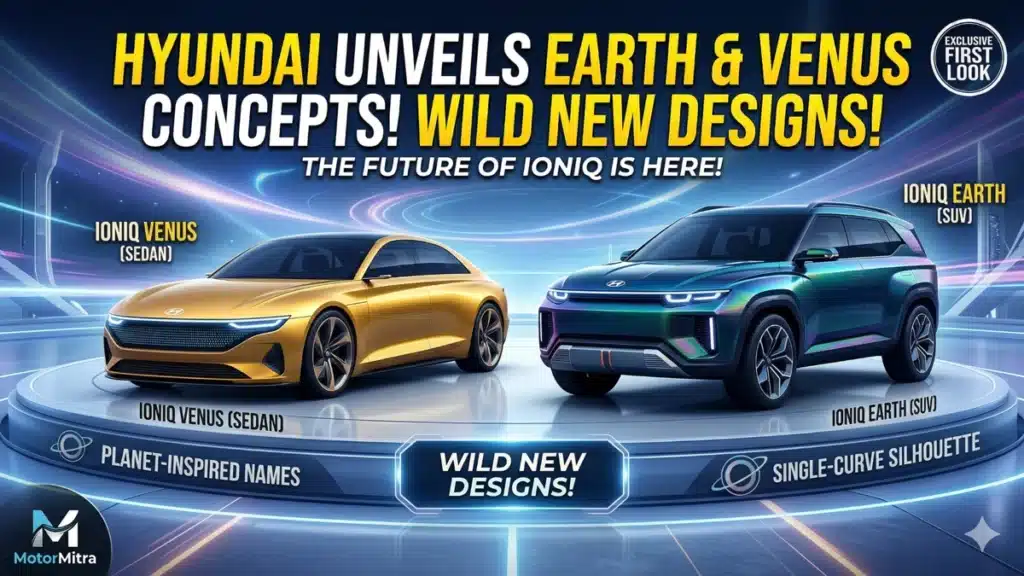
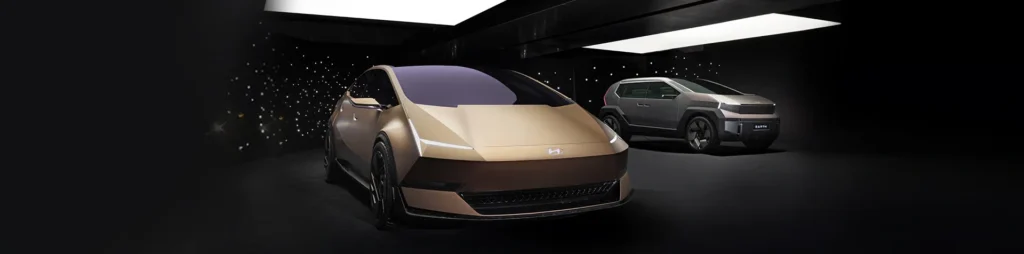
The electric vehicle race just took a planetary leap. Hyundai has officially pulled the cover off its most ambitious vision yet—the Ioniq “Planetary Universe,” introducing two radical concepts: the Venus sedan and the Earth SUV.
And here’s what makes this bigger than a simple concept reveal. If this direction actually becomes reality, the cars you’re considering today might start feeling outdated much sooner than you think. That’s how aggressive this shift really is.
Why This Matters
- Hyundai is completely redefining its EV design direction
- Features like Air-Hug seats and AI Lumi could change how cars feel
- These concepts will directly influence upcoming production models
The ‘Ioniqverse’: Why Planets?
Hyundai is now moving toward a “Lead, Don’t Follow” philosophy, and this new naming strategy reflects that shift. Instead of numbers like Ioniq 5 and 6, the brand is building an ecosystem where the car revolves around the driver—almost like planets orbiting a center.
And this is where things get even more interesting. Hyundai is also moving away from its signature pixel design language and introducing a new direction called “The Origin.” It focuses on minimalism, fluid design, and a single-curve silhouette that feels carved from a single block.
Also Read:- 2026 Hyundai IONIQ 5 Facelift Spotted – A Big Upgrade Is Coming Soon
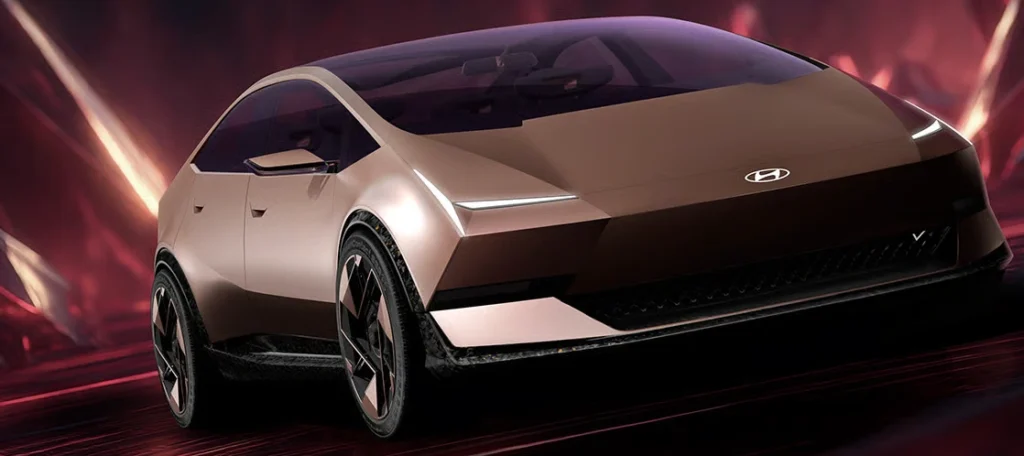
Ioniq VENUS: The Golden Standard of Sedans
Finished in a breathtaking Radiant Gold, the Venus isn’t just a car—it’s a statement. The entire body follows a single-curve silhouette, with no sharp edges or boxy design elements, creating a smooth and futuristic flow from front to rear.
But here’s where Hyundai takes it to another level. Inside, physical buttons are completely gone. The cabin is dominated by a massive pillar-to-pillar 8K curved display, creating a clean and immersive digital experience.
And then comes the detail most people won’t expect. The brake pads feature a laser-etched Voyager Golden Record design, referencing NASA’s space mission. It’s not just design—it’s storytelling built into the machine.
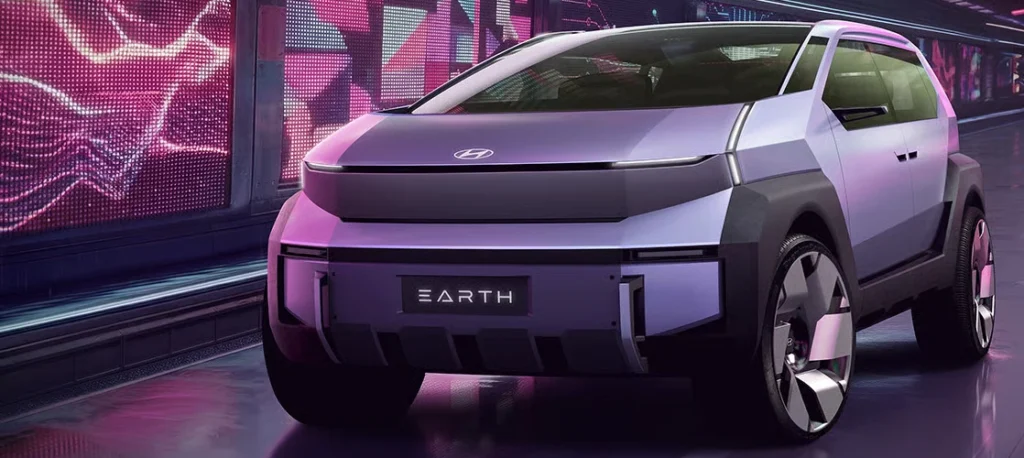
Ioniq EARTH: The SUV That Hugs You Back
While the Venus focuses on elegance and flow, the Ioniq Earth is built for strength and comfort. Finished in Aurora Shield purple, it brings a rugged yet futuristic presence that feels both premium and bold.
But this is where things change completely. The Earth introduces “Air-Hug Seats,” made from soft air modules that adjust to your body shape and literally hug you for better comfort and support.
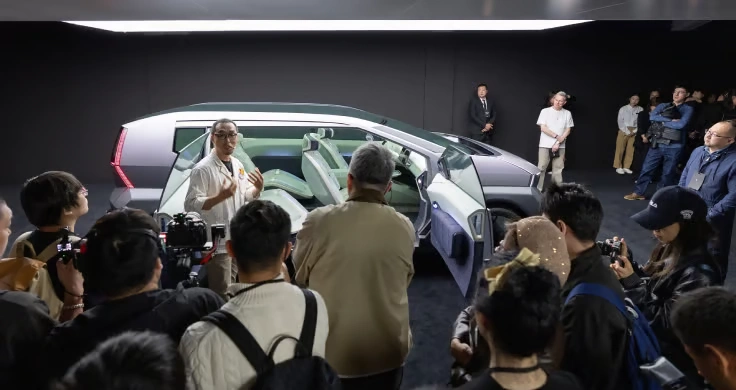
And that’s not all. The SUV also features Rolls-Royce-style suicide doors, creating a wide, lounge-like entry, along with nature-inspired ambient lighting that mimics tree shadows inside the cabin. This is not just comfort—it’s an experience.
📊 Quick Comparison: Venus vs Earth Concepts
| Feature | Venus (Sedan) | Earth (SUV) |
|---|---|---|
| Design Style | Single-curve, fluid | Bold, rugged, wide stance |
| Highlight Color | Radiant Gold | Aurora Shield (Purple) |
| Cabin | No buttons, 8K display | Lounge-like, immersive |
| Unique Feature | Voyager Golden Record brake detail | Air-Hug adaptive seats |
| Experience | Futuristic luxury sedan | Comfort-focused family SUV |
And this is where things start to get even more interesting.
Software-Defined Everything
Both concepts are built on a new Software-Defined Vehicle (SDV) platform, where software controls almost every aspect of the car. At the center of this system is an AI assistant called “Lumi.”
Also Read:- New Hyundai Tucson Render Shows Big Design Shift – Boxy Look And LED Signature Detailed
But Lumi isn’t just a voice assistant. It learns from your behavior, understands your mood through biometric data, and can even suggest actions—like adjusting temperature or recommending a break when you feel tired.
And this is where Hyundai shifts the game. The car is no longer just something you drive—it starts thinking with you.
What This Means for the Future
At first, concept cars may feel like distant ideas. But that’s where most people get it wrong. These are early signals of what’s coming next.
What you’re seeing here could directly influence the car you end up buying in the next few years. And once this design language and technology reach production, expectations will change fast.
Will We See Them in India?
While these concepts are part of Hyundai’s global roadmap, the company has confirmed that key elements—especially design philosophy and technologies like Air-Hug seating—will influence future production models.
With Hyundai’s aggressive EV push in India, it wouldn’t be surprising to see production-ready versions of these planetary EVs arrive by late 2026 or early 2027.
This Is More Than Just a Concept
The Earth and Venus are not just futuristic showpieces. They represent a clear shift in how Hyundai wants to define the next generation of cars.
And here’s the real risk. Ignore this shift now, and you might miss what future cars are actually becoming. Because if this direction continues, the cars you see today might start feeling outdated sooner than you expect.
And once that shift happens, going back won’t be easy.