
Bajaj Auto has given the Pulsar 125 & Pulsar 150 a major update, bringing fresh styling, improved technology and a stronger overall value proposition to two of its most recognisable motorcycles. The timing is significant as the Pulsar brand celebrates 25 years, and Bajaj is clearly looking to keep its popular commuter-performance lineup relevant for a new generation of buyers. The headline figure grabbing the most attention is the Rs 92,990 starting price, making the Pulsar 125 an aggressively positioned option for riders looking to move beyond a conventional commuter motorcycle.
The updated Pulsar 150 carries a higher starting price of Rs 1.15 lakh, placing it as the more powerful and premium choice between the two. While the two motorcycles target different buyers, the strategy remains similar: offer sporty styling and everyday practicality without pushing the Pulsar name too far beyond its accessible price positioning. For Bajaj, these updates are particularly important in the highly competitive 125cc and 150cc motorcycle categories, where buyers increasingly expect modern equipment alongside strong performance.
New Bajaj Pulsar 125 & Pulsar 150 – Price And Performance Snapshot
| Model | Starting Price | Engine | Power | Torque | Positioning |
|---|---|---|---|---|---|
| Pulsar 125 | Rs 92,990 | 125cc | 12 PS | 11 Nm | Affordable sporty commuter |
| Pulsar 150 | Rs 1.15 lakh | 150cc | 14 PS | 13.7 Nm | More powerful everyday motorcycle |
The biggest strength of this update is that Bajaj has not attempted to completely change what the Pulsar 125 and Pulsar 150 stand for. Both motorcycles continue with the familiar muscular design language that has helped build the Pulsar brand over the years. Instead, Bajaj has focused on making the overall package feel fresher, sharper and more suitable for current buyer expectations.
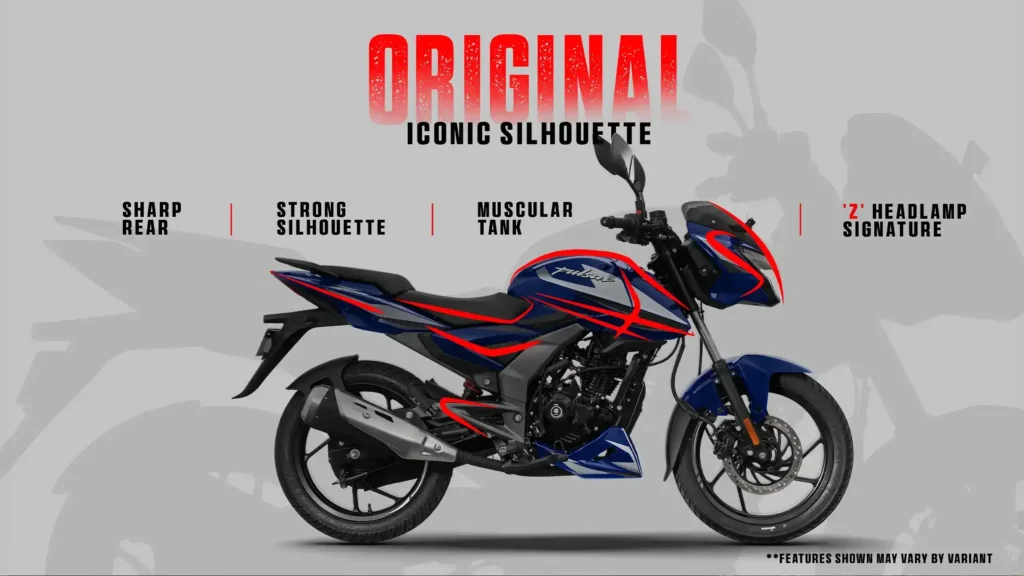
The Pulsar 125 remains the entry point for riders who want sporty styling with manageable ownership costs, while the Pulsar 150 targets buyers looking for additional performance and a stronger road presence. This clear separation gives Bajaj the opportunity to cover two important sections of the commuter-performance market without creating unnecessary overlap between the models.
Fresh Design Keeps The Classic Pulsar Identity Intact
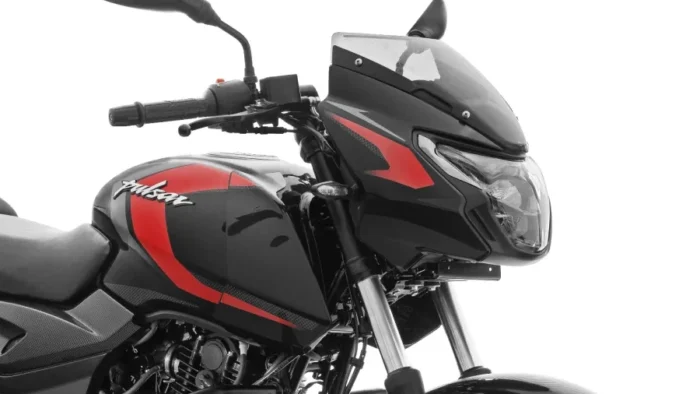
The visual changes bring a more modern appearance while retaining the identity that makes a Pulsar instantly recognisable. The motorcycles continue with their muscular proportions and sporty stance, but updated graphics and lighting elements give them a fresher look. This approach makes sense for Bajaj because the Pulsar name already has strong brand recognition, and a complete redesign could have moved too far away from the familiar character that existing buyers appreciate.
The updated lighting package is one of the most noticeable improvements. LED equipment gives the motorcycles a more contemporary appearance while also strengthening their premium appeal. For younger buyers, styling remains an important purchase factor in this segment, and Bajaj has ensured that both models continue to offer the visual presence expected from the Pulsar badge.
The design philosophy also helps the two motorcycles appeal to different age groups. A first-time buyer can see the Pulsar 125 as a step up from a basic commuter, while an experienced rider may view the Pulsar 150 as a practical motorcycle with a familiar sporty personality. That broad appeal has always been one of the Pulsar brand’s strongest advantages.
Pulsar 125 Focuses On Accessible Performance
The Pulsar 125 is likely to attract the wider audience because of its aggressive starting price. At Rs 92,990, Bajaj has positioned it for buyers who want a more exciting motorcycle experience without making a major jump in budget. The 125cc engine produces around 12 PS and 11 Nm, giving the motorcycle enough performance to separate itself from conventional entry-level commuter options.
This makes the Pulsar 125 particularly relevant for college students, young professionals and daily riders who want a combination of sporty styling and practical running costs. The motorcycle is designed to offer a stronger visual and performance package than a typical commuter while remaining accessible enough for a large section of buyers.
The value proposition becomes even stronger when modern equipment is considered. Connected features, updated lighting and a more contemporary instrument console help the motorcycle feel more current. Bajaj is therefore not relying on the Pulsar name alone; it is also attempting to give buyers enough visible technology to justify choosing the model over newer rivals.

Pulsar 150 Offers A Stronger All-Round Package
The Pulsar 150 continues as the more powerful option in the pair, producing 14 PS and 13.7 Nm. The additional performance should make a noticeable difference for riders who regularly carry a pillion or occasionally travel beyond city limits. A larger engine also gives the motorcycle more performance reserve, making higher-speed riding feel less demanding.
The Pulsar 150 has traditionally appealed to buyers who want a balance between daily usability and stronger performance. The latest update continues with that formula rather than turning the motorcycle into an expensive premium product. Its positioning remains focused on riders who want something sportier than a standard commuter but do not necessarily need a much larger-capacity motorcycle.
The price difference between the Pulsar 125 and Pulsar 150 also gives buyers a clear decision based on their requirements. Those prioritising affordability and daily commuting may find the 125 more attractive, while riders looking for stronger acceleration and greater flexibility may prefer spending extra on the 150.
Modern Technology Adds More Everyday Convenience
Technology is becoming increasingly important even in affordable motorcycle segments, and the updated Pulsar range responds to that change with a stronger equipment package. Selected variants receive a modern digital console with connected functionality, allowing riders to access useful information and smartphone-related features more conveniently.
This is an important improvement because younger buyers now expect their motorcycles to offer more than basic analogue information. Navigation support, connectivity functions and digital displays can significantly improve everyday usability, especially for riders who regularly travel through unfamiliar routes or depend on their smartphones while commuting.
The updated feature package also improves the overall ownership experience. Instead of feeling like an older motorcycle with only new graphics, the Pulsar 125 and Pulsar 150 now offer visible technology upgrades that buyers can interact with every day. This is likely to be an important factor for customers comparing them with newer motorcycles in the same price range.
Also Read:- New Bajaj Pulsar N160 4V vs Apache RTR 160 & Xtreme 160R – The Winner Changes Everything
Why The Rs 92,990 Price Is The Biggest Talking Point
The strongest headline from the launch remains the Pulsar 125’s starting price. Bajaj has managed to keep the entry point under the Rs 1 lakh mark, which is important in a market where even small price differences can influence buying decisions. The Rs 92,990 figure gives the motorcycle a strong marketing advantage while keeping the Pulsar name accessible to a wide range of buyers.
For someone upgrading from a basic commuter, the Pulsar 125 offers a noticeable change in personality. The styling is sportier, the performance is stronger and the overall feature package feels more modern. That combination makes the starting price especially important because it allows Bajaj to attract buyers who may otherwise consider spending slightly more on a rival 125cc motorcycle.
The Pulsar 150 is naturally more expensive, but its stronger engine output and more capable all-round character justify its position. Bajaj is effectively offering two different entry points into the classic Pulsar experience rather than forcing buyers to stretch their budget for additional performance they may not need.
New Pulsar 125 Vs Pulsar 150 – Which One Should You Buy?
| Buyer Priority | Better Choice | Why |
|---|---|---|
| Lowest purchase price | Pulsar 125 | Most accessible entry point |
| Daily city commuting | Pulsar 125 | Practical and sporty combination |
| First performance-focused motorcycle | Pulsar 125 | Easier step up from a commuter |
| Stronger acceleration | Pulsar 150 | Higher power and torque |
| Regular pillion riding | Pulsar 150 | Better performance reserve |
| Occasional highway use | Pulsar 150 | More relaxed at higher speeds |
| Sporty styling on a tighter budget | Pulsar 125 | Strong value proposition |
| More powerful all-round package | Pulsar 150 | Better suited for varied usage |
The decision between the two motorcycles will ultimately depend on how the buyer plans to use the bike. The Pulsar 125 makes more sense for riders focused mainly on affordability, city commuting and everyday running costs. It offers the Pulsar character without demanding a large budget and could become an attractive upgrade for buyers moving away from basic commuter motorcycles.
The Pulsar 150 is the better choice for those who want additional performance and expect to use the motorcycle across a wider range of conditions. It may cost more initially, but the stronger engine gives it greater flexibility for highway riding and heavier everyday usage.
The updated Bajaj Pulsar 125 and Pulsar 150 strengthen two of the brand’s most important motorcycles without changing the formula that made them popular. Bajaj has retained the familiar Pulsar identity while adding fresher styling, improved lighting and more modern technology. This ensures the motorcycles continue to appeal to traditional Pulsar buyers while also becoming more relevant for younger customers entering the market.
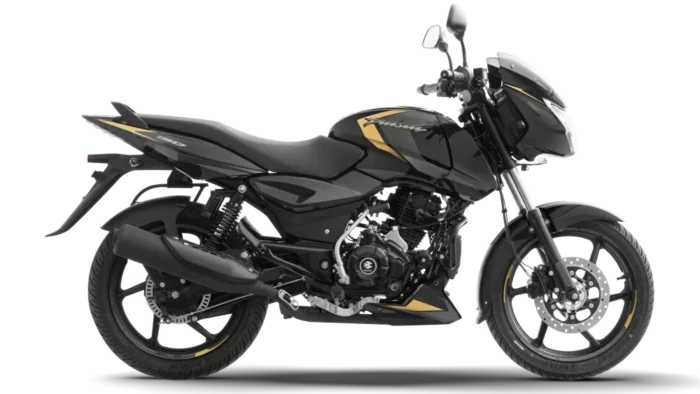
The Pulsar 125 is likely to attract the most attention because of its Rs 92,990 starting price. It delivers sporty styling, accessible performance and a modern feature package at a price that remains competitive for budget-conscious buyers. The Pulsar 150, meanwhile, offers a stronger performance experience and remains the more capable option for riders who want greater flexibility beyond daily city commuting.
As the Pulsar brand completes 25 years, these updates show that Bajaj is still focused on keeping its classic motorcycles competitive. The familiar name remains, but the package has been refreshed for changing buyer expectations. For anyone looking at a sporty commuter in the 125cc or 150cc segment, the updated Pulsar range now offers a stronger reason to take a closer look.