

Tata Motors Clocks Nearly 60,000 Sales in April 2026, EV Boom Drives 31% Growth
India’s passenger vehicle market continues its strong momentum into FY2026, and Tata Motors has emerged as one of the biggest gainers. The company recorded 59,701 units in April 2026, registering a solid 31% year-on-year growth, underlining its strengthening position in both the SUV and electric vehicle segments. This performance places Tata firmly among the top-selling automakers in the country, with consistent monthly volumes and a rapidly evolving product mix helping it stay competitive in an increasingly SUV-driven market.
April is often seen as a transitional month after the financial year-end push, yet Tata Motors has managed to deliver a standout performance. The company’s total sales rose from 45,532 units in April 2025 to 59,701 units in April 2026, reflecting a 31.1% growth rate. This growth is not just volume-driven but also indicative of changing consumer preferences. Tata’s increasing focus on safety, design, and electrification is clearly resonating with buyers across segments.
The numbers also highlight Tata’s ability to maintain demand even after a high base month like March, where dispatches are typically elevated due to financial year closures. The domestic market continues to be the primary contributor to Tata’s overall performance. Out of the total sales, 59,000 units were sold in India, marking a 30.5% increase compared to 45,199 units last year.
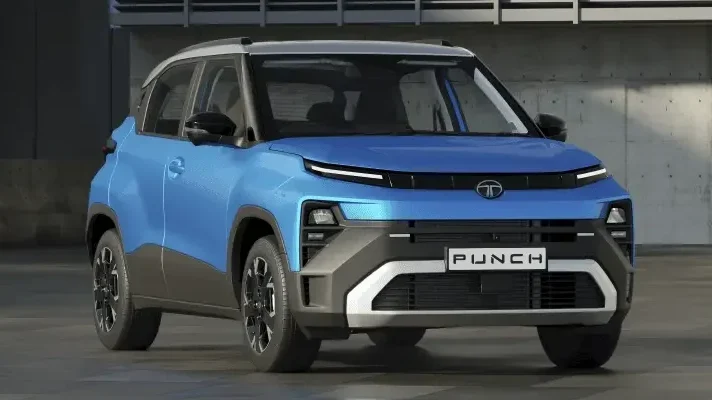
This steady growth reflects strong demand for Tata’s core lineup, particularly in the compact and mid-size SUV categories. Models like the Nexon, Punch, Harrier, and Safari continue to attract buyers looking for a combination of safety, road presence, and value. The brand’s consistent focus on 5-star safety ratings and feature-rich offerings has helped it build a loyal customer base, especially among urban buyers and first-time SUV owners.
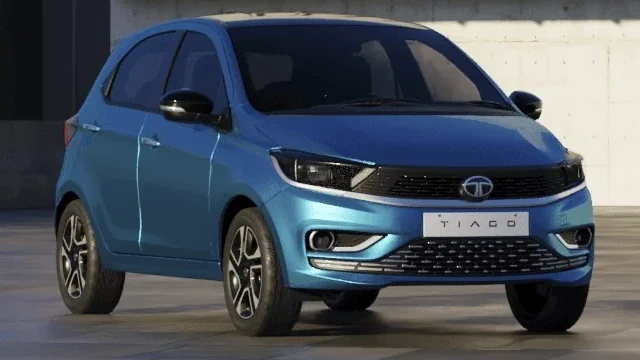
One of the most defining aspects of Tata Motors’ April 2026 performance is the surge in electric vehicle sales. The company sold 9,150 EV units, a massive jump from 5,318 units in April 2025, translating to a 72.1% year-on-year growth. This makes EVs a critical pillar of Tata’s growth strategy. With models like the Tiago EV, Nexon EV, and Punch EV gaining traction, the company continues to lead India’s electric passenger vehicle segment.
The rapid adoption of EVs also signals a broader shift in consumer mindset, with buyers increasingly considering electric mobility as a practical and future-ready option rather than a niche choice. While domestic sales dominate, Tata’s international business also showed strong expansion. The company exported 701 units in April 2026, compared to 333 units in April 2025, registering a 110% growth.
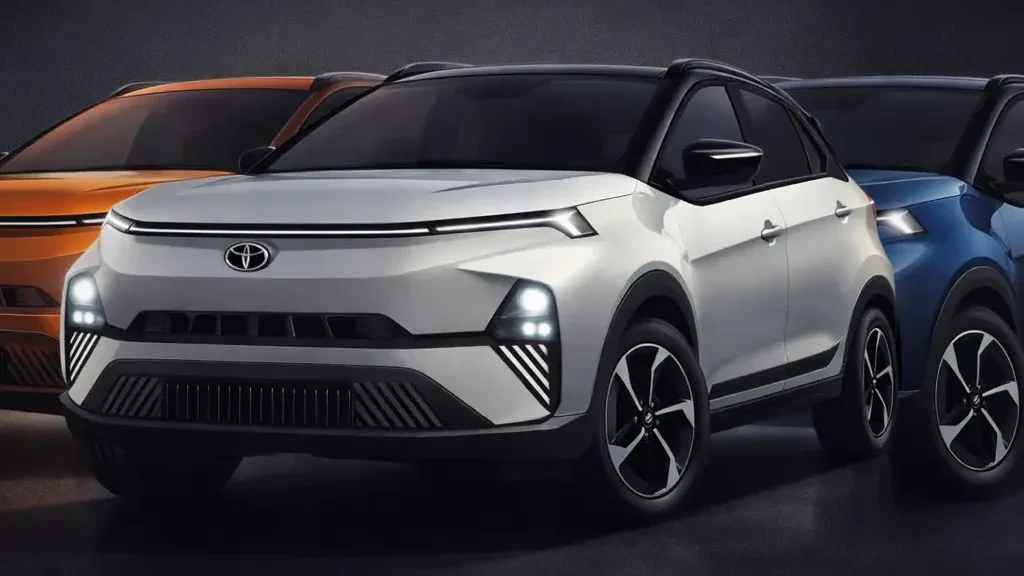
Although export volumes remain relatively small, the sharp growth indicates Tata’s increasing efforts to expand its global footprint. This strategy could play a crucial role in diversifying revenue streams and reducing dependence on the domestic market over time. Tata Motors’ growth trajectory is being shaped by a combination of strategic and market-driven factors. The company’s aggressive push in the SUV segment has significantly improved its positioning, while its early-mover advantage in EVs continues to provide a competitive edge.
At the same time, the brand’s emphasis on safety and build quality has strengthened its perception among Indian consumers. Unlike earlier years, Tata is now seen as a premium yet value-driven brand, capable of competing with both mass-market and global players.
| Model | April 2026 Sales (Est.) | Segment |
|---|---|---|
| Nexon (ICE + EV) | ~20,000 – 21,000 | Compact SUV |
| Punch (ICE + EV) | ~19,000 – 20,000 | Micro SUV |
| Tiago (ICE + EV) | ~7,000 – 8,000 | Hatchback |
| Curvv (ICE + EV) | ~5,000 – 6,000 | Coupe SUV |
| Harrier (ICE + EV) | ~2,800 – 3,500 | Mid-size SUV |
| Safari | ~1,500 – 2,000 | Premium SUV |
| Altroz | ~2,000 – 2,500 | Premium Hatchback |
| Tigor (ICE + EV) | ~1,000 – 1,500 | Sedan |
| Total (Approx.) | ~59,000+ Units | — |
Additionally, continuous product updates and upcoming launches are helping maintain consumer interest, ensuring sustained showroom footfall.Tata Motors’ April 2026 performance sets a strong foundation for the rest of the financial year. With SUVs and EVs expected to remain the primary growth drivers, the company is well-positioned to maintain its upward trajectory.
However, competition is intensifying. Rivals like Mahindra are strengthening their SUV portfolios, while Hyundai and others are expanding into EVs. This means Tata will need to continue innovating and expanding its lineup to retain its edge.
Tata Motors’ near 60,000-unit sales in April 2026 is more than just a strong monthly result—it reflects a brand that has successfully reinvented itself. With a balanced strategy focused on SUVs, electrification, and safety, Tata is no longer just a challenger but a key force shaping India’s automotive future. If current trends continue, FY2026 could be another landmark year for the company, with even higher volumes and deeper market penetration on the horizon.
Stay tuned to MotorMitra for more exclusive deep dives into the world of Indian automotive excellence!