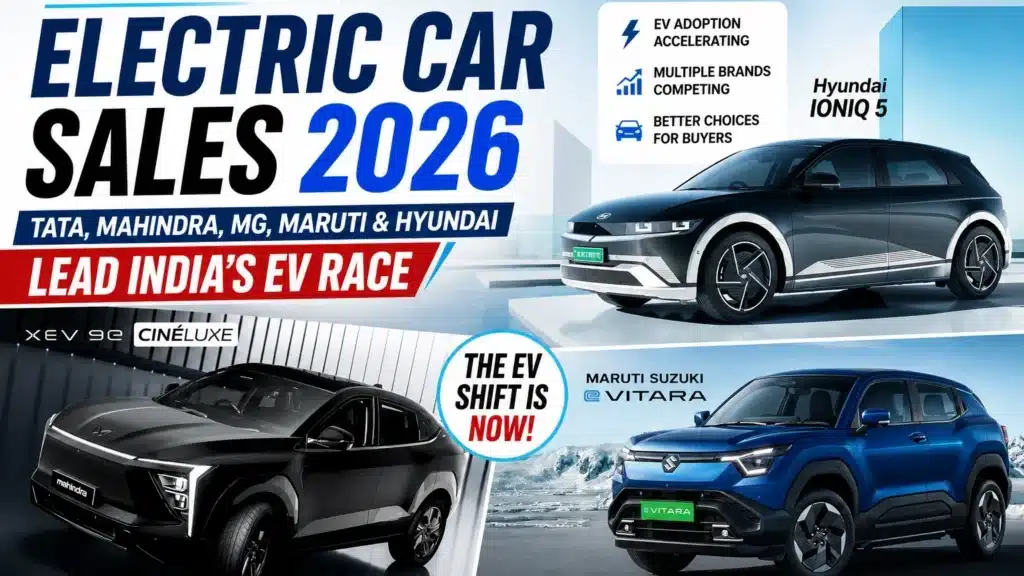
This is the phase where hesitation starts costing more than action. Across India, electric cars are no longer a future bet, they are actively reshaping how people think about buying their next vehicle, and 2026 Electric Car Sales is turning into the tipping point where the shift becomes impossible to ignore.
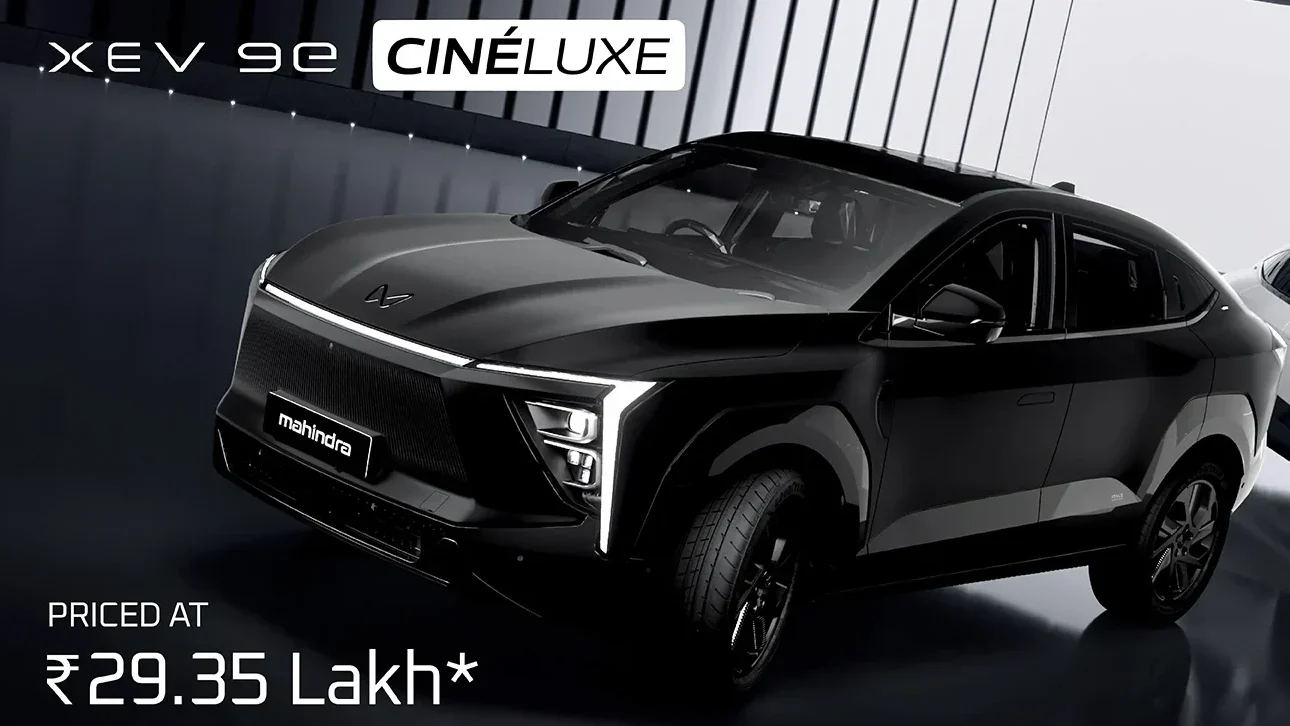
What makes this moment critical is not just rising sales, but the speed at which adoption is accelerating. With major players like Tata Motors, Mahindra, MG Motor India, Maruti Suzuki and Hyundai Motor India aggressively expanding their EV presence, the market is entering a phase where waiting too long could mean missing the best opportunities.
Why This Matters
- EV adoption is accelerating faster than expected
- Multiple brands are competing across price segments
- Early buyers may gain better value before demand spikes
Also Read:- Honda’s Shock Move! New Hybrid And EV Cars Set To Hit India Market
What the 2026 Electric Car Sales Trend Really Shows
Electric car sales in 2026 are not just increasing, they are accelerating at a pace that signals a structural shift in the market. The growth is no longer limited to metro cities, as adoption is now spreading into smaller cities where practicality matters more than trends.
This is where the shift becomes real. When adoption expands beyond early adopters into everyday buyers, it signals that EVs are moving toward mainstream acceptance, changing how future car decisions will be made.
Electric Car Sales Market Snapshot 2026
| Brand | Market Position |
|---|---|
| Tata Motors | Early leader with strong volume |
| Mahindra | Rapid SUV-focused expansion |
| MG Motor | Premium EV positioning |
| Maruti Suzuki | Entering mass EV segment |
| Hyundai | Balanced EV portfolio |
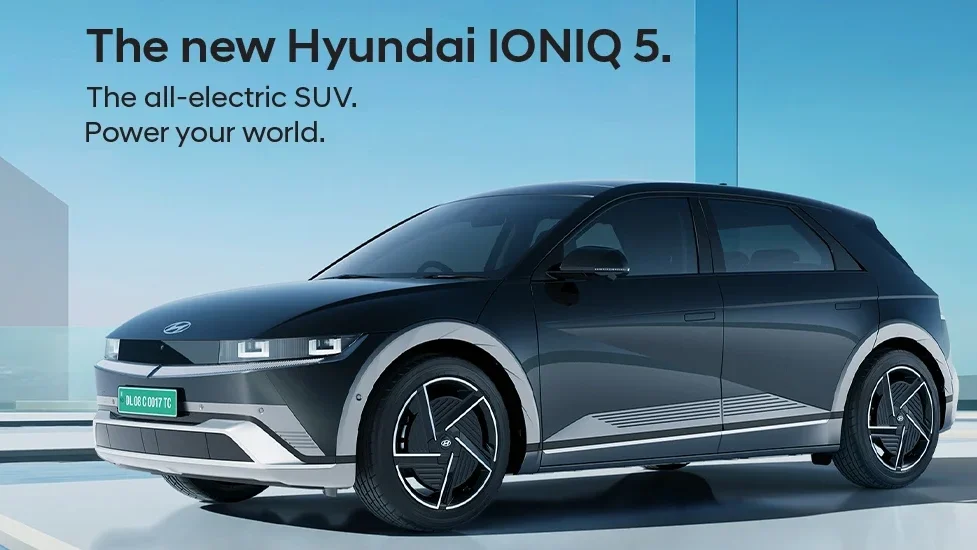
This snapshot highlights how each brand is approaching the EV market differently, creating a wide spectrum of choices rather than direct overlap. It shows that the race is not about one winner, but about who captures the right segment at the right time.
At the same time, this diversity increases competition, which often benefits buyers through better features, pricing, and options. However, as demand rises, this advantage may not remain constant for long.
What’s Driving This EV Growth
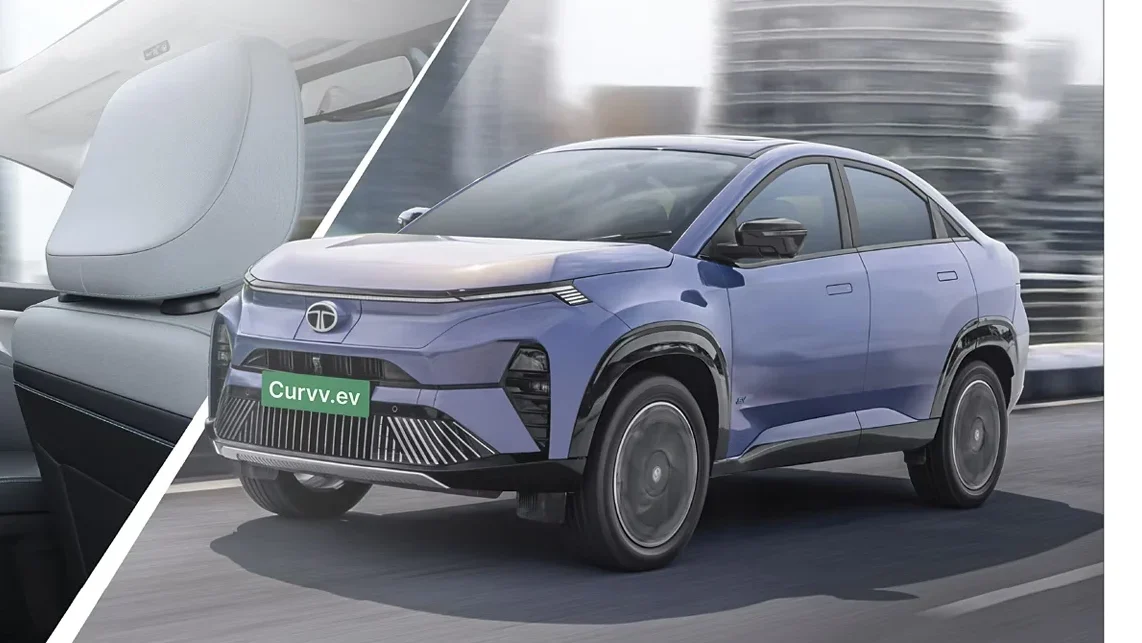
One of the biggest drivers is the availability of practical EVs that can now handle daily usage without major compromises. Brands like Tata Motors and MG Motor India have played a key role in normalizing EV ownership by offering usable range and better real-world performance.
Alongside product improvements, rising fuel costs, government incentives, and expanding charging infrastructure are pushing more buyers toward electric mobility. These combined factors are creating a strong push that is difficult to ignore.
Competition Shift: Strategy Will Decide the Winner
The EV race in 2026 is no longer about who sells more units today, but about who builds the strongest position for tomorrow. Some brands are focusing on affordability and volume, while others are targeting premium buyers with advanced technology.
Also Read:- Big Car Launches in May 2026: Sierra EV, City, ZR-V, Majestor & Ebella Ready to Hit India
This is where the real competition lies. The brands that balance pricing, infrastructure, and product experience effectively are likely to dominate the next phase of the market.
Comparison Insight: How Brands Are Positioned
| Brand | Strategy Focus |
|---|---|
| Tata Motors | Mass EV adoption |
| Mahindra | SUV-led EV growth |
| MG Motor | Premium EV technology |
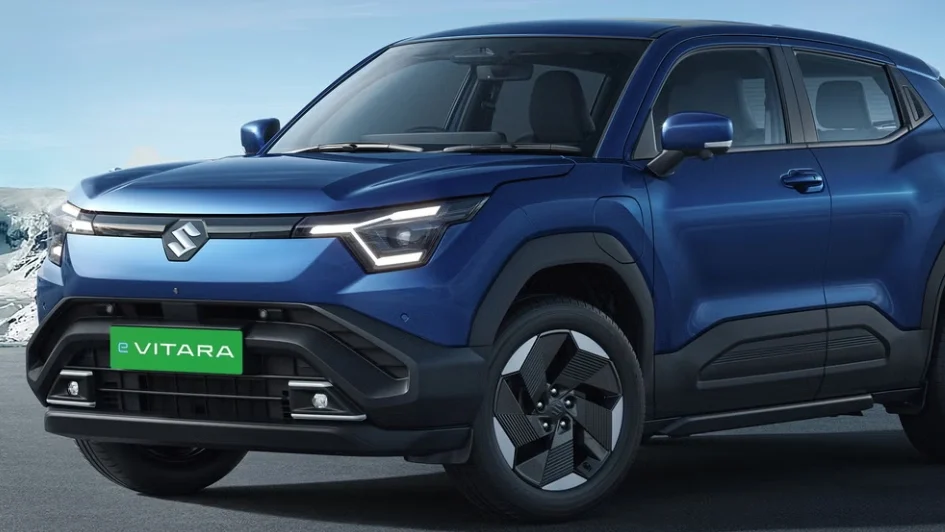
| Maruti Suzuki | Entry-level EV expansion |
| Hyundai | Balanced strategy |
This comparison makes it clear that the EV market is not one-dimensional. Each brand is targeting a specific audience, which means buyers now have more tailored choices than ever before.
At the same time, this segmentation also means that the “best option” depends entirely on individual needs. What works for one buyer may not be the right fit for another.
Buyer Decision: Should You Move to EV Now
If you are planning to buy a car in the next 6–12 months, this is the phase where switching to EV starts making practical sense rather than being a risky decision. The combination of better products and improving infrastructure has reduced many of the earlier concerns.
Waiting may bring more options, but it could also come with higher demand, longer waiting periods, and potential price changes. For many buyers, entering the EV space now could offer a better balance of choice and availability.
MotorMitra Verdict
Electric car sales in 2026 are not just growing, they are redefining the pace of the automotive market in India. The involvement of multiple major brands signals that this is no longer a slow transition, but a competitive shift happening in real time.
If this momentum continues, delaying the decision may not always work in your favor. The current phase offers a rare balance of options, innovation, and accessibility that may not remain this favorable as demand rises