
At first glance, this looks like just another sporty commuter inspired by the FZ-S design language, and that is exactly what makes it easy to overlook. But the moment you look closer, the Yamaha Factor DX completely changes the conversation, because this is not just about styling—it is about what powers the bike and how that could redefine everyday commuting in a meaningful way.
A motorcycle that looks familiar but does not run on petrol instantly creates curiosity, and that is exactly where this story becomes interesting. What initially feels like a simple design similarity slowly turns into a much bigger idea, because the Factor DX introduces something unexpected into a segment that rarely sees real innovation.
Why This Matters
- Runs on 100% ethanol instead of conventional petrol
- Could reduce running costs and fuel dependency
- Signals a major shift toward alternative fuel mobility
Also Read:- STOP! Don’t Buy Yamaha Aerox E—This Sporty Scooter Has One BIG Problem
What Makes the Factor DX Different
The biggest highlight here is simple but powerful—the Factor DX is designed to run on 100% ethanol fuel, unlike most motorcycles that rely on petrol or blended fuel. This immediately separates it from traditional commuters and places it into a completely different category of alternative-fuel two-wheelers that focus on future-ready mobility.
While the design may remind you of the FZ-S, the purpose is very different. It is not just about sporty styling anymore; it is about efficiency, sustainability, and adapting to changing fuel trends, which makes the bike feel more like a concept than a conventional product.
Looks Familiar, But the Idea Is New
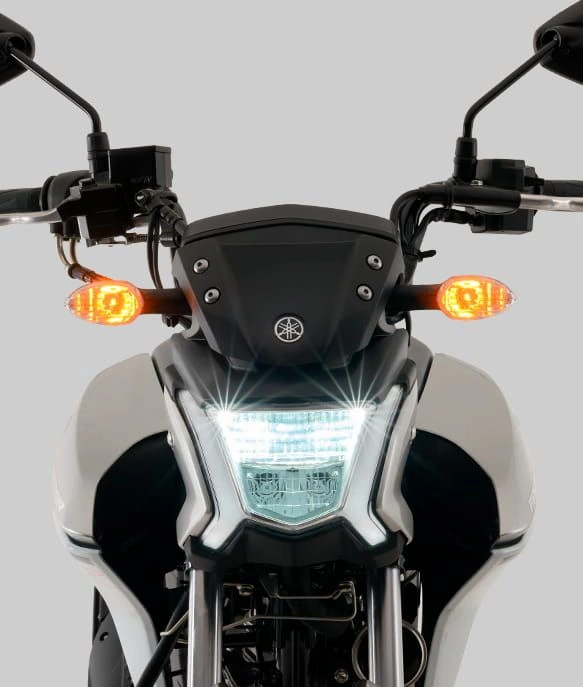
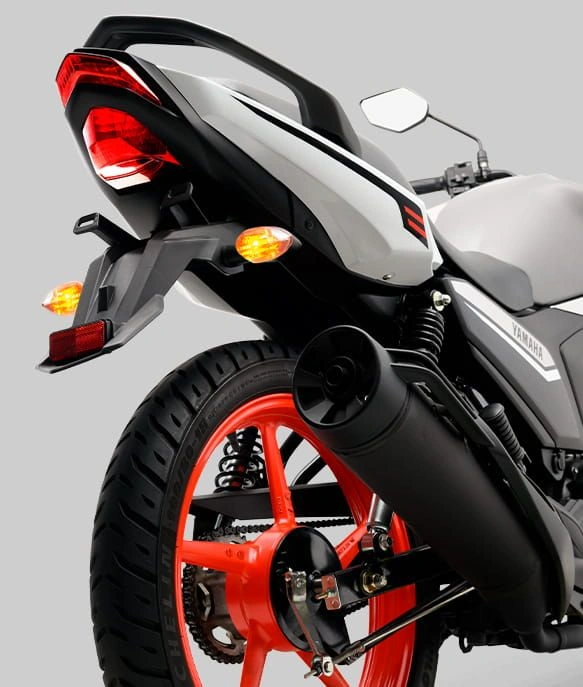
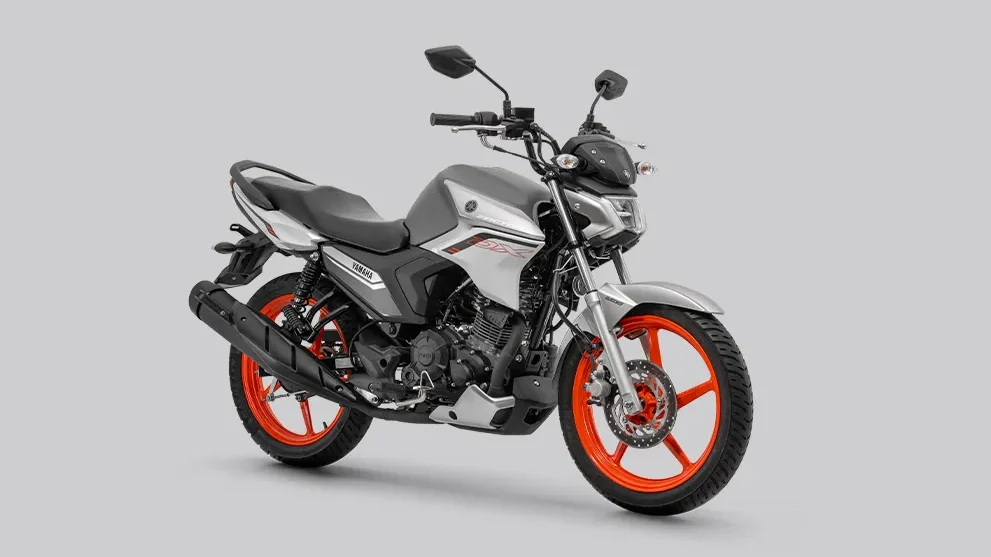
Visually, the Factor DX carries a muscular stance with sharp body panels, a compact tank design, and a street-focused riding posture that feels similar to Yamaha’s existing lineup. This familiarity makes it instantly relatable to buyers at first glance, which helps reduce initial hesitation and builds immediate interest.
However, the real difference lies beneath the surface. The ethanol-based setup changes how the bike operates, how it consumes fuel, and how it fits into future mobility solutions, making it feel fundamentally different once you move beyond its appearance.
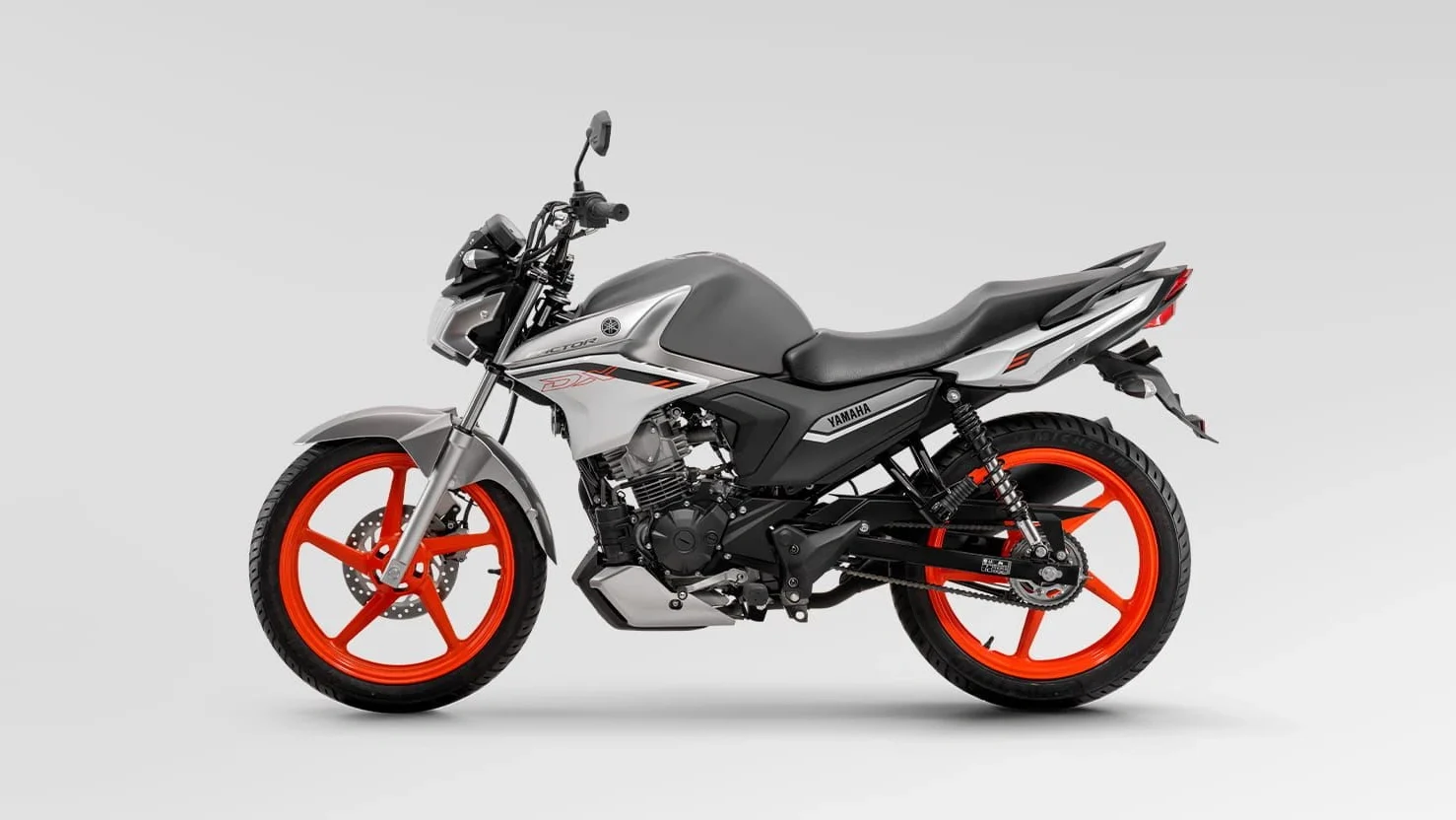
Quick Comparison: Regular Bike vs Ethanol Concept
| Factor | Regular Petrol Bike | Yamaha Factor DX | Real Impact |
|---|---|---|---|
| Fuel Type | Petrol | 100% Ethanol | Alternative energy |
| Running Cost | Standard | Potentially lower | Cost advantage |
| Emissions | Higher | Lower | Cleaner mobility |
| Technology | Conventional | New approach | Future-focused |
| Buyer Appeal | Familiar | Innovative | Curiosity + value |
This is where the shift becomes real. This is the point where most buyers start thinking differently.
The difference is not just mechanical—it is conceptual, because it changes how you think about fuel, cost, and long-term usage in a way that traditional bikes never forced you to consider before.
This Is Where Buyers Get Curious
Most buyers are used to evaluating bikes based on mileage, features, and performance, because that has always been the standard way of making a decision. But the Factor DX introduces a completely different question—what happens when the fuel itself changes?
That is where curiosity slowly turns into hesitation, especially when buyers start thinking about real-world practicality. This is exactly where excitement begins to slow down and decision-making becomes more cautious and calculated.
Also Read:- Same Engine, Different Game? KTM 390 Duke vs 390 Adventure – Don’t Buy Until You See This
What It Means for Everyday Riding
If ethanol infrastructure grows at the right pace, a bike like the Factor DX could become significantly cheaper to run and more environmentally friendly at the same time. That makes it especially attractive for daily commuters who want lower running costs without compromising usability.
At the same time, adoption depends heavily on fuel availability, awareness, and long-term reliability. Without that support system, even a strong concept can struggle to translate into real-world success, and that is what will ultimately decide its future.
The Bigger Shift Behind This Move
This is not just a single product idea—it reflects a broader direction within the industry. Manufacturers are actively exploring alternatives to petrol, and ethanol is one of the most accessible options in markets like India where fuel diversity is becoming important.
By introducing a model like this, Yamaha is not just launching a bike—it is testing how ready buyers are to accept a completely different fuel reality and whether the market is prepared for such a transition.
Should You Be Excited or Careful
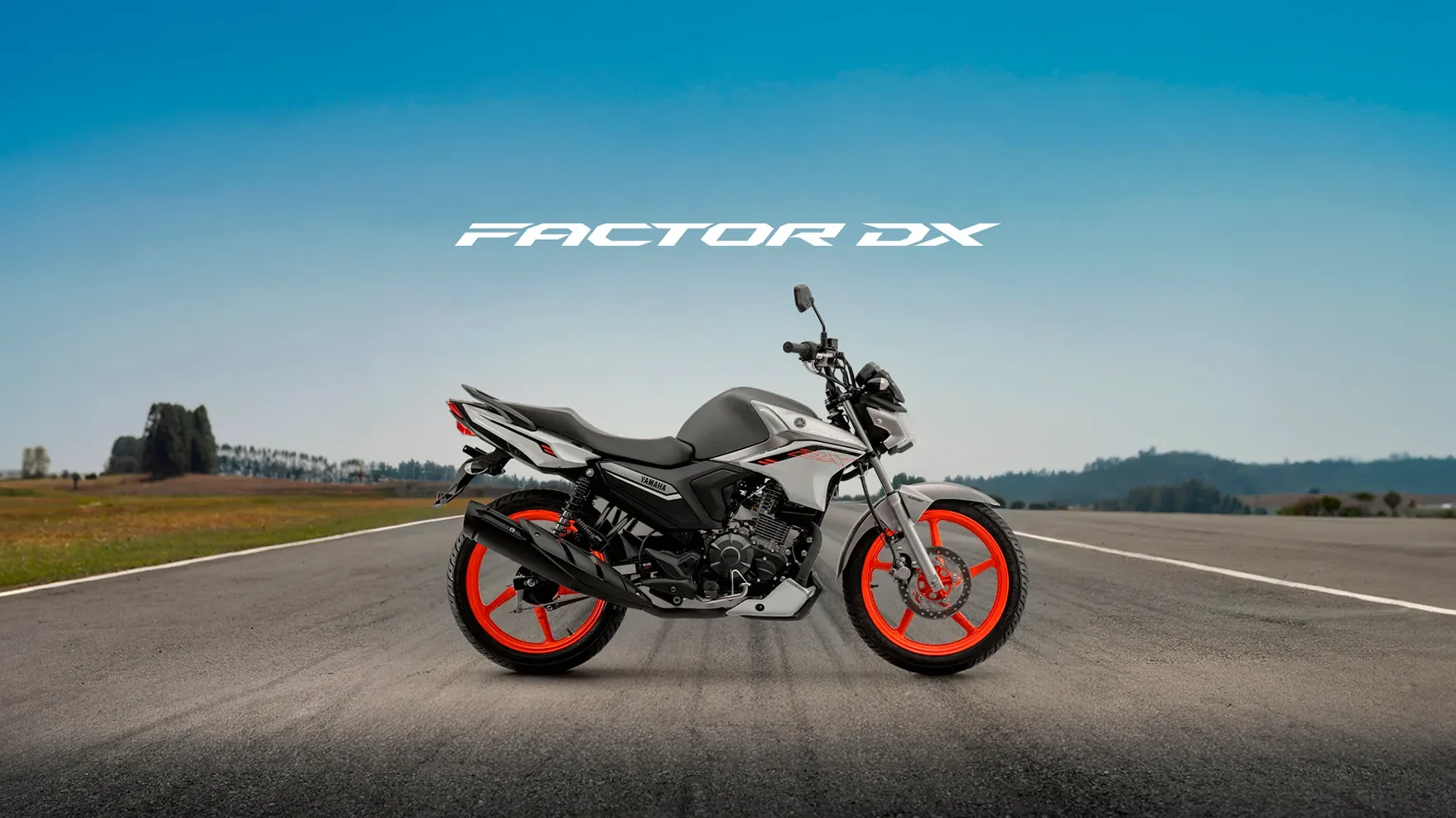
The idea is exciting, no doubt, because a bike that looks familiar but runs on a completely different fuel feels like a glimpse into the future. That naturally creates curiosity and interest among buyers who are looking for something new and forward-looking.
But at the same time, early adoption always comes with uncertainty. That is where most buyers will hesitate, because clarity around fuel access, maintenance, and long-term ownership becomes more important than the idea itself.
Final Verdict: Familiar Design, Completely Different Direction
The Yamaha Factor DX may look like an FZ-S at first glance, but what it represents is far more significant than just design similarity. It signals a shift toward alternative fuel, lower emissions, and a different way of thinking about everyday commuting in the future.
If the ecosystem supports it, this could become a game-changing move. But until then, it remains a bold step that buyers should observe carefully before making a final decision.
Because sometimes, the biggest change is not in how a bike looks—but in what powers it.