Just a few years ago, the global automotive industry appeared convinced that electric vehicles would dominate the future far sooner than anyone had imagined. Automakers announced massive investments, governments introduced EV-focused policies and manufacturers rushed to expand their electric vehicle portfolios. The expectation was simple: demand would continue accelerating, battery technology would become cheaper and EVs would quickly replace conventional vehicles across major markets.
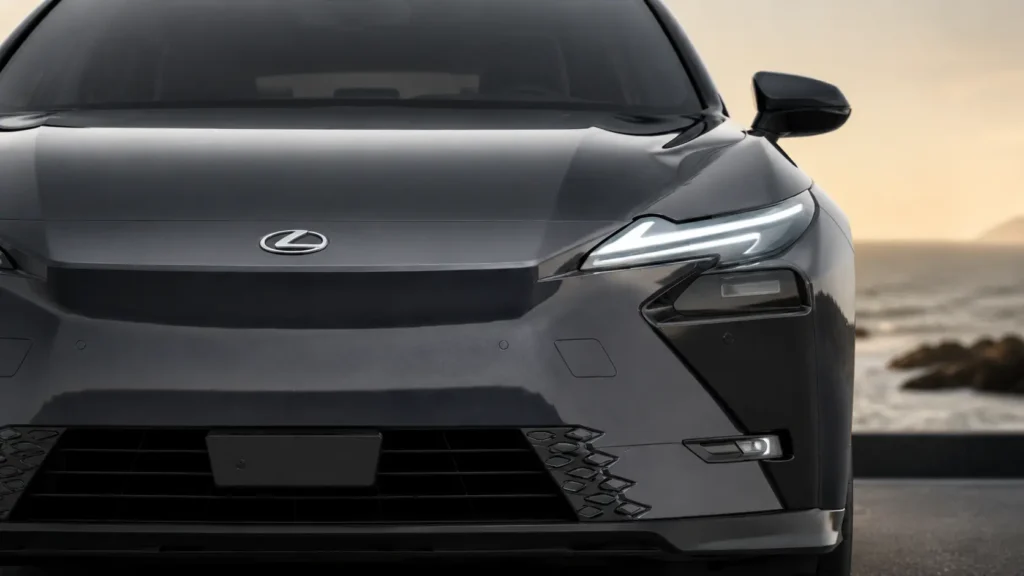
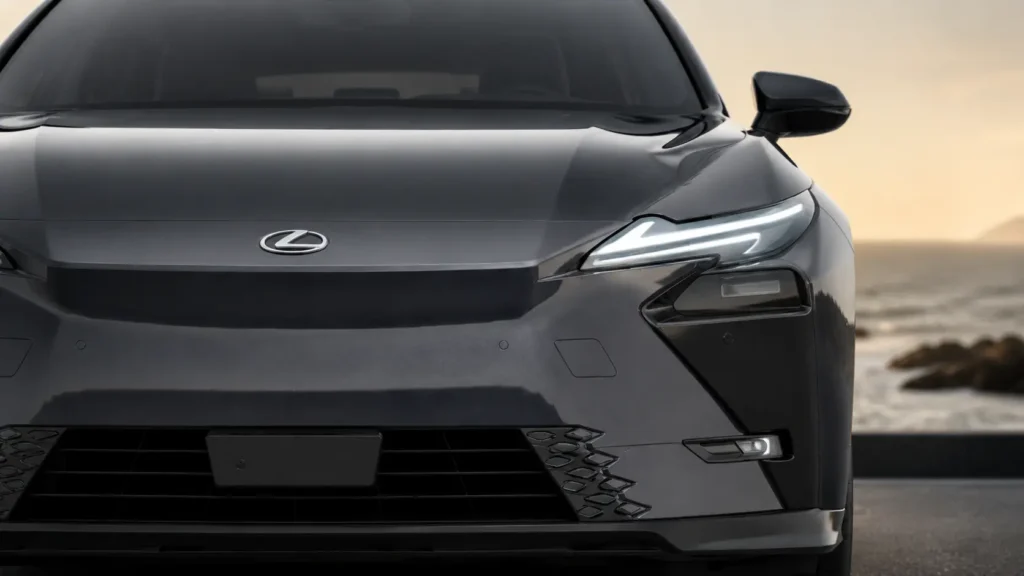
However, the market is now sending a far more complicated message. While electric vehicle adoption continues to grow in several regions, the pace of that growth is no longer matching some of the industry’s most optimistic forecasts. That changing reality is drawing attention toward Toyota‘s reported decision to slow parts of its next-generation Lexus EV strategy. More importantly, it is raising a much bigger question about whether the global EV transition is entering a more realistic phase than many originally expected.
The move does not mean Lexus is abandoning electric vehicles, nor does it signal the end of EV development. Instead, it reflects a growing recognition that consumer behavior, infrastructure challenges and economic conditions are influencing the transition in ways many automakers did not fully anticipate. For buyers, manufacturers and investors alike, this could become one of the most important automotive stories of 2026.
Why Toyota’s Latest EV Decision Is Getting So Much Attention
Toyota has never followed the same path as many of its rivals. While several manufacturers aggressively committed themselves to fully electric futures, Toyota consistently maintained that different markets would require different solutions, including hybrids, plug-in hybrids and battery-electric vehicles. At the time, that approach attracted criticism from those who believed EV adoption would accelerate much faster.
Recent market developments, however, have started changing that conversation. In several key regions, EV sales continue growing, but not at the pace many companies expected when they announced ambitious expansion plans. Buyers are showing increasing interest in flexibility, practicality and affordability rather than simply following industry trends.
That is why Toyota’s reported adjustment to its future Lexus EV plans is attracting so much attention. The decision is being viewed not as an isolated event, but as a reflection of broader changes occurring across the global automotive industry.
Also Read:- Tata Tiago EV 2026: Big Premium Upgrades Dropped Today
Why This Matters
- Toyota has reportedly slowed parts of its next-generation Lexus EV roadmap.
- Global EV demand growth is becoming less predictable in several major markets.
- Hybrid vehicles continue attracting strong consumer interest.
- The development could influence how other manufacturers approach future EV investments.
The Global EV Market Is Becoming More Complex Than Expected
The slowing growth in global EV demand does not mean electric vehicles are failing. Instead, it suggests the market is evolving beyond the early-adoption phase and entering a period where consumer decisions are increasingly driven by practical considerations.
Charging infrastructure remains inconsistent across many regions, particularly outside major urban centers. Vehicle pricing continues to be a challenge for some buyers, while concerns about charging convenience, battery longevity and long-distance travel still influence purchasing decisions. These factors are encouraging many consumers to take a more cautious approach before committing fully to electric mobility.
At the same time, hybrid vehicles are benefiting from this uncertainty. Many buyers view hybrids as a practical middle ground because they offer improved efficiency without requiring significant lifestyle adjustments. This trend has helped strengthen Toyota’s position and reinforced the company’s long-standing belief that multiple powertrain technologies will coexist for many years.
Expected Impact Of The Lexus EV Strategy Shift
| Area | Potential Impact | Why It Matters |
|---|---|---|
| Lexus EV Projects | Possible timeline revisions | Slower rollout of future models |
| Toyota Strategy | Greater hybrid focus | Reflects market demand |
| Global EV Market | Increased caution | More realistic growth expectations |
| Luxury EV Segment | Stronger competition pressure | Demand remains uneven |
| Buyers | More powertrain choices | Hybrid alternatives remain attractive |
| Industry Outlook | Strategy adjustments | Investment priorities may shift |
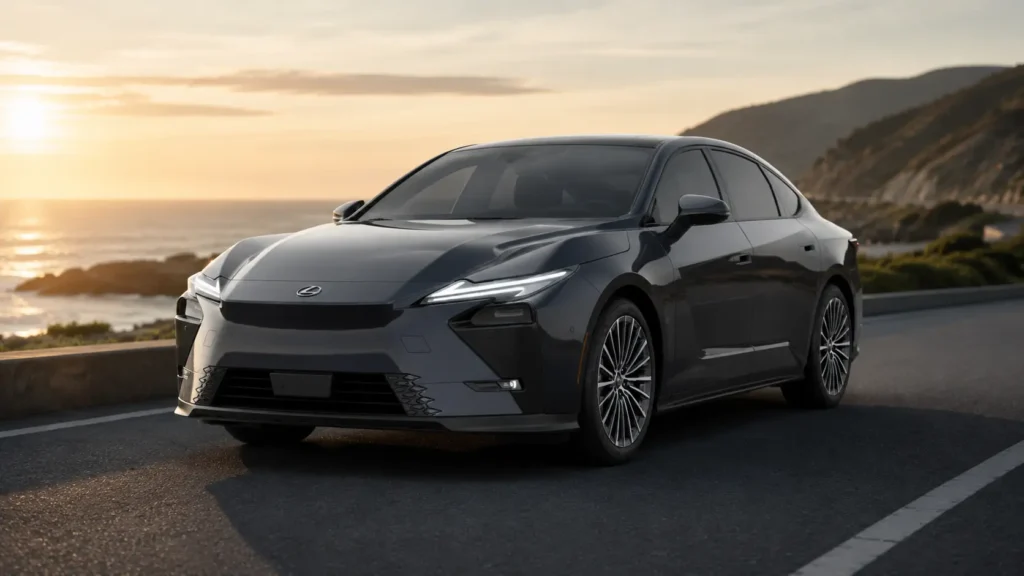
The table highlights an important reality. This is not simply a story about one future Lexus electric vehicle. It is a story about how some of the world’s largest automotive manufacturers are responding to changing consumer behavior and evolving market conditions.
For industry observers, the significance lies in what this decision represents. Automakers are increasingly prioritizing flexibility and adaptability rather than committing exclusively to a single technology pathway. That shift could influence product planning and investment decisions across the industry over the next several years.
Also Read:- How Do Paddle Shifters Work on an AMT Gearbox? (Motormitra Guide)
Why Luxury EV Brands Are Suddenly Becoming More Careful
The luxury EV market was expected to become one of the fastest-growing areas of the automotive industry. Premium manufacturers invested heavily in dedicated electric platforms, advanced battery technologies and new vehicle architectures to prepare for a future centered around electric mobility.
However, luxury buyers often have different expectations than mainstream customers. They prioritize convenience, effortless ownership experiences, long-distance usability and premium customer support alongside advanced technology. In regions where charging infrastructure remains inconsistent, those expectations can create challenges for fully electric luxury vehicles.
That does not mean luxury EVs lack a future. Demand continues to exist, and technological improvements will likely make these vehicles even more attractive over time. The challenge is that adoption appears to be progressing at a slower and more uneven pace than many manufacturers originally projected, forcing companies to adjust timelines and expectations.
Should Buyers Still Bet On EVs?
For consumers, the latest developments should not be interpreted as a warning against electric vehicles. EV technology continues improving, charging networks continue expanding and many markets are still recording healthy growth in electric vehicle adoption. The long-term direction of the industry remains clear, even if the pace of change is evolving.
What buyers should recognize is that the future is becoming more diversified than many originally expected. Instead of one technology rapidly replacing all others, the market increasingly appears headed toward a mix of EVs, hybrids, plug-in hybrids and conventional powertrains coexisting for years to come. That flexibility may actually benefit consumers by providing more choices tailored to different driving habits, budgets and infrastructure realities.
Toyota’s reported decision to slow parts of its next-generation Lexus EV strategy is not a sign that electric vehicles are disappearing. Instead, it reflects a growing realization that the journey toward widespread electrification may be more gradual and complex than many early forecasts suggested.
The bigger story is not the delay itself. It is what the delay reveals about changing consumer priorities, evolving market conditions and the growing importance of flexibility in automotive planning. If current trends continue, the future is unlikely to belong exclusively to one technology.
Instead, it may belong to manufacturers that successfully balance EVs, hybrids and other powertrain solutions while adapting quickly to what buyers actually want. For consumers, the message is equally important: the EV transition is still moving forward, but the road ahead may look very different from what the industry once predicted.
Stay tuned to MotorMitra for more exclusive deep dives into the world of Indian automotive excellence!