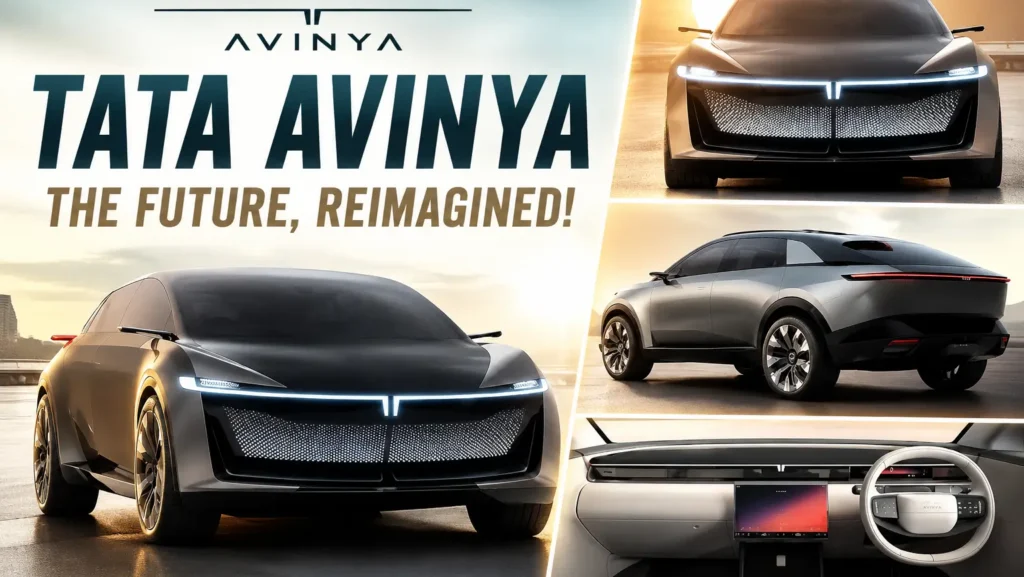
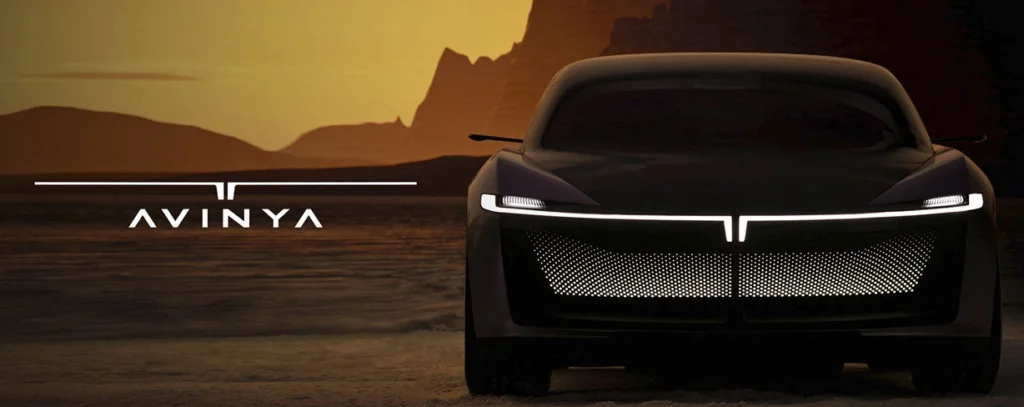
Most EV stories are about range, charging speeds or battery sizes. The latest Tata Avinya update is different. Fresh platform-related details suggest Tata’s upcoming flagship EV could be built on foundations that are far more ambitious than many initially expected, potentially changing how buyers view the project altogether. For a vehicle already positioned as a glimpse into Tata’s future, that is a development worth paying attention to.
The latest reports indicate that the Tata Avinya could use the Freelander platform linked to the Chery-JLR collaboration. While platform discussions rarely generate excitement among everyday buyers, they often reveal far more about a vehicle’s potential than headline specifications. In the case of the Tata Avinya, the architecture beneath the body could influence everything from technology integration and cabin space to performance capabilities and future scalability, making this one of the most significant updates surrounding the project so far.
Why This Matters
- Tata Avinya could use a Freelander platform linked to the Chery-JLR collaboration.
- The development points toward a more ambitious EV strategy than previously expected.
- Advanced architecture may support future technology and performance upgrades.
- The project strengthens Tata’s push into premium electric mobility.
What The Latest Tata Avinya Platform Update Reveals
The biggest takeaway from the latest reports is that Tata appears to be thinking well beyond a conventional electric vehicle launch. Rather than focusing solely on an individual product, the company may be investing in a foundation capable of supporting future innovation across multiple areas. That immediately makes the Tata Avinya a more interesting proposition because it suggests a higher level of long-term planning than many buyers may have assumed.
Also Read:- Don’t Buy A 7-Seater SUV Yet: Tata’s Most Important EV Has Been Spotted Again
Modern vehicle architectures are far more than structural foundations. They influence battery packaging, software capabilities, cabin flexibility, safety systems and future technology integration. If the Tata Avinya ultimately benefits from a Freelander-based architecture, it could gain engineering advantages that extend well beyond what buyers typically see in specification sheets or launch presentations.
| Strategic Area | What Tata Avinya Could Gain | Why This Matters For Buyers |
|---|---|---|
| Platform Foundation | Freelander-based architecture | Potential for more advanced engineering |
| Global Technology Input | Chery-JLR collaboration influence | Higher technology expectations |
| EV Packaging | Dedicated next-generation EV structure | Better space and cabin flexibility |
| Software & Connectivity | Support for future digital ecosystems | More future-ready ownership experience |
| Premium Positioning | Move beyond mainstream EVs | Stronger appeal for premium buyers |
| Scalability Potential | Platform can support future products | Long-term relevance for Tata’s EV roadmap |
| Brand Impact | Strengthens Tata’s premium EV ambitions | Greater confidence in future products |
| Competitive Advantage | Access to more advanced development resources | Better ability to compete with global rivals |
| Long-Term Vision | Foundation for next-generation EV portfolio | Signals Tata’s future direction |
| Biggest Unknown | Final specifications, pricing and execution | Real-world success depends on delivery |
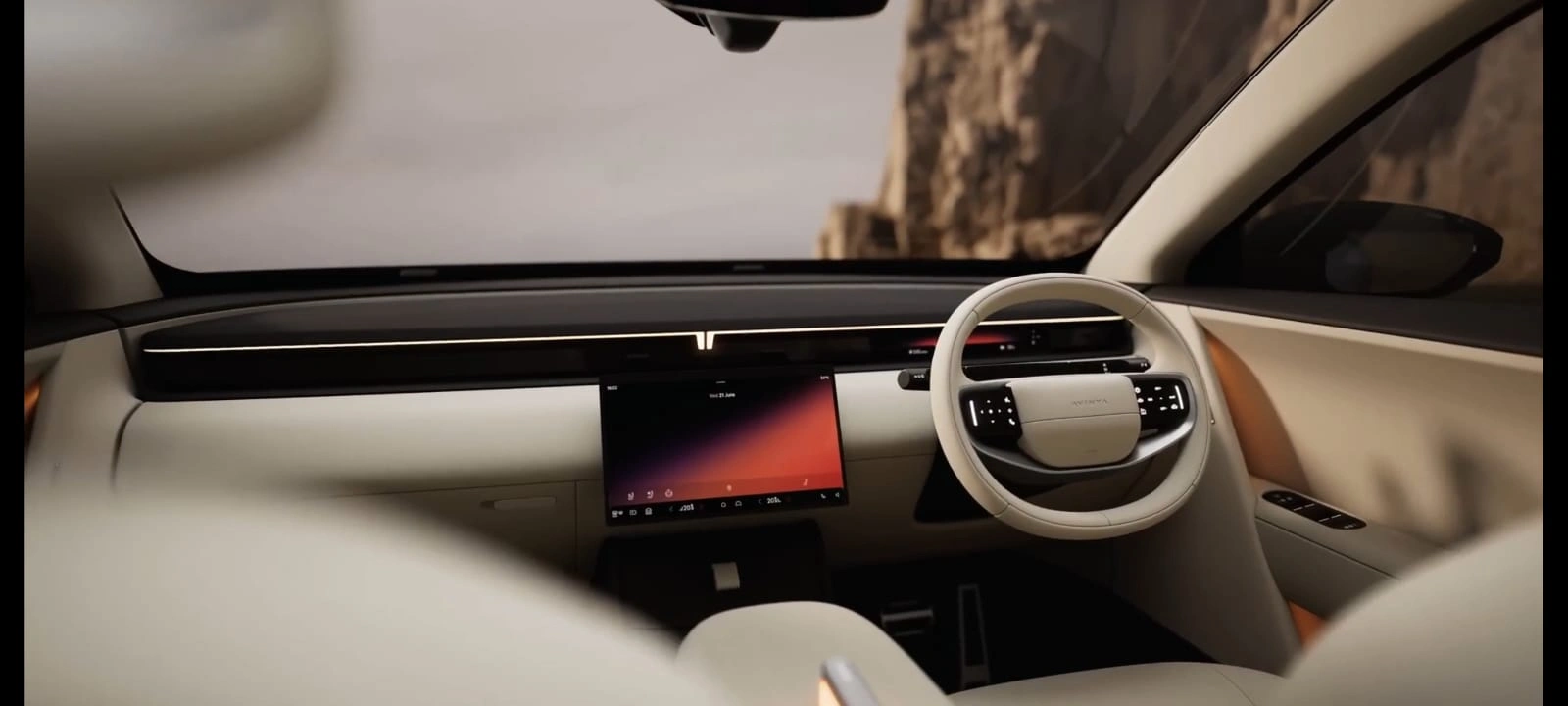
But the real reason this update matters has very little to do with the platform name itself. What makes the development important is what it reveals about Tata’s ambitions. The company appears to be investing in foundations that could support a more sophisticated generation of electric vehicles, potentially influencing not only the Tata Avinya but several future products as well.
The bigger story is what this development says about Tata’s future direction. The company already leads India’s passenger EV market, but leadership today does not guarantee leadership tomorrow. As competition intensifies and global manufacturers prepare more advanced electric products, Tata will need vehicles capable of moving the brand into higher segments while maintaining its technological advantage. The Tata Avinya increasingly appears to be part of that strategy.
Why Tata Avinya Suddenly Looks Like A Bigger Deal
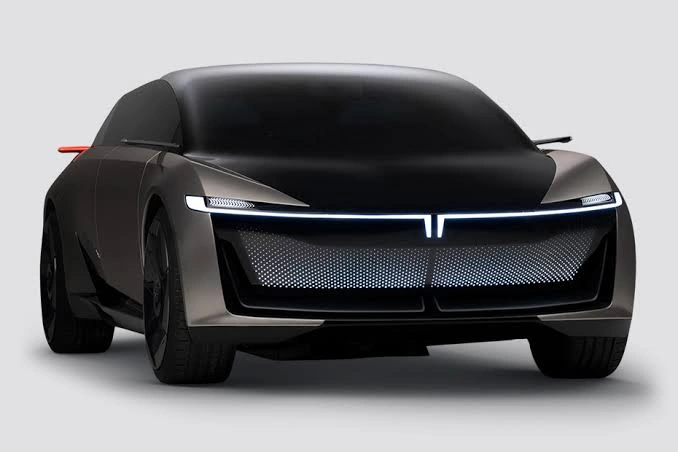
The Tata Avinya was never intended to be just another electric vehicle. From the beginning, the project represented a vision of where Tata Motors wanted its EV portfolio to go. The latest platform developments strengthen that narrative by suggesting the company is investing in foundations that can support a much broader and more sophisticated electric vehicle strategy than many initially expected.
That matters because premium EV buyers are becoming increasingly demanding. Design alone is no longer enough. Customers now expect advanced software, strong efficiency, intelligent connectivity, refined driving characteristics and long-term technology relevance. A modern architecture can play a major role in delivering those expectations, which is why the latest Tata Avinya update deserves attention far beyond the usual enthusiast community.
Also Read:- Upcoming Cars in June 2026: Maruti Flex-Fuel, Tata Sierra EV, and New S-Class Launch Timeline
The development could also have implications beyond a single model. Manufacturers often use major architecture investments across multiple future products, allowing engineering improvements and technological advances to spread throughout an entire lineup. If Tata follows a similar approach, the impact of the Tata Avinya could extend far beyond one launch and influence the company’s next generation of electric vehicles.
India’s premium EV segment is still evolving, creating opportunities for manufacturers willing to invest in more advanced products. Buyers increasingly want electric vehicles that deliver not only lower running costs but also premium experiences, cutting-edge technology and long-term ownership confidence. The Tata Avinya could arrive at exactly the right moment, helping raise expectations across the segment while demonstrating how Tata plans to compete in the next phase of the EV market.
Should Buyers Be Paying Attention To The Tata Avinya?
For anyone interested in the future of electric mobility in India, the answer is yes. The Tata Avinya is increasingly looking like more than a concept-inspired showcase vehicle. Instead, it appears to be evolving into a strategic product designed to demonstrate what Tata believes the next chapter of its electric vehicle journey should look like. That alone makes it one of the most important upcoming projects in the company’s portfolio.
While many details remain unconfirmed, the platform story provides a valuable glimpse into the thinking behind the vehicle. Buyers may not be making purchase decisions today, but understanding where future products are heading can be just as important as evaluating the vehicles currently available in showrooms. The Tata Avinya now appears positioned to play a much larger role in that future conversation than many initially expected.
The Verdict That Matters Most
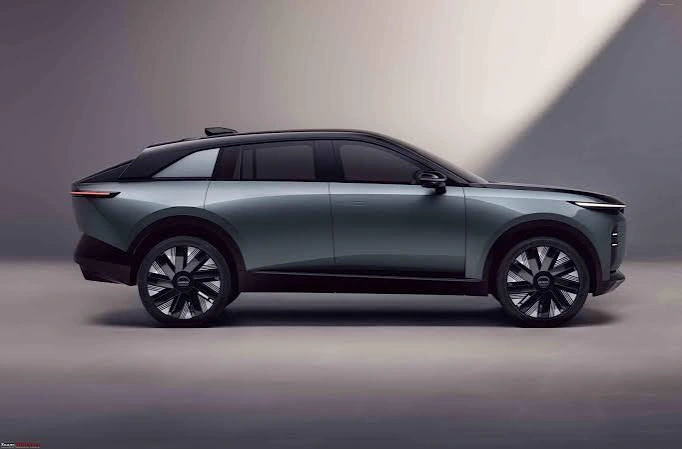
The latest Tata Avinya platform details suggest this project may be significantly more ambitious than originally anticipated. A possible connection to the Freelander architecture linked with the Chery-JLR collaboration points toward a vehicle designed with long-term technology, scalability and premium positioning in mind rather than simply serving as another addition to Tata’s EV lineup.
If the final product delivers on that promise, the Tata Avinya could become one of the most important EV launches in the company’s history. More importantly, it could provide the clearest indication yet of how Tata plans to compete in the next chapter of India’s electric vehicle market. If these platform plans translate into the final production model, the Tata Avinya may eventually be remembered as the vehicle that signaled Tata’s next major leap in electric mobility.