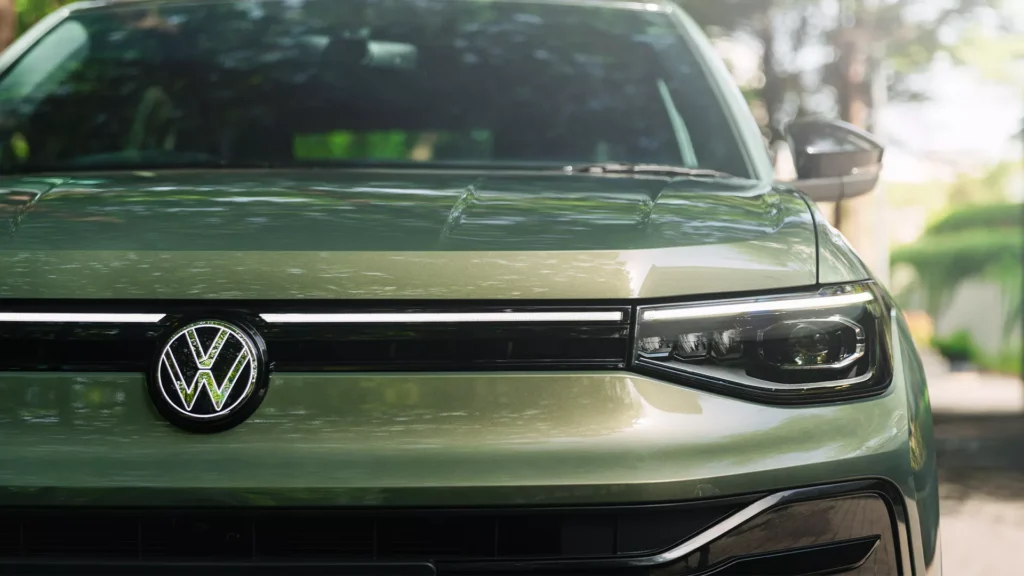
Europe’s largest automotive conglomerate is officially entering a state of absolute survival mode. In a desperate, highly aggressive bid to cut costs and stop a severe financial hemorrhage, Volkswagen is reportedly terminating its high-profile €1.5 billion ($1.71 billion) automated driving partnership with tech giant Bosch. The dramatic breakdown of this blockbuster alliance, which was originally forged in 2022 through VW’s specialized software subsidiary Cariad, was first exposed by German publication Bild.
According to internal company whistleblowers, the multi-billion-euro project has been quietly marked for immediate cancellation because the jointly developed autonomous technology failed to meet internal benchmarks and is simply no longer competitive compared to global rivals. This shocking cancellation isn’t an isolated corporate disagreement—it is the loudest alarm bell yet pointing toward a massive structural restructuring that could reshape the entire European auto industry.
The Breakdown: Why the €1.5B Bet Failed
When Volkswagen and Bosch shook hands four years ago, the goal was monumental: co-develop cutting-edge driver-assistance modules and fully autonomous software that could be deployed globally across VW’s multi-brand empire (spanning Volkswagen, Audi, and Porsche). However, despite a massive cumulative cash injection of €1.5 billion, the project hit a technical brick wall:
- The Development Gap: Internal technical audits conducted by VW engineers allegedly revealed that the platform’s ‘Level 2++’ semi-autonomous software—intended to enable hands-free urban navigation—was miles behind the systems currently being mass-produced by Tesla and aggressive Chinese EV monsters like BYD and Xiaomi.
- Sourcing from Outside: Realizing that foundational, in-house development was draining too much cash for too little progress, VW’s executive leadership decided to stop wasting capital. Moving forward, the carmaker plans to completely bypass the joint venture and directly purchase ready-made hardware and software systems from an external, third-party technology supplier, with a new contract expected to be finalized by September 2026.
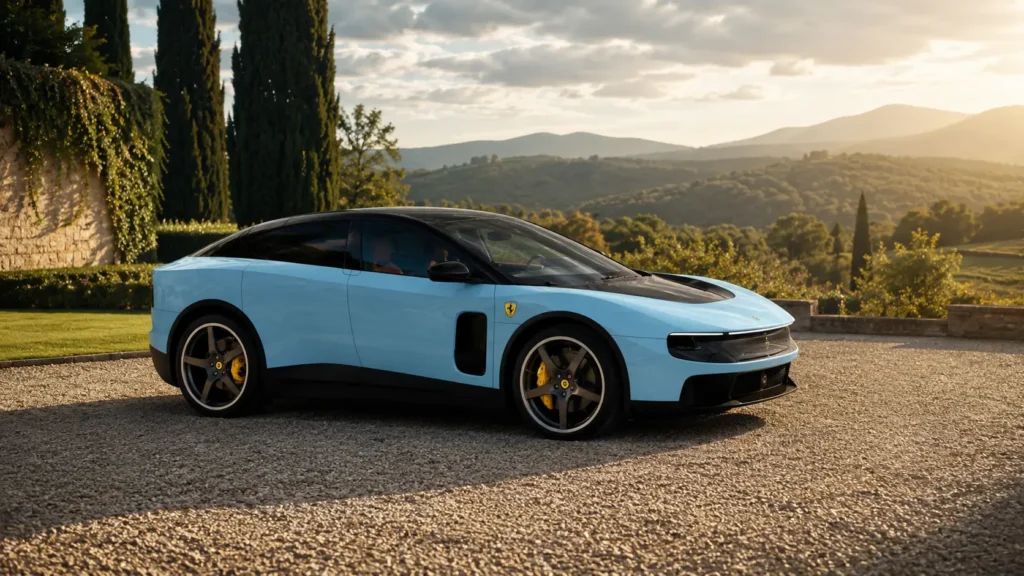
Also Read: Ferrari’s First EV Was Roasted Online—Then Sold Out in China Within Hours
A 100,000 Job Cut Shadow Looming over Germany
The death of the self-driving project is merely a symptom of a much larger crisis threatening the German manufacturing giant. Squeezed tightly by collapsing profits, eroding European market share, stagnant EV demand, and fierce competition from heavily subsidized Chinese automotive brands, VW is executing a brutal fiscal lockdown.
According to deep-dive industrial reports from Reuters and Manager Magazin, the automaker’s upcoming supervisory board meeting on July 9, 2026, is set to review some of the most severe austerity measures in its history:
- Unprecedented Factory Closures: For the first time on German soil, Volkswagen is actively considering shutting down up to four domestic manufacturing plants.
- Mass Layoffs: While the company previously targeted a 28,000 job reduction baseline through 2030, newer internal projections suggest that a staggering 100,000 global jobs could be on the chopping block to aggressively lean out its 660,000-strong workforce.
- Slashing Capex: Over the next five years, planned capital investments will be aggressively rolled back by roughly 15%, capping spending to just over €130 billion while forcing luxury sub-brands Audi and Porsche to share platforms tightly to avoid development redundancies.
A Cold Reality Check
| Carmaker / Alliance | Strategic Status (As of Mid-2026) | Tech Approach |
| Volkswagen + Bosch | Project Canned (Failed Internal Benchmarks) | Outsource to New Tech Partner by Sept |
| Tesla | Mass Deploying Unsupervised FSD Profiles | Vision-Only Neural Networks |
| Chinese Tech Giants (BYD/Xiaomi) | Mass Producing Level 2+/3 Autopilot Suites | Lidar & Ultra-High-Voltage Skateboard Integration |
| Stellantis + Wayve + Uber | Actively Developing Global Robotaxi Fleets | AI-First End-to-End Deep Learning |
This strategic pivot proves that the era of traditional automakers spending blank checks on long-term, unproven autonomous research is officially dead. Companies can no longer afford to fund pride projects when their core business models are under immediate threat.
Motor Mitra Verdict
Volkswagen’s decision to drop Bosch and walk away from a €1.5 billion investment is a cold, calculated move of panic and pragmatism. In the harsh automotive landscape of 2026, VW has realized it can no longer pretend to be a software company.
Faced with declining sales and the very real threat of domestic plant closures, the brand is forcing its software division, Cariad, to stop bleeding money on proprietary autonomous tech when they can simply buy functional packages off the shelf from alternative suppliers. While keyboard commentators will look at this as an embarrassing technical failure for German engineering, it is arguably the most necessary bit of damage control VW has performed this decade. If cutting this project saves thousands of factory jobs on the line, it is a bitter pill the board had to swallow.
For more such updates on latest cars, bikes and EVs stay connected to MotorMitra. #gaadiyonkismartguide