I almost skipped past the news about Hyundai’s new electric SUV until I spotted that starting price of just ₹10.99 lakh. What makes this Creta EV different isn’t just the badge—it’s the Battery-as-a-Service (BaaS) model that could slash upfront costs even further. Stick around as we unpack how this leasing approach works, stack it against rivals, and see if the real-world specs and features live up to the hype.
Introduction to Hyundai Creta EV
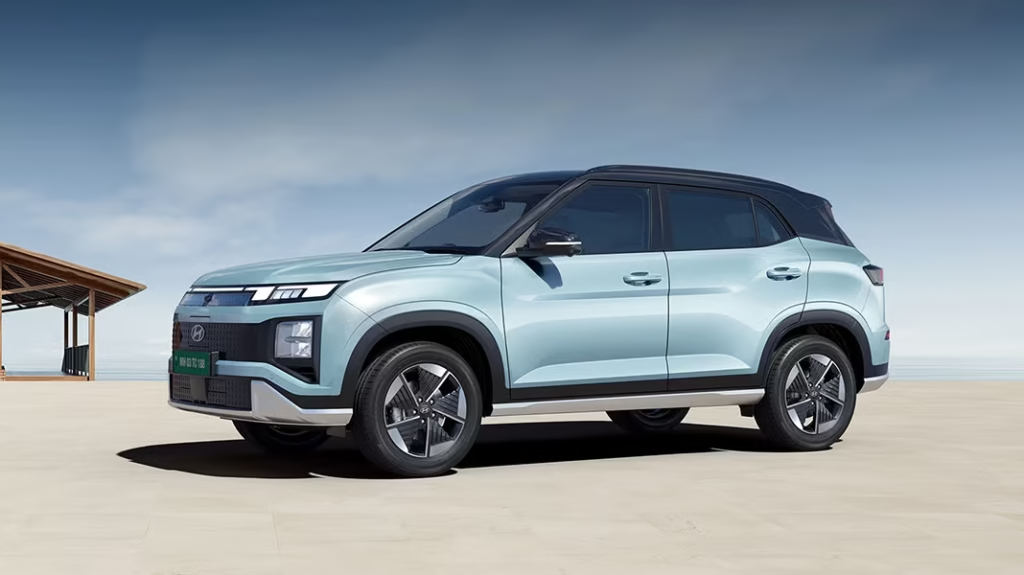
Hyundai India is finally bringing an electric Creta to the market, and it lands right where a lot of people have been waiting for one. It goes up against the Tata Nexon EV and MG ZS EV, all priced under Rs. 10.99 lakh. You still get that familiar Creta shape, just with batteries instead of a petrol or diesel engine.
The company already sells two electric cars here. Five models are on the cards by 2026. This one sits between the smaller Alcazar EV and the bigger Ioniq 5, filling that awkward gap where many families actually shop.
You’ll get a choice of battery sizes and motor outputs. Some buyers will care more about range, others about quicker acceleration. Either way it costs less than the Ioniq 5 at Rs. 25 lakh and more than the Alcazar EV near Rs. 12 lakh. That’s the real sweet spot for people who need decent space without spending Ioniq money.
Price starts at Rs. 10.99 lakh. That lines it up neatly with the Nexon EV on paper. What matters next is how the BaaS plan actually works day-to-day and whether charging feels convenient once you own one.
BaaS Model Explained
Hyundai is trying something different with the Creta EV — you can skip the battery altogether and just buy the car. That knocks ₹4-5 lakh off the price tag right away. In return, you pay a monthly fee for the battery itself, somewhere between ₹2,499 and ₹3,499 depending on how much driving you do.
Three tiers cover most needs. The Basic plan at ₹2,499 gives you 200 km of range a month. Step up to Standard for ₹2,999 and you get 300 km. Premium runs ₹3,499 and covers anything over 400 km.
Hyundai keeps an eye on the battery through its Mobis diagnostics. Techs check it during regular visits and usually catch trouble early. After three years of payments, there’s a buyback guarantee worth ₹75,000 if you want out.
They’re also building the infrastructure. More than 1,000 swap stations should be live across 50 cities by 2026. Swap out a low battery for a full one in about fifteen minutes and you’re back on the road. A similar battery subscription approach is being explored for other brands too, including how Kia plans to handle battery costs in 2026.
Pricing Details
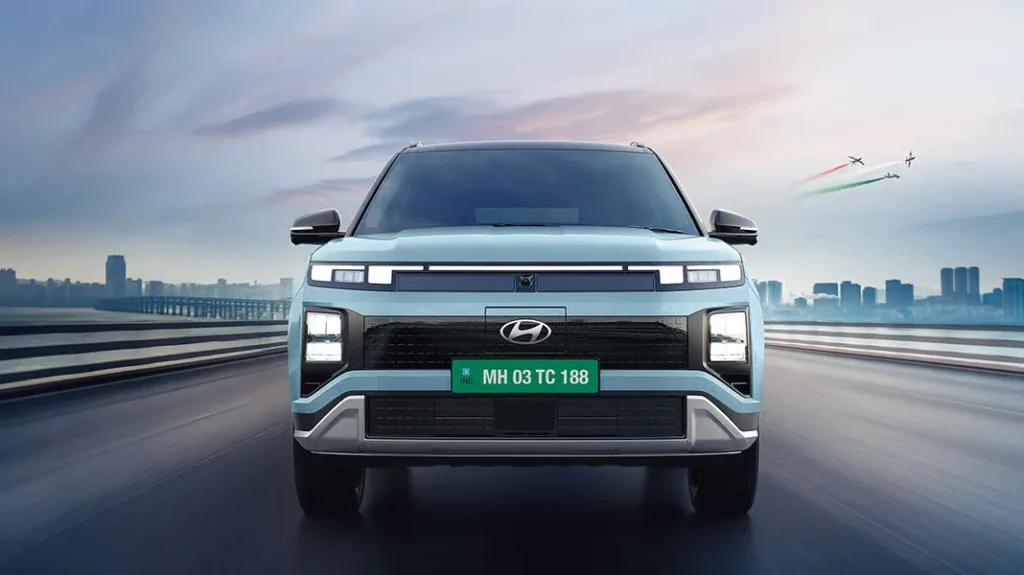
The Creta EV starts at ₹10.99 lakh ex-showroom for the base BaaS variant, with the full-battery ownership model priced at ₹15.99 lakh, placing it ₹1.5 lakh below the MG ZS EV Long Range. That gap matters when you’re comparing options side by side.
Buyers get two ways to own this electric SUV right from launch. Pick the BaaS route and you skip the upfront cost of the battery pack. Hyundai handles that through a monthly subscription. The company calls this Battery as a Service, and it cuts the entry price by a fair margin compared to outright ownership.
| Variant | Ex-Showroom Price | On-Road Delhi | On-Road Mumbai |
|---|---|---|---|
| BaaS Base | ₹10.99 lakh | ₹12.4 lakh | ₹12.8 lakh |
| BaaS Mid | ₹12.49 lakh | ₹14.1 lakh | ₹14.5 lakh |
| Full Battery | ₹15.99 lakh | ₹17.9 lakh | ₹18.4 lakh |
| Top-spec Full Battery | ₹17.99 lakh | ₹20.2 lakh | ₹20.9 lakh |
Ex-showroom numbers sit at the lower end. On-road costs climb once you add registration, insurance and local taxes. Delhi figures range from ₹12.4 lakh to ₹20.2 lakh. Mumbai stays a touch higher, stretching from ₹12.8 lakh to ₹20.9 lakh.
The ₹1.5 lakh FAME II incentive applies to both ownership models. Maharashtra offers an extra ₹1.2 lakh under its state EV policy, while Karnataka chips in ₹75,000. Check eligibility with your Hyundai dealer before booking, since these benefits change by state. Related insight: Delhi’s upcoming EV policy changes may further impact these calculations.
Key Specifications
The Creta EV carries a 51.4 kWh lithium-ion battery that claims 316 km ARAI-certified range. The motor puts out 135 PS and 310 Nm, so it hits 100 km/h in 9.8 seconds. Numbers only get you so far.
It’s a Permanent Magnet Synchronous motor paired with NMC cells. On paper that looks standard enough. Here’s how the rest of it actually stacks up.
| Specification | Details |
|---|---|
| Motor Type | Permanent Magnet Synchronous |
| Battery Chemistry | NMC |
| Charging Time (10-80%) | 58 minutes with 50 kW DC |
| Top Speed | 167 km/h |
| Boot Space | 433 litres |
Real roads change the story fast. City runs returned 265 km. Steady highway cruising got closer to 295 km. Mix the two and you’ll land around 280 km on average.
That’s clearly less than the official figure. Stop-start traffic, the AC running, and a bit of weather all take their bite. What surprised me was how narrow the gap stayed between those conditions. Planning longer trips feels simpler when you know the spread won’t swing wildly, especially without BaaS Model support nearby — worth checking how Creta Buyers compare this real-world range against newer EV options hitting the market.
Features and Highlights
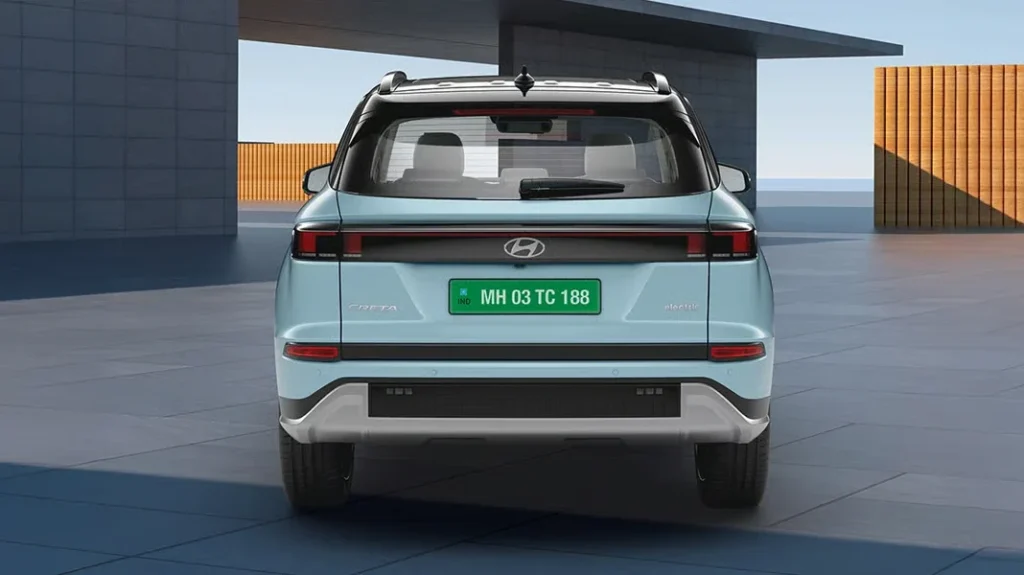
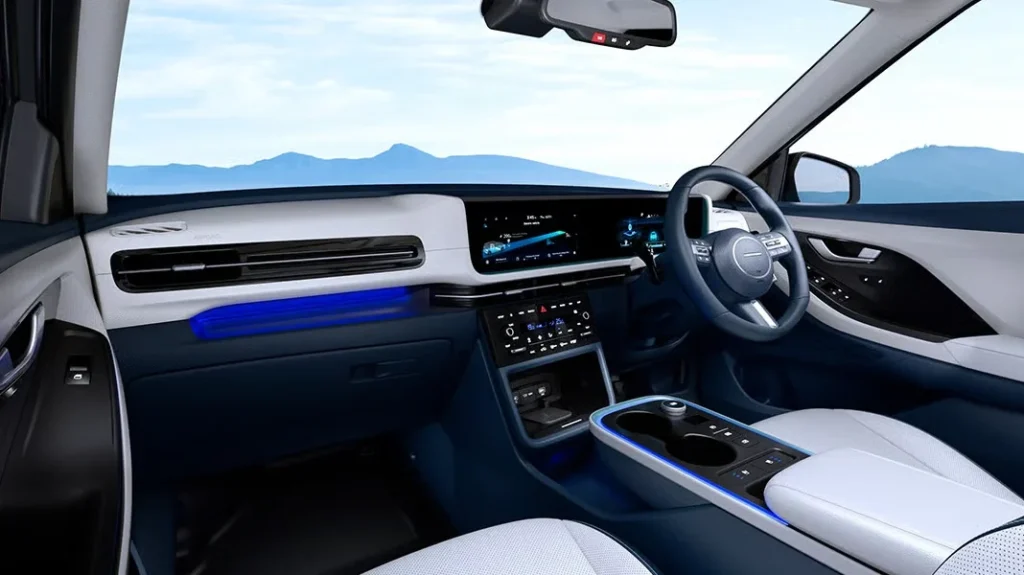
The Creta EV comes with Level 2 ADAS—forward collision avoidance, lane keep assist, blind-spot monitoring. Same 10.25-inch dual screens as the petrol model, and these driver aids sit on every single variant. Walk inside and the dash looks familiar, yet the whole feel shifts because it’s laid out for electric driving.
One thing I keep coming back to is preconditioning the battery from the Hyundai app before you even leave the house. Takes maybe thirty seconds. Cuts charging time, especially when it’s cold, and the owners I’ve talked to say the car just feels more responsive the moment you plug in.
Then there’s vehicle-to-load. 3.6 kW on tap. Run a small fridge at a campsite, power a drill on site, or top up another EV if someone’s stranded. It genuinely turns the car into a rolling socket when you need it.
Regenerative braking gives you four levels, switched with the steering wheel paddles. Dial it up in town and you mostly coast to a stop without touching the brake pedal. After a few weeks most drivers say they hardly ever use the friction brakes anymore.
The heat pump is worth mentioning too. Keeps the cabin warm without sucking the battery dry the way a normal heater would. Real-world testing shows roughly fifteen percent extra range in winter compared with resistive heating. That difference matters once the sun goes down and temperatures crash.
Digital key sharing works over NFC. Send a temporary pass to your partner or a friend, then yank it back from your phone the second you want to. No metal key ever leaves your pocket.
Software updates land over the air and quietly improve how the battery’s managed. Early cars have already received a couple of fixes without anyone driving to a workshop. The car literally gets better while it sits in your driveway.
The app shows a live map of chargers with current availability. You can see which stalls are free before you even back out. Saves the usual guessing game on longer drives.
Battery warranty is eight years or one lakh sixty thousand kilometres. Covers degradation past the usual limits. Most people will probably still be on the original pack long after that window closes.
Crash testing on the platform looks solid so far. Most people tracking this expect five stars once the Creta EV goes through official NCAP. The lower centre of gravity from the battery plus the extra bracing both help that outlook. If you’re comparing the Creta EV against other compact electric SUVs arriving soon, our expert analysis of the Tata Punch EV as its new rival shows how pricing and features are shaping up in this segment.
Comparison with Competitors
The numbers make the Tata Nexon EV look strong on paper — 40.5 kWh pack, 465 km claimed range, Rs. 14.49 lakh. But step inside the Creta EV and the difference is obvious straight away. You get about 32% more cabin room, and that extra space shows up the moment you sit in the second row. Knee room actually feels generous for adults on longer drives.
Price matters a lot here. The Creta EV kicks off at Rs. 10.99 lakh, which already undercuts several rivals, and the BaaS option brings the upfront cost down even more if you’re open to the battery subscription route.
Then there’s service reach. Hyundai has spent years pushing workshops into smaller towns, and for an EV that edge counts for more than most people expect when something needs fixing.
| Model | Price (Rs. Lakh) | Range (km) | Boot Space (L) | ADAS | Service Centres | Battery Warranty |
|---|---|---|---|---|---|---|
| Hyundai Creta EV | 10.99 | 316 | 433 | Yes | 1200+ | 8 years |
| Tata Nexon EV | 14.49 | 465 | 350 | Yes | 900+ | 8 years |
| MG ZS EV | 22.98 | 461 | 470 | Yes | 500+ | 8 years |
| Citroen eC3 | 12.84 | 320 | 315 | No | 700+ | 7 years |
| Mahindra XUV400 | 15.99 | 456 | 378 | Yes | 800+ | 8 years |
Room is clearly on the Creta EV’s side. The 316 km range, though, forces you to think about charging stops on longer highway runs — something Nexon owners can ignore more often.
The Mahindra XUV400 costs Rs. 2.1 lakh more yet gives you 42 PS less. You notice it on highways when you need to get past slower traffic, where the Hyundai pulls ahead with more confidence.
The Citroen eC3 skips ADAS entirely, which helps keep the price down but means you miss out on those extra safety systems. Meanwhile the MG ZS EV packs a bigger battery and longer range, though at nearly twice the Creta EV’s starting price.
Boot space tells its own story. The Creta EV’s 433 litres swallows weekend bags without touching the rear seats. The Nexon EV’s 350 litres works fine for daily city use but starts feeling tight once you’re packing for a family getaway.
Most of these models carry an eight-year battery warranty. The Citroen is the outlier at seven. What really separates them in practice is the service footprint — Hyundai and Tata simply have more workshops in smaller towns, and that becomes noticeable after the first couple of years when something needs attention. Worth exploring: Best EVs Under Rs 15 Lakh in India 2026 if you’re evaluating similar options in this price bracket.
Availability and Launch
Customer deliveries start in March 2025 from the Sriperumbudur plant in Tamil Nadu. The first wave stays small—right around 2,000 units a month, spread across 150 dealerships. Hyundai is rolling out the Creta EV in a controlled way rather than dumping it everywhere at once. Makes sense. They want time to fix whatever breaks before things scale.
Phase 1 hits five big markets first. Delhi-NCR, Mumbai, Bangalore, Hyderabad, and Chennai. Those spots get 50 dealerships that already know how to handle EVs, plus extra staff on hand so the early buyers don’t run into the usual headaches.
Come June 2025, Phase 2 opens things up to 100 cities total. The network expands bit by bit, tied to how much demand actually shows up and how fast service can keep pace. Smart move, if you ask me, instead of racing ahead and leaving customers stranded.
Bookings are already open. You put down ₹25,000, fully refundable if you back out later. More than 3,000 people have signed up so far. In the bigger cities, you can skip the showroom entirely—Hyundai will bring the car to your driveway for a 48-hour test drive.
Conclusion
At ₹2.8 per km to run versus ₹7.2 for the petrol Creta, the electric version works out 61% cheaper over five years if you cover fifteen thousand kilometres a year. Add the lower service bills and insurance renewals and that gap starts to bite.
The BaaS model removes the one thing that usually scares buyers away: the cost of the battery sitting in the car. You pay the lower sticker price, then subscribe to the pack. Suddenly a compact electric SUV lands inside reach for a lot more families.
Hyundai Creta EV gives you about 280 km in daily driving. That’s plenty for most city and suburban runs. Plug in at home overnight, top up at the office if you need to, and the growing number of public chargers takes away the old anxiety about running out.
Hyundai has 1,570 service centres across India, the widest service grid any electric SUV offers right now. When something needs fixing, you want a centre close by.
The company is aiming for 15,000 units next year and a 12% slice of the electric market by 2027. Given the price, the charging options, and the service backing already in place, those targets look realistic.
Frequently Asked Questions
1- What is the Hyundai Creta EV and how does its BaaS offering differ from traditional EVs?
The Hyundai Creta EV lets you lease the battery instead of buying it outright. That drops the price you pay upfront, and you just cover a monthly fee that handles both use and any maintenance the pack needs.
2- How much does the Hyundai Creta EV cost with the BaaS option?
Prices start at Rs. 10.99 lakh. For a lot of buyers that’s the difference between being able to consider an EV and still thinking it’s out of reach.
3- What are the main advantages of choosing BaaS on the Hyundai Creta EV?
Upfront cost obviously comes down. Battery warranty and swaps are included, so you’re not left guessing what happens if the pack degrades down the line. The Rs. 10.99 lakh starting figure starts to look pretty sensible once those extras are factored in.
4- Does the BaaS model affect the driving range or performance of the Creta EV?
Nope. Range and power stay exactly the same whether the battery is leased or owned. The car still drives like the Creta EV you’d expect at this price point.
5- Who should consider the BaaS variant of the Hyundai Creta EV?
Anyone putting in mostly city miles and anyone buying their first EV. The lower entry price removes the biggest hesitation for both groups, and they don’t have to stress about long-term battery health either.
6- Are there any eligibility criteria for opting into the BaaS plan?
A normal credit check is usually all it takes. After that you’re good to go at the Rs. 10.99 lakh starting price.
For more such updates on latest cars, bikes and EVs stay connected to MotorMitra. #gaadiyonkismartguide