

Hyundai Car India has announced a fresh price hike across its entire passenger vehicle portfolio, with revised prices set to take effect from September 2026. The increase will be up to 1%, although the exact revision will vary depending on the model and variant. The move means buyers planning to purchase a new Hyundai hatchback, sedan, SUV or electric vehicle could soon face higher ex-showroom prices.
The latest revision covers Hyundai’s complete range in India rather than targeting a specific model or segment. However, the company has not announced a flat increase for every vehicle. Some models or variants may see a smaller revision, while the final rupee impact will depend on the existing price of the vehicle.

Also Read:- 2027 Hyundai Tucson Revealed — Bigger, Boxier, and Built to Dominate
Hyundai Cars September 2026 Price Hike – Key Details
| Price Revision Factor | Official Update | What It Means For Buyers | Market Impact |
|---|---|---|---|
| Effective From | September 2026 | Revised ex-showroom prices will apply after implementation | Buyers should check the latest applicable price |
| Maximum Hike | Up to 1% | Exact increase will vary by model and variant | Not every vehicle will necessarily receive the full 1% increase |
| Portfolio Coverage | Entire Hyundai range | Hatchbacks, sedans, SUVs and EVs are covered | Broad impact across multiple buyer segments |
| Pricing Method | Model and variant specific | Rupee increase will differ across the lineup | Higher-priced vehicles could see a larger absolute increase |
| Main Reason | Rising input and commodity costs | Part of the additional cost is being passed on | Manufacturing expenses continue to put pressure on prices |
| Additional Factors | Higher operating expenses | Cost pressure extends beyond raw materials | Operational costs also influence vehicle pricing |
| Economic Background | Geopolitical and macroeconomic uncertainty | Continued pressure on overall costs | External conditions can affect manufacturing and business expenses |

Creta, Venue, Exter And More Will Be Covered
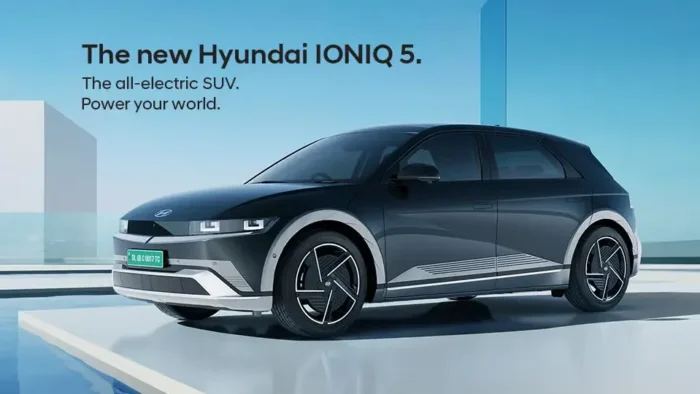
Hyundai sells vehicles across nearly every major passenger vehicle segment in India, from hatchbacks to premium SUVs and electric cars. Its lineup includes the Grand i10 Nios, i20, Aura, Exter, Venue, Creta, Alcazar, Verna, Creta Electric and IONIQ 5.
Since the announcement applies across Hyundai’s entire portfolio, these models will fall under the upcoming price revision. However, the exact increase for each car and variant has not yet been detailed, making it too early to assign a specific rupee amount to individual models.
The Creta will naturally be among the most closely watched products because of its importance to Hyundai’s Indian business. Venue and Exter buyers will also be waiting for revised prices, while the impact will extend beyond SUVs to hatchbacks, sedans and electric vehicles.
Why Is Hyundai Increasing Car Prices?
Hyundai has attributed the latest revision to a combination of rising input and commodity costs, higher operational expenses and continuing geopolitical and macroeconomic uncertainties. The company has been working to optimise costs and absorb part of the increased burden, but persistent pressure has made a marginal price revision necessary.
The decision reflects a balancing act for the carmaker. Manufacturers try to absorb higher costs internally for as long as possible to limit the impact on demand, but sustained increases in manufacturing and operating expenses can eventually require a revision in vehicle prices.
The automotive industry depends on a wide range of commodities, components, logistics and manufacturing processes. When multiple costs remain elevated at the same time, the impact can spread across an entire product portfolio rather than affecting only one category of vehicles.

Also Read:- Skoda Octavia RS Returns to India in 2026 — Only 50 Units, Full Details Inside
Not Every Hyundai Will Become Costlier By The Same Amount
The phrase “up to 1%” is important because it represents the maximum announced increase rather than a fixed hike for every car. A lower-priced hatchback and a premium electric vehicle could therefore see very different rupee-value revisions.
For example, a full 1% increase on a vehicle priced at Rs 10 lakh would equal Rs 10,000, while the same percentage on a Rs 20 lakh vehicle would equal Rs 20,000. The actual increase, however, may be lower because Hyundai has stated that the final quantum will depend on the specific model and variant.
This means the revised September price list will be more important than the headline percentage alone. Buyers comparing different variants of the same model could also see a difference in how the revision is applied.
Hyundai’s Third Price Revision Of 2026
The September increase marks Hyundai’s third price revision of 2026, underlining the continued cost pressure facing the automobile industry. The company had already revised prices earlier in the year before announcing the latest portfolio-wide increase.
While an individual revision of up to 1% may appear relatively small, repeated price adjustments can gradually increase the cost of buying a new vehicle. This becomes particularly noticeable in higher variants and premium segments, where even a small percentage change can translate into a larger rupee amount.
The latest hike also comes as competition remains intense across India’s passenger vehicle market. Hyundai operates in several high-volume and highly competitive categories, making pricing decisions important not only for cost recovery but also for maintaining the competitiveness of its products.
What Happens Next For Hyundai Buyers?
The next key update will be the detailed model-wise and variant-wise price revision. Hyundai has announced the maximum increase, but the exact impact on individual cars will become clear once the updated prices are implemented.
For buyers who are already close to finalising a purchase, the applicable price may depend on factors such as booking terms, invoicing and delivery conditions. Customers should therefore confirm the final payable amount and applicable pricing policy with their authorised dealer rather than assuming that an earlier booking automatically guarantees the current price. For everyone else, the September revision adds another factor to the purchase decision. The final price difference should be considered alongside available discounts, exchange benefits and finance offers, as these can vary depending on the model and dealership.
Hyundai cars are set to become more expensive from September 2026, with the company announcing a price hike of up to 1% across its entire range. The final increase will vary depending on the model and variant, while rising input and commodity costs, higher operational expenses and wider geopolitical and macroeconomic uncertainty have been cited as the main reasons behind the decision.
The impact will extend across Hyundai’s portfolio, covering popular models from the Grand i10 Nios and i20 to the Exter, Venue, Creta, Alcazar and electric vehicles. The exact model-wise increase is yet to be detailed, making the upcoming revised price list the next important update for prospective buyers. Overall, the September hike is a marginal revision, but because it covers Hyundai’s complete portfolio, almost every buyer considering a new Hyundai could be affected