Hero MotoCorp to Roll Out Flex-Fuel Variations Across Entire Lineup
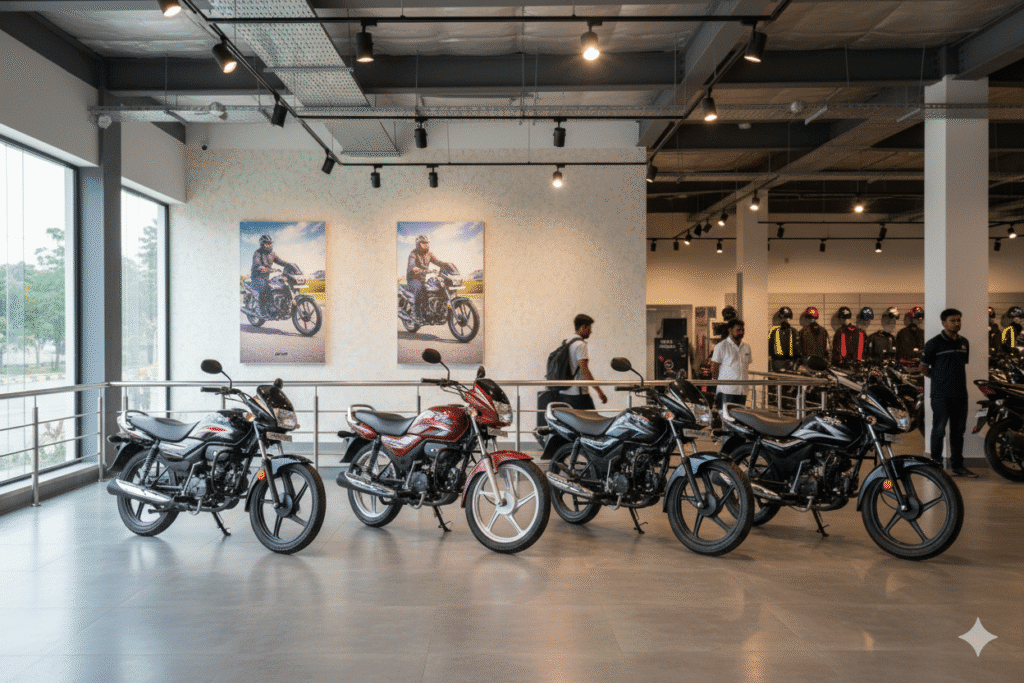
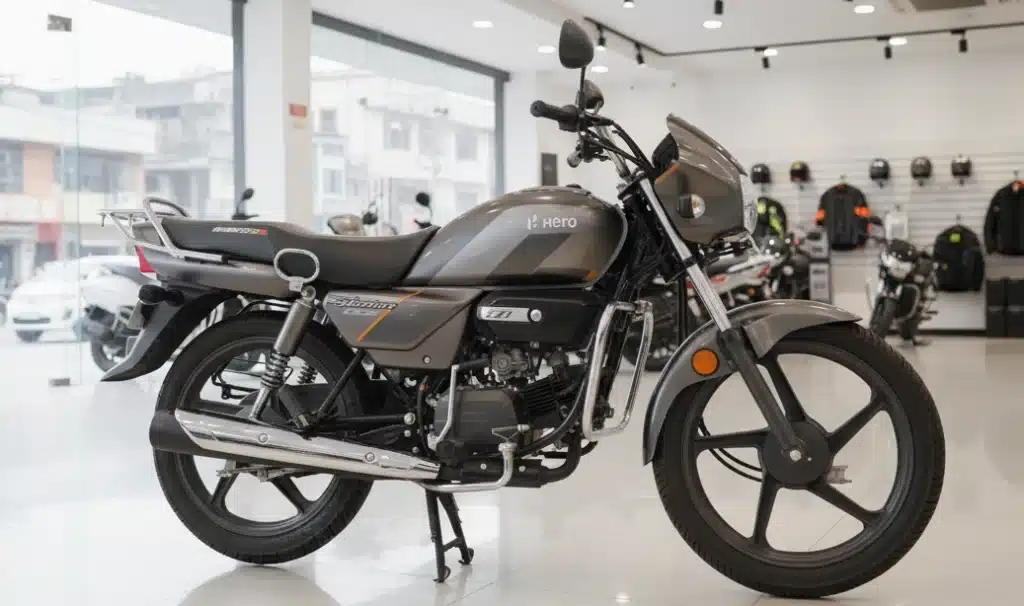
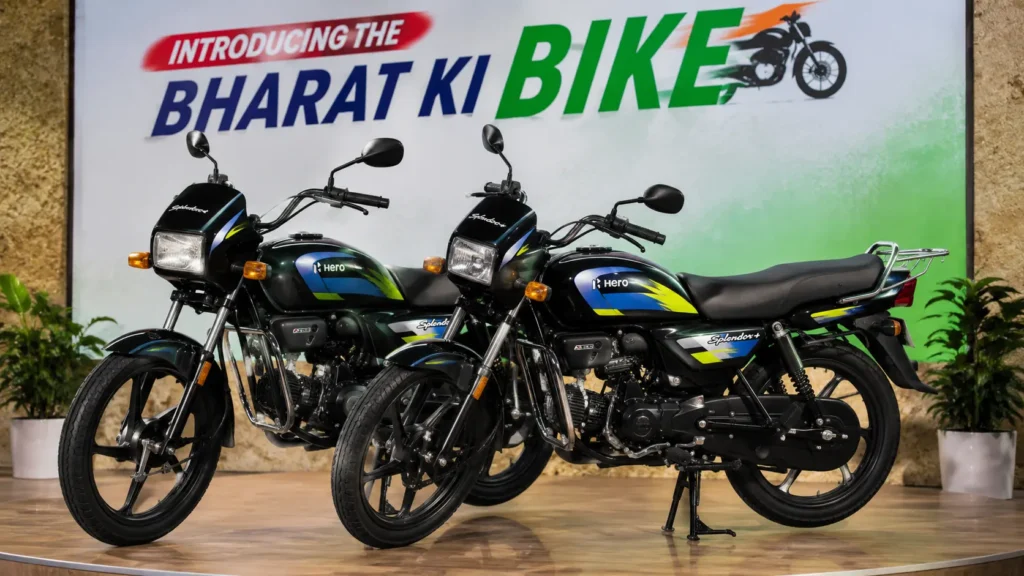
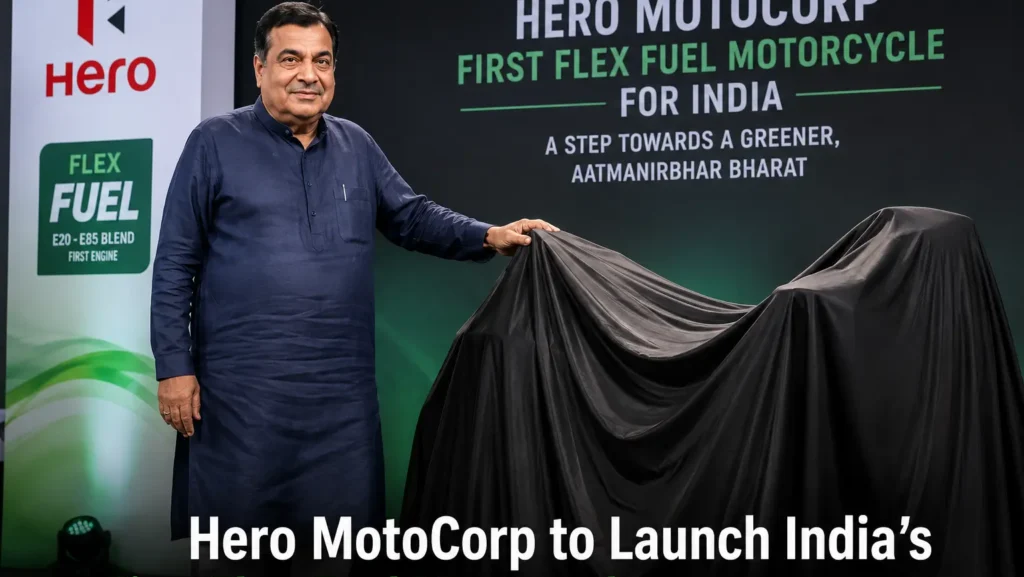
In what is being called a major strategic pivot for mass-market internal combustion platforms, Hero MotoCorp has officially confirmed plans to introduce flexible-fuel iterations across its entire two-wheeler portfolio. Following the recent commercial launch of the E85-compliant Splendor+ and HF Deluxe commuters, the country’s largest two-wheeler manufacturer has locked in an aggressive 1-to-2-year timeline to systematically update every scooter and motorcycle in its stable to support high-blend ethanol.
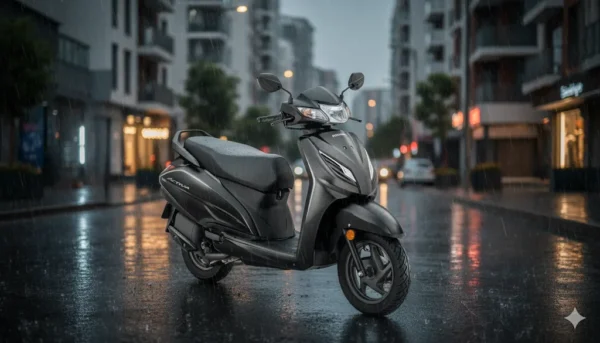
This sweeping announcement represents a massive step forward in adapting to the government’s updated supporting policy frameworks. By shifting from a model-specific deployment to a comprehensive portfolio strategy, Hero is betting heavily on ethanol to complement its ongoing investments in battery electric vehicles (EVs). Hero’s portfolio overhaul will not happen overnight; it is engineered as a calculated, phased deployment tied closely to regional fuel supply networks.
While the core mechanical designs are ready, the commercial rollout of these upcoming flex-fuel variants will be dialed up or down based on how quickly state-run oil marketing companies set up higher-blend fuel retail corridors.
Furthermore, Hero’s engineers at the Centre for Innovation and Technology (CIT) in Jaipur have confirmed that the baseline architectural modifications integrated into these new E85 engines can be easily recalibrated to support full E100 (100% pure ethanol) compliance as fuel distribution parameters evolve.
E85 Retrofit Kits for Legacy BS6 Models
While updating a brand-new showroom fleet is a standard manufacturing transition, the real surprise in Hero’s strategy is its focus on existing vehicles already out on Indian roads. The company has officially revealed that it is actively developing authorized E85 retrofit kits for older BS6-compliant two-wheelers.
This is an important development for the domestic market. By creating a physical retrofit pathway, Hero isn’t just selling premium new alternative-fuel models to affluent urban buyers; it is creating a practical mechanism to upgrade millions of older, high-volume commuter bikes already in service.
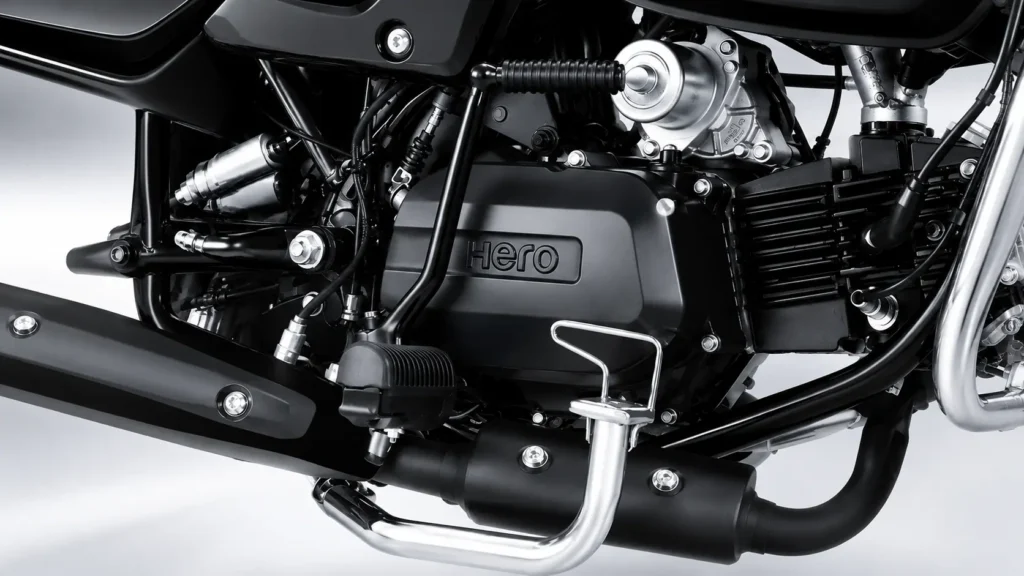
While the technical details of these kits are still under wraps, the packages will likely include alcohol-resistant fuel lines, upgraded seals, a modified secondary air filter assembly, and an authorized ECU re-flash to allow older fuel injection systems to handle the lower energy density of high-blend biofuels without causing engine knocking or long-term component wear.
Engineering Impact
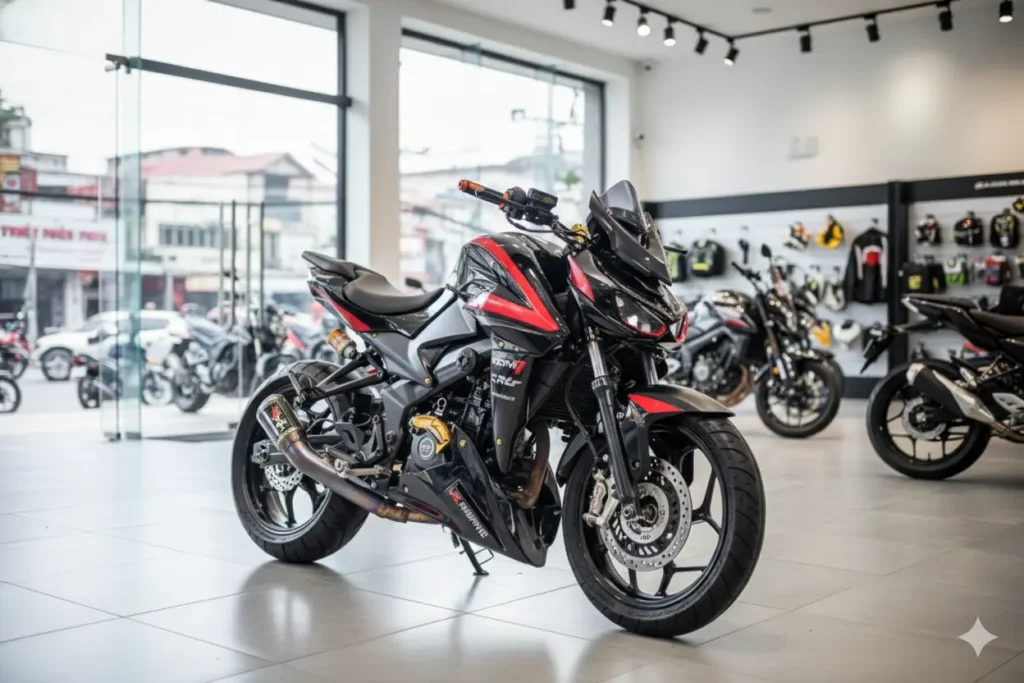
Scaling this alternative powertrain tech up from a basic 97.2cc commuter engine to premium, performance-oriented platforms like the Xtreme 125R, Xpulse 200 4V, and the incoming Karizma series introduces an entirely different set of calibration challenges for Hero’s R&D hub.
| Engine Platform Class | Core Calibration Priority | Primary Material Adjustments |
| Commuter Segments (100cc – 125cc) | Maximizing fuel efficiency and maintaining low-end torque. | High-durability fuel pump filters and basic anti-corrosive tank linings. |
| Premium Performance (160cc – 250cc) | Compensating for ethanol’s lower energy density to prevent high-rev power loss. | Advanced inline fuel-composition sensors and high-pressure multi-hole injectors. |
| Scooter Portfolios (110cc – 125cc) | Managing heat signatures inside compact, under-seat engine bays. | Upgraded cooling systems and modified secondary air-injection loops. |
Because ethanol carries roughly one-third less energy density per liter than pure premium petrol, performance motorcycles require very precise air-fuel adjustments to avoid running lean at high engine speeds.
Interestingly, early validation data from the newly launched E85 Splendor and HF Deluxe variants shows that proper tuning can actually unlock minor performance benefits: the E85 configuration produces 8.44 bhp and 8.3 Nm of torque, compared to the 7.91 bhp and 8.05 Nm managed by standard E20 petrol equivalents.
By mapping out an explicit path to convert its entire product line to alternative fuel and working on official retrofit solutions for existing owners, Hero MotoCorp is positioning itself far ahead of the competition in the alternative energy race.
This multi-pathway approach addresses a key reality of the Indian market: while premium electric motorcycles serve as great tech showcases for urban commuters, the sheer volume of India’s rural transport network will continue to rely on the affordable internal combustion engine for years to come. If Hero can successfully execute its national production rollout and bring these BS6 retrofit kits to market at an accessible price point, it will effectively build a dominant, future-proof position across the country’s entire two-wheeler landscape.