
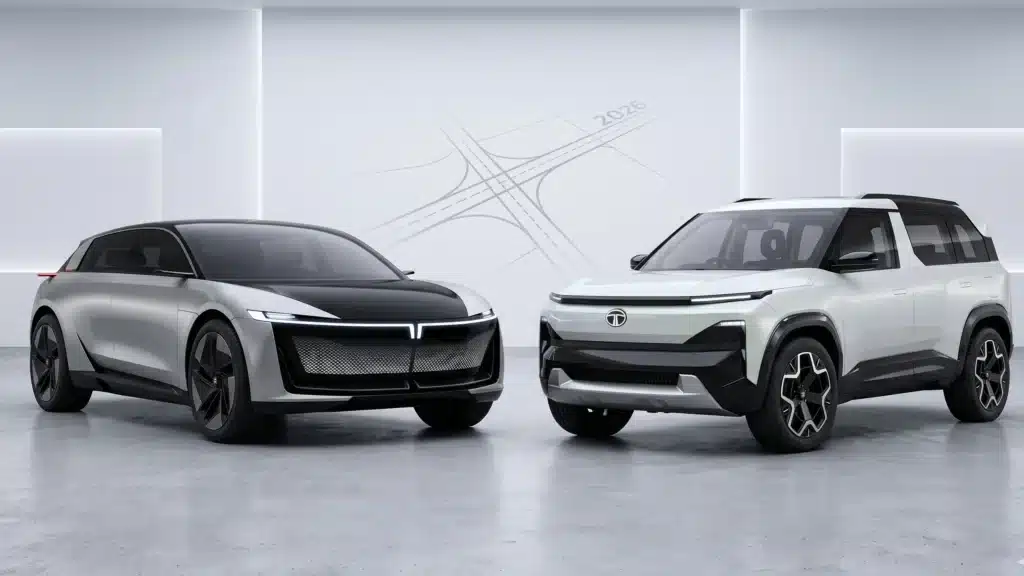
Tata Motors Launch Roadmap 2026: 6 Game-Changing Models Set to Disrupt the Indian Auto Industry
The Indian automotive landscape is witnessing a massive tectonic shift, and driving right at the forefront is Tata Motors. In a historic turn of events, the homegrown automaker recently outperformed Hyundai Motor India Limited to secure the coveted position of the country’s second-best-selling car manufacturer.
However, Tata isn’t just celebrating this milestone; it is aggressively protecting its turf. The company has officially laid down an ambitious product roadmap for 2026, combining high-voltage EV flagships, radical mechanical overhauls for mass-market cars, and advanced eco-friendly alternative powertrains.
If you are planning a premium upgrade, looking for a budget city commuter, or holding out for an eco-friendly SUV, Tata’s 2026 lineup has something tailored exactly for your needs. Here is an in-depth breakdown of what’s coming to Indian roads.
1. Tata Sierra.ev
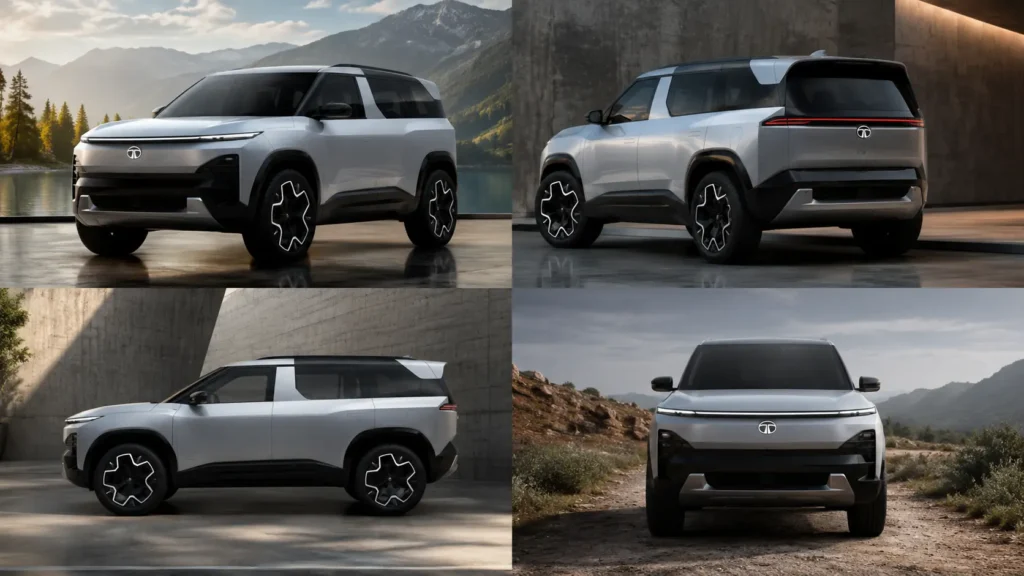
The legendary ‘Sierra‘ moniker is an emotional brand for Indian car enthusiasts. After generating immense hype at multiple auto expos, the production-spec Sierra.ev is undergoing final calibration. While early industry speculation pointed towards an earlier release, Tata Motors has strategically scheduled its public debut to the second half of the year, precisely between July and September 2026.
Positioned dynamically between the newly launched Curvv.ev and the flagship Harrier.ev, the Sierra.ev is aimed squarely at the mid-size premium SUV segment. It will go head-to-head with upcoming heavyweights like the Hyundai Creta EV, Maruti Suzuki e Vitara, and Mahindra BE 6.
Also Read: Tata Sells 6.4 Lakh Cars in FY26, EV Sales Jump Sharply
Quick Technical Overview:
| Architecture | acti.ev+ dedicated electric platform |
|---|---|
| Powertrain Options | Single Motor (RWD) & Dual Motor (AWD) |
| Expected Battery Packs | 55 kWh and 65 kWh units |
| Claimed Range | Up to 500 km on a single full charge |
| Expected Price Range | ₹15 Lakh – ₹25 Lakh (ex-showroom) |
Inside, the Sierra.ev will showcase a futuristic, ultra-clean cockpit utilizing a triple-screen dashboard configuration. This includes a dedicated driver information display, a central fluid infotainment unit, and an exclusive screen for the front passenger, heavily mimicking high-end luxury vehicles.
2. Tata Safari.ev
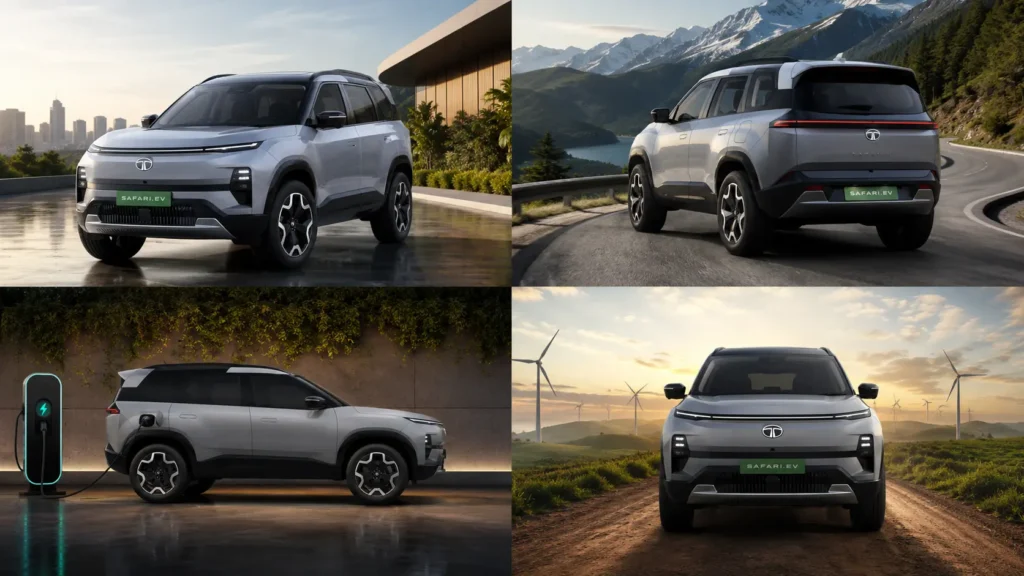
Scheduled to break covers right in the middle of the 2026 Festive Season, the Safari.ev will assume the role of Tata Motors’ ultimate flagship electric vehicle. This will mark Tata’s official entry into the specialized three-row electric SUV segment, creating a direct rivalry with the highly anticipated Mahindra XEV 9S.
The Safari.ev shares its heavy-duty acti.ev+ underpinnings with the Harrier.ev but steps up the game with superior battery capacities. To handle the extra load of a 7-seater configuration, engineers are evaluating battery options extending from 65 kWh up to a massive 80 kWh pack, targeting a real-world driving range of 550 to 600 km.
Technologically, the vehicle debuts Tata’s advanced TiDAL software architecture. This integration unlocks lightning-fast Over-The-Air (OTA) system updates, auto park assist, a comprehensive 540-degree surround-view system, and a unique India-first UPI-based in-car integrated payment system for tolls, parking, and charging terminals. The premium machine is expected to retail between ₹22.5 Lakh and ₹30 Lakh.
3. Tata Tiago.ev Facelift

For city-dwelling commuters looking for a compact, highly efficient urban runabout, the upcoming Tiago.ev facelift is a critical launch. Slated to arrive exceptionally soon—within the next two months—this facelift brings massive mechanical revisions alongside cosmetic updates.
Recognizing evolving customer demands, Tata is completely phasing out the smaller, entry-level 19 kWh battery pack. Moving forward, the 24 kWh battery pack becomes the absolute base standard. Furthermore, a brand-new, high-density 30 kWh battery pack will be introduced.
- Advanced Cell Sourcing: The new battery packs deploy advanced, energy-dense prismatic cells sourced from Gotion, replacing older cylindrical cells.
- Punch-Derived Motor: It inherits the high-efficiency 6-in-1 i-drive electric motor from the Punch.ev, pushing out up to 88 PS of power and 140 Nm of peak torque.
- Enhanced Charging: Optimized electrical architecture now supports ultra-fast DC fast charging speeds exceeding 50 kW.
Visually, expect slimmer, sharper projector headlamps, reworked aerodynamic bumpers, a 10.25-inch infotainment hub, a wireless smartphone tray, and a 360-degree camera setup. Prices are estimated to start at an aggressive ₹8.5 Lakh.
4. Tata Tigor.ev Facelift
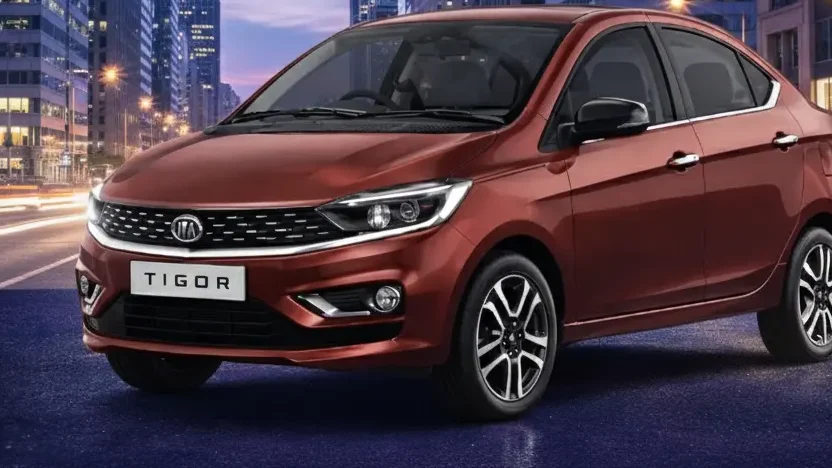
Shortly after the Tiago.ev refresh, its compact sedan sibling—the Tigor.ev—will step into the limelight during the second half of 2026. It will replicate all the extensive mechanical, cell chemistry, and powertrain changes introduced in the hatchback version.
By adopting the 30 kWh battery pack and the advanced 6-in-1 motor system, the Tigor.ev facelift is targeting a claimed range well beyond 350 km, ensuring stress-free intercity highway travel. Design alterations comprise modern sleek LED Daytime Running Lights, revised alloy wheel patterns, a crisp digital instrument cluster, and premium cabin upholstery. Prices are estimated to kick off around ₹13 Lakh.
5. Avinya X
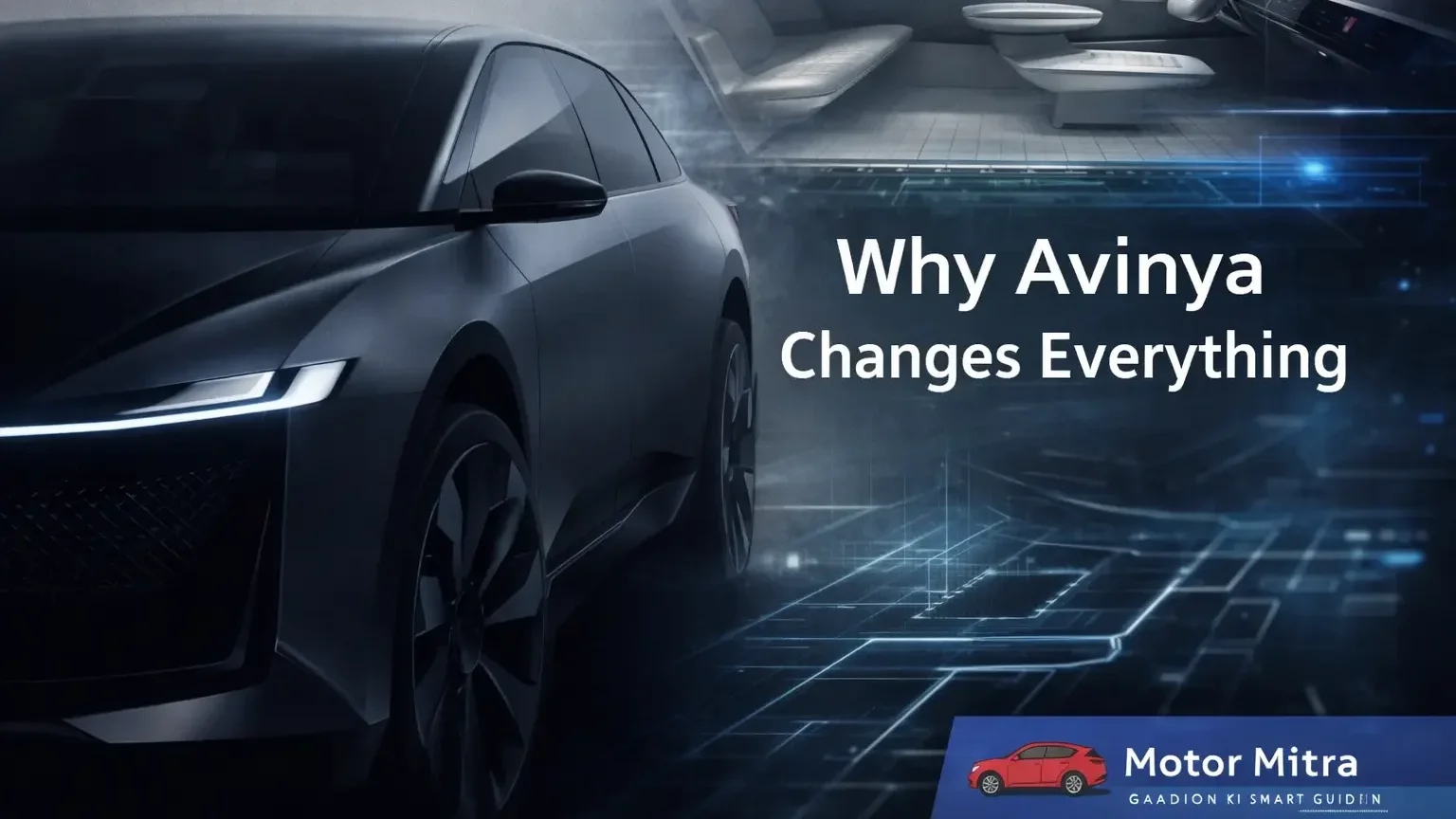
Tata Motors is officially aiming for the premium luxury segment with its newly established standalone EV brand, Avinya. The first production iteration under this flagship brand is codenamed the Avinya X, a sleek luxury electric crossover-sportback that was previewed to critical acclaim.
Unlike other vehicles in Tata’s fleet, the Avinya X shares no components with mainstream models. Instead, it is built on Jaguar Land Rover’s (JLR) high-tech EMA (Electrified Modular Architecture) platform.
This luxury crossover boasts a highly minimalist, ultra-premium interior environment explicitly inspired by modern Range Rover aesthetics. Utilizing high-voltage architectures, the Avinya X will offer hyper-charging capabilities—gaining up to 500 km of range with less than 30 minutes of plug-in time. This luxury powerhouse will carry an estimated price tag ranging from ₹30 Lakh to ₹40 Lakh.
6. Tata Punch Flex Fuel
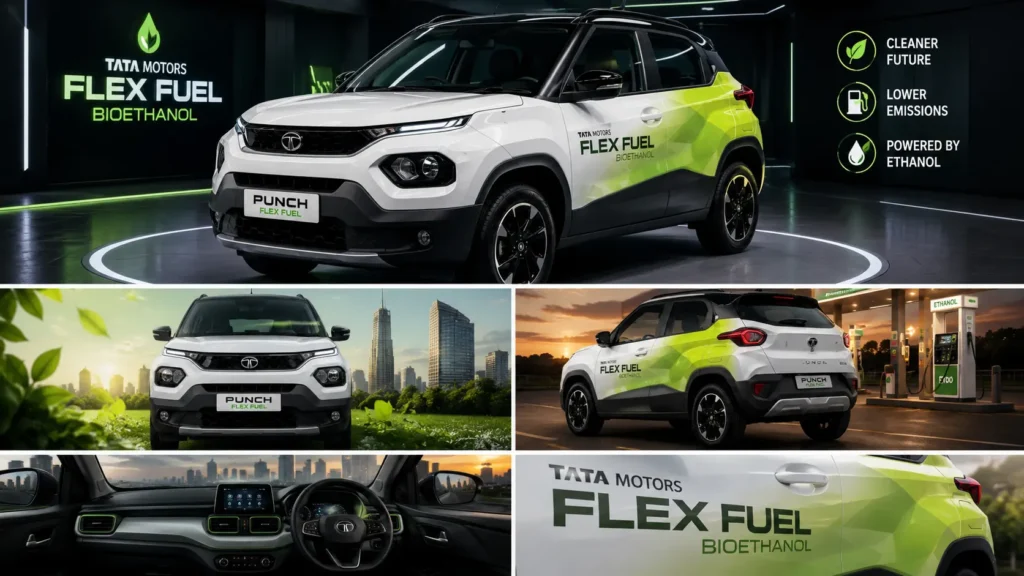
Proving that it isn’t putting all its eggs in the EV basket, Tata Motors is actively diversifying into sustainable bio-fuels. Set for a commercial launch towards the end of 2026 or early 2027, the Punch Flex Fuel will debut as Tata’s first-ever production-ready flex-fuel vehicle.
The SUV will house a heavily modified version of Tata’s reliable 1.2-litre naturally aspirated three-cylinder petrol engine. To reliably handle ethanol blending ratios ranging effortlessly from E20 up to E100 (100% pure Ethanol), Tata engineers have comprehensively updated the powertrain internals.
Also Read: Tata Punch Flex Fuel Launch Set for End of 2026
Upgrades include high-flow fuel injectors, specialized corrosion-resistant fuel lines, dedicated optical ethanol sensors, and an entirely recalibrated Engine Control Unit (ECU). This offers a fantastic middle-ground for eco-conscious buyers looking away from pure electric infrastructure.
Tata Motors’ comprehensive 2026 product strategy makes its intentions crystal clear: it wants undisputed dominance across the Indian passenger vehicle space. By carefully peppering the market with accessible electric facelifts (Tiago/Tigor), highly desirable lifestyle EVs (Sierra), flagship technological tour-de-forces (Safari/Avinya), and bio-fuel innovations (Punch Flex Fuel), Tata is leaving zero room for competitors to breathe.
Which of these upcoming Tata cars are you holding your breath for? Let us know your thoughts in the comment section below!