Next-Gen 2026 Hyundai i20 Leaks Face Off Against the Structural Toughness of the Tata Altroz
The premium hatchback space in India is undergoing a massive identity crisis. Faced with intense pressure from high-riding sub-4-meter compact SUVs, conventional low-slung hatchbacks are being forced to adapt or risk irrelevance. While the Tata Altroz has stubbornly defended its ground using a laser focus on 5-star structural safety and diverse powertrain options, Hyundai has decided to fundamentally re-engineer its iconic recipe.
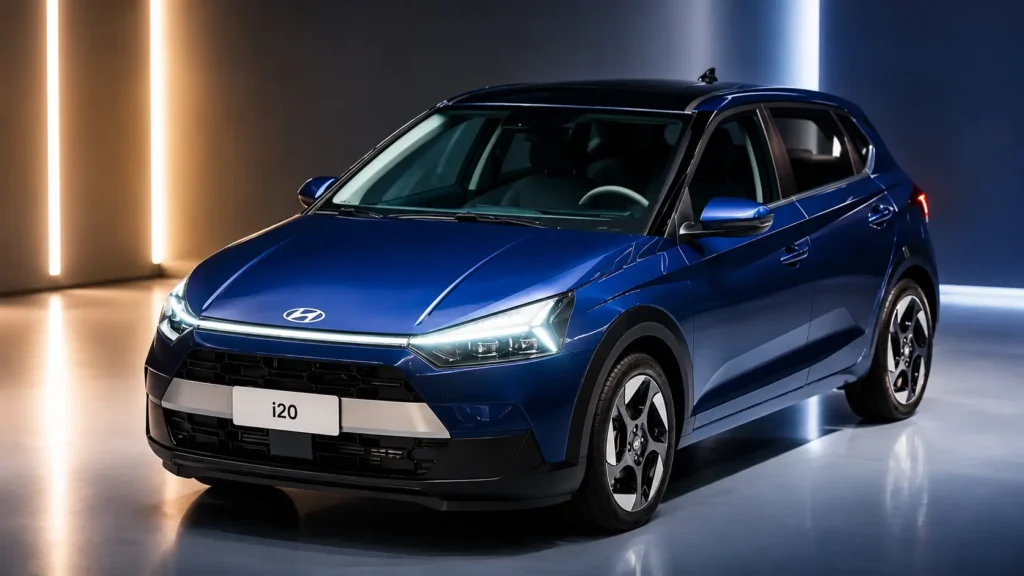
Leaked production-ready global images of the upcoming fourth-generation 2027 Hyundai i20 have surfaced online, revealing a radical styling shift. Instead of continuing with its traditional low, European hot-hatch stance, Hyundai has given the new i20 an aggressive, upright, “SUV-ified” crossover character.
With the next-gen i20 aiming for a mid-2027 domestic debut, this initial comparison pits the leaked details of Hyundai’s tech-heavy crossover-hatch against the proven real-world engineering of the Tata Altroz.
1. Exterior
Also Read: Don’t Buy A Compact SUV Yet: Skoda Kylaq’s Biggest Upgrade May Still Be Coming
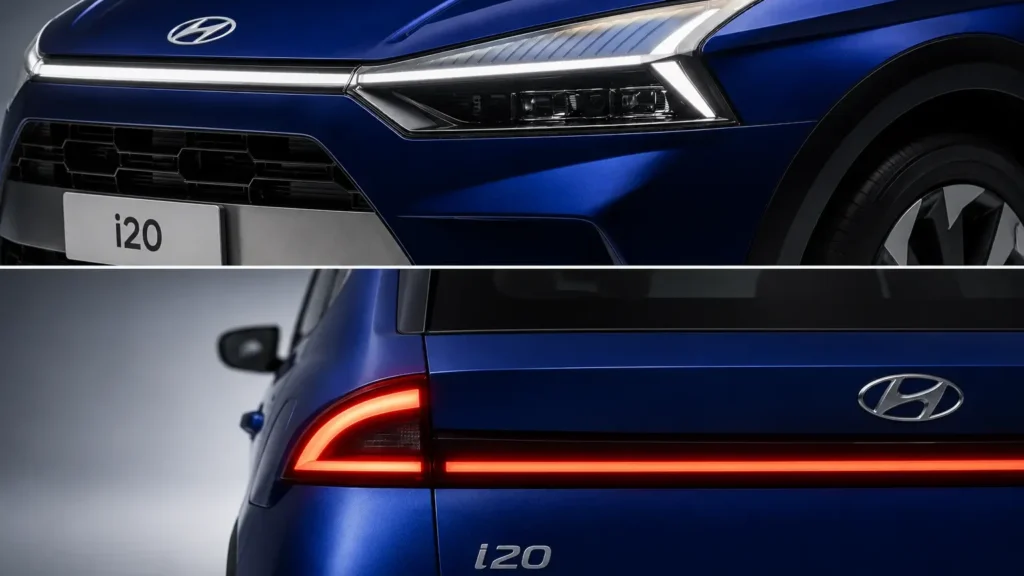
The 2026 Hyundai i20 confirm a dramatic structural transformation. The car features a much flatter, taller bonnet line and an upright front nose. It gains rugged black plastic cladding along the wheel arches and lower door sills, paired with larger 17-inch dual-tone alloy wheels that signal a crossover personality. Up front, a full-width LED light bar connects arrow-shaped headlamps with distinct Y-shaped DRLs, while the rear gets a high-set, connected triangular tail-lamp cluster over a thick rear bumper with a built-in faux diffuser.
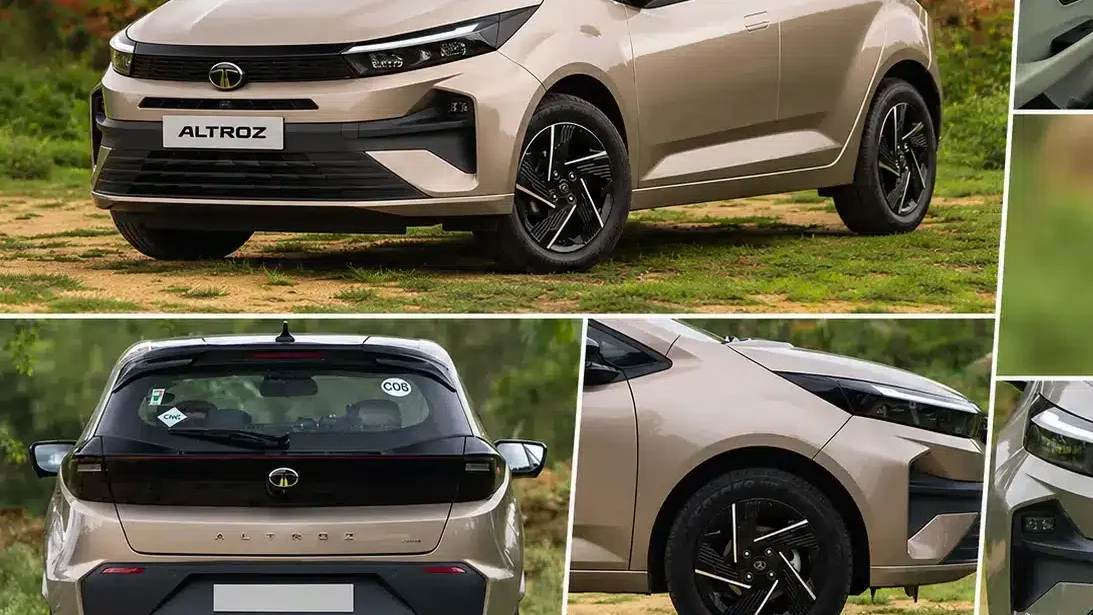
The Tata Altroz remains the purist’s choice for athletic hatchback proportions. Its striking “shark-nose” front fascia, deeply recessed headlamp pods, and signature swept-back window line give it a timeless, agile look. Instead of using rugged plastic cladding to mimic an SUV, the Altroz embraces its low, wide sports-hatch stance, making it look sleek and firmly planted on the tarmac.
2. Cabin Overhaul: Panoramic Curved Screens Meet Altroz Layered Functionality
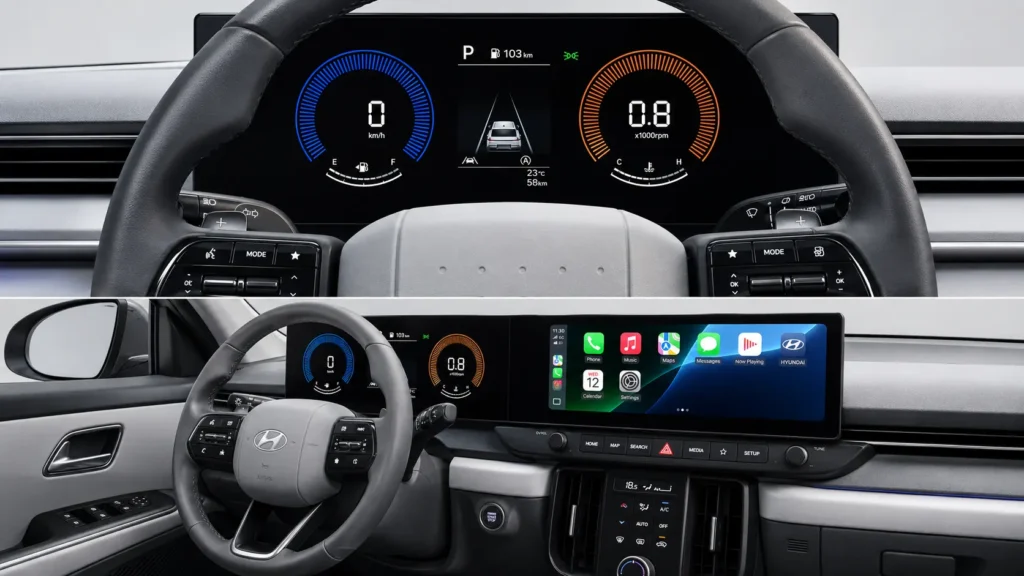
The leaked Hyundai i20 interior is built around a massive panoramic curved dual-screen panel that houses both a 12.3-inch digital driver’s display and a 12.3-inch touchscreen infotainment unit running advanced connected-car tech. The center console is much cleaner, combining touch-sensitive climate controls with a vertical air vent layout. Thankfully, critical volume knobs and primary toggle switches have been kept as physical buttons for easy use while driving. The boxier roofline also creates a noticeably more spacious cabin with better rear headroom.
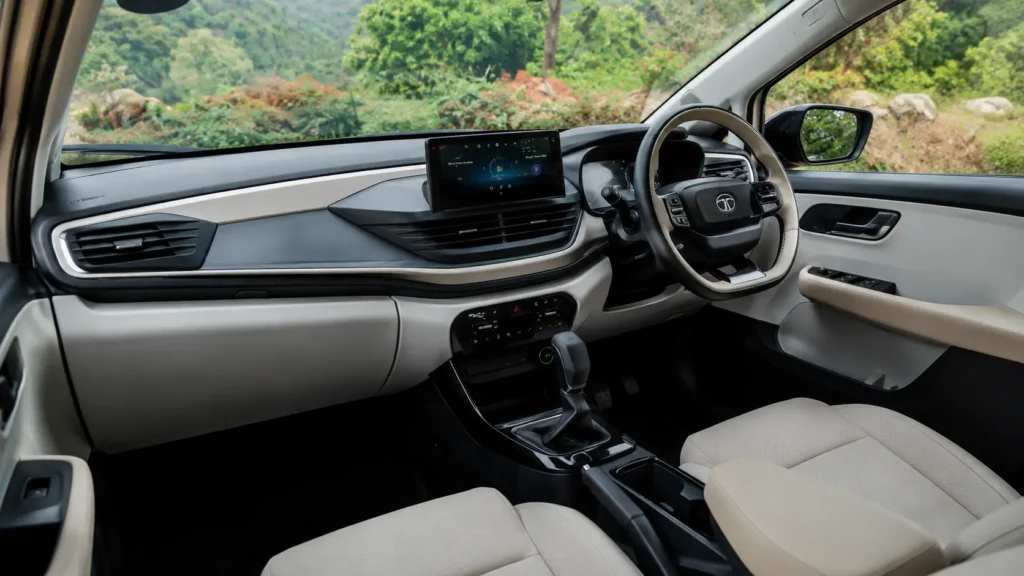
The Tata Altroz dashboard centers around its updated 10.25-inch floating infotainment screen. While it misses out on the seamless dual-screen look of the upcoming i20, the Altroz’s layered dashboard, complete with customizable mood lighting lines and a flat-bottom steering wheel, feels highly organized and functional. The Altroz also retains regular physical buttons for its climate controls, prioritizing ease of use over touch-sensitive panels.
Also Read: Tata Tiago Pure Gets A Surprise Feature Most Budget Buyers Won’t Expect
3. Powertrain: Refined Petrols vs. The Diesel Holdout
Under the hood, the two manufacturers offer entirely different engine lineups tailored to specific driving needs.
| Performance Metric | Next-Gen Hyundai i20 (Est.) | Tata Altroz (Current Range) |
| Naturally Aspirated | 1.2L 4-Cyl Kappa Petrol (83 PS / 114 Nm) | 1.2L 3-Cyl Revotron Petrol (88 PS / 115 Nm) |
| Turbo-Petrol Option | 1.0L 3-Cyl TGDi Turbo (120 PS / 172 Nm) | 1.2L 3-Cyl i-Turbo+ Petrol (110 PS / 140 Nm) |
| Diesel Availability | None (Completely Discontinued) | 1.5L 4-Cyl Revotorq Diesel (90 PS / 200 Nm) |
| Automatic Gearbox | iVT (CVT) / 7-Speed Dual-Clutch (DCT) | 6-Speed Dual-Clutch (DCA) |
The Hyundai i20 line continues to rely on refined petrol engines. Its baseline 1.2-litre 4-cylinder Kappa motor delivers exceptionally smooth performance for city driving. For performance enthusiasts, the high-end variants sport the 1.0-litre TGDi turbo-petrol motor pumping out 120 PS, paired with a fast-shifting 7-speed dual-clutch transmission (DCT) that makes it an absolute blast on open highways. Global reports also hint at a new 1.2-litre turbo petrol engine built with hybrid efficiency in mind.
The Tata Altroz holds a unique advantage by keeping its 1.5-litre four-cylinder Revotorq diesel engine in production. Producing a hefty 200 Nm of torque from low down in the rev range, the Altroz diesel is an unmatched long-distance highway cruiser, delivering incredible real-world fuel economy that petrol turbos simply cannot match. Additionally, Tata’s 6-speed dual-clutch automatic (DCA) uses wet-clutch technology specifically engineered to handle hot, stop-and-go Indian traffic conditions smoothly.
4. Safety and Ride Dynamics
The next-gen Hyundai i20 aims to set a new safety standard for its class by introducing a comprehensive ADAS (Advanced Driver Assistance Systems) suite, electronic parking brake (EPB) with auto-hold, a 360-degree camera system, and standard 6 airbags. It also features rear disc brakes on higher trims for sharper stopping power.
The Tata Altroz counters with its legendary 5-star Global NCAP safety rating. Built on Tata’s specialized ALFA (Agile Light Flexible Advanced) architecture, its high-strength steel passenger cell offers exceptional real-world crash protection. In terms of ride dynamics, the Altroz’s suspension is tuned perfectly for highway driving, keeping the car rock-solid around high-speed corners with minimal body roll—a trait the taller, softer crossover suspension of the new i20 might struggle to replicate.
The leaked details of the fourth-generation 2027 Hyundai i20 show that the Korean brand is making a bold play to redefine the premium hatchback segment. By adopting a taller, crossover-inspired design and packing the cabin with dual 12.3-inch curved screens and premium tech, the new i20 is built to appeal directly to buyers who love the look of an SUV but want the compact footprint of a hatchback.
However, the Tata Altroz remains a formidable challenger. If you value a classic low-slung driving stance, long-distance diesel efficiency, and the reassurance of a proven 5-star crash safety structure, Tata’s premium hatchback holds a rock-solid position that tech features alone cannot easily beat.