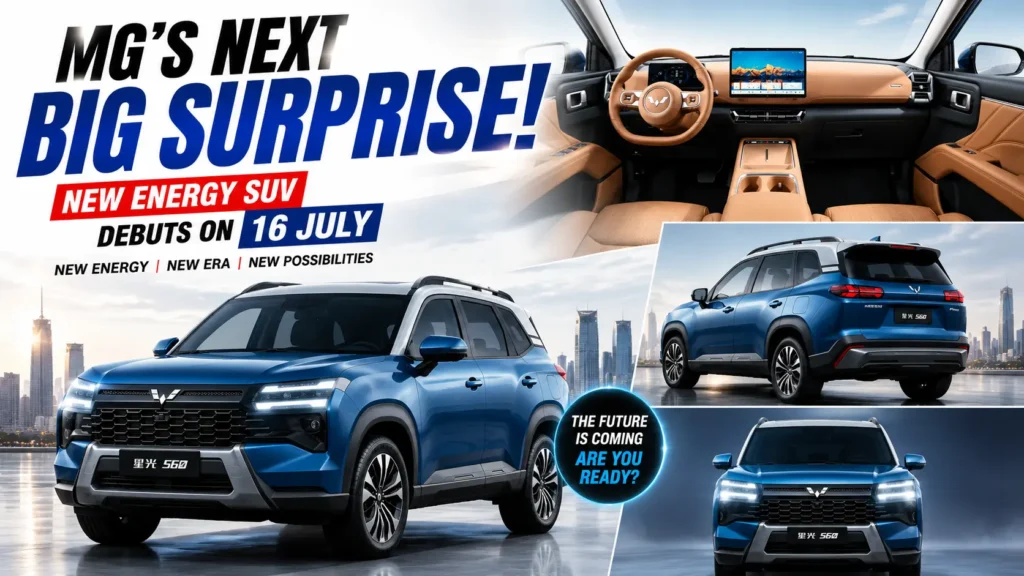
JSW MG Motor India has officially locked in July 16 for the debut of a new energy vehicle, setting the stage for what could become one of the brand’s most important announcements of 2026. While the company has deliberately kept the vehicle’s identity under wraps, the reveal has already sparked significant discussion across the automotive industry, with growing speculation pointing toward a new electrified SUV that could expand MG’s presence beyond traditional electric vehicles.
The timing of the announcement is particularly noteworthy. India’s new-energy vehicle market is evolving rapidly, but consumer preferences remain divided. While electric vehicles continue to gain popularity, many buyers still have concerns regarding charging infrastructure, long-distance convenience and ownership flexibility. This has created an opportunity for alternative electrified technologies, including plug-in hybrids, which combine electric driving capability with the reassurance of a conventional combustion engine.
That is precisely why MG’s upcoming reveal is attracting attention. Rather than introducing another conventional SUV into an already crowded market, the company appears to be preparing a product that could address one of the biggest challenges facing mass-market electrification today. Even before the official debut, the upcoming vehicle has already become one of the most closely watched automotive launches of the year.
What MG Has Confirmed — And What Remains A Mystery
At this stage, MG has officially confirmed only two key details: a new energy vehicle will make its debut on July 16, and the product is expected to play an important role in the company’s future mobility strategy. Beyond that, the brand has remained intentionally cautious, choosing not to disclose specifications, design details, powertrain information or market positioning.
Also Read:- 2026 Skoda Kodiaq RS Bookings Officially Open in India: Only 50 Units Ready
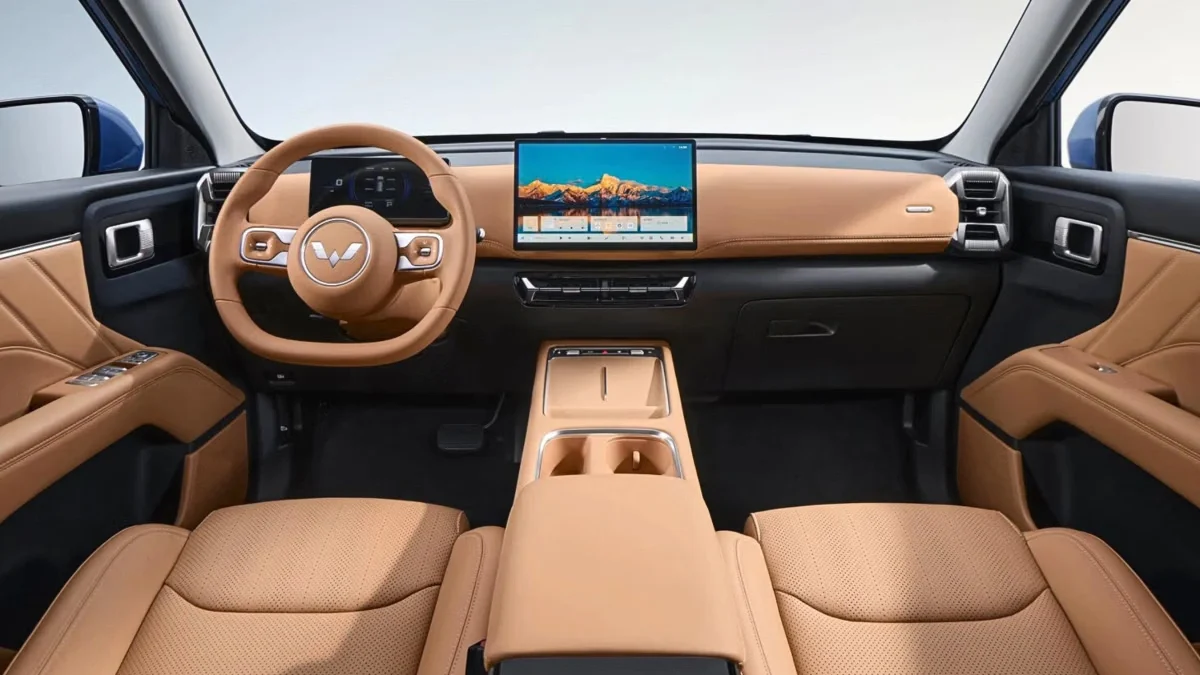
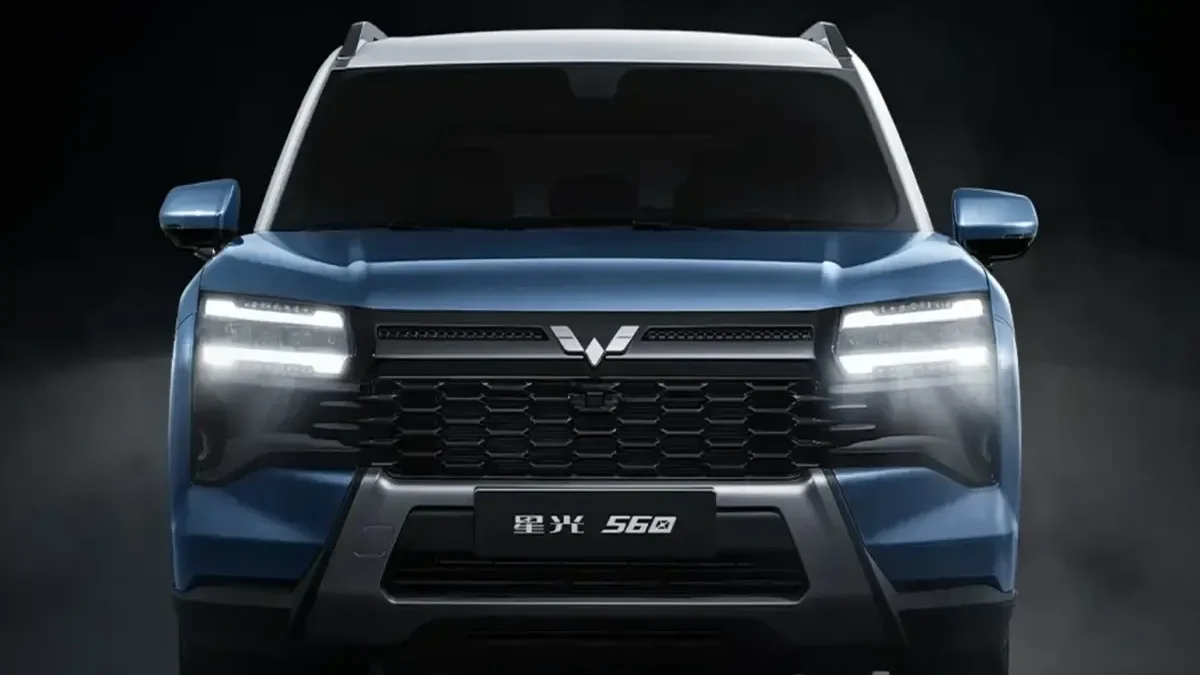
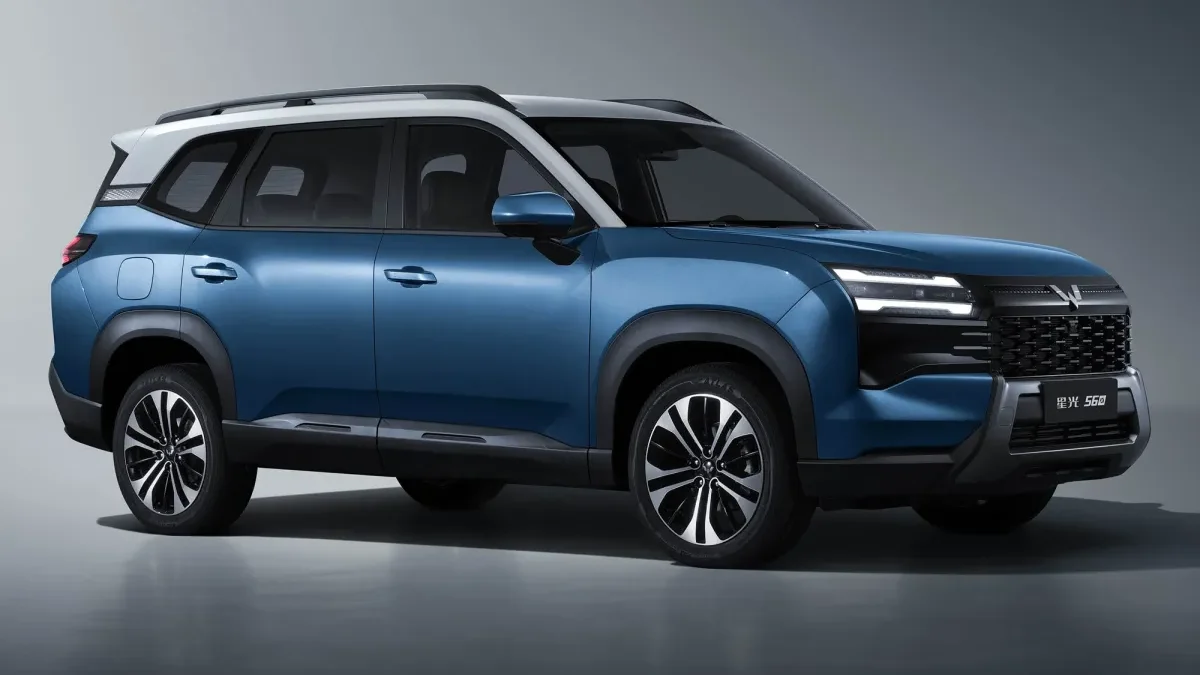
This limited information has naturally triggered speculation. Industry reports and market observers have linked the upcoming vehicle to a potential SUV based on the Wuling Starlight architecture, a platform that already supports advanced electrified powertrains in global markets. However, it is important to note that MG has not officially confirmed either the vehicle name or its technical specifications.
The distinction matters because teaser campaigns often evolve significantly before the final product reveal. While the Starlight connection remains one of the strongest possibilities being discussed, buyers will need to wait until July 16 for official confirmation.
Why A Plug-In Hybrid SUV Could Make Perfect Sense For India
If industry speculation proves accurate and MG introduces a plug-in hybrid SUV, the timing could hardly be better. India’s automotive landscape currently sits at an interesting crossroads where buyers want cleaner mobility solutions but are not always ready to commit fully to battery-electric ownership.
A plug-in hybrid electric vehicle, commonly known as a PHEV, attempts to bridge that gap. It allows owners to complete daily commutes using electric power while retaining a petrol engine for longer trips when charging opportunities may be limited. This combination helps reduce range anxiety while still delivering many of the efficiency benefits associated with electrification.
For manufacturers, PHEVs also provide an opportunity to introduce customers to electrified driving without requiring major behavioural changes. That practical balance is one reason many global brands continue investing heavily in plug-in hybrid technology despite the growing popularity of fully electric vehicles.
If MG adopts this strategy for India, it could position itself uniquely between conventional SUVs and full EVs, creating an entirely new value proposition for buyers.
MG New Energy SUV: Reveal Details, Expectations And Buyer Impact
| Key Area | Current Status | What Buyers Should Know |
|---|---|---|
| Reveal Date | Officially Confirmed | July 16 debut is now locked in |
| Vehicle Identity | Not Yet Officially Revealed | MG is still keeping major details secret |
| Vehicle Category | New Energy Vehicle | Focus extends beyond traditional ICE SUVs |
| Likely Body Style | SUV Expected | Segment continues to dominate buyer demand |
| Possible Powertrain | Plug-In Hybrid Under Speculation | Could offer EV-like efficiency with petrol backup |
| Platform Rumours | Wuling Starlight-Based Architecture | Not officially confirmed by MG |
| Technology Focus | Electrification & Connectivity | Expected to support future mobility goals |
| Biggest Opportunity | Mainstream PHEV Adoption | Potential first-mover advantage in the segment |
| Biggest Unknown | Pricing, Specifications & Features | Official details still awaited |
| Competitive Relevance | Bridges Gap Between EVs & ICE SUVs | Could attract a broad range of buyers |
| Why This Matters | Important Strategic Product For MG | May influence future product direction |
| Buyer Takeaway | Worth Watching Closely | One of the most interesting upcoming reveals of 2026 |

Also Read:- New Renault Duster Hasn’t Launched In India Yet — But Its Global Journey Has Already Begun
Who Could This SUV Eventually Compete Against?
Without official specifications, identifying direct rivals remains difficult. However, if MG introduces a premium plug-in hybrid SUV, the vehicle could potentially attract buyers currently considering fully electric SUVs, premium hybrid models and even high-end petrol-powered family SUVs.
This broader appeal is exactly what makes plug-in hybrids interesting. Instead of competing exclusively against EVs, they often pull customers from multiple segments simultaneously. Buyers who are interested in electrification but hesitant about charging infrastructure may find the technology particularly attractive.
That flexibility could become one of MG’s strongest advantages if the company successfully positions the upcoming vehicle between traditional and fully electric alternatives. In a market where consumer preferences continue evolving, offering multiple mobility solutions could prove more valuable than focusing on a single powertrain strategy.
Why The July 16 Reveal Could Be Bigger Than A Single Product Launch
The significance of this announcement extends beyond the vehicle itself. MG has spent the last few years establishing a strong presence in India’s electric vehicle space, and the upcoming reveal could represent the next phase of that strategy.
Rather than viewing electrification as a one-size-fits-all solution, automakers are increasingly recognising that different buyers have different needs. Some are ready for full EV ownership today, while others prefer a transitional technology that offers greater flexibility. Plug-in hybrids sit directly in the middle of that conversation.
A successful launch could therefore have implications far beyond MG’s own sales performance. It could encourage wider acceptance of PHEV technology, influence future product planning across the industry and potentially accelerate the adoption of new-energy vehicles among mainstream buyers.
A Reveal Worth Watching Closely
Even before its identity has been confirmed, MG’s July 16 debut has already succeeded in generating substantial curiosity. The company’s decision to position the product as a new energy vehicle immediately elevates its importance, especially at a time when India’s automotive market is actively exploring multiple paths toward electrification.
While speculation surrounding a Starlight-based plug-in hybrid SUV remains unofficial, the possibility alone highlights how significant this launch could become. Buyers are not simply waiting to see a new MG product—they are waiting to see whether the brand has identified a practical middle ground between traditional combustion vehicles and full EVs.
If MG delivers competitive pricing, compelling technology and a genuinely practical electrified package, July 16 could become one of the most important dates in India’s evolving new-energy vehicle market. And if the company successfully introduces a mainstream plug-in hybrid SUV, it may not just launch a new model—it could help redefine how many buyers approach the transition to cleaner mobility.