The entry-level class of Grand Prix motorcycle racing is about to undergo its most radical architectural revolution in nearly two decades. In a blockbuster announcement dropped during the Dutch GP at Assen, Yamaha Motor Co. and Dorna Sports (MotoGP) shocked the paddock by confirming that Yamaha will become the exclusive motorcycle supplier for the FIM Moto3 World Championship from 2028 through 2033. This massive six-year contract marks the single biggest technical shakeup to the lightweight category since 250cc four-stroke singles replaced the screaming 125cc two-stroke class back in 2012.
The open-manufacturer war is officially dead. Starting in 2028, the entire grid will switch to a highly sophisticated, one-make system designed to slashed operational racing budgets while shifting the focus entirely onto raw rider talent.
From 250cc Singles to a Grand Prix CP2 Twin
For the last 14 years, Moto3 has been a playground for purebred, high-revving 250cc single-cylinder prototypes, dominated completely by the fierce rivalry between Honda’s iconic NSF250RW and KTM’s RC250GP platforms.
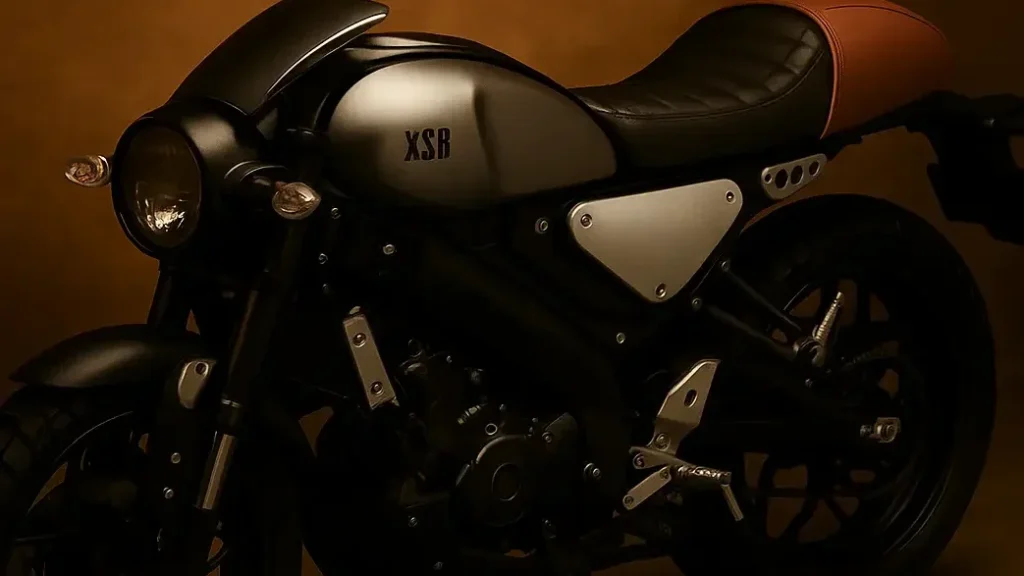
Yamaha’s incoming weapon will completely tear up this blueprint. The new spec-racer will be a ground-up racing prototype built around an extensively re-engineered version of Yamaha’s production-based 689cc CP2 parallel-twin platform—the exact crossplane motor currently powering global street bestsellers like the YZF-R7, MT-07, and Ténéré 700.
While purists might flinch at the idea of a production-derived engine entering a Grand Prix paddock, Yamaha Racing’s Managing Director, Paolo Pavesio, made it explicitly clear that this is no basic street-bike spin-off:
“The engine is the only production starting point on this bike. Everything else is a purebred racing prototype. We are massively reducing the engine’s weight by replacing structural casings with magnesium components, pumping up the peak horsepower, and installing a full-size, dry-clutch Grand Prix racing gearbox.”
Also Read: Bajaj Dominar 400 Adventure Edition Debuts: The Touring Beast Just Got Even Better
Why This Change Matters: Fixing the Moto2 Transition Gap
Aside from a projected 50% reduction in the cost of bikes and spare parts for grid teams, MotoGP and Yamaha are executing this shift to fix a fundamental physical flaw in the current rider development pipeline. Right now, young teenagers transitioning from the tiny, featherweight 250cc Moto3 bikes straight into the heavy, 765cc Triumph-powered Moto2 class face a massive, brutal learning curve.
Yamaha’s new CP2-powered machine will feature a full-size racing frame and swingarm that mirrors the physical size, chassis geometry, and aerodynamic footprint of a larger Moto2 bike. By training young riders on a physically larger, faster platform with a superior power-to-weight ratio early on, the jump to the premier classes will become significantly safer and more fluid.
The Moto3 Structural Shift
| Technical Attributes | Current Moto3 Framework (2026) | Upcoming Yamaha Moto3 Spec (2028) |
| Grid Monopolization | Open Competition (Honda / KTM Grid Monopoly) | Strict One-Make Single Supplier (Yamaha) |
| Engine Architecture | 250cc Single-Cylinder Four-Stroke | 689cc Parallel-Twin (CP2 Crossplane Core) |
| Chassis Framework | Ultra-Compact, Lightweight Frame | Full-Size Prototype Chassis (Closer to Moto2) |
| Gearbox Assembly | Prototype Sequential Manual | Full Race-Spec Gearbox with Dry Clutch |
| Projected Team Costs | High R&D Outlays per Season | Targeting 50% Reduction in Spares & Running Capital |
Yamaha and MotoGP have designed a highly calculated, multi-stage development program to ensure the grid is flawlessly optimized before the green lights flash for the 2028 season opener. Initial on-track prototype testing sessions involving secret factory development riders are scheduled to kick off later this year. The public will get its very first, uncamouflaged look at the completed, race-spec motorcycle during an official global unveiling in Spring 2027.
Furthermore, the ecosystem will expand deep into grassroots racing. Starting in 2029, a slightly simplified, lower-specification variant of this exact same CP2 prototype will become the unified platform for the FIM Moto3 Junior World Championship and various regional Talent Cup programs worldwide.
Also Read: Ducati Panigale V2 S Gets Yellow Livery: Is the ₹33k Worth It?
Motor Mitra Verdict
While racing purists will understandably mourn the loss of the legendary Honda vs. KTM factory engineering wars in the lightweight class, this move by Dorna and Yamaha is a masterstroke of economic pragmatism and rider development. Moto3 grid teams running on shoe-string budgets can finally breathe a massive sigh of relief knowing their parts costs are being cut in half.
By delivering a physically larger, faster machine powered by a highly reliable, heavily modified twin-cylinder CP2 core, Yamaha isn’t just introducing a new race bike—they are building the definitive global training academy for the next generation of MotoGP world champions. The clock to 2028 is officially ticking, and the prototype reveal in 2027 is bound to be one of the most anticipated moments in modern motorsport.
For more such updates on latest cars, bikes and EVs stay connected to MotorMitra. #gaadiyonkismartguide