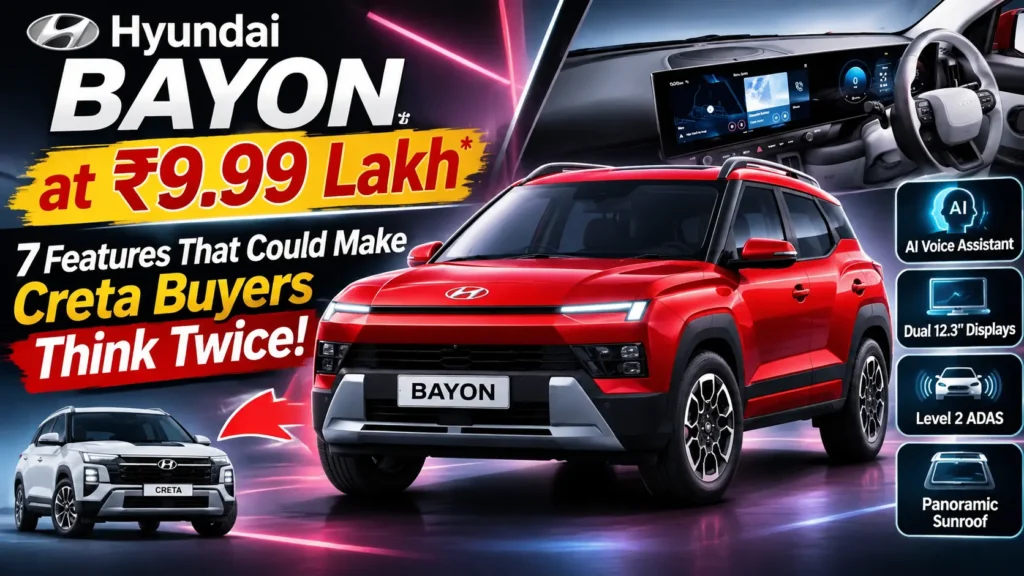
Hyundai has introduced the new Bayon in India with a starting price of ₹9,99,900, bringing a technology-focused SUV option to buyers who may also be considering the popular Creta. Its biggest attractions include dual 12.3-inch displays, a generative AI voice assistant, available Level 2 Pro ADAS and a claimed 505-litre boot capacity. The package combines modern cabin technology with a familiar petrol powertrain.
However, the starting price tells only part of the story. Premium features are distributed across variants, and the Bayon does not offer the same range of engines as the Creta. Buyers should therefore compare the actual equipment and price of their preferred versions rather than assume the Bayon is automatically the better deal. Here are seven features that make the new Hyundai worth a closer look.
1. A ₹9.99 Lakh Starting Price
The Bayon’s introductory ex-showroom price of ₹9,99,900 is its biggest headline attraction. It gives buyers a new option to consider if they want a modern SUV without immediately moving into a higher-priced configuration. The final value, however, depends on the variant, transmission and equipment selected.
The entry-level price should not be confused with the cost of a fully equipped model. Features such as advanced driver assistance, premium audio and certain comfort functions depend on variant availability. Buyers should compare on-road quotations, including registration and insurance, before deciding whether the Bayon offers a meaningful saving over the Creta.
Also Read:- New Renault Duster Hybrid Launched! 29 KMPL Mileage, Price & 5 Big Highlights
2. Dual 12.3-Inch Displays for a Modern Cabin
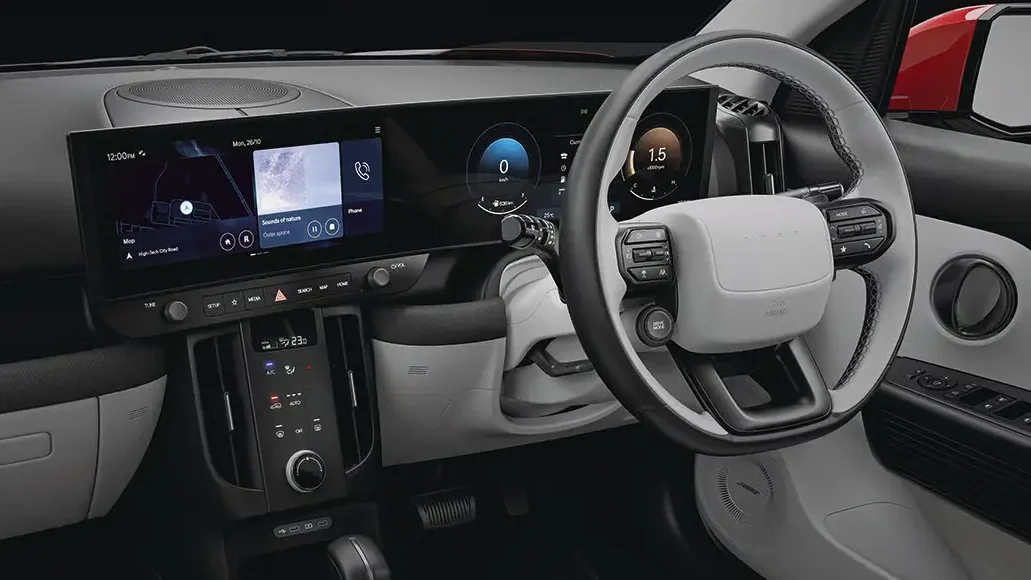
One of the Bayon’s strongest selling points is its connected cockpit. It combines a 12.3-inch digital instrument display with a separate 12.3-inch infotainment screen, giving the dashboard a more contemporary appearance. Wireless Android Auto and Apple CarPlay, Hyundai Bluelink connected services and over-the-air updates for supported controllers add to the technology package.
A Bose premium sound system is also available on specified versions. These features could appeal to buyers who prioritise digital convenience and a modern-looking interior. However, the equipment list should be checked carefully because not every variant includes the full connected-cabin package.
3. A Generative AI Voice Assistant
The Bayon introduces Hyundai Motor India’s first generative AI voice assistant, featuring intelligence from Perplexity and voice technology powered by SoundHound AI. It is designed to make in-car interactions feel more natural, allowing occupants to ask questions and access information related to subjects such as travel, weather and destinations.
Hyundai also lists more than 500 embedded voice commands and multilingual interface support. The practical benefit will depend on how reliably the system understands requests and which services are available in real-world conditions. Still, this AI-based feature gives the Bayon a distinctive technology advantage for buyers interested in connected vehicles.
4. Level 2 Pro ADAS and Advanced Safety Technology
Selected Bayon variants offer Hyundai SmartSense Level 2 Pro ADAS, featuring 23 driver-assistance functions. Depending on the equipment fitted, these include Highway Driving Assist, navigation-based smart cruise-control functions, Blind-spot View Monitor and Surround View Monitor.
Hyundai also lists more than 80 advanced safety features across the model’s safety package, with essential equipment such as six airbags and Electronic Stability Control included as standard. Buyers should distinguish between standard safety equipment and higher-variant assistance systems instead of assuming that all ADAS features are available at the entry-level price.
ADAS can support driver awareness, but it does not make the vehicle autonomous. Drivers must remain attentive, follow traffic rules and retain control at all times.
5. Ventilated Seats, Panoramic Sunroof and Family Practicality
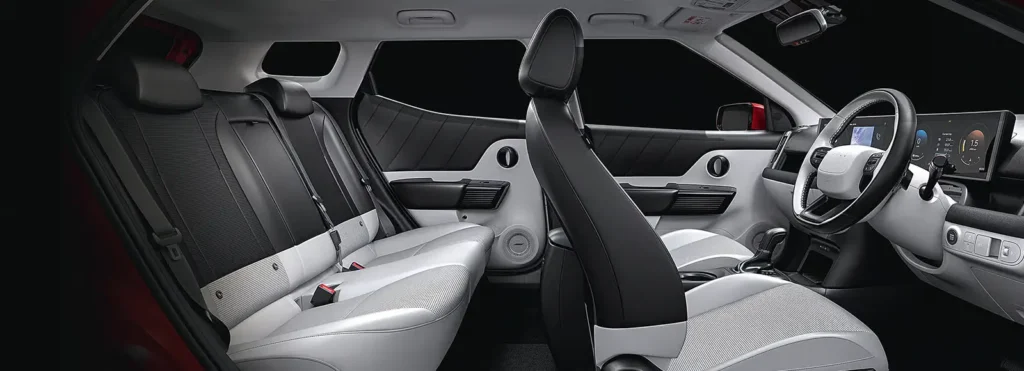
The Bayon’s comfort package includes features such as ventilated front seats, an electrically adjustable driver’s seat, automatic climate control, rear AC vents and a panoramic sunroof on specified variants. A wireless smartphone charger, rear centre armrest and split-folding rear seats further improve everyday usability.
Hyundai quotes a 2,600mm wheelbase and 505 litres of boot space. That luggage capacity is a notable selling point for families who regularly carry suitcases, shopping or weekend-trip essentials. The actual usefulness of the cabin will still depend on rear-seat comfort, the shape of the boot and the amount of luggage being carried.
6. A Familiar 1.5-Litre Petrol Engine
The Bayon uses a four-cylinder, 1.5-litre naturally aspirated MPi petrol engine producing 115 PS and 143.8 Nm of torque. Buyers can choose a six-speed manual gearbox or an Intelligent Variable Transmission (iVT) automatic, depending on the variant.
The iVT version offers Dash Boost Mode for enhanced responsiveness and Sporty Drive Tech, while selectable Eco, Normal and Sport modes help tailor the driving response. Paddle shifters are also available on specified versions.
The engine’s output is familiar to Hyundai buyers, but the Bayon has a more limited powertrain range than the Creta. Buyers who want a turbo-petrol engine or a diesel option should compare the Creta’s available powertrains before making a decision.
7. Distinctive Styling and 205mm Ground Clearance
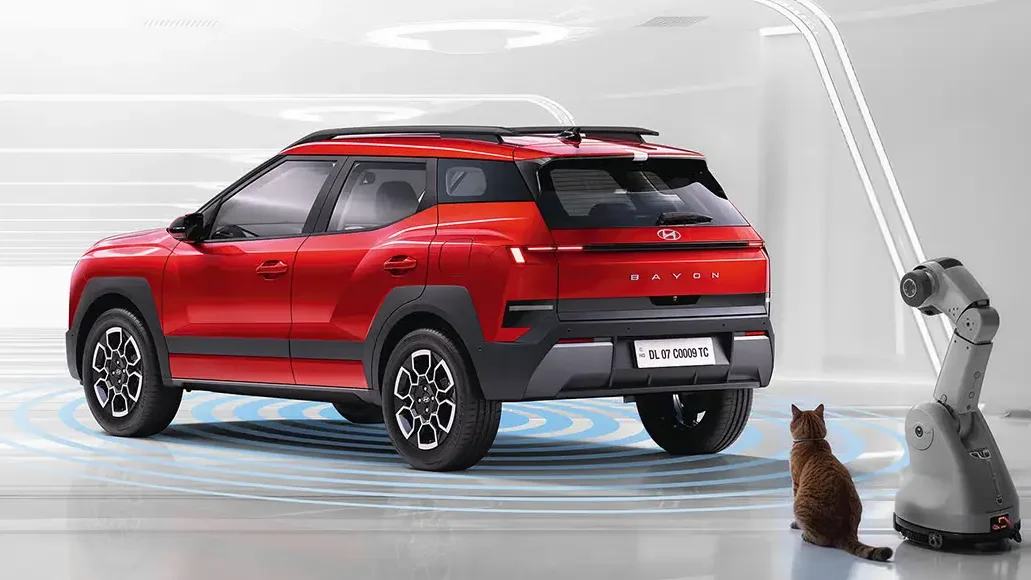
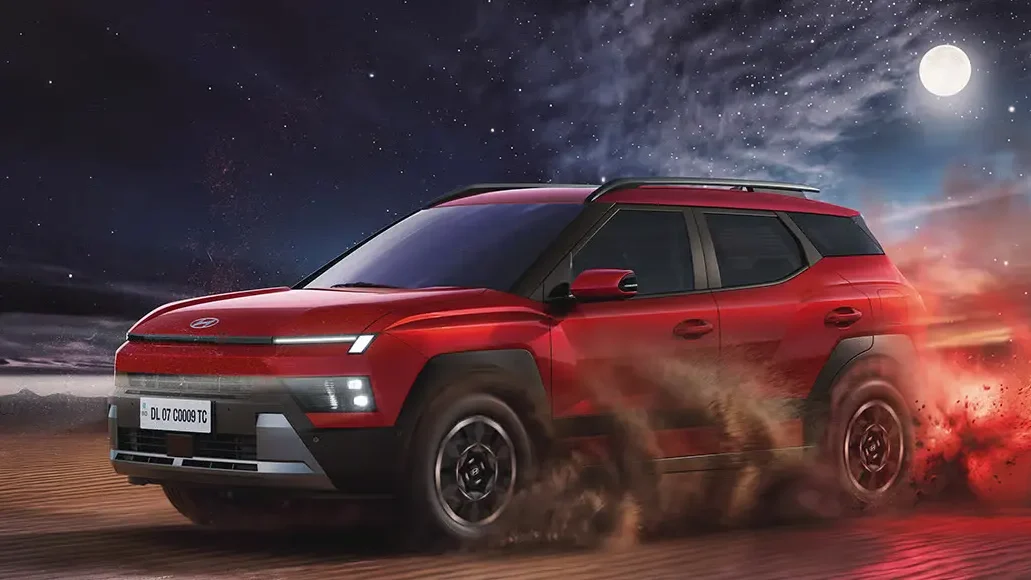
The Bayon gets H-Edge LED daytime running lights, a sculpted bonnet, pronounced wheel arches and a modern front fascia. Higher variants offer features such as LED projector headlamps, 17-inch diamond-cut alloy wheels and connected-style rear lighting. The result is a design that looks different from the Venue and Creta while retaining a recognisable Hyundai SUV identity.
Also Read:- New Mahindra XUV 3XO CNG Today: 5 Big Things Buyers Must Know Before Buying
Its listed dimensions are 4,245mm long, 1,810mm wide and 1,605mm tall with roof rails. Ground clearance is rated at 205mm, and the wheelbase measures 2,600mm. These figures give the Bayon a substantial footprint, although actual ride comfort and rough-road ability also depend on suspension tuning, tyres, load and road conditions.
Hyundai Bayon vs Creta: Which One Makes More Sense?
| Buying factor | Hyundai Bayon | Hyundai Creta | What it means for buyers |
|---|---|---|---|
| Starting price | ₹9,99,900 introductory ex-showroom | Depends on current variant and powertrain | Compare actual on-road quotations |
| Naturally aspirated petrol | 1.5L, 115 PS, 143.8 Nm | 1.5L, 115 PS, around 144 Nm | Similar headline output |
| Other engine options | 1.5L petrol lineup | Turbo-petrol and diesel options also available | Creta offers greater powertrain choice |
| Manual transmission | 6-speed manual | Available with selected engines | Compare preferred engine and gearbox |
| Automatic transmission | iVT | Options depend on engine and variant | Test-drive before choosing |
| Digital displays | Dual 12.3-inch displays on equipped versions | 10.25-inch displays on equipped versions | Bayon offers larger screens |
| Boot capacity | 505 litres claimed | Check the current official specification | Consider your family luggage needs |
| Advanced driver assistance | Level 2 Pro ADAS on selected variants | ADAS availability depends on variant | Compare the exact safety equipment |
The Bayon makes a case for buyers who prioritise digital features, cabin technology and luggage capacity. The Creta remains the more versatile option for those who want a broader choice of engines, including turbo-petrol and diesel configurations. Neither is automatically the better purchase: the right choice depends on the exact variant, budget and driving requirements.
Should You Consider the Hyundai Bayon?
The Hyundai Bayon brings several compelling features to the table, including dual 12.3-inch displays, a generative AI voice assistant, available Level 2 Pro ADAS and a claimed 505-litre boot. Its ₹9.99 lakh introductory starting price makes it worth investigating, especially for buyers who value technology and everyday convenience.
For Creta shoppers, the Bayon deserves a test drive rather than an automatic upgrade or downgrade. The entry-level price does not include every premium feature, and the Creta offers a wider choice of powertrains. Compare the on-road price, equipment, safety systems and driving experience of similarly priced variants before booking.