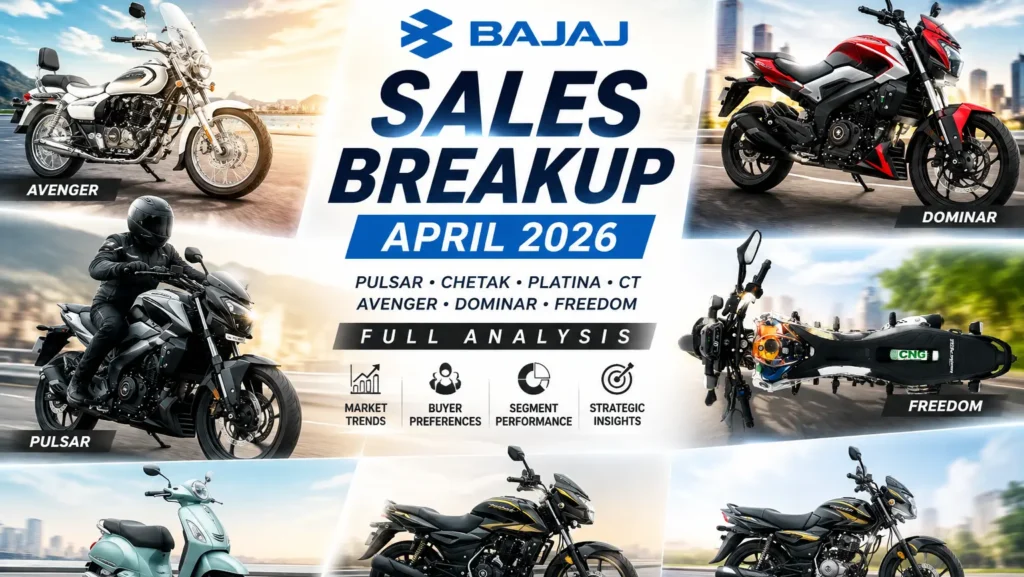
Monthly sales reports often reveal far more than simple numbers. They offer a glimpse into changing buyer preferences, emerging market trends and the strategies manufacturers are using to stay competitive. The latest Bajaj Sales Breakup April 2026 analysis tells an especially interesting story because it highlights how diverse the company’s portfolio has become in an industry that is evolving faster than ever before.
While products like the Pulsar range continue attracting most of the attention, the broader picture reveals that Bajaj’s strength no longer depends on a single motorcycle family. Electric scooters, commuter motorcycles, premium touring machines and even alternative-fuel products are all contributing to the company’s long-term strategy. More importantly, the Bajaj Sales Breakup April 2026 report suggests Indian buyers are increasingly choosing products based on their specific needs rather than following a single market trend.
That shift is creating a more competitive environment where manufacturers must succeed across multiple segments at the same time. For Bajaj, that diversification may be proving to be one of its most valuable advantages.
Why This Matters
- The Bajaj Sales Breakup April 2026 report highlights changing buyer preferences.
- Pulsar remains a key contributor, but other product families are becoming increasingly important.
- Chetak continues strengthening Bajaj’s position in the EV space.
- Commuter motorcycles still play a major role in overall market demand.
Also Read:- Upcoming Harley-Davidson Sprint 440 vs Royal Enfield Meteor 350
The Bajaj Portfolio Is More Balanced Than Many Realize
One of the biggest takeaways from the Bajaj Sales Breakup April 2026 report is the company’s ability to compete across multiple categories simultaneously. Unlike brands that rely heavily on one or two flagship products, Bajaj has built a portfolio capable of serving very different customer groups.
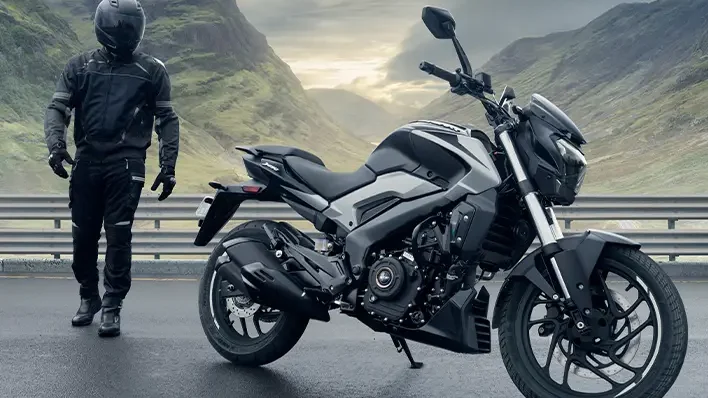
Urban buyers looking for electric mobility can choose the Chetak. Customers focused on affordability and fuel efficiency continue gravitating toward the Platina and CT ranges. Meanwhile, riders seeking stronger performance and touring capability still have options such as the Pulsar and Dominar. This broad approach helps Bajaj remain relevant regardless of how consumer preferences shift from one segment to another.
In today’s market, that flexibility is becoming increasingly important. Manufacturers that can serve multiple customer needs often have a stronger ability to navigate changes in demand than those dependent on a single category.
April 2026 Bajaj Product Portfolio Analysis
| Model Family | Market Position | Key Buyer Appeal | April 2026 Trend |
|---|---|---|---|
| Pulsar | Sport Commuter Leader | Performance + Value | Continues As Core Volume Driver |
| Chetak | Electric Scooter | Low Running Costs + Urban Mobility | Strengthening EV Presence |
| Platina | Mileage-Focused Commuter | Fuel Efficiency + Reliability | Remains Strong In Daily Commuting Segment |
| CT | Entry-Level Motorcycle | Affordability + Simplicity | Important For Value-Oriented Buyers |
| Avenger | Cruiser Motorcycle | Comfortable Riding Experience | Maintains Niche Lifestyle Appeal |
| Dominar | Touring Motorcycle | Long-Distance Capability | Supports Premium Brand Positioning |
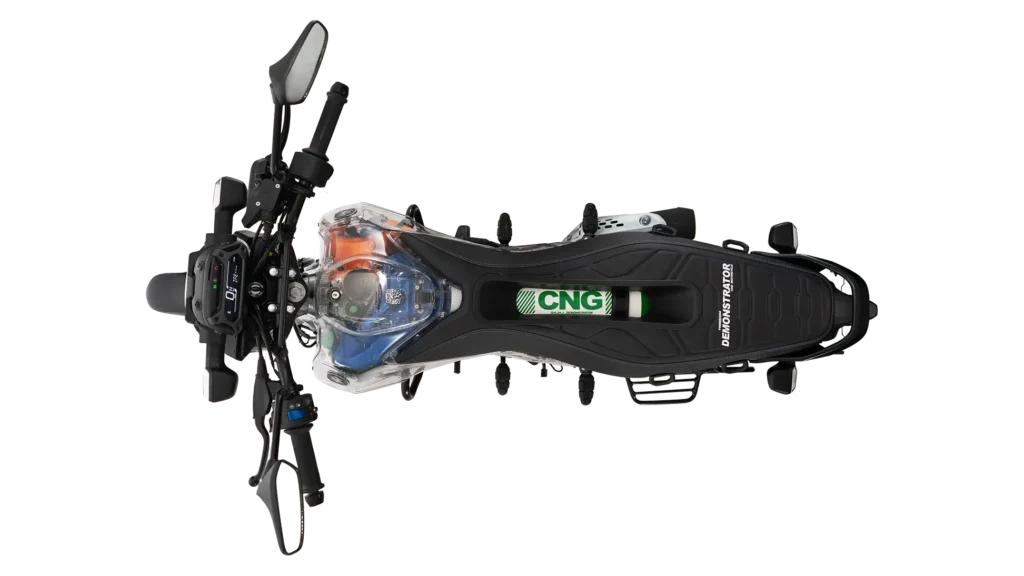
| Freedom | CNG Motorcycle | Alternative Fuel Savings | Expanding Interest In New Mobility Solutions |
The table highlights an important reality behind the Bajaj Sales Breakup April 2026 report. The company is no longer dependent on a single motorcycle category for relevance, giving it the flexibility to respond to changing buyer preferences across multiple segments. As India’s two-wheeler market becomes increasingly diverse, that balanced portfolio could become one of Bajaj’s biggest long-term strengths.
This diversified strategy also reduces dependence on any single motorcycle category. As market conditions evolve, Bajaj has multiple opportunities to maintain momentum across different segments.
Why Pulsar Still Remains Bajaj’s Biggest Strength
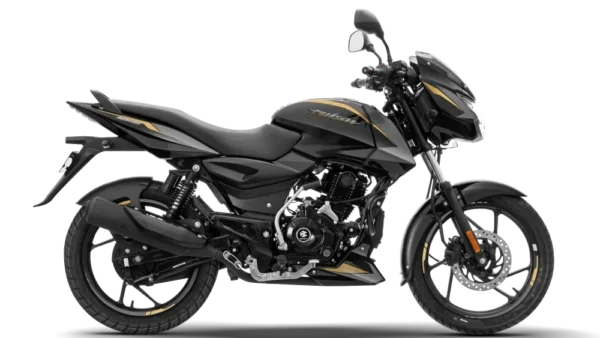
Even after years in the market, the Pulsar lineup continues to play a critical role in Bajaj’s overall performance. The brand has successfully built a reputation for combining sporty styling, accessible performance and strong value, making it attractive to a broad range of buyers. For many customers, a Pulsar represents an aspirational upgrade from a basic commuter motorcycle without requiring the higher investment associated with premium-performance models. This unique positioning has helped the brand maintain relevance across different generations of riders.
That sustained appeal explains why Pulsar remains one of the most important pillars within the Bajaj portfolio. While market trends continue changing, the combination of affordability, brand recognition and performance remains highly attractive to Indian buyers.
Chetak Shows Why EV Adoption Continues To Grow
Another important takeaway from the Bajaj Sales Breakup April 2026 report is the growing relevance of the Chetak electric scooter lineup. Electric mobility remains one of the most closely watched areas of the industry, and Chetak continues helping Bajaj establish a stronger presence in this rapidly developing segment. Urban customers are increasingly considering electric scooters because of lower running costs, convenient city usability and reduced dependence on fluctuating fuel prices. While EV adoption may progress at different speeds across regions, the continued visibility of products like Chetak highlights growing consumer interest in alternative mobility solutions.
For Bajaj, Chetak represents more than just an electric scooter. It reflects the company’s willingness to adapt to changing technologies while maintaining relevance in a market that is becoming increasingly diverse.
Also Read:- Triumph 350cc Range Bikes Just Got Costlier — Buyers Who Waited May Regret It Now
Why Bajaj’s Smaller Product Lines Still Play A Big Role
While premium motorcycles and EVs often dominate industry discussions, traditional commuter motorcycles remain the foundation of India’s two-wheeler market. The Platina and CT ranges continue attracting buyers because they address practical concerns such as fuel efficiency, affordability and long-term reliability.
At the same time, products like Avenger and Dominar help Bajaj maintain a presence in lifestyle and touring segments. Freedom, meanwhile, represents one of the industry’s most interesting alternative-fuel experiments and demonstrates the company’s willingness to explore new mobility solutions beyond conventional petrol-powered motorcycles. Together, these products strengthen Bajaj’s ability to participate across multiple segments while reducing dependence on a single trend or technology.
What These Trends Tell Us About Indian Buyers
The Bajaj Sales Breakup April 2026 report reveals that Indian buyers are no longer moving in one direction. Some customers are embracing electric mobility, others continue prioritizing fuel efficiency and affordability, while many still prefer motorcycles that balance performance with everyday practicality.
This diversity is forcing manufacturers to compete across multiple fronts simultaneously. Practicality, ownership costs, technology, efficiency and brand trust are all influencing purchase decisions at the same time. As a result, companies can no longer rely on one strength alone to attract customers. For buyers, that competition is ultimately beneficial because it encourages manufacturers to improve products across every segment, creating more choice and stronger value propositions throughout the market.
Final Verdict
The Bajaj Sales Breakup April 2026 report is about much more than monthly performance. It offers a valuable snapshot of how India’s motorcycle market is evolving and where future opportunities may emerge. Pulsar continues reinforcing its position as a key volume driver, Chetak highlights growing EV interest and commuter motorcycles such as Platina and CT remain as important as ever. At the same time, Avenger, Dominar and Freedom demonstrate Bajaj’s commitment to serving a wide range of customer needs.
The biggest takeaway is clear: Bajaj’s strength no longer depends on a single motorcycle or technology. The Bajaj Sales Breakup April 2026 report shows that Indian buyers are embracing multiple mobility solutions at the same time, from traditional commuter motorcycles and performance-oriented products to electric scooters and alternative-fuel options. For Bajaj, that diversification may prove to be one of its biggest competitive advantages as the Indian two-wheeler market continues to evolve.