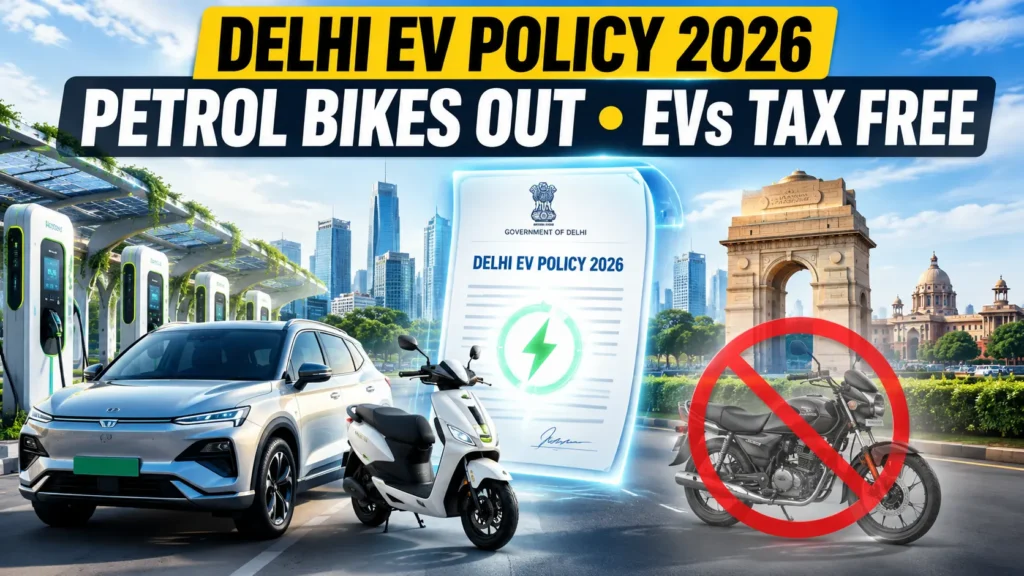
Delhi has announced what could become the most influential electric mobility policy in India, and its impact extends far beyond EV subsidies. The newly approved Delhi EV Policy 2026 introduces a roadmap that fundamentally changes how future vehicle purchases will be planned in the national capital. From ending new petrol-powered two-wheeler registrations in 2028 to offering complete road tax and registration fee exemptions for eligible electric cars, the policy clearly signals where Delhi wants its automotive future to head.
The biggest surprise, however, is not the generous incentives for electric vehicles but the complete exclusion of hybrid cars from major tax benefits. Instead of supporting every low-emission technology, the government has chosen to focus exclusively on battery-electric vehicles. That decision alone is likely to influence buying decisions for thousands of customers while encouraging manufacturers to accelerate their EV strategies over the next few years.
Delhi EV Policy 2026 Explained – The Biggest Changes Every Buyer Should Know
Rather than introducing isolated incentives, Delhi has presented a long-term roadmap covering private buyers, commercial operators and charging infrastructure. The policy proposes a phased transition towards electric mobility by combining financial benefits with future registration restrictions, making it one of the country’s most comprehensive EV frameworks.
For motorcycle buyers, the biggest change is the proposed end of new petrol and CNG-powered two-wheeler registrations from 1 April 2028. Existing motorcycles and scooters will continue to operate under prevailing regulations, but anyone planning to register a brand-new two-wheeler after the implementation date will need to choose an electric model. The move is expected to significantly accelerate EV adoption while encouraging manufacturers to expand their electric product portfolios before the deadline arrives.
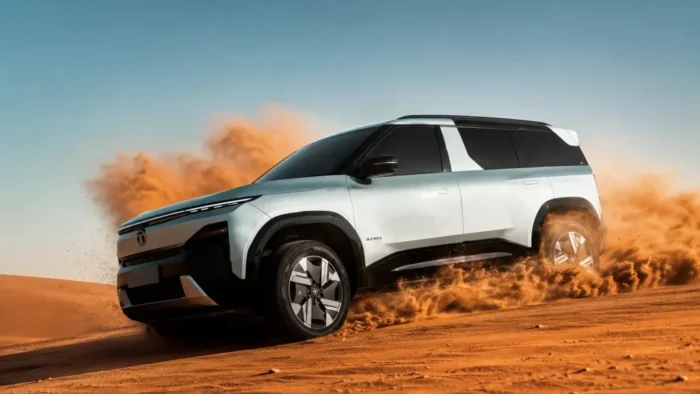
Also Read:- Destroyer of Midsize EVs? 4 Ways the Tata Sierra EV Will Panic the Competition
Delhi EV Policy 2026 – Complete Buyer Guide
| Vehicle Category | Delhi EV Policy 2026 Update | Buyer Impact | Purchase Decision |
|---|---|---|---|
| Petrol/CNG Two-Wheelers | No new registrations from 1 April 2028 | New buyers will have to switch to EVs after the deadline | Buy before 2028 if you prefer petrol, otherwise plan for an electric two-wheeler |
| Electric Cars (Up to ₹30 Lakh) | 100% Road Tax & Registration Fee Exemption | Significantly lower on-road price | Biggest financial advantage under the new policy |
| Hybrid Cars | No road tax or registration incentives | No financial benefit despite lower emissions | Compare carefully against similarly priced EVs |
| Electric Auto-Rickshaws | Only new electric auto registrations permitted | Faster transition towards commercial electrification | Commercial operators should plan EV purchases |
| Charging Infrastructure | 30,000+ public charging points planned | Easier charging access and improved ownership experience | Stronger confidence for first-time EV buyers |
| Policy Timeline | Valid until 31 March 2030 | Multi-year roadmap for buyers and manufacturers | Enough time to plan future vehicle purchases |
| Existing Petrol Vehicle Owners | Existing registered vehicles remain unaffected | No immediate replacement required | Continue ownership under existing regulations |
| Government Focus | Pure Battery-Electric Vehicles | Strong policy push towards zero-emission mobility | Battery EVs receive the maximum long-term support |
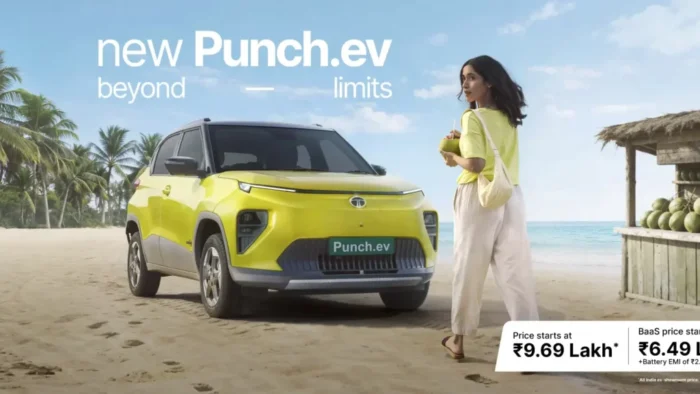
EV Buyers Get the Biggest Financial Advantage While Hybrids Lose Out
One of the policy’s most attractive provisions is the complete exemption from road tax and registration charges for battery-electric cars priced up to ₹30 lakh (ex-showroom). Depending on the vehicle, buyers could save a substantial amount on the final on-road price, making electric cars considerably more competitive against petrol, diesel and hybrid alternatives.
Perhaps the most debated aspect of the policy is the government’s decision to exclude hybrid vehicles from these incentives. Despite repeated industry requests to include strong hybrids within the benefit structure, Delhi has chosen to reserve tax advantages exclusively for battery-electric vehicles. As a result, customers considering hybrid SUVs or sedans will not receive the same financial benefits available to pure EV buyers.
This decision also sends a clear message about the government’s long-term strategy. Rather than treating hybrids as a transition technology, the policy directly prioritises zero-emission vehicles, encouraging both consumers and manufacturers to move towards fully electric mobility.
Also Read:- Top 5 Electric Scooters in India 2026 for First-Time Buyers
What This Means for Manufacturers and Future Vehicle Buyers
The policy is expected to reshape product planning across the automotive industry. Manufacturers with strong EV portfolios are likely to receive a major boost as demand shifts towards electric scooters, motorcycles and passenger cars. Brands that currently rely heavily on petrol-powered commuter motorcycles may also accelerate future EV launches to prepare for Delhi’s changing regulations.
For buyers, the next two years become particularly important. Customers planning to purchase a petrol motorcycle in Delhi still have time before the proposed registration deadline comes into effect, while those considering an electric vehicle may benefit from attractive tax savings and a rapidly expanding charging network. The government’s plan to deploy over 30,000 public charging points should further improve ownership convenience while strengthening confidence in electric mobility.
Although the policy currently applies only to Delhi, similar measures could eventually influence EV strategies in other Indian states. That makes this announcement important not only for Delhi residents but also for manufacturers planning their future investments across the country.
Should You Change Your Buying Plans?
For anyone planning to purchase a new vehicle over the next few years, the Delhi EV Policy 2026 deserves serious attention. Buyers looking at electric cars priced below ₹30 lakh stand to gain the biggest financial advantage, while those considering hybrid vehicles may need to reassess their value proposition in the absence of tax benefits. Petrol motorcycle buyers, meanwhile, should keep the 2028 registration deadline firmly in mind before making long-term purchase decisions.
More importantly, this policy demonstrates that India’s largest automotive markets are beginning to move from encouraging EV adoption to actively planning for an electric future. If implemented as announced, Delhi’s latest policy won’t simply increase EV sales—it could become the blueprint that shapes future automotive regulations across the country. For buyers, the message is straightforward: if your next vehicle purchase is planned in Delhi, the new EV Policy 2026 could influence not only what you buy, but also when you buy it. The shift towards pure electric mobility has officially moved from discussion to implementation.