How India’s Latest Fuel Price Shock Broke Consumer Resistance to Mass-Market EVs
The Indian passenger vehicle market has historically been driven by a single financial metric: predictable running costs. For decades, this mathematical obsession favored low-displacement petrol engines, factory CNG kits, and frugal diesel workhorses. However, the macro-economic shifts of May 2026 have completely disrupted these purchasing patterns.
Triggered by escalating geopolitical conflict in West Asia and severe disruptions across international crude shipping lanes, global Brent crude has surged toward the $113 per barrel mark. For India—which relies on imports for over 85% of its crude oil requirements—the domestic impact was immediate. Over a chaotic 11-day window in May, retail fuel pump prices spiked by a staggering Rs 7.50 per litre.
According to consolidated retail data and analytical reporting by top global brokerages like Nomura and HSBC, this sudden fuel price shock has triggered a major inflection point. Mass-market car buyers are no longer treating electric vehicles (EVs) as speculative secondary cars; they are rushing to them as an economic shield against fossil fuel volatility.
1. EV Sales Hits Historic Highs in May 2026
The immediate impact of this price shock is clearly visible in the retail dispatch numbers tracked across national registration databases. According to Nomura’s retail tracker, electric vehicle sales jumped to an unprecedented 6.4% of total passenger vehicle sales in May 2026, a substantial leap from the 4.0% baseline average recorded throughout the previous fiscal year (FY26). HSBC’s independent equity research paints an even more aggressive picture, pegging passenger EV penetration at 6.6% for the same month.
The two-wheeler ecosystem experienced a similar surge, with electric scooters and motorcycles capturing up to 8.9% to 9.3% of overall monthly volumes. This data confirms that across both two- and four-wheel vehicle segments, the psychological barrier to going electric is dropping rapidly.
Also Read: Citroen eC3X Teased: Premium Visual Tweaks and Major Cabin Upgrades
2. ICE vs. EV Price: The Rise of BaaS
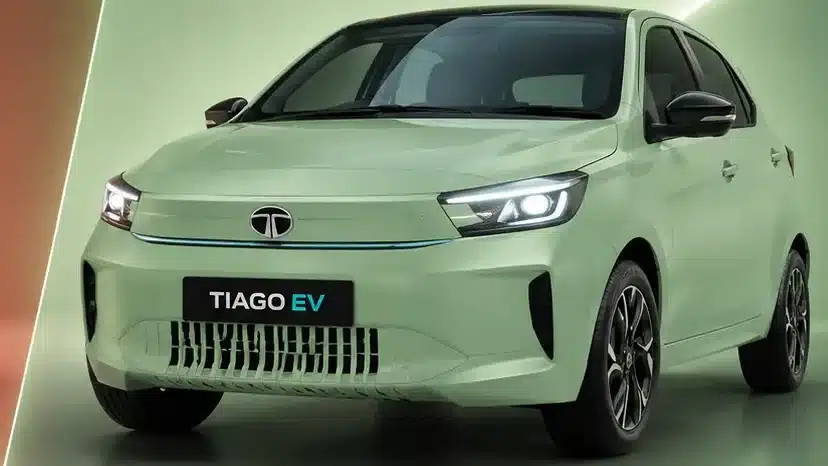
Historically, the single biggest roadblock to mass-market EV adoption was the steep upfront cost. In the sub-Rs 15 lakh segment, budget-conscious family buyers found it hard to justify the massive premium electric versions commanded over their petrol or diesel counterparts.
By mid-2026, that pricing gap has slimmed down significantly due to falling global battery cell manufacturing costs and updated tax frameworks.
As the table demonstrates, a standard high-volume compact SUV platform like the Tata Nexon has seen its direct ICE-to-EV entry-level price delta contract from Rs 6.69 lakh down to Rs 5.12 lakh.
The real game-changer in leveling the financial playing field is the wide commercial rollout of Battery-as-a-Service (BaaS) subscription models. By separating the upfront chassis cost from the lithium-ion battery pack, manufacturers allow buyers to purchase the physical car at a lower base price, while treating battery usage as a variable monthly subscription or per-kilometer usage rent. This removes the initial financial hurdle, giving EVs instant price parity on the showroom floor.
3. Tata and JSW MG Report Surge in Demand
This sudden shift in consumer preference has altered production priorities on manufacturer assembly lines. Segment leader Tata Motors reported a massive 85% Year-on-Year (YoY) growth in pure EV wholesale volumes for May 2026, with forward order bookings multiplying by 2.5 times over the past 60 days alone.
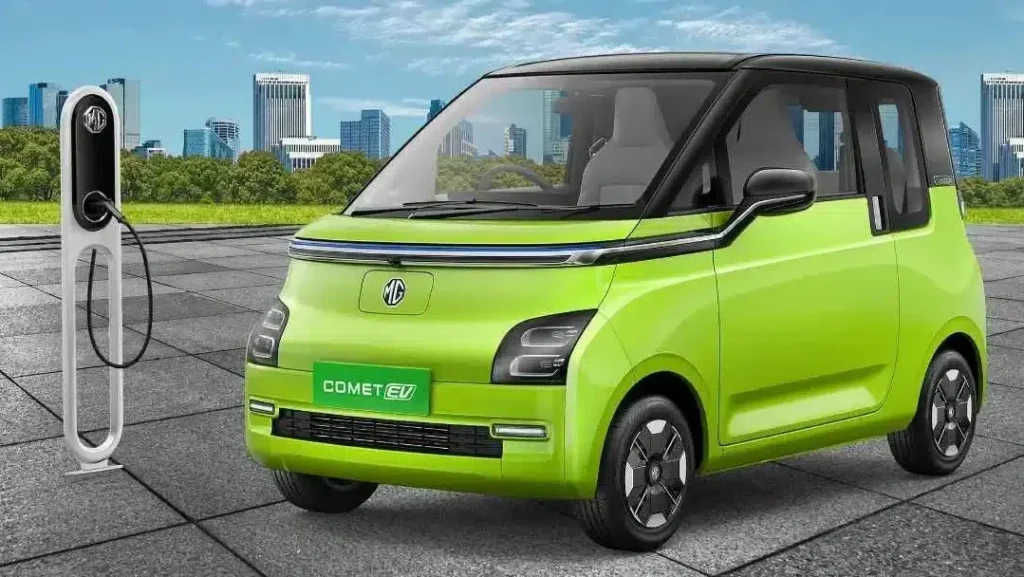
To prevent long waiting lists in the critical sub-Rs 15 lakh segment, Tata is scaling its dedicated EV manufacturing lines from 10,000 units a month to a target of 15,000 units. Similarly, JSW MG Motor India has reported a swift 23% spike in pure EV bookings, driven by increased foot traffic and serious buyers looking to escape high running costs.
Also Read: Tata Breaches 10K Mark as Mahindra Closes In with 96% Growth in May 2026
4. Fuel Rationing Fears and Blending Risks
While daily running costs are the main driver, the mass shift to EVs is also fueled by growing consumer anxiety around fuel supply stability and changing fuel compositions.
| Source of Consumer Anxiety | Real-World Impact and EV Driver Triggers |
| Fuel Rationing Apprehensions | Despite official government assurances of stable national oil reserves, persistent West Asia conflict headlines have sparked panic buying and localized fears of future fuel shortages. |
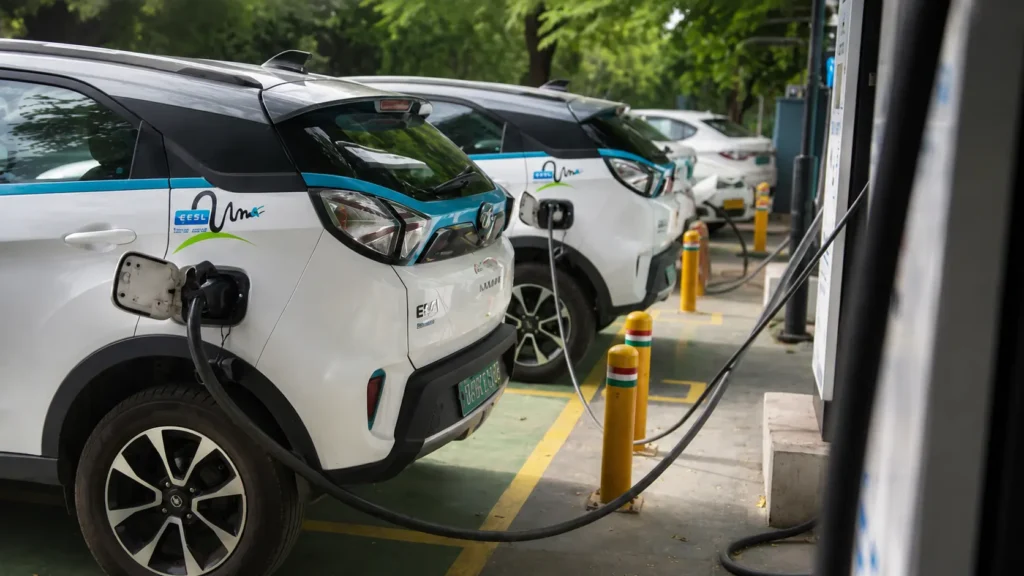
| Home Charging Self-Reliance | EVs offer complete immunity from fuel station lines. The ability to charge a vehicle overnight via a standard home wall-box ensures guaranteed local commuting even during energy crises. |
| Biofuel Blending Concerns | The rapid rollout of E20 petrol and the upcoming mandate to mix isobutanol into commercial diesel have raised concerns among car owners about long-term engine wear, fuel system corrosion, and declining efficiency in legacy ICE cars. |
Furthermore, state-level implementation of strict National Vehicle Scrappage Policies—which look to phase out 10-year-old diesel and 15-year-old petrol vehicles across critical urban centers—does not apply to zero-emission electric powertrains. This regulatory exemption gives EVs a clear advantage in long-term asset security.
The auto sales performance of May 2026 has made one thing clear: India’s electric transition is no longer dependent solely on environmental awareness or government subsidies. The pure economics of fossil fuel price shocks, combined with smarter ownership models like BaaS and longer lifetime battery warranties, have permanently altered the math of car ownership. As charging networks expand across tier-2 and tier-3 towns, this fuel-shock-driven transition is setting up the Indian automotive industry for an accelerated shift toward sustainable energy independence.