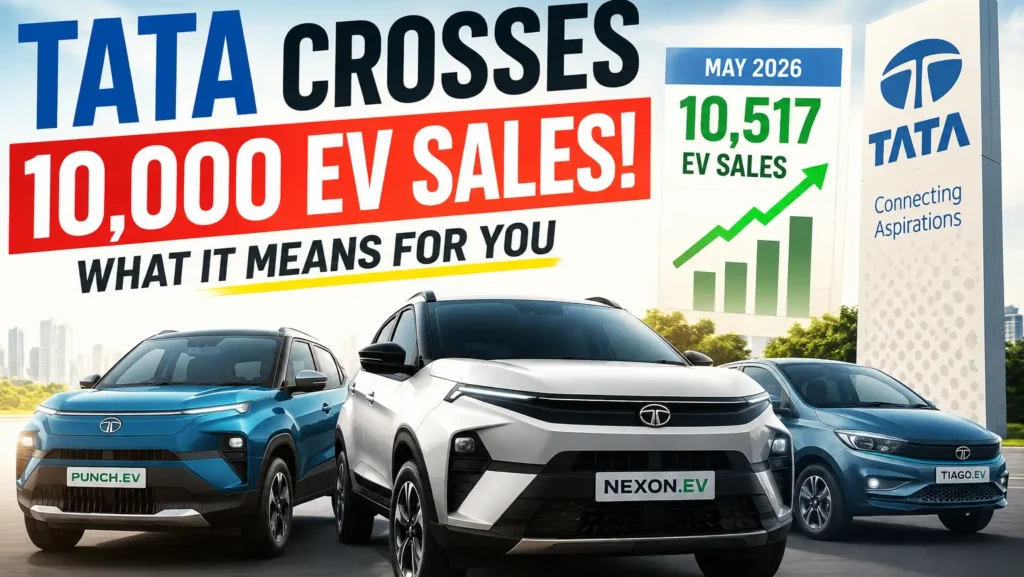
While most of the industry was focused on SUV sales battles and market-share rankings, Tata Motors quietly achieved something that could have a much bigger impact on the future of the Indian car market. The milestone itself may look like just another sales statistic, but it has the potential to change how buyers think about electric vehicles over the next few years. For the first time ever, the company crossed 10,000 EV sales in a single month, a milestone that many industry observers believed was still several years away. On paper, it looks like just another sales record. In reality, it may be one of the strongest signs yet that electric vehicles are steadily moving from curiosity to mainstream choice in India.
More importantly, this achievement is not simply about one company selling more cars. It reflects a shift in buyer behaviour, growing confidence in EV technology, and increasing acceptance of electric mobility as a practical alternative to traditional petrol-powered vehicles. At a time when many consumers still view EVs as a future technology, Tata’s latest numbers suggest the future may be arriving much faster than expected.
Why This Milestone Matters
- Tata crossed a milestone many believed was years away.
- Tata EV Sales May 2026 surged 85% despite rising competition.
- Nearly one in five Tata cars sold is now electric.
- Buyer confidence in EVs is rising faster than expected.
Also Read:- May 2026 Car Sales: Maruti Stayed No.1, But Tata And Mahindra Changed The Story
The Moment The EV Story Changed Direction
Tata Motors reported domestic passenger vehicle wholesales of 59,090 units in May 2026, representing a strong 42% year-on-year increase over the same month last year. While that performance alone would have been enough to attract attention, the real headline came from the company’s electric vehicle division, where combined EV sales jumped to 10,517 units from 5,685 units a year ago. An 85% increase at this scale is not simply another growth statistic; it reflects a market that is becoming increasingly comfortable with electric mobility and a customer base that is rapidly evolving.
For years, concerns surrounding charging infrastructure, battery durability, resale value and driving range slowed mass adoption. Those concerns have not disappeared entirely, but customer behaviour now suggests they are becoming less influential than they once were. When more than ten thousand buyers choose an EV from a single manufacturer in one month, it becomes increasingly difficult to argue that electric vehicles remain a niche proposition reserved only for early adopters and technology enthusiasts.
The Numbers That Explain Everything of Tata EV Sales May 2026
| Performance Indicator | May 2026 | May 2025 | Growth | What It Means For Buyers |
|---|---|---|---|---|
| Domestic PV Sales | 59,090 | 41,557 | 42% | Strong overall demand |
| EV Sales | 10,517 | 5,685 | 85% | EV adoption accelerating rapidly |
| International Business | 700 | 483 | 45% | Brand expansion continues |
| Total PV Dispatches | 59,790 | 42,040 | 42% | Healthy market momentum |
| EV Share Of PV Business | ~18% | ~14% | Rising | EVs becoming increasingly mainstream |
The most important takeaway, however, may not be visible in the table itself. Retail registration data indicates that actual customer deliveries grew by more than 50% year-on-year, suggesting that demand is being generated by genuine buyers rather than inventory accumulation across dealership networks. In simple terms, these vehicles are not just leaving factories; they are reaching customers at a pace that highlights growing confidence in electric mobility and long-term EV ownership.
The Models Driving This Historic Surge
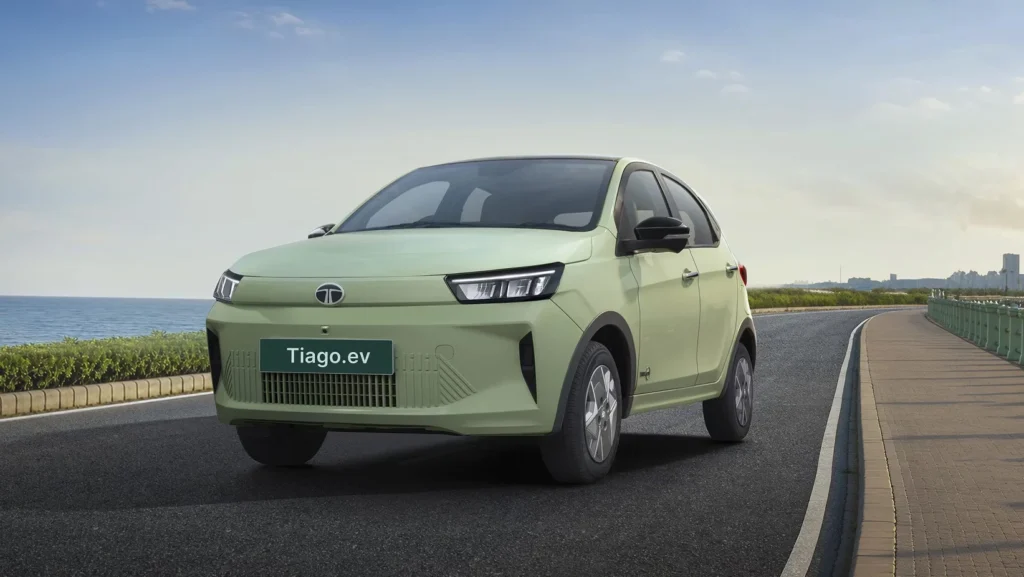
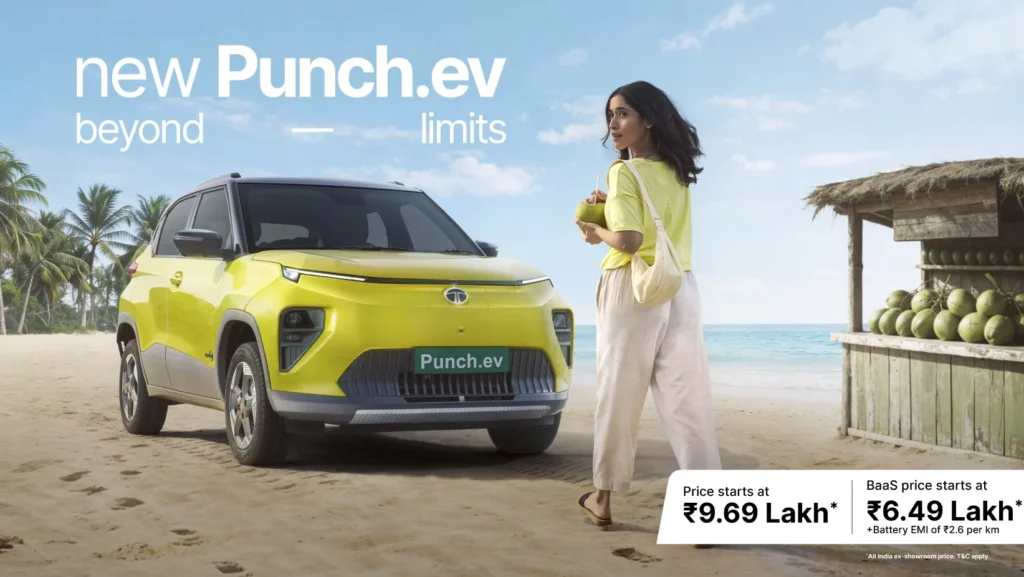
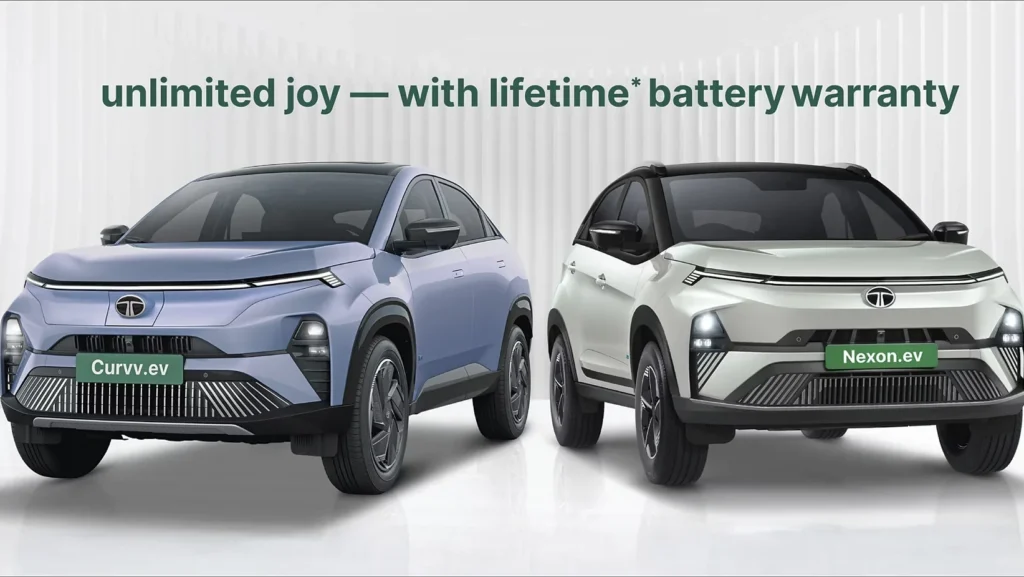
What makes this achievement particularly interesting is that it was not driven by expensive halo products or limited-volume premium EVs. Tata’s growth continues to be powered by products positioned within reach of mainstream Indian buyers. Models such as the Punch.ev, Nexon.ev and Tiago EV have helped make electric mobility more accessible by combining familiar ownership experiences with lower running costs, practical driving ranges and improving technology.
The broader Punch and Nexon families continue attracting strong demand across ICE, CNG and EV powertrains. This multi-powertrain strategy allows buyers to choose the technology that best suits their needs without changing the vehicle they already know and trust. As a result, customers considering a switch to electric mobility face far fewer psychological barriers than they did just a few years ago, helping Tata build momentum that few rivals have been able to match.
Also Read:- 4 New Tata SUVs Worth Waiting For – Arriving Within 9 To 12 Months
Why Rival Carmakers Cannot Ignore This Anymore
Tata’s latest achievement arrives at a time when competition in India’s passenger vehicle market is becoming increasingly intense. Mahindra continues pushing aggressively in the SUV space, Hyundai is strengthening its product portfolio, and several global manufacturers are preparing fresh EV launches. Yet Tata currently enjoys a significant advantage because its electric vehicle business has evolved into a meaningful source of volume rather than remaining a future promise.
Every additional EV sold today strengthens Tata’s ecosystem, improves customer familiarity, and expands the ownership network that future buyers will rely on. While competitors continue building their electric strategies, Tata is already benefiting from scale and experience. That advantage may become increasingly valuable as EV adoption accelerates and more buyers begin considering electric vehicles alongside traditional petrol-powered alternatives.
Should Buyers Wait Before Choosing A Petrol Car?
The answer depends largely on how the vehicle will be used. Buyers who regularly cover long highway distances in areas with limited charging infrastructure may still find petrol-powered vehicles more practical today. However, urban and suburban customers with predictable daily driving patterns now have stronger reasons than ever to evaluate electric alternatives before making a purchase decision.
Lower running costs, reduced maintenance requirements, improving charging infrastructure, and increasing product maturity are steadily changing the ownership equation. For many buyers, the biggest mistake may not be purchasing a petrol car—it may be purchasing one without seriously evaluating the electric alternatives now available in the market.
Who Should Buy And Who Should Wait?
Buyers looking for a proven city-friendly EV with lower ownership costs can confidently consider Tata’s current electric portfolio, particularly the Punch.ev, Tiago EV and Nexon.ev. These products have matured significantly and continue benefiting from expanding infrastructure support, making them practical choices for everyday use and long-term ownership.
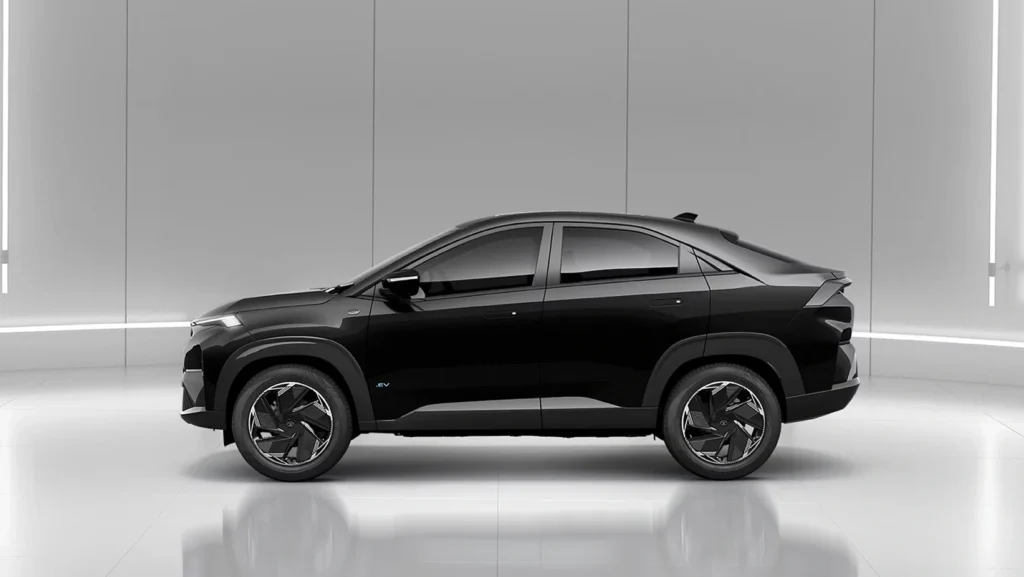
However, customers planning to purchase a larger premium electric SUV may find it worthwhile to wait a little longer. Tata’s upcoming Sierra EV remains one of the most anticipated launches in the market and could offer another compelling option for buyers seeking more space, technology and premium positioning.
May 2026 may eventually be remembered as one of the defining moments in India’s EV journey. Crossing the 10,000-unit monthly sales mark proves that electric vehicles are no longer a niche experiment reserved for a small group of buyers. They are steadily becoming a mainstream choice, and the pace of adoption appears to be increasing with every passing month.
Petrol cars are not disappearing tomorrow, and they will remain relevant for years to come. Yet Tata’s latest milestone sends a clear signal that the market is evolving faster than many expected. If you are planning a new car purchase, the smartest move today may not be rushing toward a petrol vehicle. It may be taking one last serious look at the EV options before making your final decision, because by the time many buyers realize how quickly the market is changing, the shift may already be well underway.