Tata Motors has officially laid out one of the most aggressive and calculated long-term growth blueprints in its modern operational history. At its highly anticipated Investor Day 2026, the Indian automotive giant detailed its FY31 Vision—a comprehensive roadmap for the passenger vehicle (PV) business designed to capture a definitive 20% domestic market share by the end of the decade.
Rather than chasing an absolute, single-technology gamble, Tata Motors presented a flexible, multi-powertrain framework. By systematically scaling production footprints, introducing fresh design-driven nameplates, and utilizing software-led upgrades, the strategy serves as a definitive look at how the manufacturer plans to insulate itself from market volatility while keeping its high-growth momentum intact.
Targeting 12 Lakh Annual Sales
The core structural pillar of the FY31 Vision is a massive volume expansion plan. Tata Motors is formally targeting a sales benchmark of over 12 lakh (1.2 million) annual passenger vehicle units by FY31.
When contrasted against its current FY26 delivery baseline of approximately 6.4 lakh units, this target represents a massive 15% Compound Annual Growth Rate (CAGR) trajectory. Managing this scale will double the brand’s net addressable consumer sectors across the country. Financially, this aggressive push is projected to nearly double its passenger vehicle revenue pool, aiming to hit ₹1,40,000 Crore by FY31 while consistently holding a strong 10% EBITDA margin standard.
Also Read: Hyundai Discontinued Creta N Line Entry-Level N8 Varient
15 Nameplates, 6 New Entries & 20+ Refreshes
To pull off a volume expansion of this scale, Tata Motors is expanding its overall fleet options. The brand confirmed it will systematically broaden its core portfolio to 15 distinct nameplates by FY31. This massive product rollout includes:
- 6 All-New Nameplates: Ground-up product introductions covering midsize lifestyle segments and premium crossover gaps where Tata does not currently participate.
- Over 20 Product Facelifts: Reworking existing mainstays (like the Nexon, Punch, and Altroz platforms) through rapid design updates, next-generation digital cabins, and Level-2 ADAS integrations to maintain high competitive appeal mid-cycle.
Multi-Powertrain Strategy
While multiple international manufacturers are actively scaling back overly aggressive, fully electric mandates, Tata Motors’ Investor Day brief highlighted a highly pragmatic approach. The corporate directive explicitly confirmed that the brand will avoid an “EV-only” single-lane track. Management expects the Indian subcontinent to remain heavily dependent on multiple propulsion technologies due to distinct regional charging networks and varied fuel economies. Therefore, factory tooling and modular platforms will continue to see simultaneous capital investment across:
- High-Efficiency Petrol Powertrains
- Torque-Heavy Diesel SUVs
- Twin-Cylinder CNG Technologies
- Battery Electric Vehicles (EVs)
This strategy means that instead of battling changing customer preferences, Tata can simply adjust assembly line production numbers between combustion, gas, and battery models on the fly, depending on real-time showroom orders.
Also Read: 2026 TVS Ntorq 125 Disc & Race Edition Launched: Check Price
EV and CNG to Driver 45% of Volume
Even with a flexible engine foundation, alternative fuels are slated to become major volume engines. Tata Motors projects that EVs and twin-cylinder CNG vehicles combined will account for nearly half (45%) of total industry sales by FY31.
Securing the EV Throne
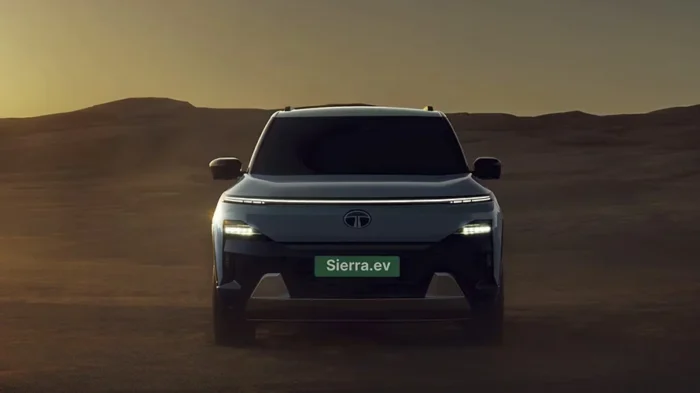
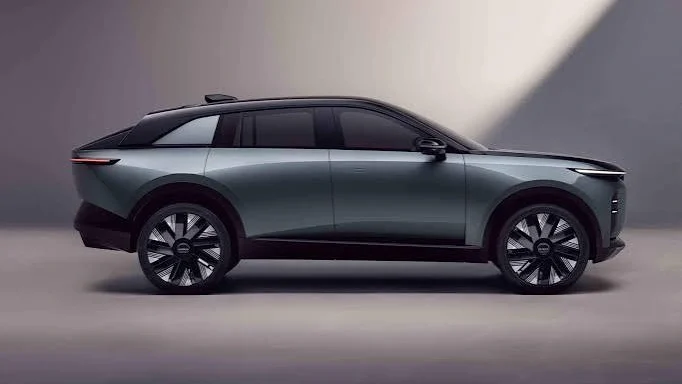
Having held an absolute dominant 40%+ market share in the domestic electric vehicle landscape for seven consecutive years, the brand aims to lock down its competitive moat by scaling its dedicated EV lineup to 10 distinct nameplates by FY31. This includes launching localized premium EV offerings under the newly previewed Avinya architecture and debuting highly anticipated models like the Sierra EV, creating an accessible option for every price segment between ₹7 Lakh and ₹29 Lakh.
Capacity Escalating to 13 Lakh Units
To prevent delivery backlogs and reduce consumer waiting timelines as these incoming nameplates arrive, physical infrastructure is receiving a massive upgrade. Backed by a capital investment allocation of up to ₹40,000 Crore spanning the next five years, Tata Motors is expanding its total vehicle manufacturing ceiling.
Through significant efficiency adjustments across its existing hubs in Pune, Sanand, and Ranjangaon, alongside the active integration of its state-of-the-art Panapakkam plant in Tamil Nadu, the company’s net production capacity will step up from 9 lakh units to 13 lakh units annually within the next 2 to 3 years.
The Customer Matrix: Overhauling Sales and Service Footprints
Recognizing that a premium product strategy demands an equally sophisticated retail environment, the FY31 blueprint lays out an extensive brick-and-mortar retail footprint expansion:
| Retail Network Metrics | FY26 Baseline | FY31 Target |
| Sales Showroom Outlets | 1,669 Outlets | 3,200 Outlets |
| Authorized Service Touchpoints | 1,211 Outlets | 3,000 Outlets |
Alongside doubling these physical touchpoints, the company is implementing strict quality control checks at its factory gates to eliminate early electronic bugs, rolling out standalone premium EV display lounges, and integrating artificial intelligence frameworks into its connected-car software ecosystem.
Also Read: Tata Motors Investor Day 2026: Top 10 Growth Announcements
Motor Mitra Verdict
Tata Motors’ FY31 Vision is an incredibly robust, calculated statement of intent. By tying a highly flexible multi-powertrain factory blueprint directly to a multi-billion dollar expansion program, the manufacturer is building an adaptable business. Whether mass-market adoption tilts aggressively toward battery electric cars or remains anchored to affordable CNG choices, this flexible approach ensure that Tata Motors remains fully armed to claim its targeted fifth of the Indian car market well into the next decade.
For more such updates on latest cars, bikes and EVs stay connected to MotorMitra. #gaadiyonkismartguide