
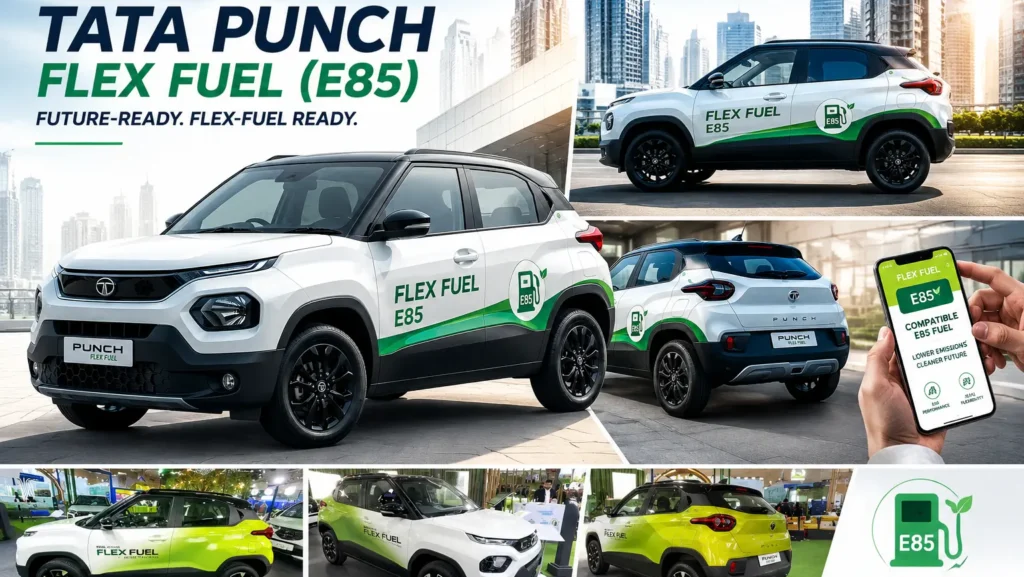
The Tata Punch has already established itself as one of India’s most successful SUVs, consistently attracting buyers with its combination of compact dimensions, SUV-inspired styling, and strong value proposition. However, fresh spy shots of a heavily camouflaged Punch test vehicle have now sparked an entirely new discussion. The surprising part is not that Tata is testing the Punch again after launch—manufacturers regularly conduct development runs—but rather what this particular test mule could potentially indicate.
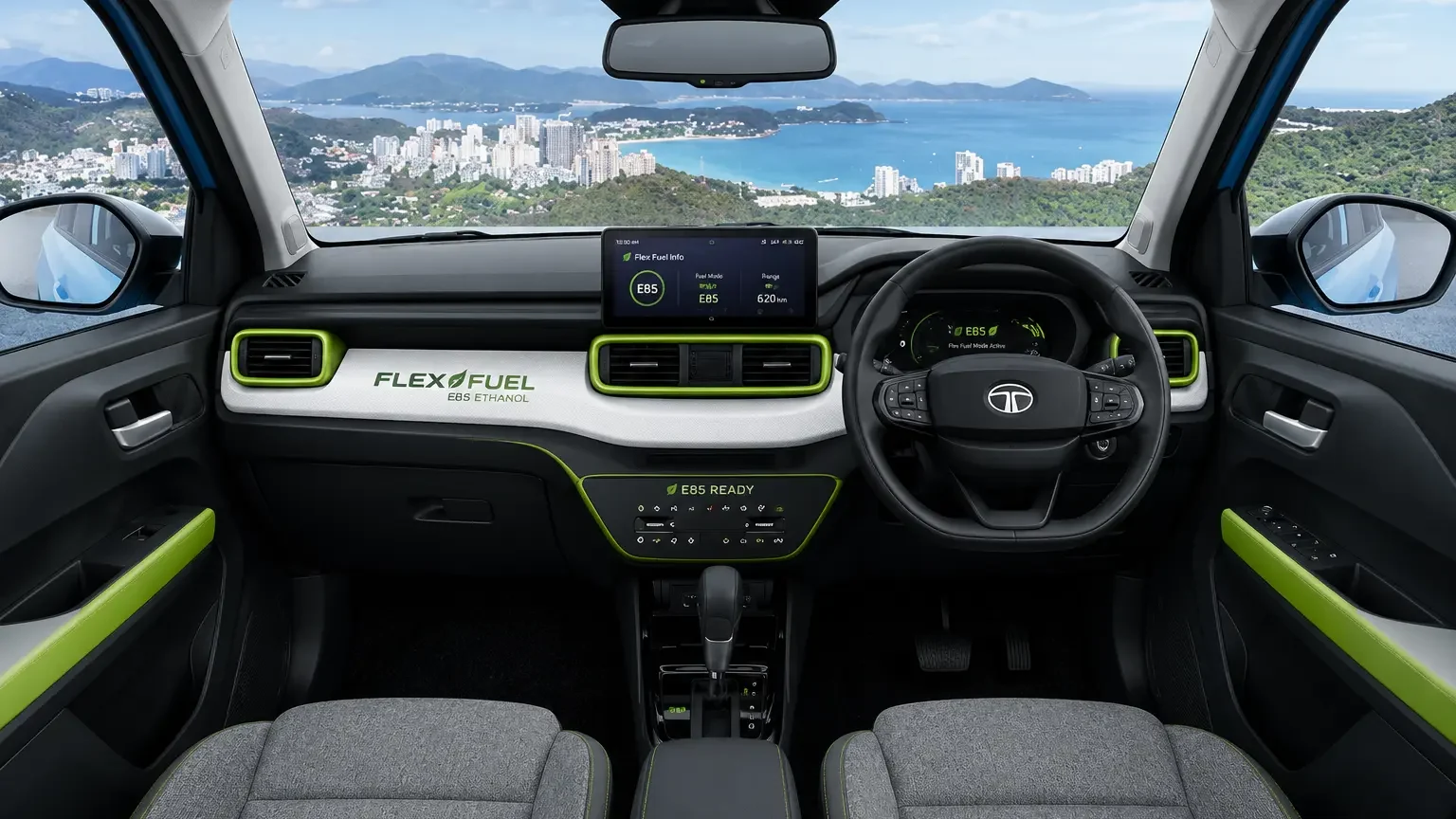
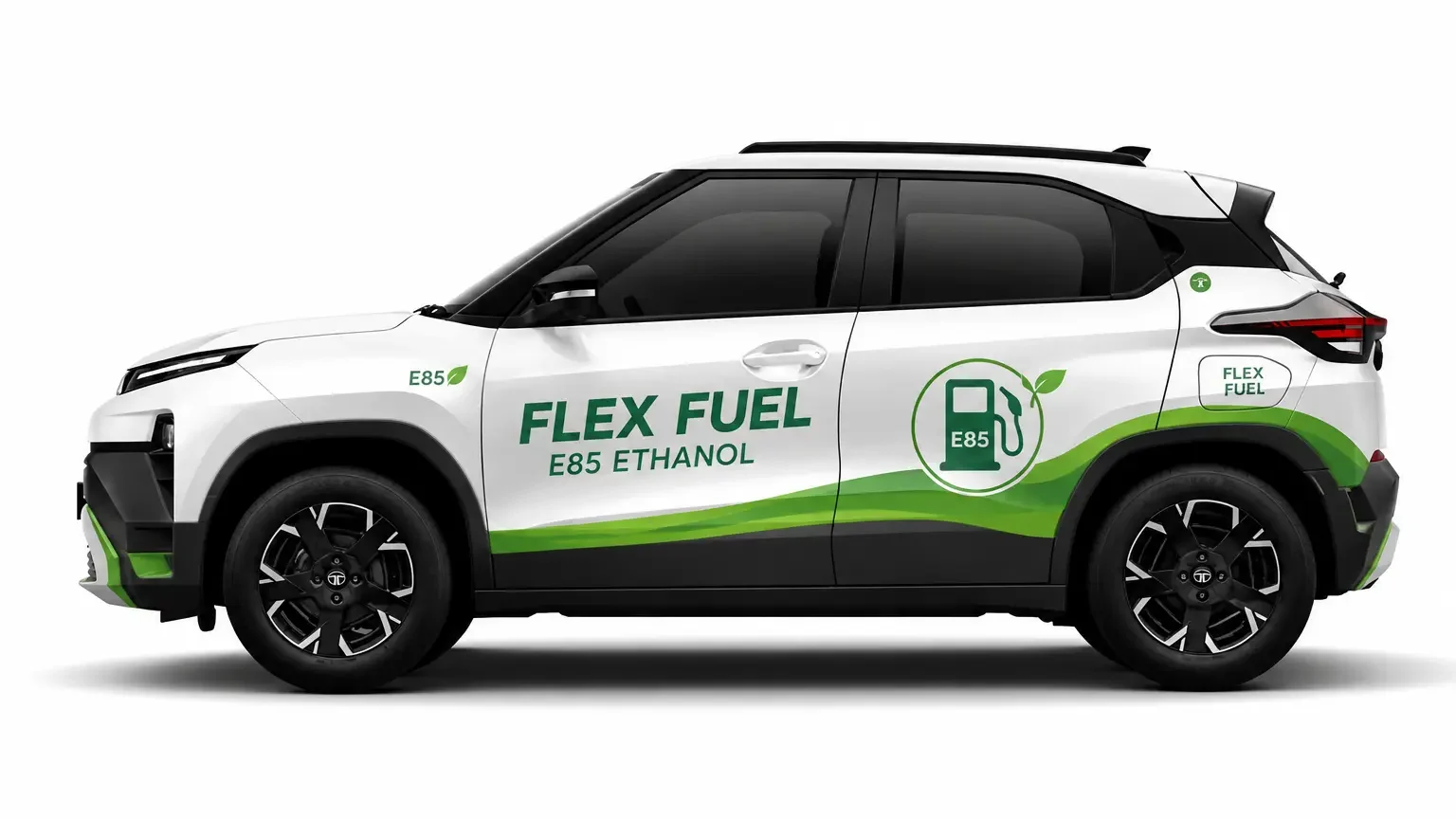
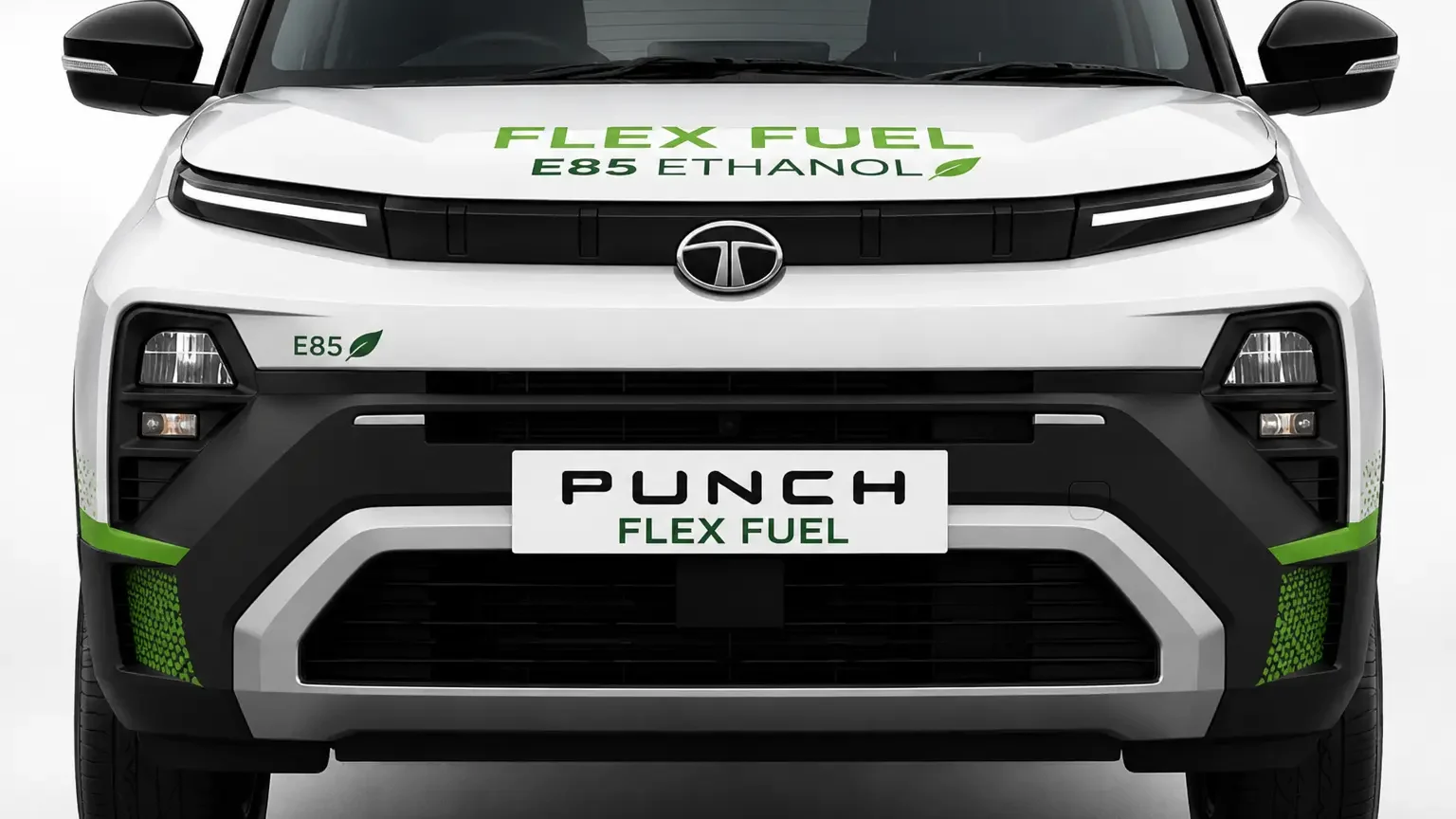
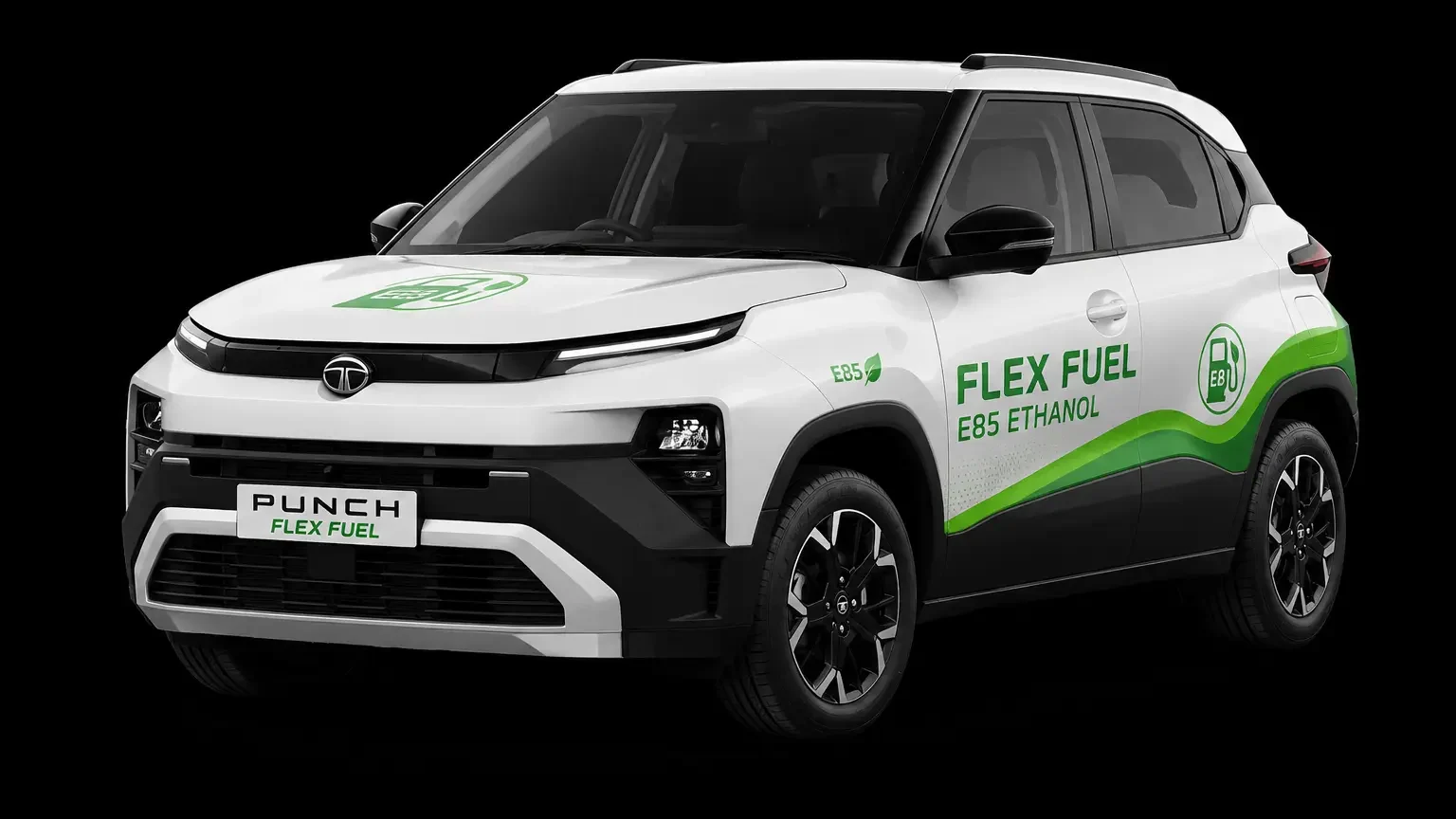
Recent reports suggest the vehicle may be linked to Tata Motors’ ongoing flex-fuel development program, raising questions about whether the company is preparing an E85-compatible version of the Punch. If true, it would represent another significant step in Tata’s broader strategy of diversifying powertrain options while preparing for future fuel technologies. More importantly, it could eventually give buyers another alternative beyond conventional petrol, diesel, CNG, and electric powertrains.
For now, Tata has not officially confirmed anything. Yet the timing of these sightings, combined with the industry’s growing focus on ethanol-blended fuels, has generated considerable interest. The possibility of India’s best-selling micro SUV experimenting with E85 technology is enough to make enthusiasts and industry observers pay close attention.
Also Read:- Next-Gen Tata Tiago vs Hyundai Grand i10 Nios: Did Tata Just Kill the 4-Cylinder Advantage?
Why This Test Vehicle Is Generating So Much Interest
At first glance, the test vehicle may not appear dramatically different from the standard Punch currently on sale. However, development vehicles often hide their biggest changes beneath familiar bodywork. Manufacturers frequently use existing models as test beds when evaluating new powertrains, software calibrations, fuel systems, or emission-control technologies.
That is exactly why this latest sighting matters. More importantly, it suggests Tata may be evaluating technologies that extend beyond conventional petrol and CNG solutions. Reports indicate the test vehicle could be associated with flex-fuel validation, an area that has gained increasing importance as the Indian automotive industry explores alternative fuel solutions. The development also aligns with India’s broader ethanol-blending roadmap, which has encouraged manufacturers to evaluate technologies capable of supporting higher ethanol concentrations in the future.
Unlike conventional petrol-powered vehicles, flex-fuel models are designed to operate on varying ethanol blends, including E85, which contains up to 85 percent ethanol and 15 percent petrol. If Tata is indeed testing such technology on the Punch platform, it would signal a long-term commitment to future-ready powertrain solutions. The company has already established itself as a leader in India’s electric vehicle market, but flex-fuel technology represents another pathway toward reducing dependence on traditional fossil fuels.
What An E85-Compatible Tata Punch Could Mean For Buyers
The biggest advantage of flex-fuel technology is flexibility. Vehicles capable of running on higher ethanol blends can potentially benefit from reduced fuel costs while supporting cleaner energy initiatives. Governments and manufacturers around the world continue exploring ethanol-based solutions as part of broader sustainability goals, and India has been actively encouraging higher ethanol blending targets.
For buyers, however, the conversation extends beyond environmental benefits. A successful flex-fuel Punch could offer another ownership option without requiring major changes to driving habits or refuelling routines. Unlike electric vehicles, which depend on charging infrastructure, flex-fuel vehicles continue to use traditional fuel stations while gaining the ability to utilise higher ethanol blends when available.
Of course, widespread adoption depends on infrastructure, fuel availability, pricing, and regulatory support. That is why the testing phase remains so important. Automakers must ensure that engines, fuel delivery systems, and long-term durability standards remain fully compatible with ethanol-rich fuels before any production rollout can take place.
Why This Development Matters More Than It Appears
| Development Area | What The Spy Shots Suggest | Why It Matters For Buyers |
|---|---|---|
| Test Vehicle Spotted After Launch | Tata Is Still Actively Evaluating The Punch Platform | Indicates future updates may already be under consideration |
| Possible E85 Flex-Fuel Testing | Reports Point Towards Flex-Fuel Validation Activities | Could introduce a new alternative fuel option for mainstream buyers |
| Engine & Fuel System Evaluation | Major changes may be hidden beneath familiar bodywork | Manufacturers often test future technologies using existing models |
| Future-Ready Powertrain Strategy | Aligns With India’s Push Towards Higher Ethanol Adoption | Supports long-term fuel diversification efforts |
| Tata’s Multi-Powertrain Vision | EV, CNG, Petrol And Potential Flex-Fuel Development | Expands buyer choice across different usage needs |
| Production Possibility | No Official Confirmation Yet | Development remains speculative and under evaluation |
| Biggest Opportunity | Affordable SUV With Future Fuel Compatibility | Could help the Punch remain competitive for years to come |
| Buyer Takeaway | Worth Monitoring Closely | Existing Punch remains a strong buy while development continues |
Also Read:- India Launches E85 Fuel at Rs 82.12/Litre: 5 Critical Realities Every Car and Bike Owner Must Know
Why Tata’s Broader Strategy Makes This Plausible
The latest sighting becomes even more interesting when viewed within the context of Tata Motors’ recent strategy. Over the past few years, the company has aggressively expanded its electric vehicle lineup while simultaneously investing in multiple future technologies. Rather than relying on a single solution, Tata appears focused on maintaining flexibility as the market evolves.
This approach makes practical sense. India’s automotive landscape remains diverse, with different regions and customer groups adopting new technologies at varying speeds. While EVs continue gaining popularity, alternative solutions such as CNG, hybrid systems, and flex-fuel powertrains could all play important roles during the industry’s transition period.
The Punch is particularly well suited for such experimentation because of its popularity and broad customer base. Testing future technologies on a high-volume platform allows manufacturers to evaluate real-world feasibility while gathering valuable development data. Even if the current test vehicle never reaches production in its present form, the lessons learned could influence future Tata products.
Should Buyers Wait For It?
For most buyers, the answer depends on timing. Anyone planning to purchase a Tata Punch today will still find a proven and well-rounded product that already offers petrol, CNG, and electric alternatives depending on individual requirements. Waiting indefinitely for a future technology that remains unconfirmed rarely makes sense when a vehicle is needed immediately.
However, buyers interested in emerging fuel technologies may find this development worth monitoring. If Tata eventually introduces an E85-compatible Punch, it could become one of the first mainstream SUVs in its category to offer such capability. That would strengthen the model’s appeal among customers looking for future-ready ownership options without stepping into an entirely new technology ecosystem.
For now, the spy shots raise more questions than answers. Yet they also highlight something important about Tata’s direction. The company is clearly continuing to explore multiple paths for the future of mobility rather than placing all its bets on a single solution. If the latest reports prove accurate, the Tata Punch could once again find itself at the centre of an important automotive transition—not because of its SUV credentials, but because of what might be happening beneath the bonnet.