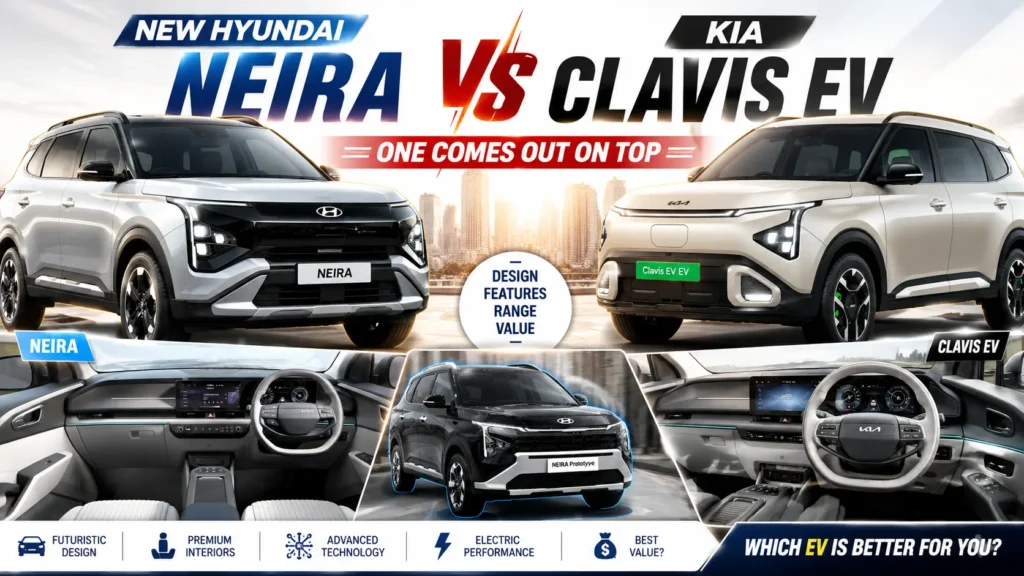
Few upcoming EV comparisons are generating as much curiosity as the Hyundai Neira and Kia Clavis EV. Although both SUVs aim to attract a similar set of buyers, their approach to electric mobility couldn’t be more different. While both vehicles are likely to compete in a similar space, they appear to be built with very different priorities. Hyundai seems ready to deliver a more premium and technology-focused electric SUV, whereas Kia looks set to attract buyers who value practicality, comfort and everyday usability.
Modern EV buyers no longer judge a vehicle only by its claimed driving range or battery capacity. Cabin quality, connected technology, ownership confidence and day-to-day practicality have become equally important factors while choosing an electric SUV. That is exactly where the Hyundai Neira and Kia Clavis EV begin to take different paths, despite targeting a similar audience.
At first glance, both SUVs promise stylish designs, feature-rich interiors and the latest technology. Dig a little deeper, however, and it becomes clear that each model has its own identity. One appears to prioritise premium appeal and innovation, while the other focuses on making electric mobility feel simple, practical and approachable. Here’s how these two upcoming rivals compare.
Both are expected to arrive at a time when Indian buyers have more EV choices than ever before.
Also Read:- New Kia Syros EV Variants Explained—The Top Model Might Surprise You
Two EVs, Two Very Different Personalities
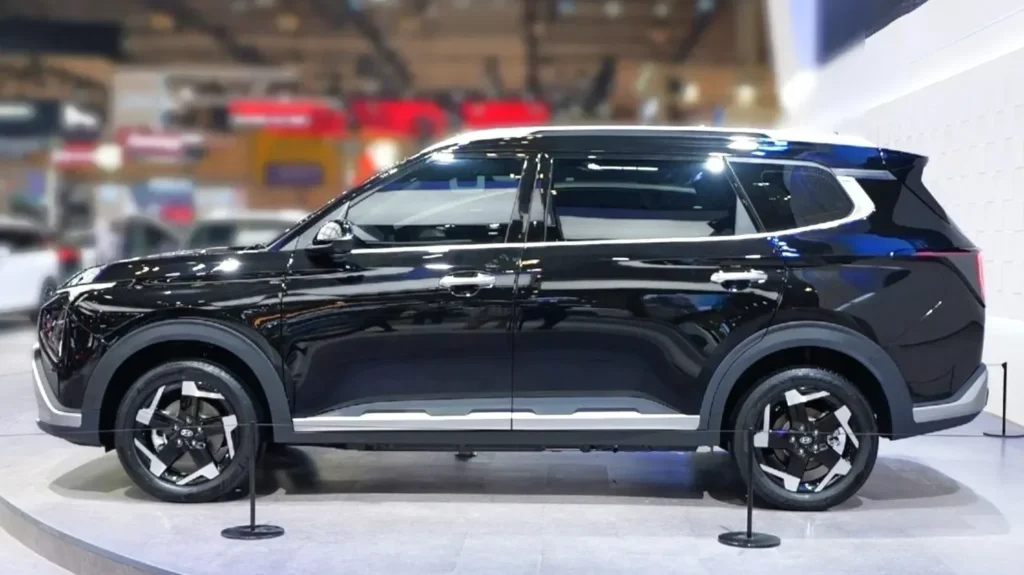
Although the Hyundai Neira and Kia Clavis EV may share similar ambitions, their design philosophies create two distinctly different first impressions. The Neira appears to embrace Hyundai’s modern EV styling language with cleaner body lines, sleek lighting elements and a futuristic road presence. It feels like an SUV designed for buyers who want their electric vehicle to stand out rather than blend into everyday traffic.
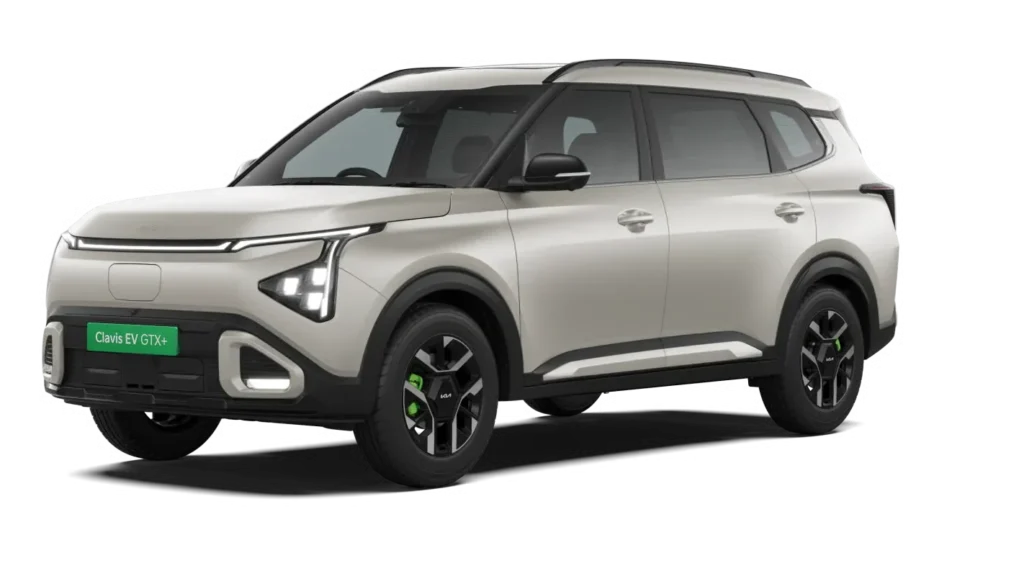
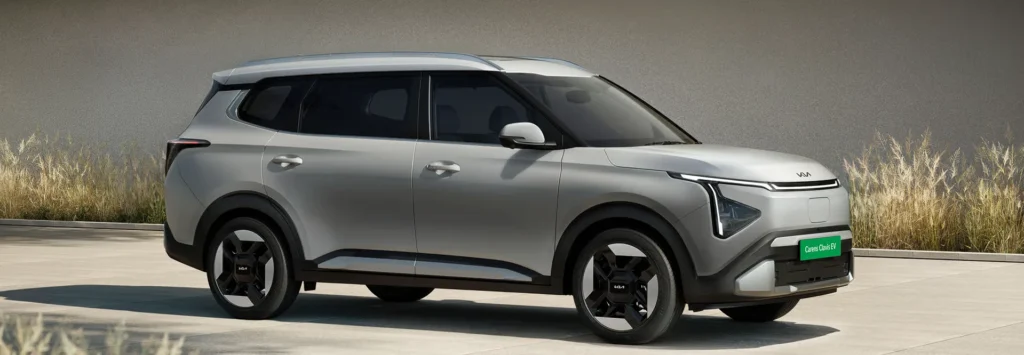
The Kia Clavis EV takes a different route by emphasising a stronger SUV identity. Its upright stance, balanced proportions and practical styling are likely to appeal to customers moving from conventional petrol-powered compact SUVs. Instead of relying purely on futuristic design cues, Kia seems focused on creating an electric SUV that feels familiar, capable and easy to own from day one.
Where These Two EVs Start to Feel Different
Interior quality has become one of the biggest deciding factors for today’s EV buyers. A premium cabin, comfortable seating, intuitive technology and clever storage solutions often leave a stronger impression than headline specifications alone. Both Hyundai and Kia understand this shift, but their execution appears to follow different philosophies.
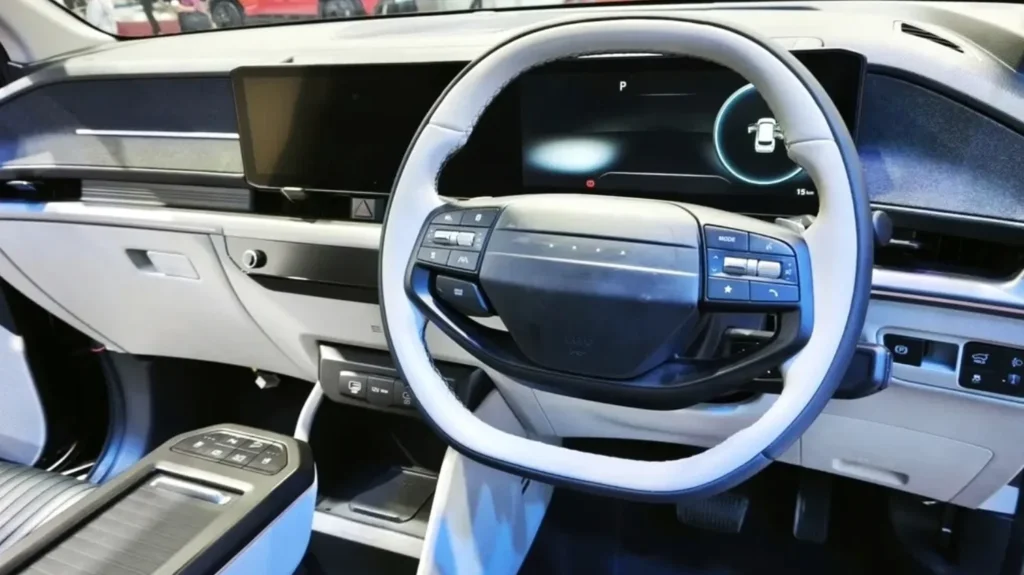
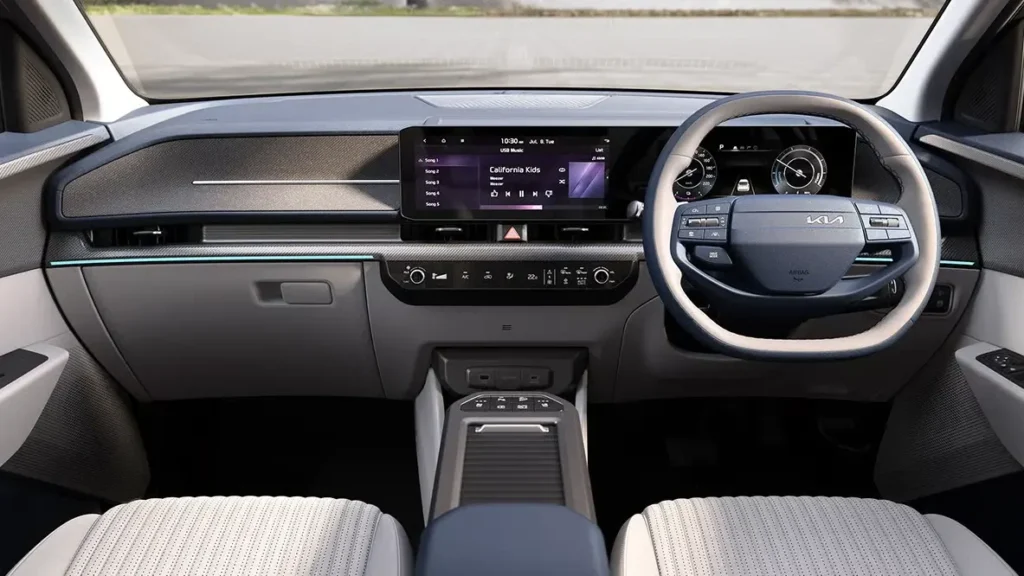
The Hyundai Neira looks ready to offer a more premium cabin environment with a clean dashboard layout, integrated digital displays and a stronger emphasis on connected technology. The Kia Clavis EV, meanwhile, seems to place greater importance on comfort and practicality, offering an interior designed to simplify daily commuting as well as family travel. Rather than trying to impress only with technology, it aims to deliver convenience that owners will appreciate every single day.
Ownership Experience Matters More Than Numbers
As India’s EV ecosystem continues to expand, buyers are looking beyond brochures and specification sheets before making a purchase. Charging convenience, after-sales support, software updates, service accessibility and long-term reliability now influence buying decisions just as much as battery size or claimed range.
This is where both Hyundai and Kia already enjoy a solid reputation. Their growing dealership networks and increasing focus on electric mobility provide reassurance for first-time EV buyers. While official specifications will eventually complete the picture, the overall ownership experience could prove to be the biggest factor separating these two electric SUVs.
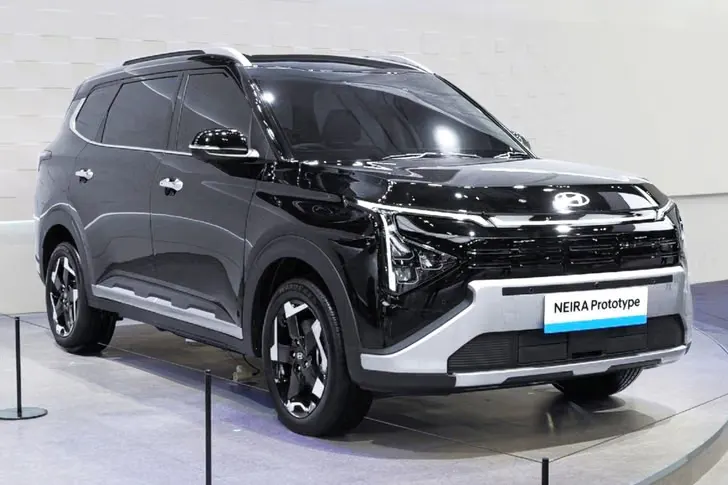
Hyundai Neira vs Kia Clavis EV – Editorial Comparison
| Comparison Area | Hyundai Neira | Kia Clavis EV | Editorial Verdict |
|---|---|---|---|
| Design Character | Futuristic and premium styling | Rugged, SUV-inspired appearance | Hyundai creates the stronger visual impact |
| Cabin Experience | Digital-first and premium-focused | Practical, spacious and family-friendly | Both cater to different buyer priorities |
| Technology | Greater emphasis on connected features | User-friendly convenience features | Hyundai appears to hold a slight edge |
| Practicality | Lifestyle-oriented approach | Better suited to everyday family use | Kia stands out for daily usability |
| Ownership Appeal | Premium EV experience | Confidence through simplicity | Both promise reassuring ownership |
| Ideal Buyer | Urban buyers seeking modern technology | Families and practical commuters | Buyer preference will shape the decision |
| Overall First Impression | Sophisticated and aspirational | Balanced and approachable | Both make a strong impression, but Hyundai currently appears more premium in positioning. |
There’s More to This Battle Than Specifications
The Hyundai Neira and Kia Clavis EV may compete in the same segment, but they are clearly approaching the market from different directions. Hyundai appears focused on attracting buyers looking for a premium electric SUV with a futuristic identity, while Kia seems determined to win over customers who prioritise practicality, comfort and ease of ownership.
That difference in philosophy is what makes this comparison so compelling. Both SUVs have the potential to become strong contenders in India’s growing EV market. The Hyundai Neira currently leads on premium appeal, while the Kia Clavis EV answers back with everyday practicality. The final outcome, however, will depend on pricing, real-world ownership and the value each brand ultimately delivers to buyers.
Also Read:- The Tata Sierra EV Is Finally Here—But Is It Really Worth The Hype?
Driving Character Could Separate These Two EVs
When buyers compare electric SUVs, outright performance is rarely the only deciding factor. Smooth power delivery, predictable handling and everyday driving comfort often leave a much stronger impression than acceleration figures alone. That is why the Hyundai Neira and Kia Clavis EV are likely to stand apart through their overall driving character rather than headline numbers.
Early indications suggest Hyundai is aiming to deliver a more refined and technology-led driving experience, complementing the Neira’s premium positioning. Kia, meanwhile, appears to be focusing on comfort and confidence behind the wheel, making the Clavis EV feel approachable for first-time EV owners as well as families upgrading from conventional SUVs. Both approaches have their strengths, but they cater to different expectations.
The Feature List Is Only Part of the Story
Modern buyers no longer judge an SUV simply by counting the number of features on the brochure. The quality of the infotainment system, the responsiveness of connected services, ease of use and the overall cabin experience often play a much bigger role in everyday ownership than an extra display or an additional convenience feature.
This is where Hyundai and Kia have built strong reputations. Hyundai generally leans towards a more premium digital experience with advanced connectivity and a clean user interface, while Kia focuses on delivering technology that feels intuitive and practical from day one. For many buyers, that difference in execution could prove more valuable than the size of the feature list itself.
Pricing Could Completely Change the Equation
Neither SUV can claim a clear advantage until official prices and variant details are announced. In a highly competitive segment, even a relatively small difference in pricing could significantly influence buying decisions, especially for customers stepping into the EV market for the first time.
If Hyundai manages to justify a premium price through design, technology and refinement, the Neira could appeal to buyers seeking a more aspirational ownership experience. On the other hand, if Kia adopts a more aggressive pricing strategy while maintaining a strong equipment list, the Clavis EV may emerge as the smarter value-focused choice. Pricing is likely to become the factor that shapes this rivalry more than any single specification.
Which EV Is Better Suited to Your Needs?
The Hyundai Neira seems better suited to buyers who want their electric SUV to feel modern, premium and packed with technology. Those who appreciate futuristic styling, connected features and an upscale cabin are likely to find its overall character especially appealing.
The Kia Clavis EV takes a slightly different approach. Instead of chasing a premium image alone, it appears focused on offering a balanced ownership experience centred around practicality, comfort and ease of use. Buyers looking for an everyday family SUV that integrates smoothly into daily life may find Kia’s philosophy better aligned with their expectations.
The Hyundai Neira and Kia Clavis EV represent two different interpretations of what an affordable electric SUV should be. Rather than competing on a single specification, both SUVs are trying to win buyers through two very different ownership philosophies. That contrast is precisely what makes this comparison so compelling.
If Hyundai succeeds in delivering a premium ownership experience without pushing pricing too far, the Neira could emerge as the more desirable package. If Kia combines competitive pricing with its reputation for practicality and value, the Clavis EV could easily become the smarter everyday choice for many families.
Ultimately, the final outcome will depend on official pricing, complete specifications and the real-world ownership experience both brands deliver. One thing, however, already seems certain—the biggest winners from this growing rivalry will be Indian EV buyers, who are set to enjoy more choice, better technology and stronger value than ever before.