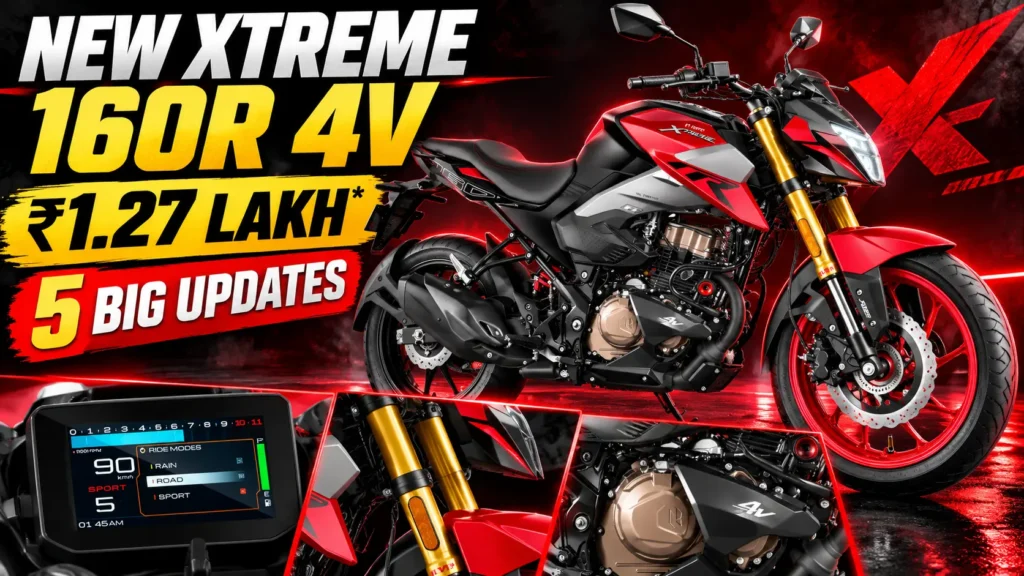
Hero MotoCorp has updated the Xtreme 160R 4V for 2026, bringing sharper styling, revised equipment and new technology to its sporty 160cc motorcycle. With introductory prices starting at ₹1.27 lakh (ex-showroom, Delhi), the refreshed model aims to attract riders looking for aggressive streetfighter styling without moving into a larger engine category.
The biggest talking points are ride-by-wire technology, three riding modes, cruise control and a new colour TFT display on the top Carbon variant. Hero has also revised the motorcycle’s lighting, instrument console and overall design. But not every feature is available on every variant, so choosing the right version is important. Here are the five biggest changes, complete prices and key details buyers should know.
Hero Xtreme 160R 4V Price in India: All Three Variants
The updated motorcycle is available in Standard, Pro and Carbon variants. The Standard is the entry-level option, the Pro adds the key riding technology and hardware upgrades, while the Carbon brings a TFT display and distinctive styling details.
| Xtreme 160R 4V Variant | Introductory price (ex-showroom, Delhi) | Key highlights | Best for |
|---|---|---|---|
| Standard | ₹1.27 lakh | LCD console, telescopic fork, single-channel ABS | Budget-focused buyers |
| Pro | ₹1.37 lakh | Ride-by-wire, cruise control, three riding modes, USD fork, dual-channel ABS | Riders wanting the major upgrades |
| Carbon | ₹1.41 lakh | Pro equipment plus 4.2-inch colour TFT display | Buyers wanting the top-spec version |
Also Read:- BMW F 450 RR Finally Revealed! 420cc Twin-Cylinder Beast, Expected Price & 5 Big Highlights
Xtreme 160R 4V are introductory ex-showroom prices, not final on-road costs. Registration, insurance and applicable dealer charges will increase the amount payable. The ₹10,000 jump from Standard to Pro brings substantial equipment upgrades, while the additional ₹4,000 for Carbon mainly buys the TFT display and top-variant treatment.
Bookings opened of Hero Xtreme 160R 4V on October 17, 2026, with customer deliveries scheduled to begin on November 1. The Standard variant is reported to become available from January 2027, so buyers interested in the lowest-priced version should confirm the delivery timeline with their local Hero dealership before making a booking.
1. Sharper Styling and Updated Lighting
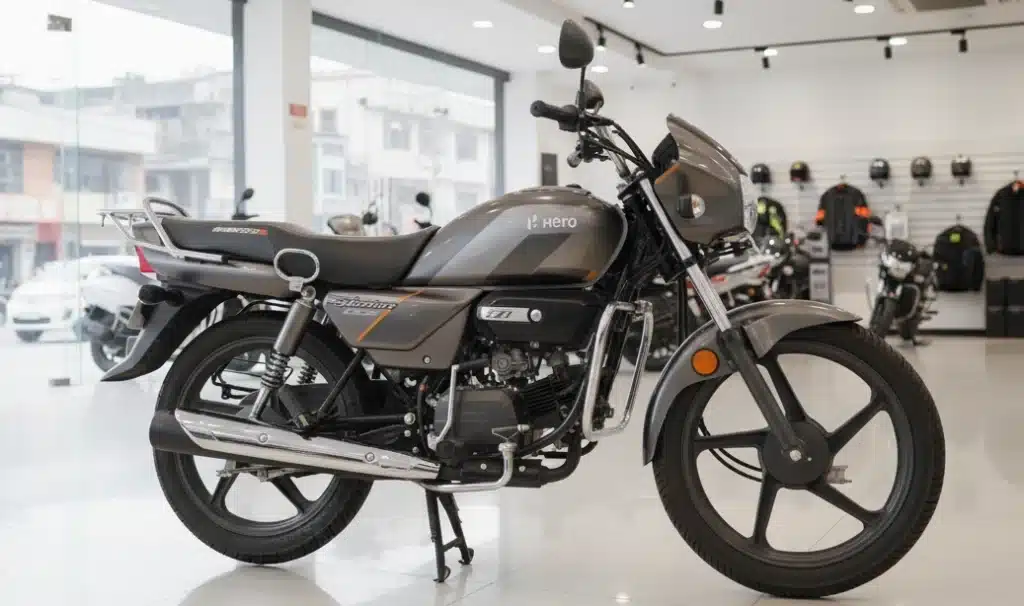
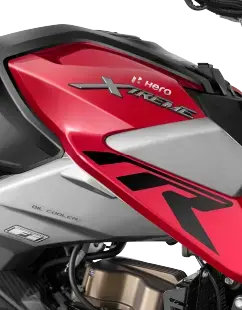
The refreshed Xtreme 160R 4V gets a more aggressive appearance, with redesigned tank shrouds, revised body panels and a stronger streetfighter stance. Hero calls this design language “Cybersharp,” giving the motorcycle a more modern identity while retaining its familiar compact proportions.
The lighting package is another important part of the refresh. Reported updates include an auto-illuminating Class D LED headlamp, projector high beam, ambient light sensor, H-shaped daytime running lights and an H-shaped LED tail lamp. Full-LED indicators complete the updated look.
The Xtreme 160R 4V fuel tank has also been reworked, with attention to knee grip and rider comfort. Buyers can choose from different colour options across the three variants, including Firestorm Red and Pearl Black for Standard, Pro Red and Pro Black for Pro, and Carbon-themed shades for the top variant.
These changes give the motorcycle a fresher road presence, although the overall update is an evolution of the existing Xtreme rather than an entirely new model. Riders should still judge the riding position and seat comfort in person before deciding.
2. More Power From the 164.32cc Engine
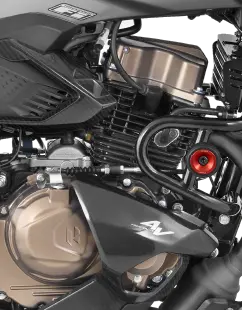
Hero has retained the four-valve, oil-cooled, single-cylinder engine, but the updated model receives a modest increase in peak power. The reported 164.32cc engine now produces 17.1 hp at 8,750 rpm and 14.6 Nm of torque at 6,500 rpm, paired with a five-speed gearbox.
That is an incremental performance upgrade rather than a complete mechanical transformation. The unchanged torque figure means buyers should not expect a dramatic difference in low-speed pulling power based on the published numbers alone. Actual performance will also depend on gearing, throttle response, road conditions and riding style.
Hero has reported a 0–60 km/h acceleration time of 4.4 seconds. This gives buyers a useful performance reference, but real-world results can vary. An independently comparable mileage figure was not established in the launch information reviewed for this article, so it is better not to promise a specific km/l figure without reliable confirmation.
For daily commuters, the engine’s overall refinement, fuel economy and ease of use will matter at least as much as a small increase in peak power. A proper test ride is the best way to judge how the motorcycle feels in stop-and-go traffic and on open roads.
3. Ride-by-Wire, Three Riding Modes and Cruise Control
One of the most significant upgrades is the electronic ride-by-wire throttle system. It enables three riding modes—Rain, Road and Sport—designed to tailor the motorcycle’s response to different conditions and rider preferences. Cruise control is also included in the updated model’s feature package, with the Pro and Carbon offering the more advanced equipment configuration.
Cruise control is an unusual feature in this class and could be useful on suitable open roads where a steady speed can be maintained. It is not intended for congested traffic, and riders must remain attentive and in control at all times.
The Xtreme 160R 4V Standard variant is the more basic option and does not offer the same complete electronic feature package as Pro and Carbon. Buyers should therefore compare the equipment list carefully rather than assuming that the ₹1.27 lakh starting price includes every headline feature.
The real benefit of these systems will depend on how well they work in everyday riding. The three modes, in particular, should be understood as adjustments to the riding experience, not a substitute for careful throttle control or safe riding practices.
Also Read:- New Triumph Street Triple 798 Revealed: BIG 798cc Moto2 Engine, Aggressive New Look & HUGE Upgrade!
4. A 4.2-Inch TFT Display on the Carbon Variant
The Carbon variant receives a new 4.2-inch colour TFT instrument display, replacing the LCD console used on the Standard and Pro. This is one of the clearest reasons to consider the top version, especially for riders who value a more modern cockpit and an upgraded presentation of riding information.
The reported display functions include riding-mode information, gear position, shift advisory, cruise-control status, distance-to-empty information and real-time fuel economy. Smartphone-related functions are also reported, including call and message alerts, music controls, phone battery information and turn-by-turn navigation.
However, buyers should confirm the exact connectivity features and compatible smartphone functions with a dealership before purchasing. The Carbon’s core mechanical package is closely related to the Pro, so the extra ₹4,000 should be evaluated mainly against the value of the TFT display and its additional convenience.
If the display is not a priority, the Pro may offer better value because it already brings the major riding and hardware upgrades. If the premium cockpit is important, Carbon is the variant to consider.
5. Better Hardware and Safety Equipment
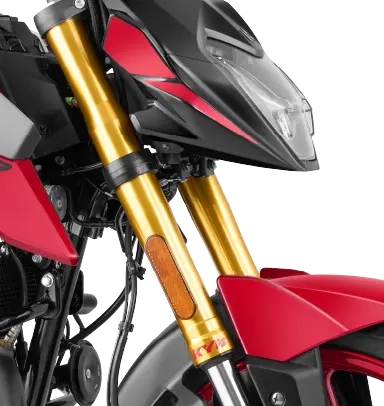
Xtreme 160R 4V variant differences extend beyond styling and electronics. The Standard uses a telescopic front fork and single-channel ABS, while the Pro and Carbon get a 37mm KYB upside-down front fork, a preload-adjustable rear monoshock and dual-channel ABS.
The higher variants also use a 276mm front disc and a 220mm rear disc. Dual-channel ABS provides anti-lock braking assistance at both wheels, making it an important equipment difference to consider when comparing the variants. The motorcycle also features Panic Brake Alert, which is designed to warn surrounding traffic during sudden hard braking.
The Pro and Carbon have a reported seat height of 805mm and kerb weight of 149kg. These figures are useful when assessing whether the motorcycle will be manageable for a rider, although the best way to judge comfort and balance is to sit on it and take a test ride.
Here is a quick specification overview:
| Specification | Updated Hero Xtreme 160R 4V |
|---|---|
| Engine | 164.32cc, oil-cooled, four-valve, single-cylinder |
| Maximum power | 17.1 hp at 8,750 rpm |
| Maximum torque | 14.6 Nm at 6,500 rpm |
| Gearbox | 5-speed |
| Front suspension | Telescopic fork on Standard; 37mm KYB USD fork on Pro and Carbon |
| Rear suspension | Variant-specific rear monoshock setup |
| Braking | Single-channel ABS on Standard; dual-channel ABS on Pro and Carbon |
| Fuel tank | 12 litres |
| Seat height | 805mm on Pro and Carbon |
| Kerb weight | 149kg on Pro and Carbon |

Should You Buy the Updated Hero Xtreme 160R 4V?
The refreshed Hero Xtreme 160R 4V is a more compelling package for riders who want sporty styling and modern features in the 160cc class. The Standard keeps the entry price lower, while the Pro is the more balanced choice for buyers who want cruise control, riding modes, upgraded front suspension and dual-channel ABS.
The Carbon makes sense for riders who specifically want the TFT display and the top-variant experience. Before deciding, compare the actual on-road prices, check the delivery timeline for your preferred variant and take a test ride to assess comfort, braking, throttle response and low-speed handling.
Its rivals include the Bajaj Pulsar NS160 and TVS Apache RTR 160 4V. A proper comparison should consider real-world performance, mileage, service costs, comfort and local dealership support—not just the number of features listed on paper.
Overall, the updated Xtreme 160R 4V is a meaningful equipment and styling refresh rather than a complete reinvention. The Pro appears to offer the strongest balance of technology and value, while the Standard is suited to buyers prioritising price. Carbon is the choice for those who genuinely want the colour TFT display. The right variant ultimately depends on which features you will use regularly and how much the final on-road price fits your budget.