New Delhi | Exclusive Report | 28 December 2025
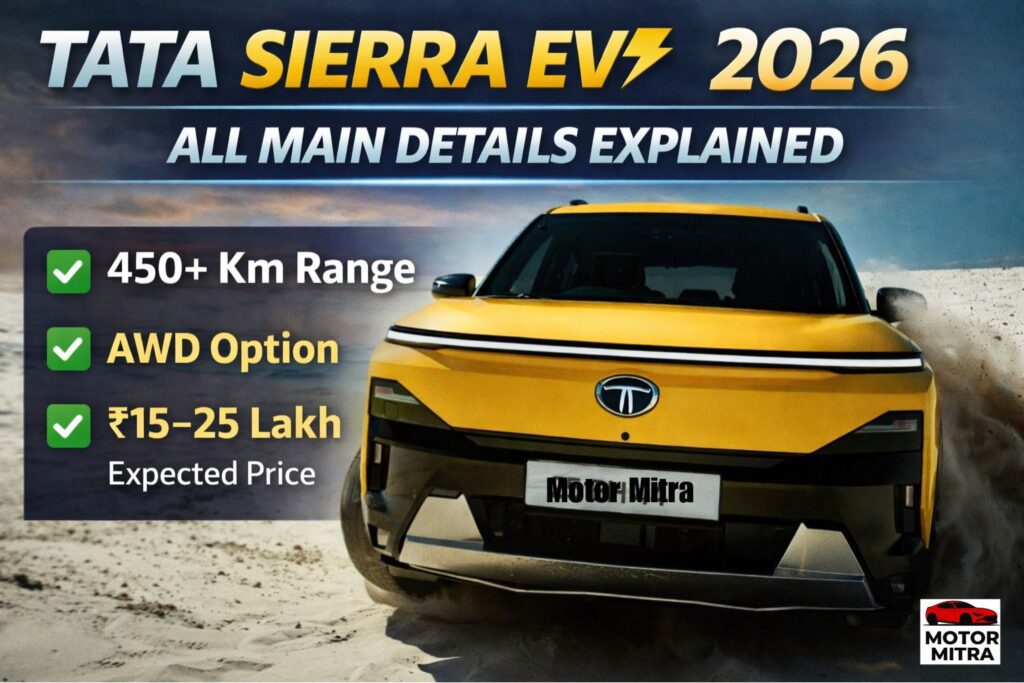
The Indian electric SUV market is bracing for a major shake-up as Tata Motors has officially confirmed the launch of its much-anticipated Sierra EV in calendar year 2026. This isn’t just a revival of the iconic 90s Sierra nameplate—it’s a lifestyle-oriented, feature-packed powerhouse set to storm the mid-size EV segment. Blending nostalgia with cutting-edge electric performance, advanced technology, and unbeatable value, the Sierra EV joins Tata’s growing electric lineup alongside the Nexon.ev, Harrier EV, and upcoming Avinya EV. Tata’s strategy here is crystal clear: flood the market with diverse EVs across price points to accelerate India’s shift toward sustainable mobility. Reports from gaadiwaadi.com highlight how this launch fits perfectly into Tata’s ambitious EV roadmap, which includes multiple new electrified models by 2027 and plans for one million charging points by FY30. With Tata already selling over 250,000 electric cars in India—led by the Nexon.ev, Harrier, Punch, and Tiago—the Sierra EV is poised to push that number even higher.
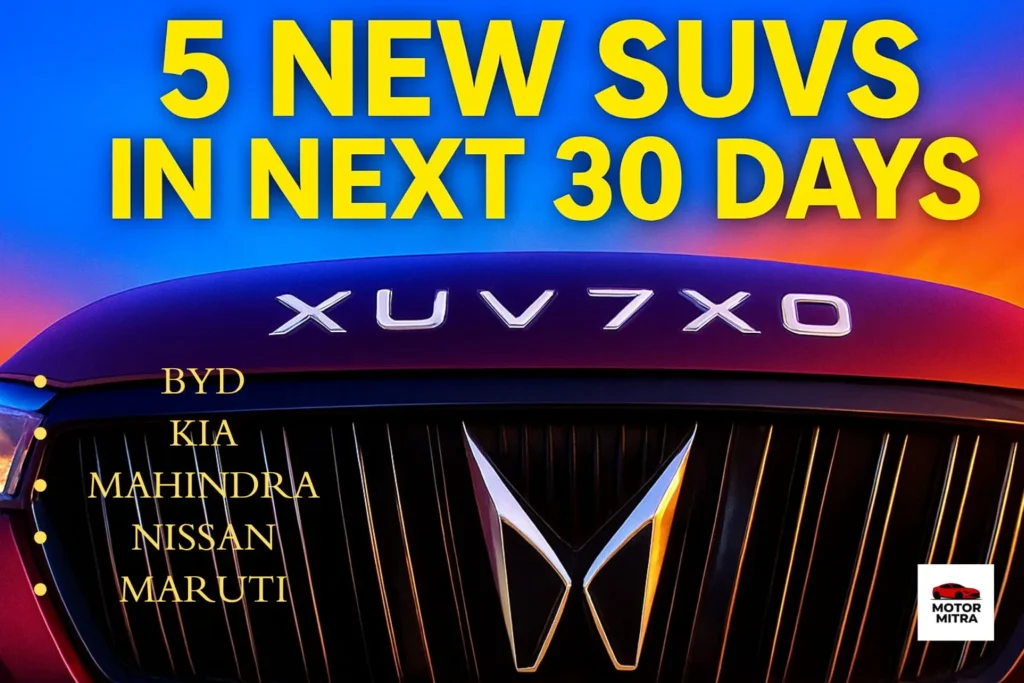
Also Read – 5 New SUV Launches Scheduled in the Next 30 Days in India
Launch timeline sources point to an early-to-mid 2026 debut, with most experts betting on January to March, possibly a grand Republic Day unveiling on January 26. The Sierra EV rides on Tata’s dedicated acti.ev architecture, a flexible EV platform that supports multiple battery sizes and advanced systems for optimal efficiency. Production will happen at Tata’s Indian facilities, sharing components with other EVs like the Nexon and Punch to keep costs down and quality high. Sanand’s massive plant is already geared up for high-volume output, ensuring quick deliveries post-launch. This move reinforces Tata’s dominance in the EV space, especially as the company eyes 20% EV sales by FY27. Navbharat Times notes Tata’s explosive growth, and with FAME III subsidies on the horizon, the Sierra EV arrives at the perfect time to capitalize on rising demand for affordable long-range EVs.
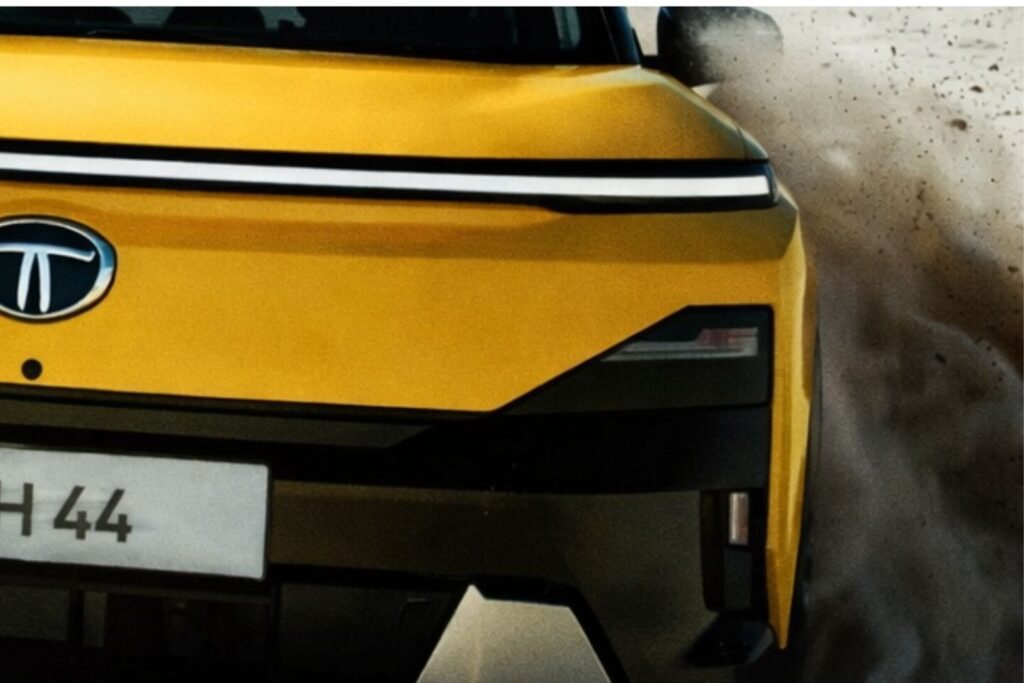
Design-wise, while full production images are still under wraps, spy shots and leaks paint a thrilling picture. The Sierra EV keeps the boxy, upright SUV silhouette that made the original a legend—tall stance, massive glasshouse, and that unmistakable rugged charm. But it’s getting a modern EV twist: a sleek closed front grille for better aerodynamics, slim LED DRLs that slice through the night, flush door handles for a smooth profile, and aero-optimized alloy wheels in 18-19 inch sizes to boost range. The side profile screams retro-futuristic with suicide rear doors for easy access and a coupe-like roofline that turns heads. Rear gets connected LED taillights and a sporty diffuser, while dual-tone color schemes like Starlight Silver with black roof or Cinnamon Brown with white accents add premium flair. Expect RWD as standard for urban agility, with AWD options in top trims for off-road enthusiasts or snowy exports. Gaadiwaadi and CarWale confirm this heritage-meets-future design will make it a standout against cookie-cutter rivals.
Also Read – Best Electric Scooters Under 1 Lakh in India 2026: Top Picks, Prices, Range & Features
Diving into specs, Tata hasn’t dropped official numbers yet, but industry leaks and spy data from EVINDIA and CarDekho give a solid preview. Battery choices look like 65 kWh and 75 kWh packs, delivering a real-world range of 450-550 km per charge—enough for Mumbai to Pune round trips without a sweat. ARAI figures could touch 500+ km, with efficiency modes stretching it further in the city. Power comes from single or dual motors pumping 150-200 bhp and instant torque for 0-100 km/h in under 8 seconds. RWD keeps it nimble for daily drives, while AWD adds grip for adventures. Charging is a breeze with 150 kW DC fast-charging—80% in 30 minutes—and V2L capability to power home appliances or camping gear. The acti.ev platform shines here with flat-floor design for more cabin space, better weight distribution, and top-tier safety structures aiming for 5-star Global NCAP ratings. Regenerative braking and multiple drive modes ensure every mile counts, making it a highway hero and city slicker.
Inside, the Sierra EV promises a tech-loaded cabin that punches above its price. Expect a triple-screen setup: a 12.3-inch digital driver’s cluster, massive central touchscreen for infotainment, and perhaps a passenger display. Wireless Android Auto/Apple CarPlay, OTA updates via iRA 2.0 connected tech, and voice commands make it smartphone-smart. Level-2+ ADAS brings adaptive cruise, lane-keep assist, auto emergency braking, blind-spot alerts, and self-parking to ease congested drives. Dual-zone AC, ventilated/power seats, panoramic sunroof, and JBL premium audio elevate comfort. Ambient lighting, wireless charging, 360-degree cameras, and AR heads-up display add wow factor. Rear passengers get USB-C ports, air vents, and fold-flat seats for 500+ liter boot space. Premium leatherette, soft-touch materials, and suicide doors make it family-friendly yet youthful—perfect for Gen Z buyers craving style and substance. Gaadiwaadi reports suggest this interior will rival luxury EVs at mainstream prices.
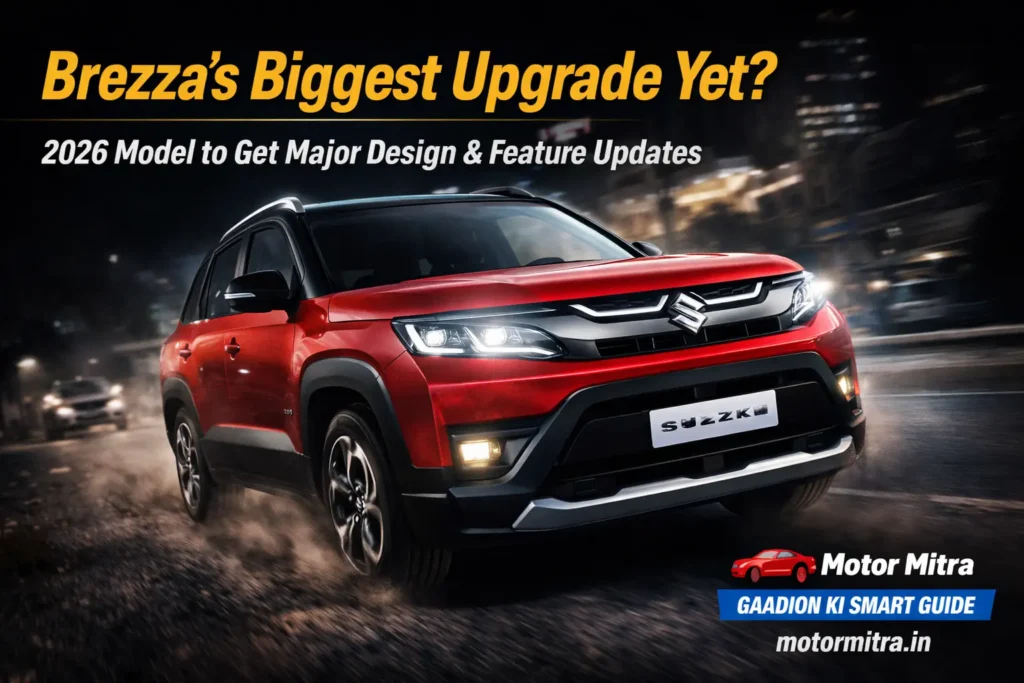
Also Read – Big Update Coming for Brezza? 6 Major Changes Expected in 2026 Maruti SUV
Pricing is where Tata plays its masterstroke. Expect ex-showroom tags from ₹15 lakh to ₹25 lakh, undercutting rivals while packing more features. Base RWD models hit ₹15-18 lakh, mid trims with bigger batteries around ₹20 lakh, and loaded AWD toppers at ₹23-25 lakh. Introductory discounts and FAME III benefits could shave off another ₹1-2 lakh, making ownership cheaper than a diesel Creta. Tata’s 95% localization keeps service costs low, and an 8-10 year battery warranty seals the deal. Kingsway Accessories pegs this strategy as a volume winner, especially with Tata’s nationwide service network.
Competition heats up fast in this segment. The Sierra EV squares off against Hyundai Creta EV, Mahindra BE.6 and XUV 9EV, MG ZS EV facelift, and BYD Atto 3. But with iconic design, superior range, AWD options, and Tata’s ecosystem—think TATA Power’s 5,000+ chargers—it has a clear edge. Harrier EV and Nexon.ev siblings mean shared parts and familiarity. CarDekho analysis shows Tata leading EV sales, and Sierra EV could grab 10-15% segment share in year one. Exports to Australia, Europe, and Southeast Asia add global appeal, boosting brand prestige. Challenges like charging infra persist, but Tata’s investments address them head-on.
In conclusion, the confirmed 2026 Sierra EV launch is a game-changer. It leverages Tata’s EV expertise, nostalgic pull, competitive specs, and smart pricing to conquer the electric SUV space. Whether you’re ditching petrol for green drives or chasing premium thrills on a budget, this Sierra revival delivers. Bookings open early 2026—get ready for the electric revolution. What color Sierra EV would you pick?
For more such updates and latest news on cars and bikes stay connected to motormitra.in
Thank you ..