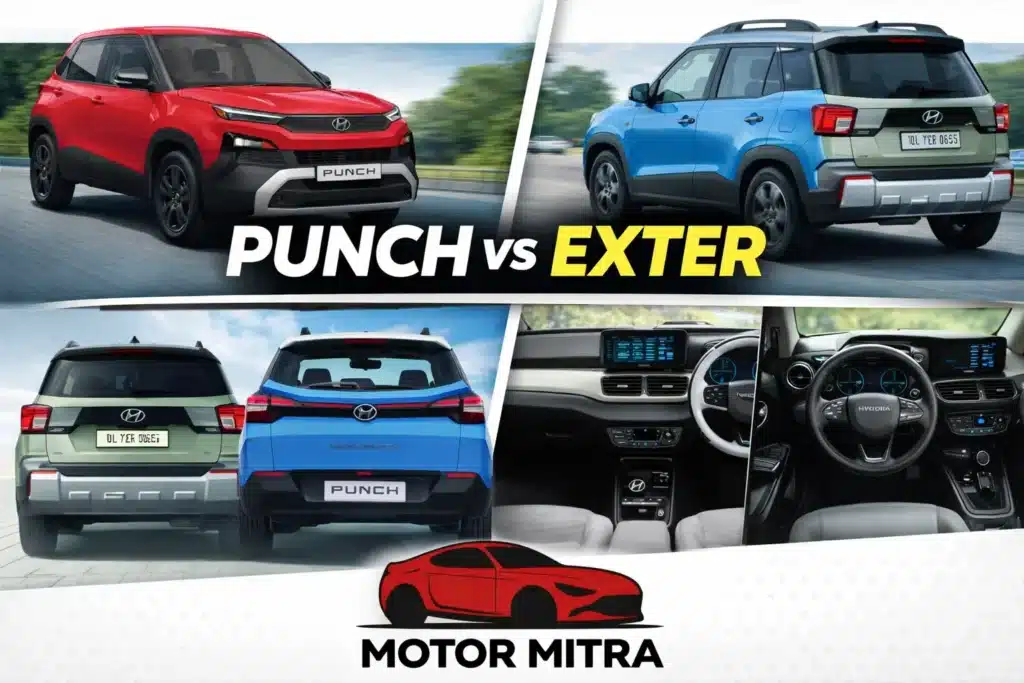
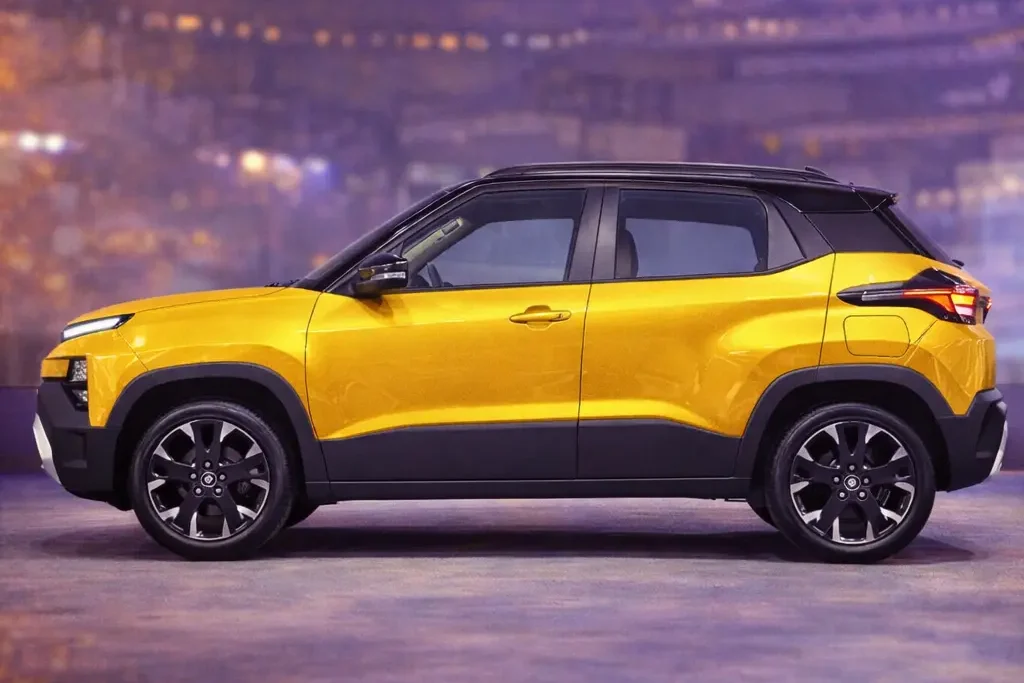
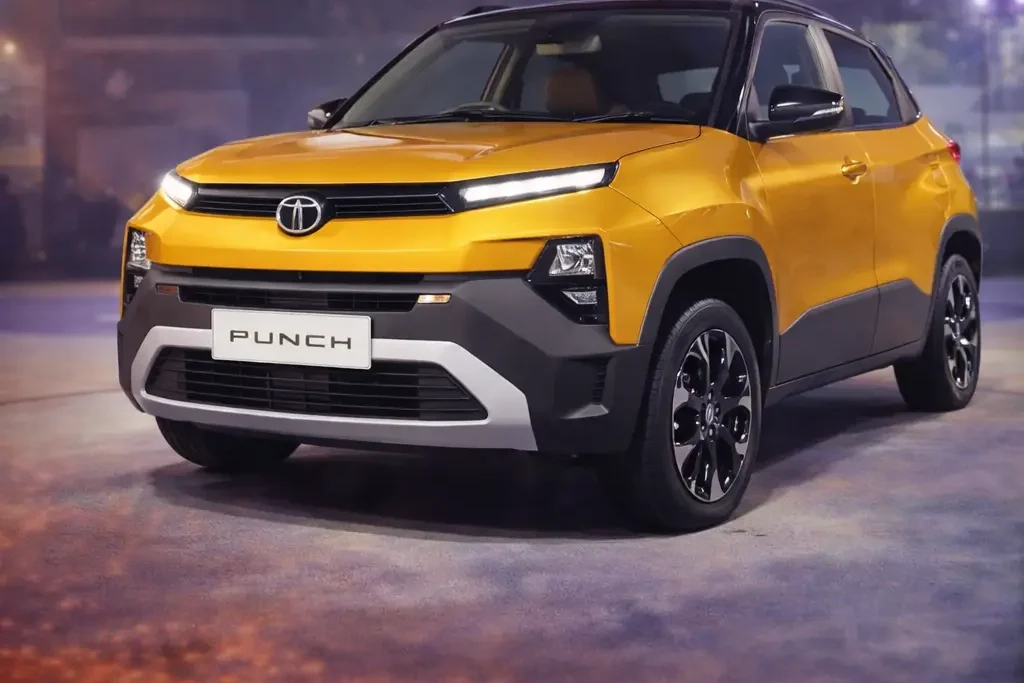
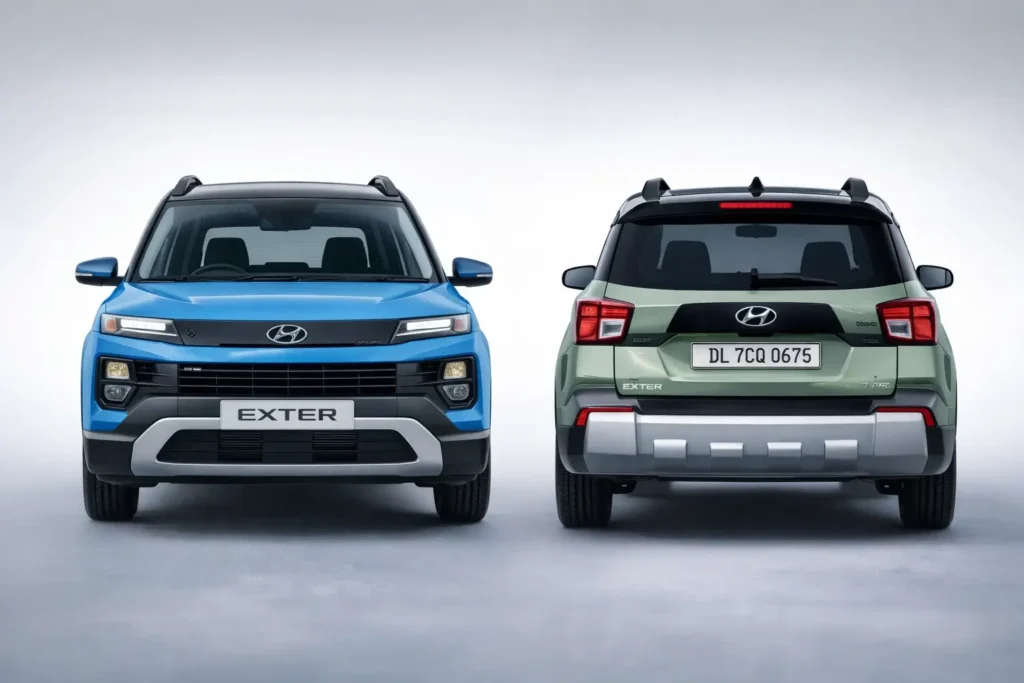
The Indian micro-SUV space is heating up rapidly, and the comparison between the Tata Punch 2026 and the Hyundai Exter has once again grabbed attention on social media. As seen in the viral comparison image, both models are positioned as compact, urban-friendly SUVs, but their approach to performance, safety, and overall value differs significantly. For buyers planning to enter the SUV segment without stretching their budget, this comparison becomes especially relevant.
Engine and Performance
From a powertrain perspective, the Tata Punch 2026 clearly appears more versatile and performance-oriented. The image highlights three distinct engine options for the Punch. The standard 1.2-litre petrol engine produces 88 PS of power and 115 Nm of torque, offering a balanced mix of drivability and efficiency for daily use. For buyers prioritising lower running costs, Tata also offers a petrol-CNG version, which generates 73.5 PS and 103 Nm, making it suitable for high-mileage urban usage.
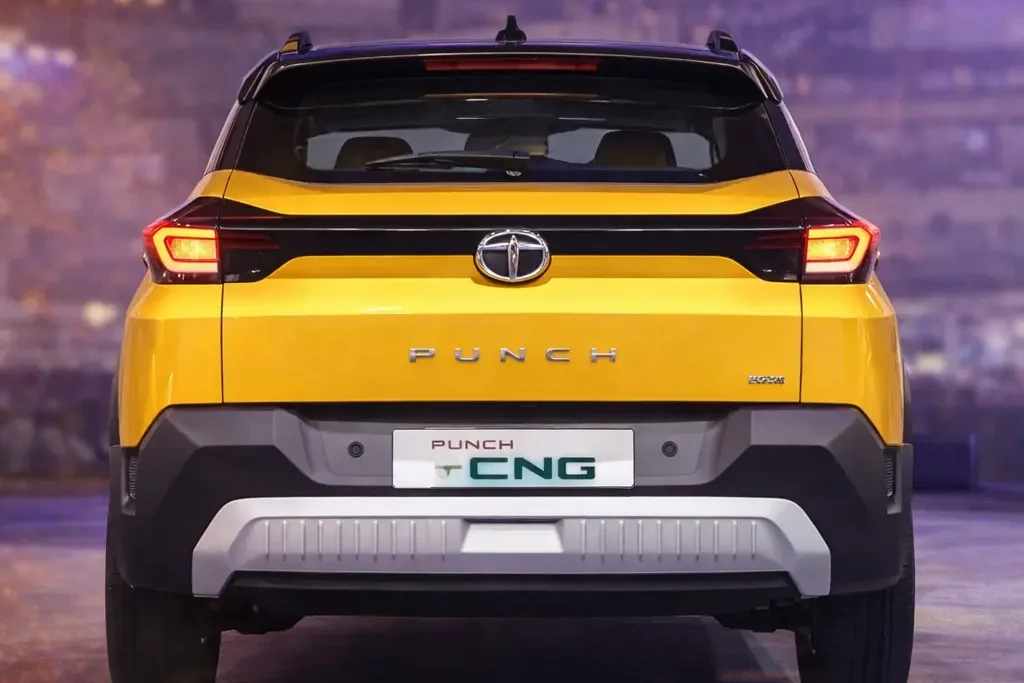
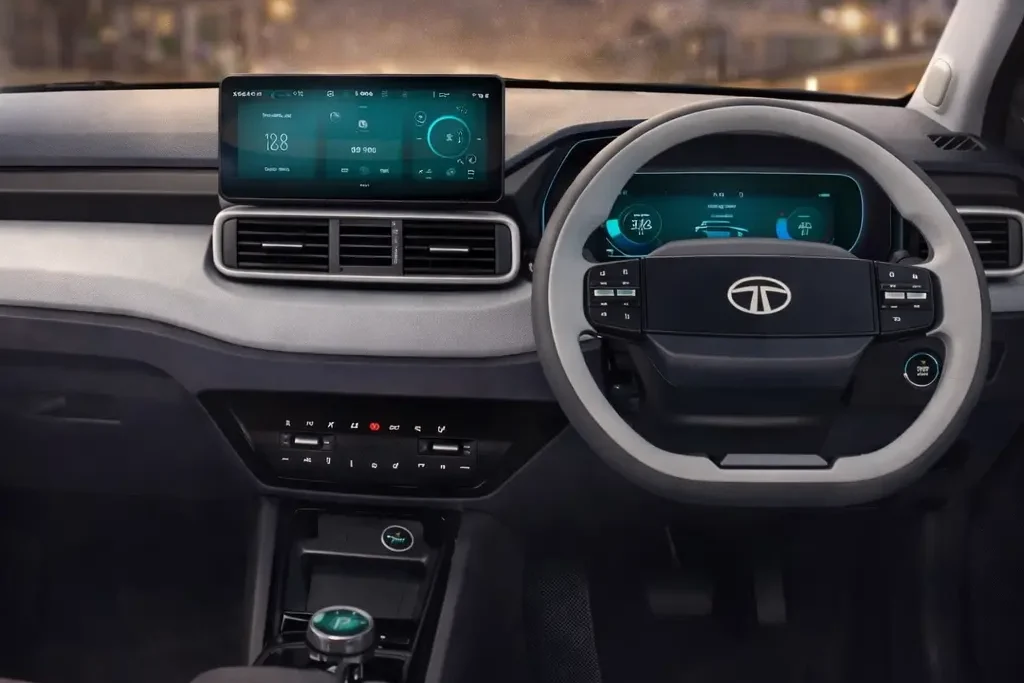
The most striking option, however, is the 1.2-litre turbo petrol engine. With 120 PS of power and 170 Nm of torque, this variant positions the Punch as one of the most powerful cars in the micro-SUV category. This turbo option gives Tata a significant edge, especially for buyers who want strong highway performance and quicker acceleration without moving to a larger SUV.
Hyundai Exter, on the other hand, follows a more conservative engine strategy. As shown in the image, the Exter is offered with a 1.2-litre naturally aspirated petrol engine producing 82 PS and 113 Nm. There is also a lower-tuned version delivering 68 PS and 95 Nm. While these figures are adequate for city driving, they fall short when compared directly with the Punch, particularly against the turbo-petrol variant. Notably, the image does not indicate any turbocharged or CNG option for the Exter, which limits its appeal for buyers looking for either performance or alternative fuel choices.
Safety Credentials
Safety is one area where the difference between the two cars becomes even more pronounced. According to the image, the Tata Punch carries a 5-star safety rating. This reinforces Tata Motors’ growing reputation for building structurally strong vehicles and prioritising occupant protection, especially in the affordable car segments. For families and safety-conscious buyers, this rating alone can be a decisive factor.
In contrast, the Hyundai Exter is marked as “not tested” in the image. While Hyundai vehicles are generally perceived as reliable and well-built, the absence of an official crash-test rating creates uncertainty. In a market where buyers increasingly value safety scores, this lack of certification puts the Exter at a disadvantage when compared directly with the Punch.
Overall Character and Market Positioning
Beyond numbers, the image also reflects the differing philosophies of the two manufacturers. Tata Punch is positioned as a rugged, go-anywhere micro-SUV. Its broader engine lineup, including a turbo option, and its strong safety credentials suggest that Tata is targeting buyers who want a small SUV that feels tough, capable, and future-ready.
Hyundai Exter, in comparison, appears to be designed with urban users in mind. Its petrol-only approach and moderate power outputs indicate a focus on smooth driving, ease of ownership, and everyday usability. While it may appeal to buyers who prioritise comfort and brand familiarity, it lacks the performance variety and safety clarity that many modern buyers are beginning to expect.
Verdict Based on Image Data
Judging strictly by the information shown in the image, the Tata Punch 2026 emerges as the more comprehensive package. It offers stronger engine options, including a class-leading turbo petrol, a practical CNG variant, and a proven 5-star safety rating. These factors make it particularly attractive for buyers seeking long-term value, safety assurance, and flexibility in usage.
The Hyundai Exter still holds relevance as a city-friendly micro-SUV with Hyundai’s established brand trust, but on paper, it appears limited in comparison. The absence of a turbo engine, lack of alternative fuel options, and untested safety rating make it less compelling when placed directly against the Punch.
The Tata Punch 2026 vs Hyundai Exter comparison highlights how competitive and demanding the Indian entry-level SUV market has become. Buyers today are no longer satisfied with just styling and brand name; they want performance, safety, and multiple ownership choices in one package. Based solely on the specifications and details visible in the image, the Tata Punch 2026 clearly sets a higher benchmark in the micro-SUV segment, while the Hyundai Exter caters more narrowly to urban-focused buyers.
As the segment continues to grow, this rivalry will play a key role in shaping buyer expectations, but for now, the numbers strongly favour Tata’s approach.
For more such updates and latest news on cars and bikes stay connected to motormitra.in
Thank you .