

Tata Motors is set to launch the new Tata Aeris in India today, September 25, 2026, bringing a heavily redesigned compact sedan to the market. The Tata Aeris is essentially the successor to the Tata Tigor, but this is more than a simple cosmetic facelift. Tata has given the sedan a substantially refreshed exterior, a more modern cabin and a wider technology package, while continuing to target buyers looking for an affordable and practical four-door car.
The new Aeris will be available in petrol and CNG versions, while an electric version is also expected to join the range. With the Maruti Suzuki Dzire, Hyundai Aura and Honda Amaze already competing in this segment, Tata’s pricing and variant strategy will be crucial. Here is everything buyers should know about the new Tata Aeris before booking one.
A Major Design Change Makes the Tata Aeris Look Much Newer
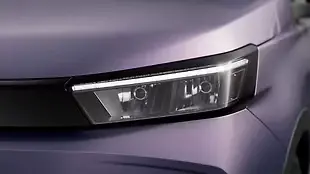
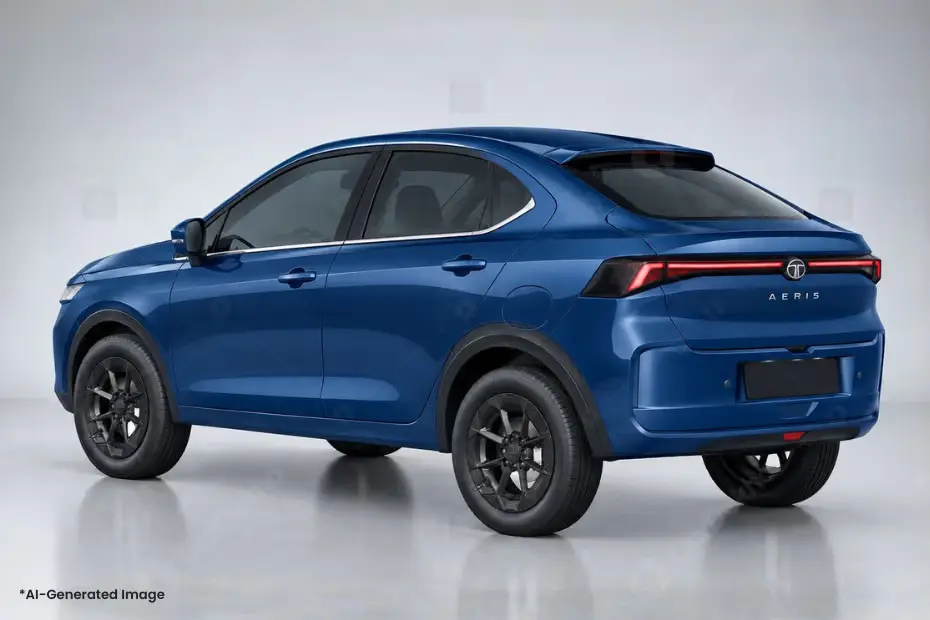
The biggest attraction of the Aeris is its redesigned exterior. Tata has moved away from the familiar Tigor look and introduced a sharper front fascia with slimmer lighting elements, revised bumpers and new design details. The sedan also gets redesigned LED lighting and fresh alloy-wheel styling, giving it a more contemporary appearance than the outgoing model.
The overall silhouette still retains the compact notchback-style proportions associated with the Tigor, but the new sheet-metal changes make the Aeris look considerably different. The front and rear sections have received the most noticeable treatment, while the new lighting signatures give the sedan a more modern road presence. Tata has also previewed the car through official teasers, while leaked images ahead of the launch have revealed additional exterior details.
For buyers who want a compact sedan but do not want an overly conservative design, this visual transformation could be one of the Aeris’ biggest attractions. It also gives Tata a fresh product to take into the festive-season buying cycle.
Also Read:- Tata Aeris Teaser SHOCKS! “STOP BORING” New SUV Revealed With Bold Lights & Black Alloys
Interior Gets the Technology Buyers Now Expect
The cabin is another major area of improvement. The latest interior teaser shows a more modern dashboard inspired by Tata’s newer cabin designs, along with a digital instrument cluster and a centrally mounted touchscreen infotainment system. The dashboard gets a lighter two-tone treatment, while the new steering wheel and revised centre-console layout give the cabin a more contemporary appearance.
Depending on the variant, the Aeris is expected to offer a large touchscreen infotainment system, wireless Android Auto and Apple CarPlay, wireless phone charging, cruise control, automatic climate control and a 360-degree camera. Other expected convenience features include rear AC vents, Type-C charging ports, electrically adjustable and foldable ORVMs and additional cabin storage.
The higher variants are also expected to receive a stronger technology package, making the Aeris considerably more feature-rich than the outgoing Tigor. However, buyers should wait for Tata’s final variant-wise equipment list before assuming that every feature will be available across the range.
Petrol and CNG Powertrains Continue, While EV Adds Another Choice
The petrol and CNG versions of the Tata Aeris are expected to carry forward Tata’s familiar 1.2-litre three-cylinder engine. The petrol version is reported to produce 84 bhp and 113 Nm, while the CNG version is expected to produce 72 bhp and 96.5 Nm. Transmission choices are expected to include a five-speed manual and five-speed AMT, while reports also point to a CNG-AMT option.
For city buyers covering high monthly kilometres, the factory-fitted CNG version could be particularly relevant because it combines the compact-sedan format with the potential for lower running costs. The exact certified mileage figure, however, should be checked once Tata publishes the official figures. Real-world mileage will naturally depend on traffic, driving style, load and road conditions.

The Tata Aeris EV will add an electric alternative to the lineup. It is expected to be based on the existing Tata electric-car architecture and offer a different powertrain from the petrol and CNG models. Reports have suggested multiple battery configurations, but the final battery capacity, certified range, charging specifications and variant details should be considered confirmed only after Tata’s official announcement.
| Tata Aeris 2026 | Key Details |
|---|---|
| Body Style | Sub-4-metre compact sedan |
| Petrol Engine | 1.2-litre, 3-cylinder |
| Petrol Output | 84 bhp, 113 Nm |
| CNG Output | 72 bhp, 96.5 Nm |
| Gearbox | 5-speed manual & AMT expected |
| CNG-AMT | Expected |
| EV Version | Expected alongside ICE versions |
| Infotainment | Large touchscreen expected |
| Safety | Six airbags, ESC and other safety equipment expected |
| Main Rivals | Maruti Suzuki Dzire, Hyundai Aura, Honda Amaze |

Also Read:- New Hyundai Bayon Global Debut on October 12! Bold New SUV Design Revealed Ahead of Paris Motor Show
Expected Price, Mileage and What Buyers Should Check Before Booking
The final price of the Tata Aeris is expected to be announced at launch today. Current pre-launch estimates place the petrol version around the ₹6 lakh mark at the entry level, although the actual ex-showroom price could vary depending on the variant and equipment. The Aeris is expected to carry a slight premium over the outgoing Tigor because of its redesigned body and additional equipment.
Mileage will depend heavily on the chosen powertrain. Petrol buyers should wait for Tata’s official certified figure, while CNG buyers will naturally focus more on fuel economy and running costs. For the EV, range and charging capability will be the most important numbers to check once Tata officially reveals the complete specifications.
Before booking the Aeris, buyers should therefore look beyond the starting price. The most important things to check are the final variant-wise features, official petrol and CNG mileage, CNG tank and boot practicality, EV battery and range, charging time, rear-seat space, boot capacity, safety equipment, warranty coverage and the actual on-road price in their city.
The choice of powertrain will also depend on how the car is going to be used. A buyer who drives mainly inside the city and covers a high monthly distance may prefer CNG, while someone looking for straightforward long-distance usability may find petrol more convenient. Buyers with regular access to home charging, meanwhile, may find the EV more suitable for predictable daily commuting.
The Tata Aeris will also need to prove itself against established compact sedans. The Maruti Suzuki Dzire remains a familiar choice for buyers prioritising efficiency and widespread ownership support, while the Hyundai Aura and Honda Amaze bring their own strengths in this segment. Tata’s advantage will come from the Tata Aeris’ fresh styling, equipment package and availability of multiple powertrain options.
The new Tata Aeris is therefore shaping up to be a much more substantial update than the name change alone suggests. Its sharper exterior, more modern cabin, upgraded technology and petrol, CNG and EV possibilities give Tata a fresh opportunity in India’s compact-sedan market. The biggest unanswered question before the official launch is no longer what the car looks like, but how Tata will price and position each variant.
Once the official price, complete feature list, mileage figures and EV specifications are announced, buyers will have a much clearer picture of where the Aeris stands. For now, its combination of a fresh design, practical sedan format and multiple powertrain choices makes it one of the most closely watched new Tata launches of September 2026.