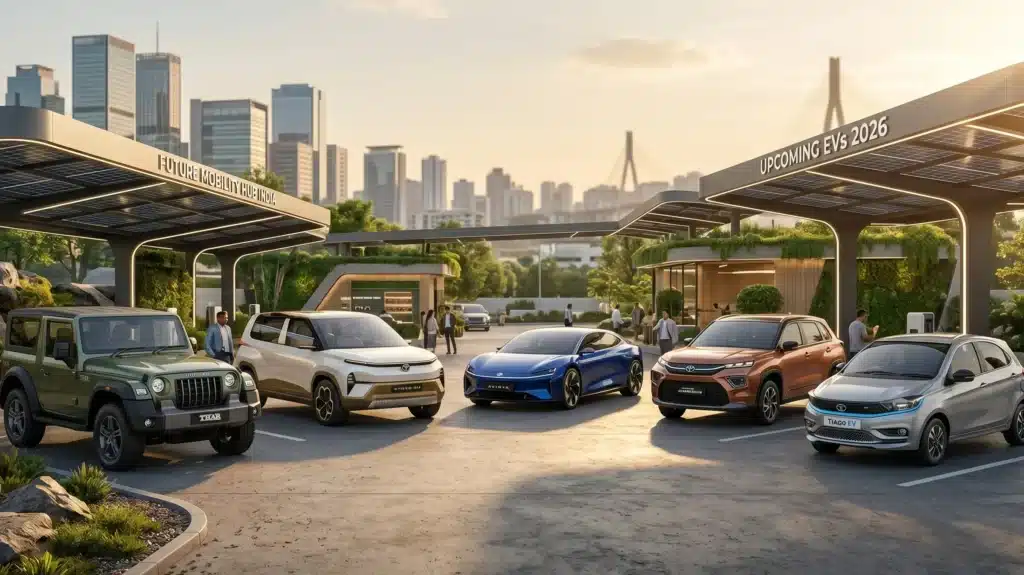
Upcoming Electric Cars Set to Shake Up the Indian Market
The Indian automotive landscape is undergoing a massive shift. A few years ago, electric vehicles (EVs) were considered experimental or luxury items meant only for early adopters with big budgets. Today, they are firmly transitioning into mainstream conversations. As charging infrastructure expands across national highways and major city hubs, the anxiety surrounding range is gradually fading away.
Car manufacturers are no longer just putting batteries into existing petrol cars; they are building dedicated electric platforms from scratch. The upcoming months look incredibly busy, with everything from affordable urban runabouts to radical lifestyle off-roaders and hyper-futuristic flagships slated for release. If you are looking to make the green switch soon, here are five highly anticipated electric cars that deserve to be on your radar.
1. Tata Tiago EV
Also Read: 2026 Tata Tiago Facelift Interior Revealed: Bigger Screens & Premium Cabin
- Expected Price: ~₹8 Lakh (Estimated)
- Expected Launch: May 28, 2026
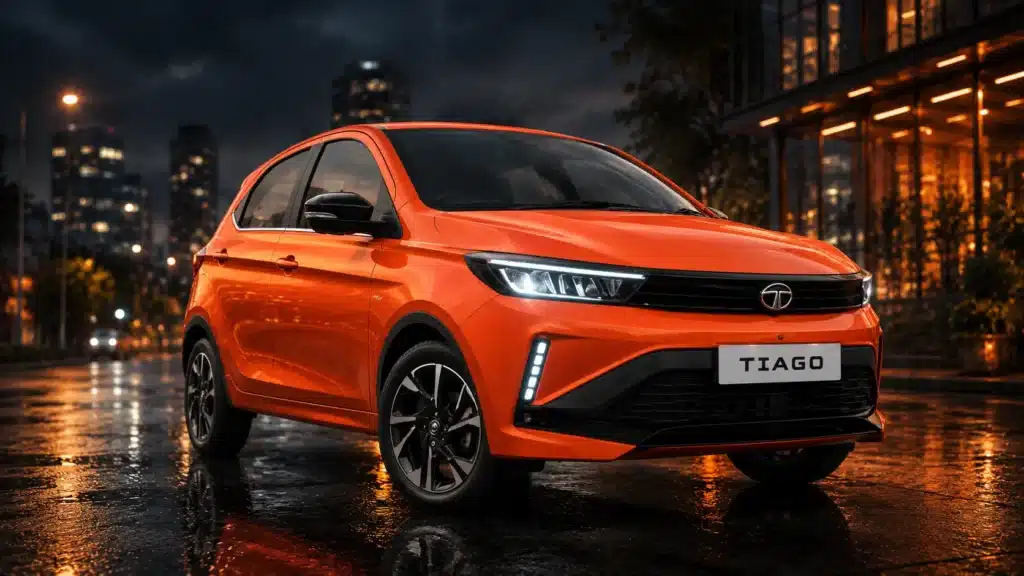
Tata Motors single-handedly democratized the electric car market in India with the original Tiago EV. It proved that a practical daily commuter didn’t need to cost a fortune. As the current model ages, a refreshed avatar is stepping up to maintain its dominant position in the entry-level segment.
The upcoming Tiago EV refresh focuses on making the car look sharper and more aligned with Tata’s newer design language, which we’ve seen on the Punch EV and Nexon EV. Expect a cleaner closed-off grille, smarter LED light signatures, and an upgraded interior layout featuring a more responsive infotainment screen. It will retain its highly practical battery options (around 19.2 kWh and 24 kWh), continuing to offer a realistic city range of 200 to 250 kilometers on a single charge.
Why it matters: It remains the most sensible choice for anyone looking for a secondary vehicle strictly for office commutes, grocery runs, and tight city parking without breaking the bank.
2. Toyota Urban Cruiser EBELLA
- Expected Price: ~₹18 – 21 Lakh (Estimated)
- Expected Launch: Jun 20, 2026
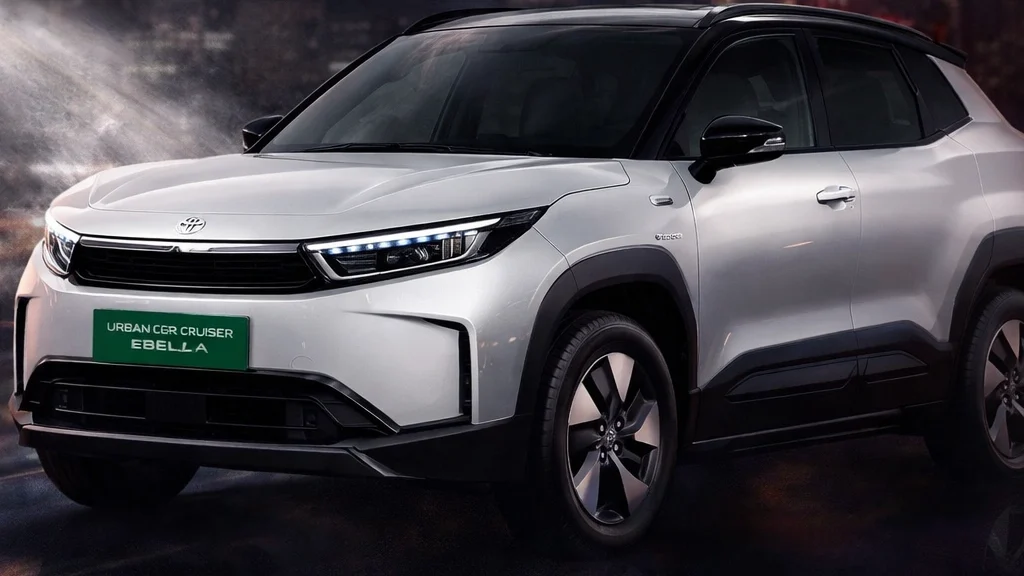
Toyota has traditionally leaned heavily toward hybrid technology in India, but the brand is finally ready to dip its toes into the pure electric vehicle market with the Urban Cruiser Ebella. Developed as part of Toyota’s global partnership with Suzuki, the Ebella is a born-EV SUV that shares its platform and mechanical underpinnings with Maruti’s upcoming e Vitara.
Visually, the Ebella features Toyota’s signature “hammerhead” front styling, giving it a very distinct, muscular, and futuristic road presence. It is expected to come with two Lithium Iron Phosphate (LFP) battery pack options—a 49 kWh version for city duties and a larger 61 kWh pack for highway cross-country trips, claiming an ARAI-certified range of well over 500 kilometers. The cabin is expected to be a massive departure from older Toyota cars, featuring a premium floating dual-screen layout and a high-quality JBL sound system.
Why it matters: For buyers who have been waiting for trusted Japanese reliability and robust build quality before switching to an electric vehicle, the Ebella is the answer.
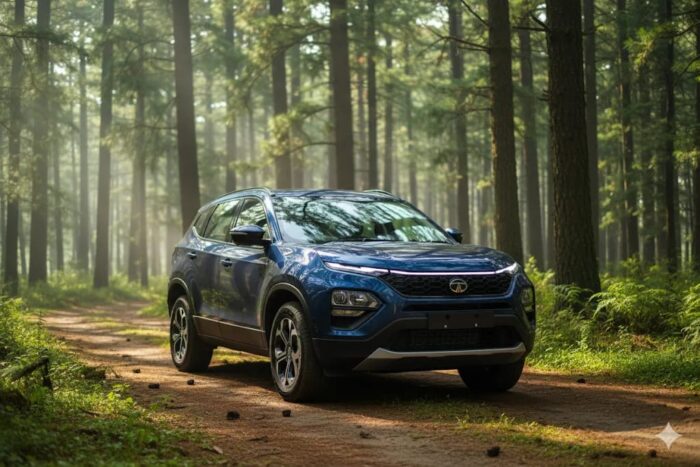
3. Tata Sierra EV
- Expected Price: ~₹15 Lakh (Estimated)
- Expected Launch: Aug 10, 2026
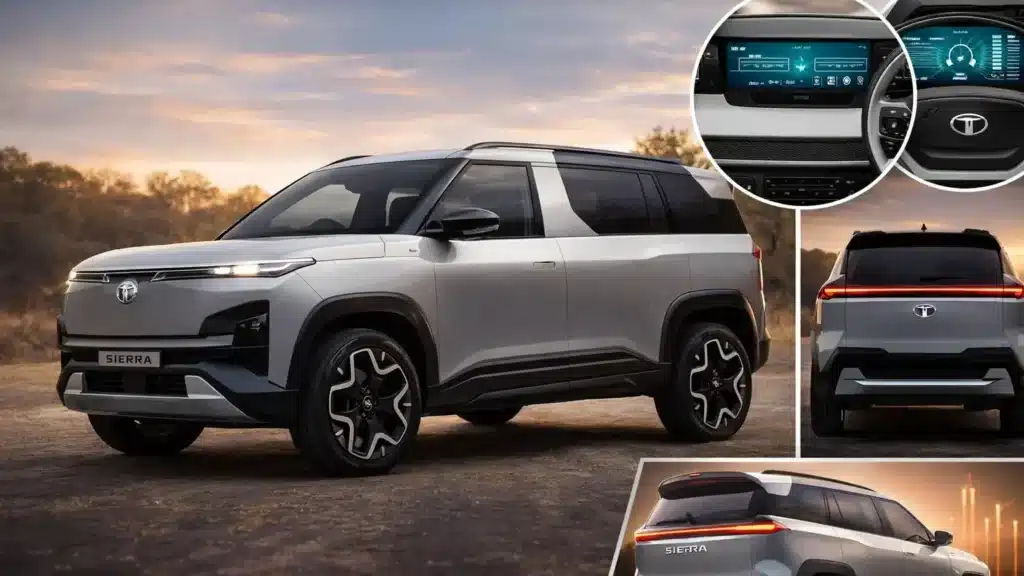
For anyone who grew up in the 1990s, the “Sierra” nameplate evokes an immediate sense of nostalgia. Tata is capitalizing on this legacy by bringing back the iconic SUV as a premium lifestyle electric vehicle, built on their new Acti.ev architecture.
The production-spec Sierra EV beautifully retains the core identity of the original car—specifically the massive, wrap-around rear glass house—while blending it with modern, minimalist aesthetics. Positioned between the Curvv EV and the flagship Harrier EV, it is expected to offer both Rear-Wheel Drive (RWD) and All-Wheel Drive (AWD) configurations. Rumored to package battery sizes up to 65 kWh, the Sierra EV targets a realistic, real-world highway range of 400 to 450 kilometers, complete with a lounge-like rear seat experience.
Why it matters: It’s not just a car; it’s a statement piece that blends old-school heritage with sophisticated, cutting-edge electric mobility.
4. Mahindra Thar E

Also Read: Mahindra Thar Roxx-based ATV Revealed – Military Off-Roader Not Available for Buyers
- Expected Price: ~₹25 Lakh (Estimated)
- Expected Launch: August 15, 2026
Mahindra has a tradition of dropping blockbuster announcements on Independence Day, and August 15, 2026, is highly anticipated to be the official arrival of the production-ready Thar E. First showcased as a concept in South Africa, the Thar E takes the legendary off-road DNA of the standard Thar and completely redesigns it around Mahindra’s dedicated INGLO P1 electric platform.
The Thar E strips away the traditional internal combustion constraints to offer incredible ground clearance, massive approach and departure angles, and a flat underbody to slide over rocks effortlessly. Instead of a loud diesel engine, it will rely on a dual-motor setup powering all four wheels (AWD) instantly. With a rumored 75 kWh battery pack, it promises enough juice to let you travel deep into remote trails and crawl back home without a hitch. The design remains boxy, rugged, and unapologetically mechanical, featuring recycled materials inside a washable cabin.
Why it matters: It completely shatters the myth that electric cars are fragile electronics meant only for smooth city tarmac and mall crawls.
5. Tata Avinya
- Expected Price: ~₹40 Lakh (Estimated)
- Expected Launch: June 15, 2026
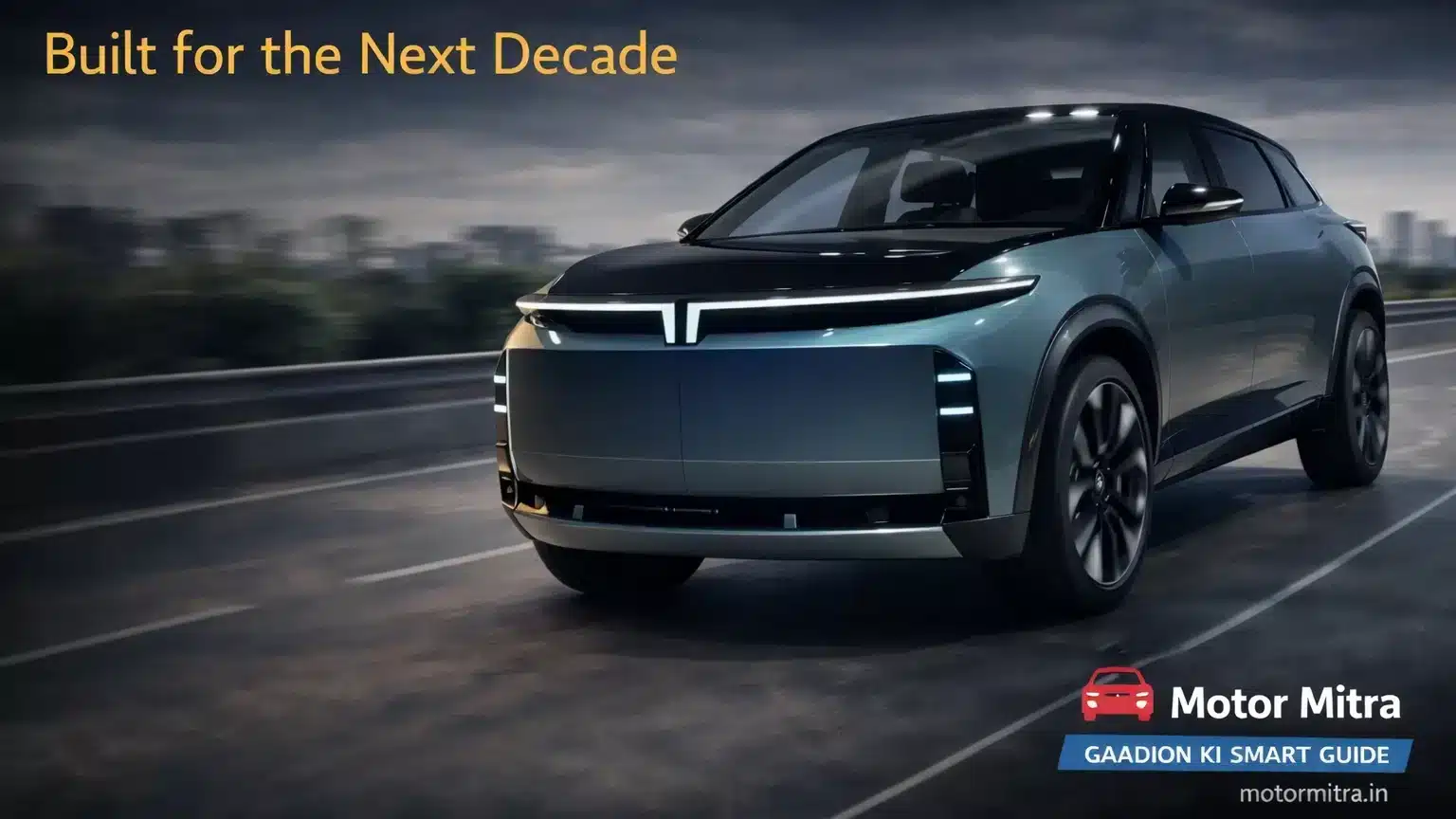
If the Tiago EV represents Tata’s present, the Avinya is a window into their absolute future. Expected to debut around mid-June 2026, the Avinya isn’t just a new model—it is the birth of an entirely new premium brand identity. Built on Tata’s advanced Gen-3 architecture, the Avinya rejects traditional car body styles, sitting somewhere between a sleek premium MPV, a spacious hatchback, and a futuristic crossover.
The Avinya’s interior philosophy focuses entirely on human-centric luxury, moving away from massive, distracting touchscreens in favor of a voice-activated, screenless cockpit designed to feel like a serene relaxation lounge. The platform is engineered to support ultra-fast DC charging, allowing the car to replenish up to 500 kilometers of range in less than 30 minutes. It represents a massive step upmarket for Tata, directly aiming to challenge established European luxury brands.
Why it matters: The Avinya is proof that Indian car manufacturers are fully capable of designing world-class, ground-up luxury EVs that can compete on a global stage.
The upcoming electric vehicle wave proves that the market is maturing rapidly. Whether you are looking for a compact city hatchback like the Tiago EV, a dependable family SUV like the Toyota Ebella, a nostalgic cruiser like the Sierra EV, a hardcore mud-plugger like the Thar E, or a premium luxury statement like the Avinya, the choices are expanding fast. Before making your next big purchase, assessing your daily running and charging accessibility will help you pick the perfect fit for this inevitable electric future.