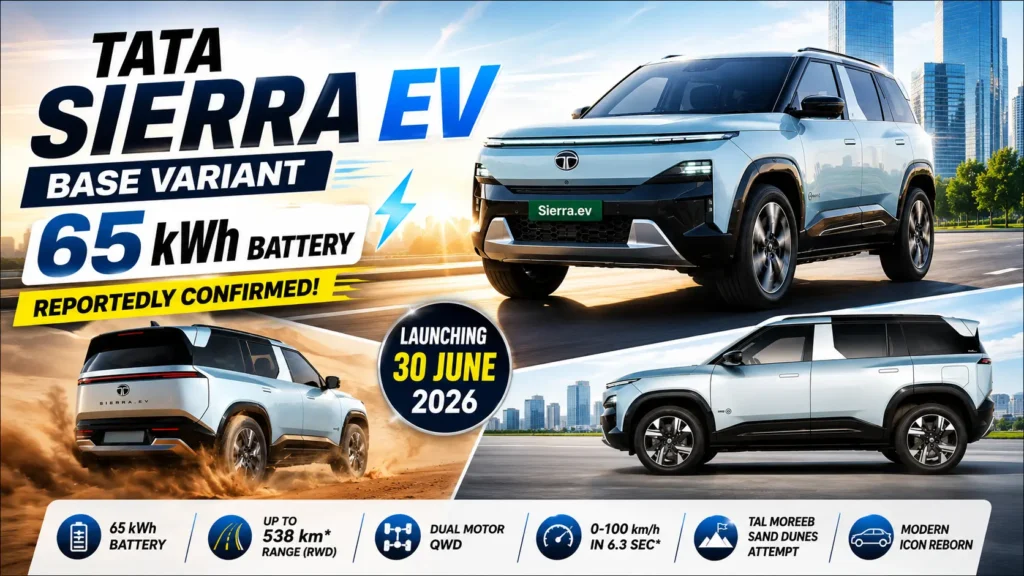
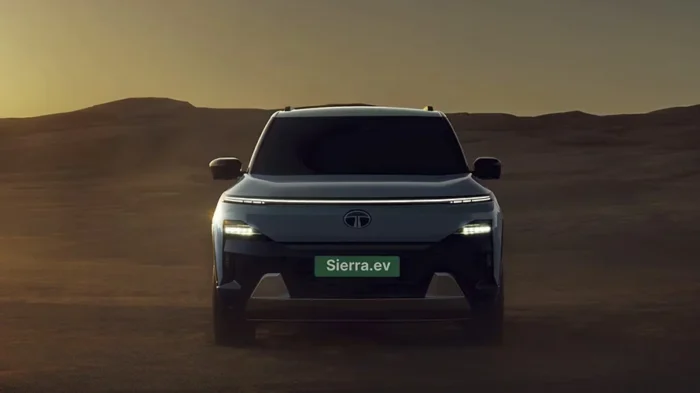
The premium electric vehicle ecosystem is currently experiencing an absolute strategic transformation following major production blueprints leaking from corporate product evaluation clinics. If your current garage expansion plans involve finalizing high-interest loan arrangements for a compact premium electric car or a mid-size battery-powered family crossover this quarter, pausing that commercial decision is heavily advised. The upcoming details surrounding the Tata Sierra EV Base Variant do not point toward a heavily compromised, stripped-out corporate fleet package; it signals a monumental engineering shakeup that brings extreme real-world range straight to the foundational tier.
For several financial quarters, domestic electric car buyers were forced to accept an incredibly frustrating market compromise where high-capacity battery architectures were locked behind expensive luxury trims. That unfair distribution format officially crumbles now that verified factory logistics pipelines have confirmed an absolute massive powerplant module for the entry-level price bracket. This sweeping change means that value-oriented premium buyers can soon secure highway-crusade ranges without being forced into paying heavy capital premiums for unnecessary visual styling kits or complex autonomous electronic safety nets.
Why This Entry-Level Energy Architecture Alters Consumer Choice
- Sierra EV Battery Capacity Revolution: The factory integration of an extensive energy module at the introductory stage completely erases standard anxieties regarding long-distance highway cruising safety layers.
- The Luxury Price Protection: Buyers can comfortably bypass highly expensive upper-tier luxury configurations while retaining the identical core performance, fast-charging mechanics, and drivetrain endurance.
- The Secondary Market Stabilization: Offering substantial battery capacities natively protects the vehicle asset value from facing accelerated depreciation spikes often observed in legacy small-capacity urban commuters.
Also Read:- Tata Motors Investor Day 2026: Top 10 Growth Announcements
A Fresh Engineering Perspective: The Sixty-Five Kilowatt Hour Benchmark Unpacked
Most vehicle manufacturers routinely implement a highly predictable strategy when deploying their base trims, deliberately reducing internal energy cells to force ambitious buyers into stretching their financial budgets. The product development team managing the production launch of the Tata Sierra EV Base Variant is completely reversing this uninspired corporate trend by embedding a massive sixty-five kilowatt-hour high-density pack straight into the standard architecture. This extensive cell deployment instantly positions the introductory model ahead of multiple upper-tier electric crossovers sold by international luxury marques across metropolitan regions.
Transitioning a massive sixty-five kilowatt-hour chemistry setup down to the base tier requires an incredibly rigid, highly advanced structural foundation designed natively for pure electrification parameters. The upcoming platform utilizes a specialized skateboard architecture where the substantial battery array acts as a structural floor member to lower the vehicle’s center of gravity dramatically. This tactical packaging configuration yields flawless cabin space utilization while guaranteeing that high-voltage electrical pathways are perfectly shielded from unpredictable physical road hazards or severe side-impact cabin intrusions.
The Mechanical Dominance Resting Beneath The Legendary Sierra EV
The core talking point driving intense consumer holding patterns centers directly on the linear propulsion metrics engineered into the specialized Tata Sierra EV Base Variant powertrain unit. This advanced high-voltage setup translates the extensive energy capacity into a highly dependable real-world driving range comfortably exceeding five hundred kilometers on a single operational charge cycle. This major mechanical milestone effectively eliminates the historical boundary separating electric cars from traditional inter-state diesel highway tourers, opening up seamless cross-country driving corridors for everyday family road trips.
To channel this sustained electrical energy down to the highway safely, the platform deploys a highly responsive multi-link independent rear suspension system paired smoothly with premium regenerative braking calipers. The charging infrastructure built into this entry-level framework receives a parallel upgrade, natively supporting high-output DC fast-charging protocols to replenish the massive pack up to eighty percent within less than forty minutes. This ensures that brief highway food stops align perfectly with energy top-up intervals, maximizing route efficiencies during long-distance holiday touring.
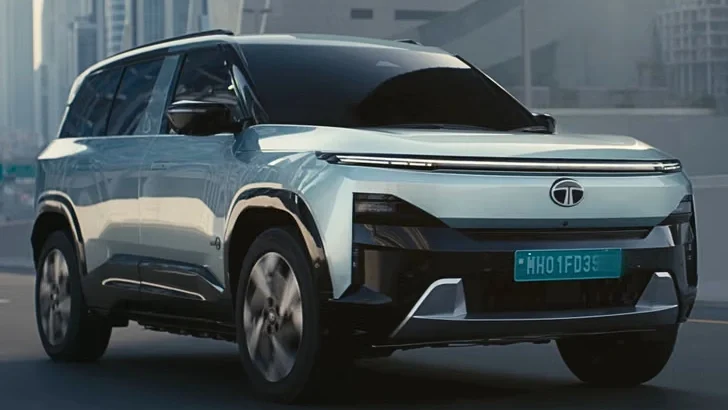
Technical Matrix: Premium Sierra EV SUV Platform Reality
| Energy Underwriting Property | Tata Sierra EV Base Variant Layout | Average Segment Entry-Level Thresholds |
| Battery Pack Net Capacity | 65 kWh High-Density Lithium-Ion | 40 kWh to 45 kWh Restricted Battery Units |
| Real-World Highway Range | Estimated 500+ Kilometers Per Cycle | 320 Kilometers Maximum Urban Boundaries |
| DC Fast Charging Target | Up to 80% Capacity under 40 Minutes | Extended 60 to 75 Minute Charging Windows |
| Chassis Structural DNA | Dedicated High-Tensile Gen 2 Skateboard | Converted Internal Combustion Frame Formats |
| Cabin Layout Architecture | High-Volume Flat Floor Geometric Utility | Intrusive Central Transmission Tunnel Humps |
Step inside the primary command lounge, and you are instantly greeted by a highly sophisticated, minimal cockpit design that emphasizes spaciousness and clean structural sightlines. The introductory trim bypasses cheap analog elements to implement a clean dual-screen layout, pairing a responsive central infotainment display with a fully digital custom instrument panel cluster. The layout strategy successfully preserves everyday usability by integrating physical tactile toggles for vital climate settings, ensuring drivers can alter internal cabin dynamics effortlessly without taking their eyes off the fast-moving highway traffic.
Also Read:- EV vs ICE Is Over in 2026? Tata Motors Says the Future Is EV + CNG
Tata Sierra EV Base Variant Real-World Strategic Shift
This game-changing battery announcement is going to cause immediate sales stagnation for dealership networks currently trying to clear existing inventories of smaller electric mid-size SUVs. As data regarding this sixty-five kilowatt-hour entry-level configuration propagates through national electric enthusiast forums, buyers are quickly canceling active booking vouchers for alternative cars. Consumers are recognizing that spending heavy premium capital on vehicles carrying tiny batteries makes zero financial sense when a massive range alternative is heading toward production lines.
The sudden arrival of this premium cell package creates an immediate structural crisis for competing automotive groups operating within the thirty-lakh price bracket. When an everyday car buyer can secure luxury-class range metrics, a future-proof dedicated electric platform, and a legendary brand name straight from the base tier, road-biased hybrid alternatives lose their primary economic edge. This shifts the market power completely, forcing rival legacy networks to immediately slash their high-tier premium pricing models or risk facing complete market isolation.
The Ultimate Verdict: Buy Now Or Wait For The Base Surprise?
The definitive recommendation is to absolutely freeze your premium electric car purchase and wait for this specific variant to launch. Rushing into a showroom this week to purchase an active alternative means saddling your household garage with a rapidly aging battery capacity, slower charging speeds, and a heavily compromised highway touring range. Safeguarding your capital for a few additional months guarantees you unlock a monumental asset that delivers maximum range-per-rupee value without forcing you to pay for luxury gimmicks.
Who Should Wait:
- Long-distance driving enthusiasts who require absolute confirmation of an extensive real-world highway range Sierra EV before transitioning their primary household car away from traditional fossil fuels.
- Value-conscious luxury buyers who want to secure maximum mechanical performance, fast-charging capabilities, and platform longevity without paying for high-tier aesthetic cosmetic trims.
- Smart urban tech commuters who want a future-proof, highly liquid asset that will command a premium valuation curve across secondary trade-in networks down the line.
Who Can Bypass:
- Immediate-need commercial fleet operators who require basic, low-range electric city transport solutions for localized delivery duties this week.
- Pure pavement urban runabout drivers who strictly travel under fifty kilometers a week and have zero intention of ever taking their car out onto national state highways.
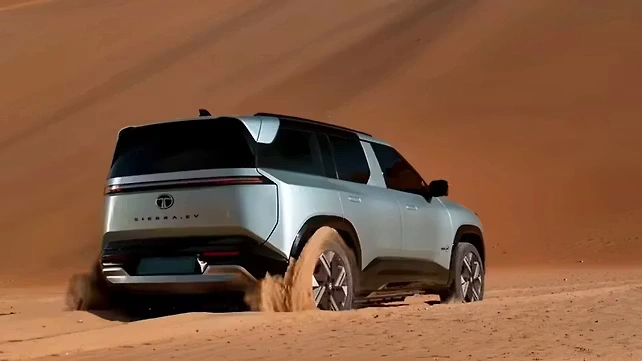
A truly successful Sierra EV vehicle ownership cycle must deliver absolute financial rationality alongside uncompromising mechanical freedom on the open interstate highway grid. The upcoming arrival of the Tata Sierra EV Base Variant verifies that premium alternative energy transit options are finally moving into an incredibly smart, value-driven consumer landscape. If you value monumental battery endurance, modern structural packaging safety nets, and total peace of mind during remote cross-country expeditions, keep your checkbook firmly closed for now. Sit tight through the upcoming launch window—this foundational powerhouse is the absolute smartest automotive play of the era.